





Do washed and natural Yirgacheffe beans start from the same coffee green bean?
Yirgacheffe coffee is known for bright acidity and a clean cup, and the processing method shapes much of that character. Washed processing, introduced from Central and South America in 1972, highlights floral notes and citric acidity. Natural processing, which the region originally used, keeps more fruit and body in the cup.
Front Street compares its washed Gutingding and natural Red Cherry lots side by side, looking at differences in coffee green bean appearance, roasting curves, cupping scores, and V60 brewing results. The region sits on the eastern edge of the East African Rift Valley at 1,800 to 2,000 meters, and nearby Lake Abaya supplies the water that washed processing stations rely on.
Yirgacheffe, as the top choice for entering the world of specialty coffee, is renowned for its bright acidity and clean flavor. From the perspective of Front Street Coffee, this article systematically reviews the geography of the Yirgacheffe region, the principles of washed and natural processing methods, and compares the specific differences between Front Street's washed Gutingding and natural Red Cherry beans in terms of green bean appearance, roasting, cupping, and brewing flavor. The article also includes detailed roasting curves and V60 brewing parameters for both beans, making it suitable for coffee enthusiasts who wish to gain a deeper understanding of the flavor origins and brewing performance of Yirgacheffe.
For more specialty coffee knowledge, please follow our WeChat public account: FrontStreet Coffee
Yirgacheffe
This coffee region is no stranger to most people. Its bright acidity and clean, refreshing flavor have made it the first bean many people taste when they encounter specialty pour-over coffee. Today, FrontStreet Coffee will introduce the flavor characteristics of Yirgacheffe coffee beans.
In many people's impressions, Yirgacheffe has always been a region primarily known for washed processing. Front Street believes that the reason the Yirgacheffe region favors washed processing so much is that washing better showcases Yirgacheffe's floral notes and citric acidity, delivering a fresh and light character. In reality, however, Yirgacheffe originally mostly used natural processing. In 1972, the Ethiopian government introduced washed processing from Central and South America to improve coffee quality. After that, Yirgacheffe coffee became more fresh and refined, winning more people's affection.
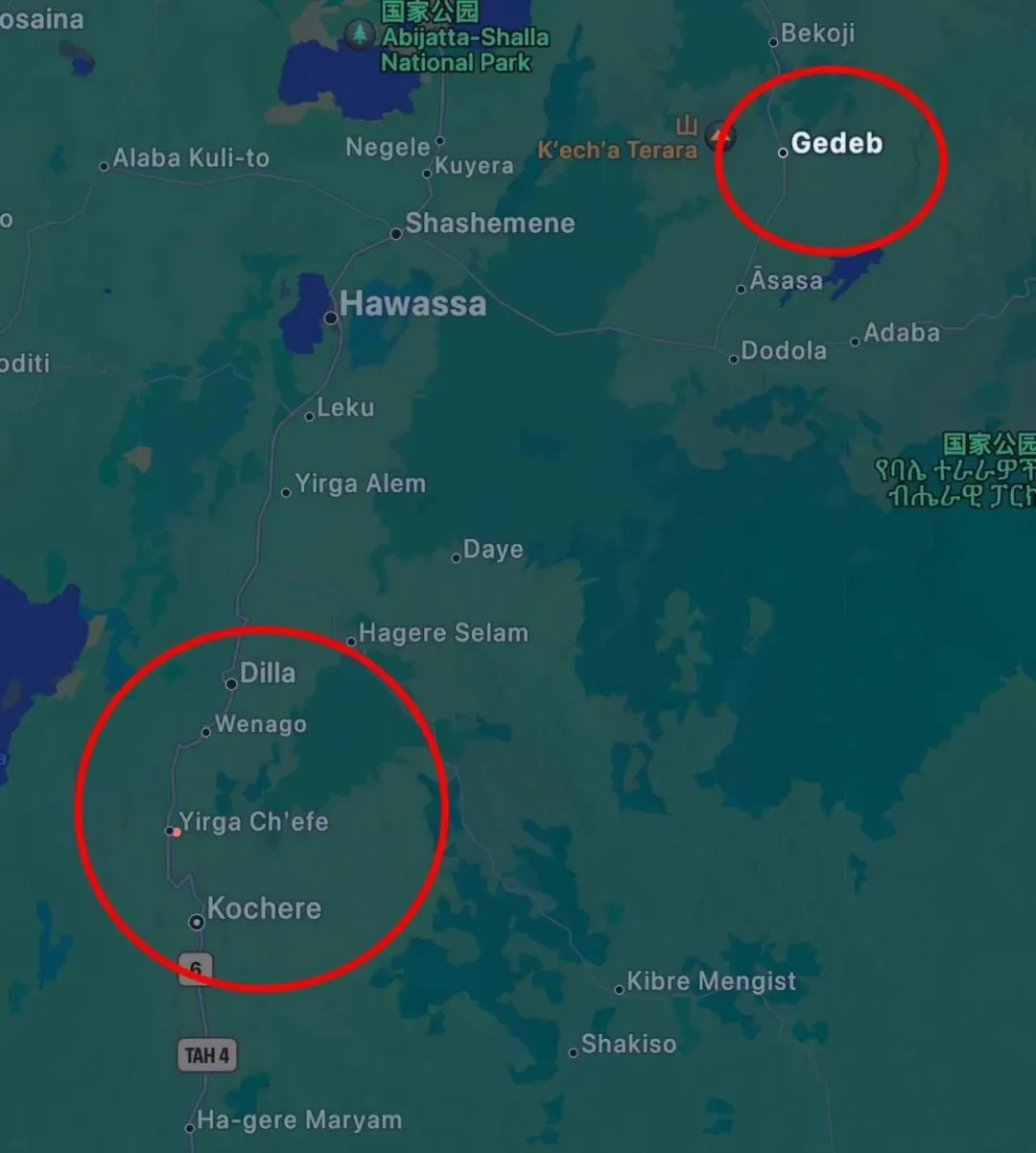
Yirgacheffe Coffee Region Yirgacheffe is located on the eastern edge of the East African Rift Valley, with highly complex, dissected terrain and an elevation between 1,800 and 2,000 meters, making it one of the highest-average-elevation coffee regions in Ethiopia. To its west lies Lake Abaya, a wetland since ancient times with abundant water, which also provides excellent conditions for Yirgacheffe's washed processing stations.
Yirgacheffe was originally part of the Sidamo region, but because of its unique flavor, it was separated out to stand on its own and became the most famous region in Africa.
According to Ethiopia's regional classification system, Yirgacheffe is one of four regions (namely Yirgacheffe, Wenago, Gelena Abaya, and Kochere). Administratively, the Kochere region encompasses two areas: Kochere itself and Gedeb. Kochere and Gedeb are located at the southern end of the greater Yirgacheffe region, forming two pillars, one west and one east. However, Gedeb was historically a region that became independent from Kochere, so it is not surprising that they are grouped under the same region. Sometimes, we refer to Gedeb separately as a micro-region. It is worth noting that Worka Kebele in Gedeb Woreda has frequently stood out and is gradually trending toward being referred to independently.
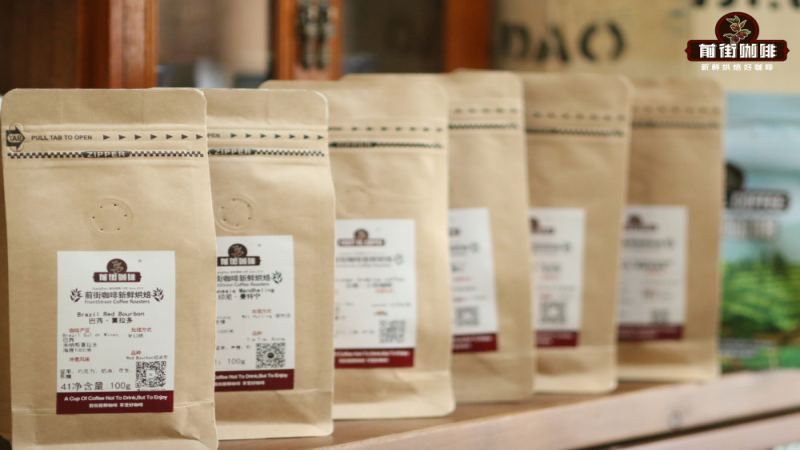
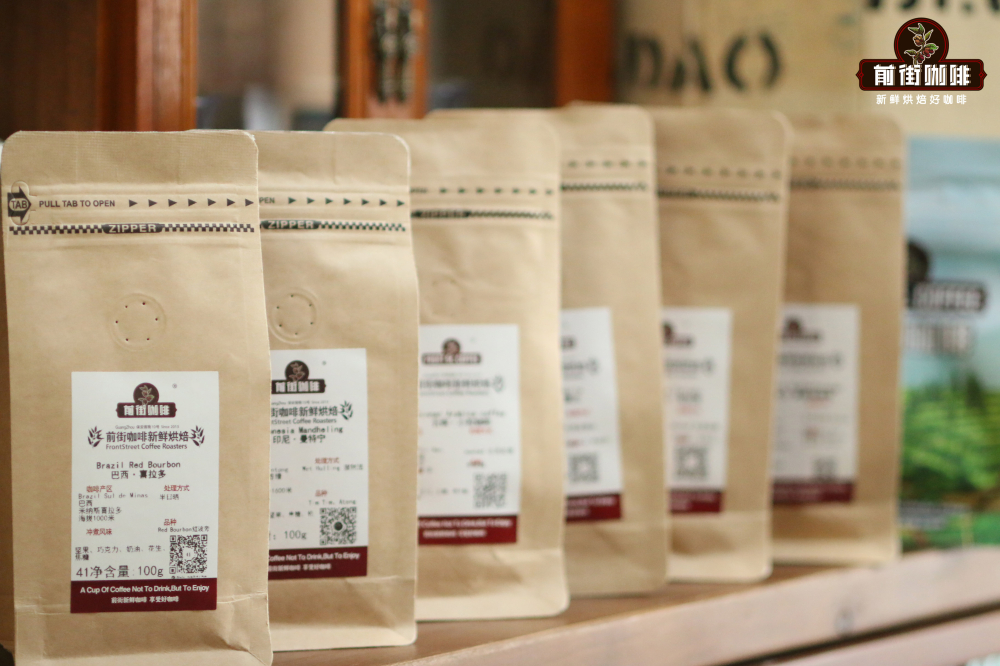
Front Street Yirgacheffe Gutingding Cooperative
Region: Ethiopia, Yirgacheffe
Producer: Gutingding Cooperative
Variety: Local heirloom varieties
Processing method: Washed
Front Street Yirgacheffe Natural Red Cherry
Region: Ethiopia, Yirgacheffe
Estate: Aletaland Estate
Variety: Local heirloom varieties
Processing method: Natural
Washed Processing
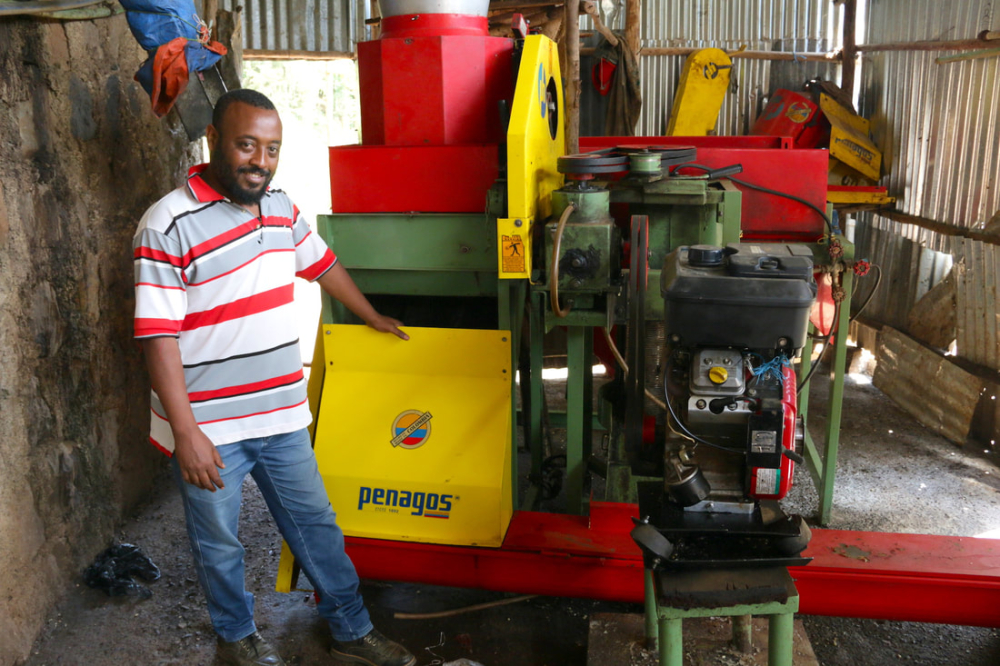
The washed method removes impurities (stones, debris, etc.) and defective beans through various steps, so green beans have a uniform appearance and are generally considered to be of higher quality, with trading prices also higher than coffee refined by the natural drying method. However, the more detailed the division of labor in the process, the more procedures there are for operations and hygiene management, and the higher the risk. Therefore, washed processing does not necessarily equal high quality. FrontStreet Coffee believes that washed coffee has more pronounced acidity, better cleanliness, medium body, and the most consistent green bean quality.
The selected coffee cherries are put into a depulper to initially remove the skin and pulp; the green coffee beans with residual pulp and mucilage are placed in water to ferment for about 24 hours; after fermentation, the green coffee beans with parchment are placed in a flowing water channel to be washed, removing the pulp and mucilage; after washing, the coffee beans are dried in the sun or with a dryer until the moisture content drops to around 12%. Finally, the parchment is removed from the green coffee beans.
Natural Processing
Natural processing is one of the oldest and most traditional processing methods. After the coffee fruit is picked, it is immediately dried in the sun. This is more common in areas with abundant sunlight or scarce water resources. For example, nearly 70% of the coffee fruit in all Ethiopian regions undergoes natural processing. Front Street believes that compared with washed coffee, natural coffee has lower acidity, higher sweetness, clearer body, but slightly lower cleanliness, and produces more berry-like nuances with greater complexity.
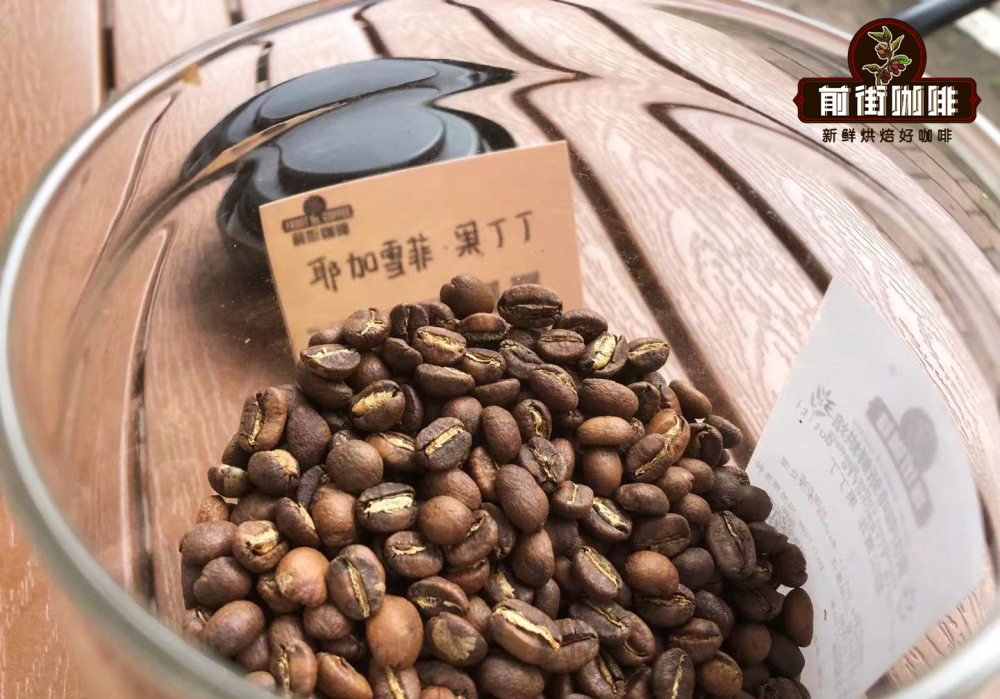
Yirgacheffe Coffee Beans In natural processing, after selecting usable coffee cherries, the whole coffee cherries with the pulp and skin fully intact are placed on raised beds to dry in the sun. It is precisely this raised-bed drying method, which requires intensive manual labor, that isolates the cherries from contact with the ground, prevents earthy off-flavors during sun-drying, and creates an exceptionally clean fruit flavor. After more than two weeks of sun-drying, the dark brown coffee fruit is professionally stored, waiting for the entire flavor to mature. Only before shipment are the coffee beans removed from the coffee fruit, and the sweetness can be imagined.
Next, starting from Yirgacheffe washed and natural green coffee beans, and going through a series of comparisons including roasting, cupping, and brewing, let's see how FrontStreet Coffee's Yirgacheffe washed Gutingding and natural Red Cherry differ.
FrontStreet Coffee Green Bean Comparison
As green beans, the natural beans look yellow-green in color with more silver skin; the washed beans are blue-green with less silver skin. This is because washed beans are soaked in water for a long time during processing, causing the silver skin and coffee beans to separate. When the parchment is finally removed, the outer silver skin is stripped away along with it, leaving very little residual silver skin on the surface of washed green beans.
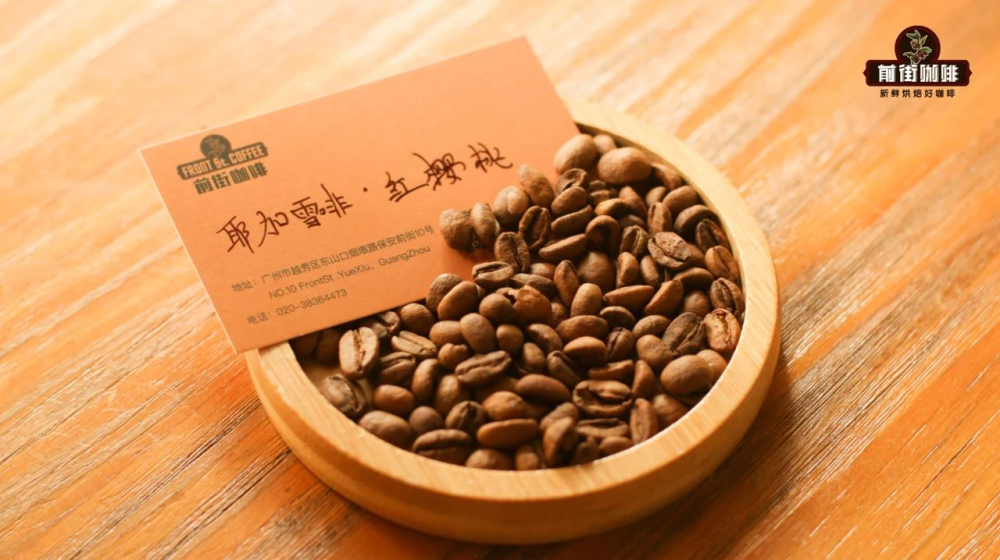
Natural beans are just the opposite: the skin and pulp remain attached to the outside of the bean, and the silver skin adheres more tightly to the coffee bean, making it less likely to fall off when the parchment is removed. Therefore, natural green beans still have a lot of outer silver skin attached to their surface.
FrontStreet Coffee Roasted Bean Comparison
Although from the green bean stage, washed beans have less silver skin and natural beans have more. During roasting, however, the silver skin in the center line of washed coffee beans is the hardest to remove. The outer silver skin of natural beans is connected as a whole sheet, making it easier to come off together with the silver skin in the center line, so after roasting, the silver skin of natural roasted beans is very cleanly removed.
Washed beans are the opposite: because there is almost no outer silver skin connection, the silver skin in the center crack cannot be easily peeled off and instead remains after roasting. This is why, from the roasted bean stage, washed beans have more silver skin and natural beans have less.
FrontStreet Coffee Roasting Recommendations
Natural Red Cherry uses a Yangjia 800N with a 600g charge: charge at 200°C, set airflow to 3.5, after 1 minute adjust heat to 160°C with airflow unchanged, adjust heat once at 148°C down to 130°C, roast until 5'03'' at 151°C when the bean surface turns yellow and the grassy smell completely disappears, dehydration is complete, adjust heat to 105°C and airflow to 4; at the 8th minute, ugly wrinkles and dark spots appear on the bean surface, and the toast aroma clearly turns into coffee aroma, which can be defined as the prelude to first crack. At this point, listen carefully for the sound of first crack. First crack begins at 9'07'', reduce heat to 70°C, open airflow fully (adjust heat very carefully, not so low that there is no crack sound), and drop at 194°C.
Washed Gutingding uses a Yangjia 800N with a 480g charge: charge at 175°C, set airflow to 3, heat at 120; turning point at 1'32", when the temperature reaches 140°C keep heat unchanged and open airflow to 4; at this point the bean surface turns yellow and the grassy smell completely disappears, entering the dehydration stage. At 166°C reduce heat to 100, at 176°C reduce heat to 80, airflow remains unchanged. At 8'28", ugly wrinkles and dark spots appear on the bean surface, and the toast aroma clearly turns into coffee aroma, which can be defined as the prelude to first crack. At this point, listen carefully for the sound of first crack. First crack begins at 9'38", adjust airflow to 5 (adjust heat very carefully, not so low that there is no crack sound), develop for 1'30'' after first crack, and drop at 193.5°C.
FrontStreet Coffee Cupping Report
The dry aroma of Natural Red Cherry exudes an intense fruity fragrance, with heavy dried fruit notes of strawberry, mango, and apricot jam. The wet aroma is like sweet syrup, resembling thick apricot juice wrapped in rustic honey or chocolate. On the palate it is not intense, with medium body, like fruity black tea.
The dry aroma of Washed Gutingding exudes fresh passion fruit, citrus, and berry acidity. The wet aroma is citrus and berries. On the palate there is citrus acidity, berry sweetness, almond, and tea-like character, with a finish of honey sweetness. Low body, bright acidity, clean and refreshing.
FrontStreet Coffee Brewing Recommendations
Dripper: V60 #01
Water temperature: 90-91°C
Dose: 15g
Coffee-to-water ratio: 1:15
Grind size: BG6m / caster sugar size (80% passing through a No. 20 sieve)
Front Street brewing method: First pour 30g of water for a 30-second bloom, then pour 95g (electronic scale shows about 125g), finishing in about 1 minute. When the water level drops to 2/3 of the coffee bed, pour the remaining 100g (electronic scale shows about 225g), finishing in about 1 minute 35 seconds. Dripping completes at 2'00-2'10", remove the dripper, and extraction is complete.
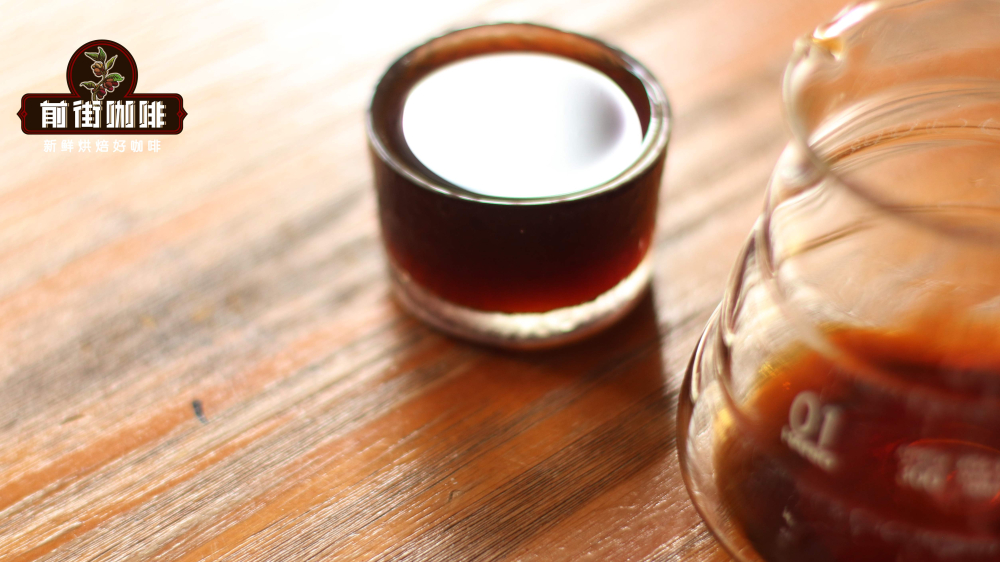
Washed Gutingding brewing flavor: citrus and black tea on the palate, with cream, caramel, and almond as the temperature changes, a noticeably sweet finish and a clean, refreshing mouthfeel.
Natural Red Cherry brewing flavor: lemon, licorice, citrus, berries, sweet orange, with overall higher sweetness, a finish of caramel and cream, and a black tea aroma in the aftertaste.
For professional coffee knowledge exchange and more coffee bean information, please follow Coffee Workshop (WeChat public account: cafe_style)
For more specialty coffee beans, please add the private WeChat of FrontStreet Coffee: kaixinguoguo0925
The above content is compiled by CoffeeHunters, a coffee news website.


