







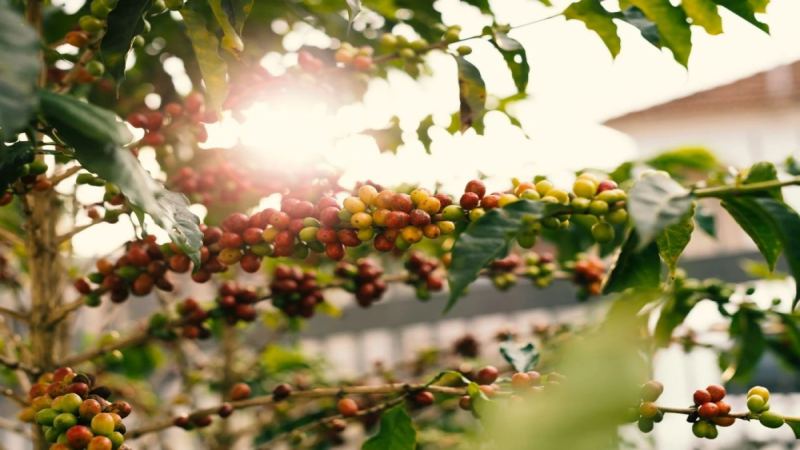
What Does the Coffee Belt Have to Do With Coffee Fruit?
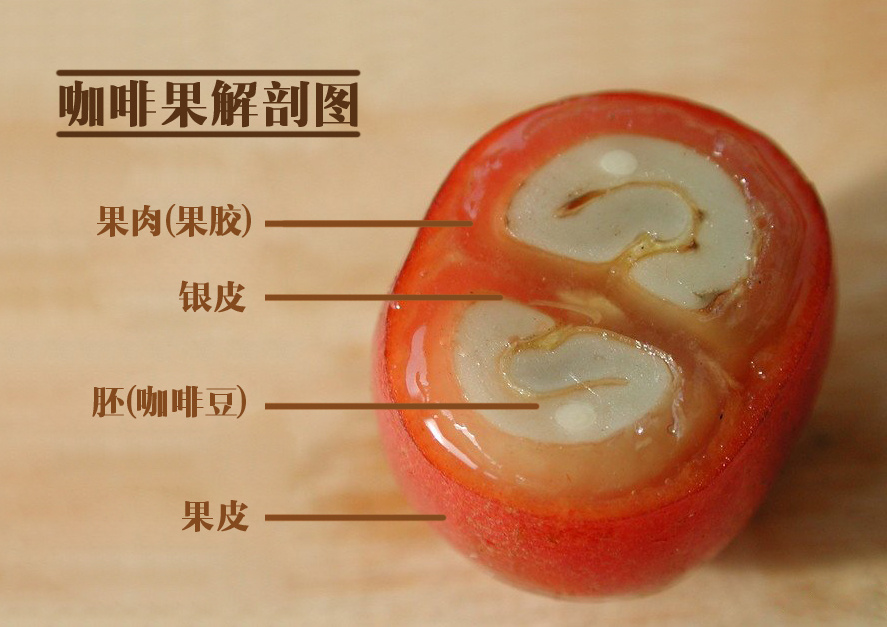
Coffee is not juice. The drink is made by roasting coffee beans, which are the seeds inside the coffee fruit, and extracting their soluble compounds with water. The fruit itself resembles a small cherry and ripens red. Its structure runs from outer skin and pulp through a pectin layer to parchment and silver skin, and each part plays a role in how the seed develops.
Most producing regions sit in the tropical band between the Tropic of Cancer and the Tropic of Capricorn, known as the Coffee Belt, where heat, rainfall and average annual temperatures above 20°C support the trees. Arabica, less tolerant of heat and humidity, is often planted at higher elevations with shade management. From there, green coffee bean processing and roasting turn the seed into the coffee in the cup.
Have you ever wondered how the coffee you drink every day evolves from a tiny fruit? Although coffee is often compared to "juice," its production process is completely different from that of real fruit juice. This article will take you through the complete structure of the coffee fruit, analyzing the characteristics and roles of each part—from the outer skin, pulp, and pectin layer to the parchment and silver skin. At the same time, we will also explore the geographical distribution of the Coffee Belt, the hardship of harvesting, and the processing and roasting journey from green beans to roasted beans. Whether you are a beginner coffee enthusiast or a seasoned taster, this article will unveil the mystery of the coffee fruit and give you a deeper understanding of the coffee in your cup.
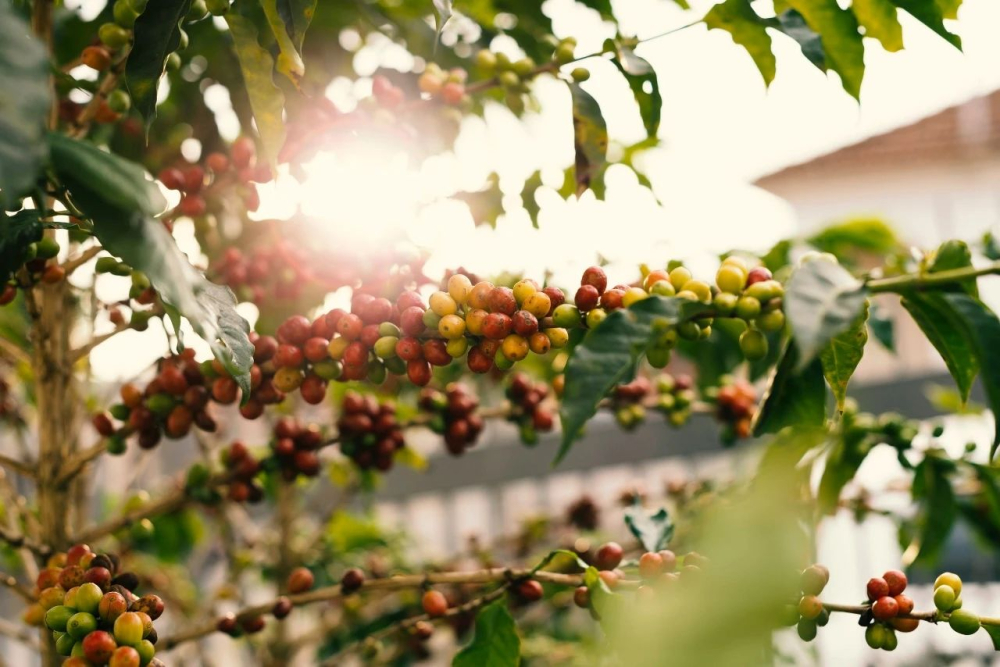
Coffee is a beverage we drink frequently in our daily lives, yet very few people have actually seen fresh coffee fruit, and many have not even laid eyes on green coffee beans. Some in the industry like to categorize coffee as "juice," but Front Street Coffee takes a reserved stance on this. Juice typically refers to a liquid obtained from fruit as a raw material through physical means such as pressing, centrifugation, or extraction, generally referring to pure juice or 100% juice. Coffee, by its very nature, is a beverage made by roasting coffee beans (the seeds) and extracting their soluble substances with water—it is not a liquid taken directly from the coffee fruit.
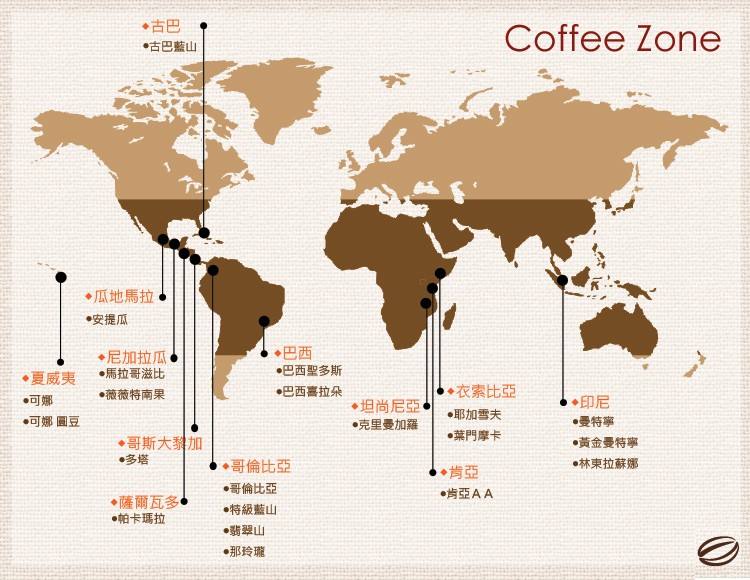
The Coffee Belt
The vast majority of coffee-producing regions worldwide are distributed in the tropical zone between the Tropic of Cancer and the Tropic of Capricorn, an area known as the "Coffee Belt" (also called the Coffee Zone). As a tropical cash crop, the coffee tree thrives in the favorable climate of the Coffee Belt, where there is year-round direct sunlight, abundant heat, ample rainfall, and an average annual temperature above 20°C. However, not all coffee varieties can withstand high temperatures, high humidity, and intense sunlight. For example, some Arabica coffee trees cannot tolerate high heat and humidity, so they are usually planted at higher elevations, and shade management is required if sunlight is too intense—hence the terms "rainforest coffee" or "shade-grown coffee."
Coffee Fruit
The coffee fruit is small and resembles a cherry in appearance. When ripe, it turns red (special varieties aside), which is why it is also called a coffee cherry. There are three main native coffee species: Arabica (lower yield, delicate to cultivate, but outstanding quality), Robusta (highest yield, easy to cultivate, but relatively ordinary quality), and Liberica (gradually withdrawing from the market, not discussed here).
Harvesting coffee fruit is very laborious work. Some regions in Brazil use mechanical harvesting, but most high-quality coffee beans still require manual hand-picking because the coffee fruits do not ripen uniformly and need to be harvested in multiple rounds.
From the anatomical diagram, it is clear that the coffee bean is located at the center of the fruit. The skin and pulp are removed during processing. The silver skin, or seed coat, also falls off during roasting. The following, in order, are the outer skin, pectin layer, and inner skin.
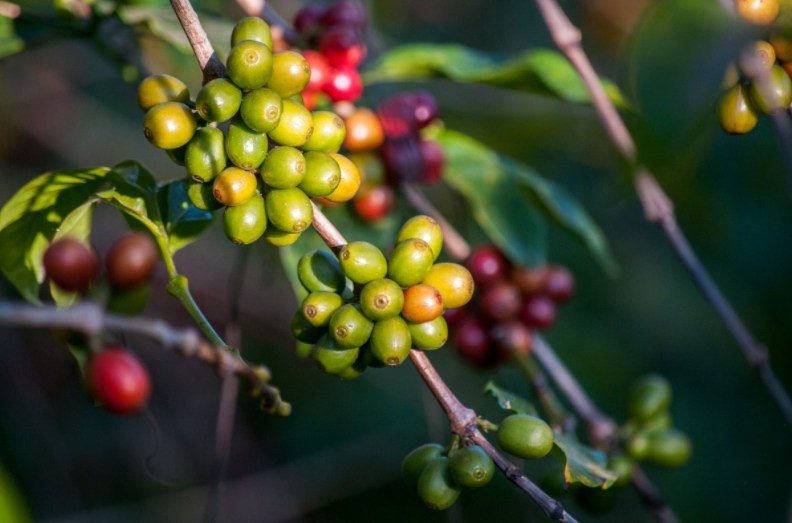
The outer skin consists of one to two layers of cells, with a structure similar to biological epidermis, featuring a cuticle and stomata. When the coffee fruit is unripe, the parenchyma cells of the outer skin mostly contain chloroplasts, which transform into chromoplasts upon ripening. Depending on the degree of ripeness, the outer skin gradually changes from green to red. From a biological perspective, the pulp of coffee is part of the skin, developed from the plant's ovary wall. Coffee pulp contains sugars and acids, carrying a honeydew-like sweetness and a clear, pleasant fruit acidity.
The coffee pectin layer lies between the pulp and the inner skin (parchment) and is a heteropolysaccharide that feels slimy and is difficult to dissolve in water. The pectin portion has the highest sugar content in the coffee fruit and plays an important role in the fermentation process of coffee processing. For example, in honey processing, the more pectin retained, the more pronounced the fermented and sweet notes of the coffee beans. The parchment is composed of parenchyma cells, primarily serving to protect the coffee bean. The silver skin, between the parchment layer and the coffee bean, is a very thin film belonging to the cell membrane.
The pit, namely the coffee bean, is the seed of the coffee tree. Typically, a coffee fruit contains two coffee beans, and because the sides that face each other are flat, they are called flat beans. Sometimes during growth, one bean develops poorly, and the other gains sufficient space to grow into an oval shape—these are called round beans or peaberries. The split in the middle of the coffee bean is the embryo portion, which breaks through the seed coat and develops into leaves and stems.
After processing and drying, a green coffee bean's moisture content is controlled within 13%. The moisture level does not significantly affect the aroma and flavor of coffee; what truly determines flavor is the proportion of non-aqueous compounds in the coffee bean. When green beans are roasted into roasted beans, numerous chemical changes occur internally, constantly generating new substances—this is when coffee's aromatic compounds are produced. After harvesting, coffee fruit undergoes washing or drying to become the familiar green coffee beans. Green beans are then roasted at high temperatures into roasted beans, which are ground into coffee powder, and the powder is extracted with water to finally become the black coffee we drink. No additives are added throughout the entire process!
For professional coffee knowledge exchange and more coffee bean information, please follow Coffee Workshop (WeChat public account: cafe_style)
For more specialty coffee beans, please add the private WeChat of Front Street Coffee (FrontStreet Coffee), WeChat ID: qjcoffeex
The above content is compiled by CoffeeHunters, a coffee news website.


