







What Is Arabica Beans and How Does Yirgacheffe Process Them?
Arabica is the coffee species behind Ethiopia's Yirgacheffe, a historic variety grown at high altitude around the East African Rift. Within this one region, washed and natural processing produce clearly different cups: washed beans carry the signature lemon-citrus note many beginners know, while natural beans develop fruitier, heavier profiles from drying the cherry whole.
Ethiopia introduced washed processing from Central and South America in 1972 to improve quality, which made Yirgacheffe coffee fresher and more refined. Yirgacheffe sits in Ethiopia, home of arabica, and its micro-regions such as Kochere, Misty Valley, and Gedeb each carry their own flavor imprint. Green bean appearance, silver skin, and cupping results all help tell the two methods apart.
Yirgacheffe is Ethiopia's most iconic coffee region, where washed and natural processing methods give the beans distinctly different flavor profiles. Front Street Coffee takes you through an in-depth look at the washed and natural processing techniques of the Yirgacheffe region, dissecting the pros and cons of each method one by one—from green bean appearance and roasted bean silver skin to differences in the cup. The article also covers the origin of the Red Cherry Project, several natural Yirgacheffe beans Front Street has launched, and the practical parameters of a three-pour hand brew along with cupping comparison results, helping you make a more suitable choice based on your personal taste preferences.
For more specialty coffee knowledge, follow our WeChat official account: Front Street Coffee (FrontStreet Coffee).
Today, Front Street wants to talk with you about the Yirgacheffe region. Yirgacheffe is the core area of Ethiopia's coffee landscape. As a historic Arabica variety, it has shaped Yirgacheffe's distinctive flavor characteristics through high-altitude growing conditions and harvesting and processing methods passed down through generations.
The Yirgacheffe region is located around the East African Rift, with high elevations and abundant water resources, which creates favorable conditions for local washed processing. Whenever Front Street mentions the Yirgacheffe region, what comes to most people's minds is often washed Yirgacheffe coffee beans. The reason is that the signature lemon-citrus note of Yirgacheffe beans is simply too famous, and many beginners just getting into single-origin coffee treat washed Yirgacheffe as their entry choice, such as Yirgacheffe Gordin coffee and others.
Within the Yirgacheffe region, there are also many well-known micro-regions, such as Kochere, Misty Valley, Gedeb, and more. Behind these micro-regions are capable cooperatives, and the Yirgacheffe beans they produce each carry their own unique flavor imprint. In fact, the Yirgacheffe region also uses the natural processing method for its coffee beans. In 1972, in order to improve coffee quality, the Ethiopian government introduced washed processing technology from Central and South America. Since then, Yirgacheffe coffee has become fresher and more refined, winning favor with more people.
Front Street has also launched several natural beans from the Yirgacheffe region, such as Yirgacheffe Red Cherry, Yirgacheffe Natural Aricha, and Yirgacheffe Natural Konga. These three natural beans come from different processing stations in Yirgacheffe. One important reason the natural Red Cherry beans stand out in quality is the Red Cherry Project.
The Red Cherry Project is essentially a commercial initiative aimed at promoting coffee quality improvement, launched by Menno Simons, founder of the Dutch green bean trader Trabocca. Trabocca noticed that Ethiopian coffee beans varied greatly in quality, making it hard for prices to rise, and coffee farmers' incomes remained consistently low. To change this situation, Trabocca joined hands with local coffee farmers to launch the Red Cherry Project, tackling the problem at its source—by raising the purchase price of high-quality green coffee beans to incentivize farmers to carry out picking, processing, and every other step with greater care. During the picking stage, everything is done by hand, selecting only coffee cherries with high ripeness.
The natural processing flow in the Yirgacheffe region is as follows: first, select usable coffee cherries, then place the coffee cherries with flesh and skin fully intact on raised beds for sun-drying, keeping them from direct contact with the ground to avoid muddy, off-flavors during drying, thereby creating an especially clean fruit profile. After two to four weeks or even longer of sun-drying, the coffee beans have higher sweetness and body than washed coffee beans.
Front Street Coffee (FrontStreet Coffee) has also conducted cupping and hand-brew experiments on these three coffees to explore exactly how coffee flavors differ in the Yirgacheffe region. Because Ethiopian coffee beans vary in size, and because Ethiopia, as the birthplace of coffee, has an extremely large number of coffee varieties—with many wild coffee varieties still undisclosed to this day—a great many coffee varieties are collectively referred to as local heirloom varieties.
For example, large estates typically grow only the Bourbon variety, so the beans produced are naturally more uniform in size. Let Front Street give another example: suppose a certain estate has a plot planted simultaneously with Bourbon, Typica, Caturra, Catuai, and Castillo varieties. When harvesting, the farmers do not distinguish which variety each coffee tree belongs to; instead, they simply collect all the ripe coffee cherries into the same basket. As a result, the coffee beans purchased by merchants are inevitably uneven in size. For this reason, Front Street always uses light roasting when roasting Ethiopian coffee beans.
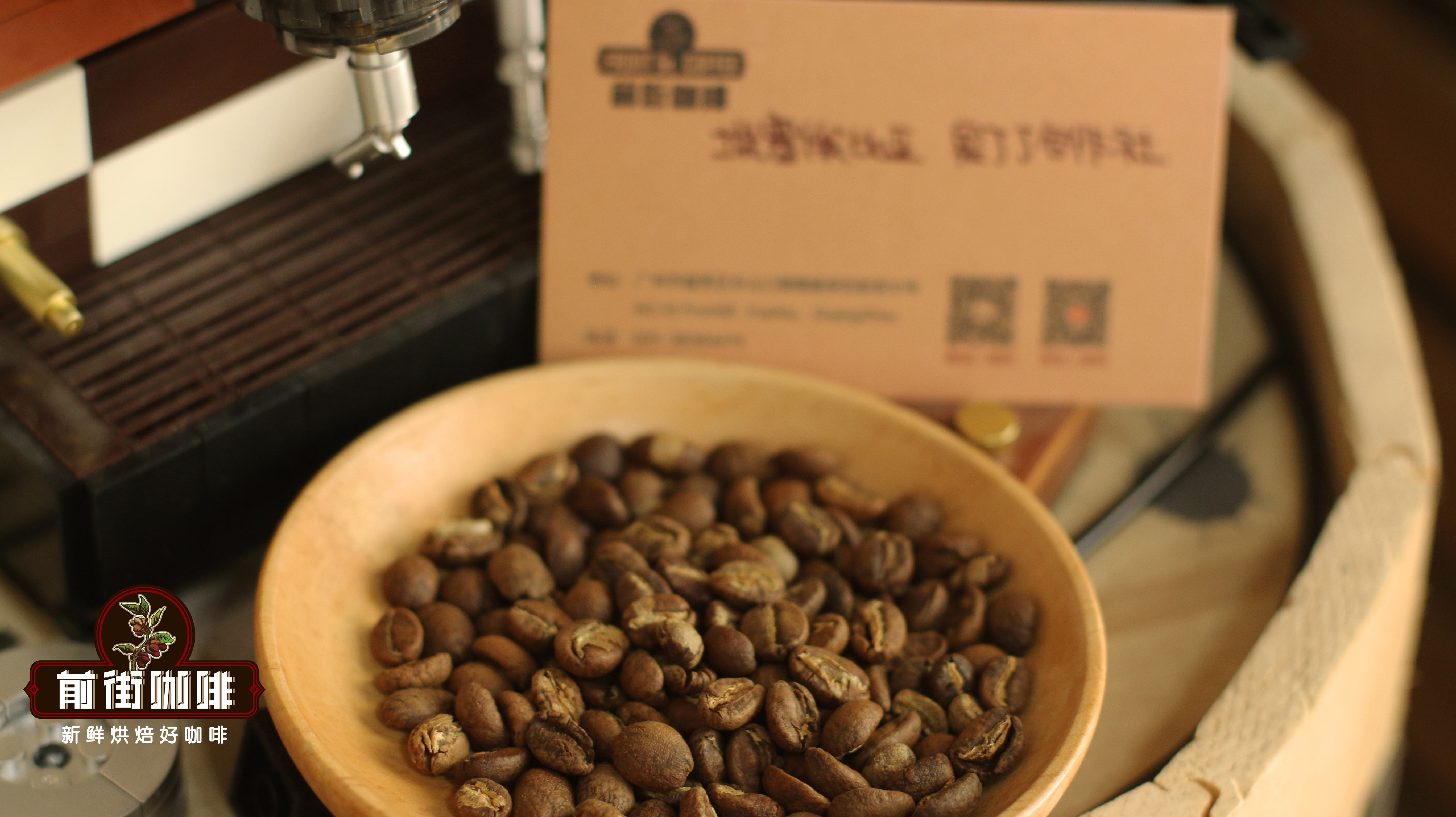
Front Street uses a three-pour method to hand-brew these three Yirgacheffe coffees. Front Street usually starts with a first pour of 30 grams of water for a 30-second bloom, followed by 95 grams (about 125 grams on the scale), finishing the pour in about 1 minute; when the water level drops to two-thirds of the coffee bed, pour the remaining 100 grams (about 225 grams on the scale), finishing in about 1 minute 35 seconds. Dripping finishes at around 2 minutes 10 seconds; remove the dripper and extraction is complete. Through comparison, Front Street found that Yirgacheffe Red Cherry has the highest overall sweetness, with a caramel and cream note in the aftertaste and a black tea aroma in the finish.
Konga beans present a juicy mouthfeel with bright acidity; after the temperature drops slightly, you can perceive berries, cream, smoothness, and citrus. The flavor performance of Yirgacheffe Natural Aricha coffee is: aromas of ripe fruit, with obvious fermented notes and green grape flavor on the palate; after a slight temperature drop, there is citric acidity and cream, and in the finish a grape juice-like quality emerges.

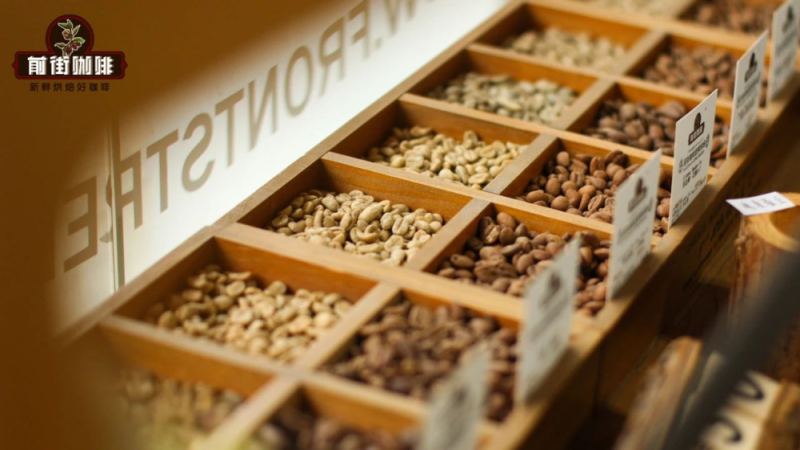
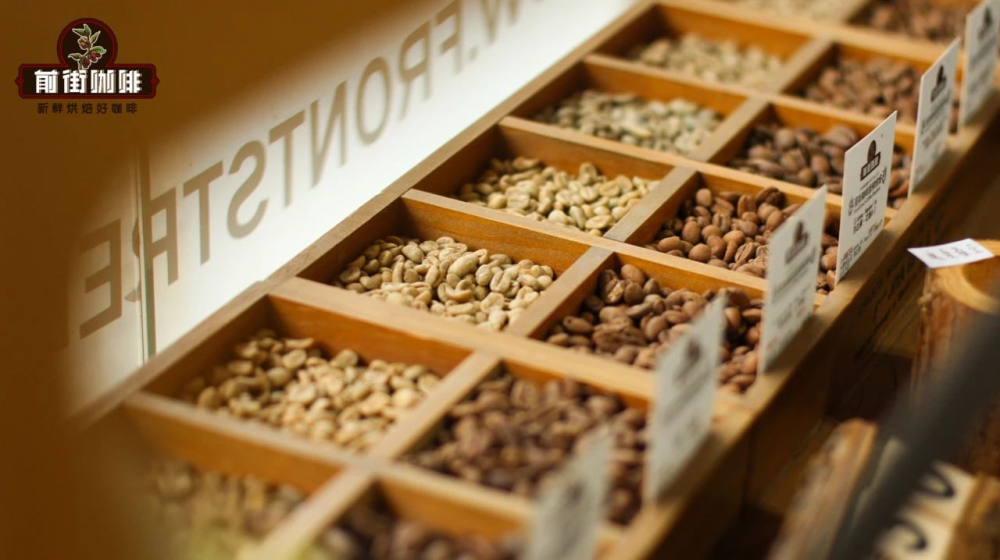
Front Street shares a little trick for distinguishing washed Yirgacheffe from natural Yirgacheffe beans. Usually you can start with the green beans: natural beans appear yellow-green in their green state, with more silver skin; washed beans appear blue-green, with less silver skin. This is because during washed processing the coffee beans soak in water for a long time, the silver skin separates from the beans, and when the parchment is finally removed, the outer silver skin is taken away as well, so washed green beans have very little silver skin remaining on the surface. Then you can distinguish them by the roasted beans: washed Yirgacheffe has more silver skin, while natural Yirgacheffe has less silver skin. The difference in flavor is equally striking: washed Yirgacheffe has lighter, more transparent acidity, while natural Yirgacheffe has more fermented character and sweet aroma.
Front Street believes that Yirgacheffe beans from these two processing methods each have their own merits. Washed Yirgacheffe has a cleaner mouthfeel and bright acidity; natural Yirgacheffe beans are more outstanding in juiciness and sweetness, and their aroma is relatively fuller. Therefore, when choosing Ethiopian Yirgacheffe beans, you can absolutely make your choice according to your own taste preferences.
The above content is compiled by CoffeeHunters, a coffee news website.


