







Search Results for: Coffee Brewing Safety

Moka Pot Brewing Details and Key Usage Points: Operation Methods, Safety Precautions, and Coffee Bean Selection Guide
To enjoy a rich cup of coffee at home, the moka pot is an extremely cost-effective choice. Although it cannot match the extraction pressure of a professional espresso machine, it can still brew a strong coffee liquid. This article will start with the origin and structure of the moka pot, gradually introduce the operating steps and safety details, recommend Front Street Coffee beans for different tastes, and finally answer the question of whether moka pot coffee can be called espresso. Master these techniques, and you too can easily brew a satisfying cup of moka pot coffee. [more…]
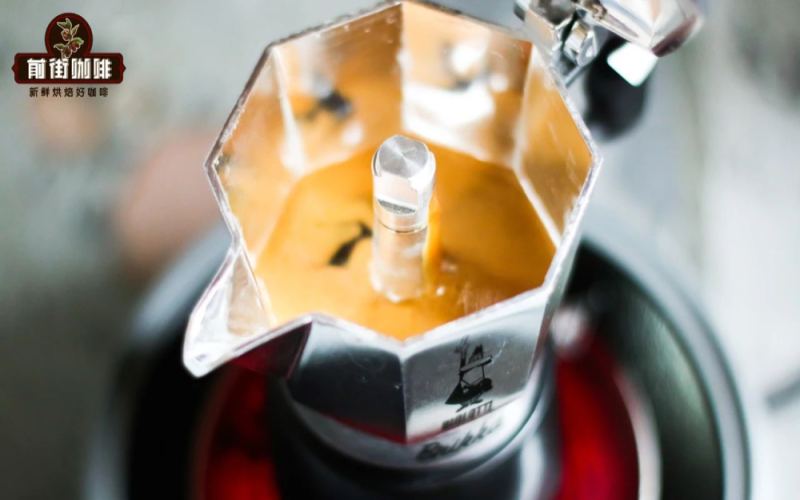
A Complete Guide to Moka Pot Brewing: From Structure and Principles to Operating Details and Safety Tips
The moka pot is a common coffee device in Italian households, using pressure extraction to produce rich coffee. From the perspective of Front Street, this article systematically introduces the moka pot's structure and working principle, suitable coffee beans and grind size, specific operating steps, and key precautions in daily use. The article also particularly recommends Front Street specialty blend and classic blend coffee beans to help readers achieve ideal flavor with a moka pot. Whether you are a beginner or an advanced enthusiast, you can find practical references here. [more…]
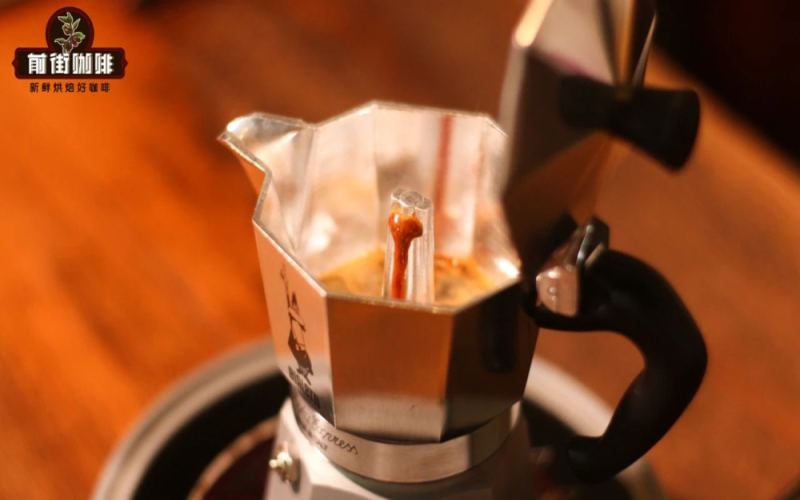
Moka Pot Aluminum Safety Analysis: A Complete Guide to Cleaning Taboos and Practical Operation Tips
As a classic coffee brewing device with a history of several hundred years, the moka pot is still favored by many coffee enthusiasts today. However, questions about whether it is safe, whether the aluminum alloy material poses any problems, and whether it can be put in the dishwasher for cleaning have long troubled many people. In daily conversations, Front Street has found that many friends have misconceptions about the moka pot, believing that it is complicated to use and poses safety hazards. In fact, as long as you master the correct methods of use and the key points of cleaning and maintenance, the moka pot can absolutely become a capable assistant for making coffee at home. Starting from the structure and principles of the moka pot, this article will analyze in detail the safety issues of aluminum moka pots, and compile more than ten practical operating precautions to help everyone avoid common misunderstandings and safely enjoy the rich coffee brought by the moka pot. [more…]
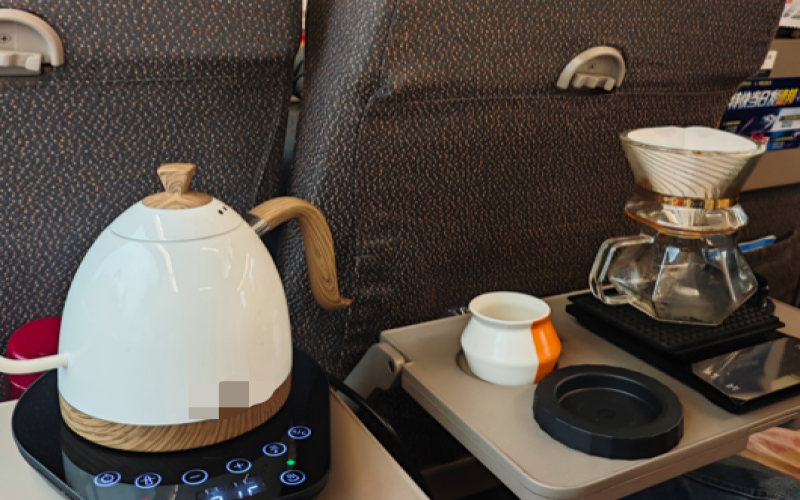
Brewing pour-over coffee with an electric kettle on a high-speed train sparks heated debate — how much do you know about the safety hazards?
During the Spring Festival return travel peak, a netizen on a high-speed train was approached by the young man sitting next to them, who surprisingly pulled out a full set of coffee equipment and used the tray table to boil water and make pour-over coffee. This romantic and novel experience quickly sparked heated discussion online, and the young man himself also posted a response, leading netizens to jokingly call it a "high-speed rail idol drama." However, beyond the gossip and fun, many users pointed out that the power outlets in high-speed train cars have limited wattage, so using a high-power electric kettle carries a risk of overloading, and the train's power supply is unstable, which may damage equipment, or even cause scalding if hot water is spilled when the person in front adjusts their seat. Coffee is good, but safety matters more. [more…]

Can You Still Drink Expired Coffee Beans? A Full Guide to Peak Flavor, Safety, and Creative Reuse
Bought too many coffee beans and can't finish drinking them, or for various reasons they've been left sitting too long, and before you know it, they've passed their optimal flavor period, or even exceeded their shelf life. Can these coffee beans still be consumed? How will the flavor change? What exactly is the difference between shelf life and optimal flavor period? If they can no longer be consumed, what practical secondary uses are there? Based on Front Street's practical experience, this article systematically sorts out the timeline of coffee beans from optimal flavor period to shelf life, answers the safety of expired coffee, and shares waste utilization tips for multiple scenarios such as practice, cleaning, skincare, and deodorizing, helping you properly handle those coffee beans that are no longer fresh. [more…]
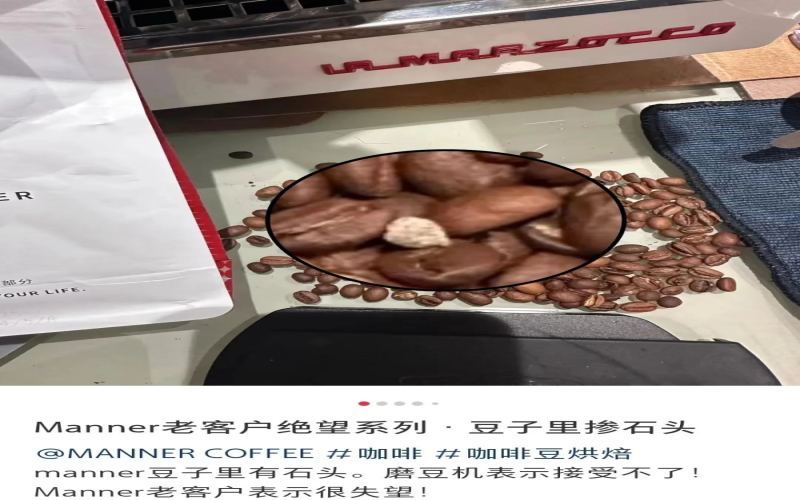
Manner Coffee Beans Found Contaminated with Small Stones Spark Debate: An Analysis of the Brand's Screening Process and Grinder Safety Hazards
Recently, a consumer reported on social media that a small stone was unexpectedly found in the Manner coffee beans they had purchased. Fortunately, they spotted it in time while pouring the beans, preventing it from entering the grinder and causing damage. Although Manner's customer service explained that coffee beans are an agricultural product and defects are inevitable during processing, and emphasized that professional equipment is used to screen out foreign objects during production, this response did not fully satisfy the customer. This incident has also drawn attention among coffee enthusiasts to grinder safety issues—small stones not only affect food safety but can also cause serious damage to the burrs. So, from green beans to roasted beans, how many rounds of screening does coffee actually go through? And how do brands like Front Street Coffee control quality? [more…]
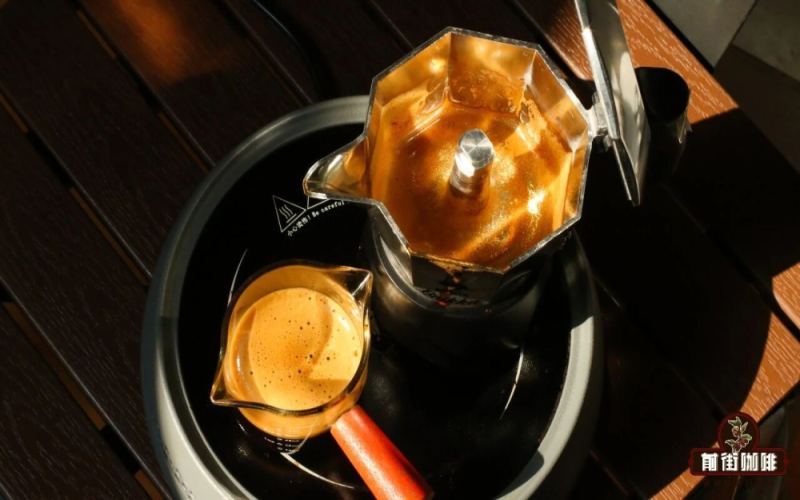
Complete Moka Pot Coffee Brewing Tutorial: Extraction Principles, Step-by-Step Operation, Bean Selection Tips, and Safety Points
Today, with pour-over, siphon, and high-end espresso machines dominating the scene, the moka pot is often labeled as old-fashioned and hard to control. But Front Street Coffee has noticed that, with the spread of home espresso equipment, many enthusiasts are beginning to re-examine this small device that also relies on pressure extraction. This article starts with the structure and working principle of the moka pot, explaining why it was once overlooked and why it has returned to home coffee scenarios, and offers bean selection and grinding advice, a specific process for making milk coffee, as well as safety precautions such as water level control, flow rate judgment, and preventing over-extraction. Whether you have just gotten a moka pot or want to use it more steadily, you can find actionable references in this article. [more…]
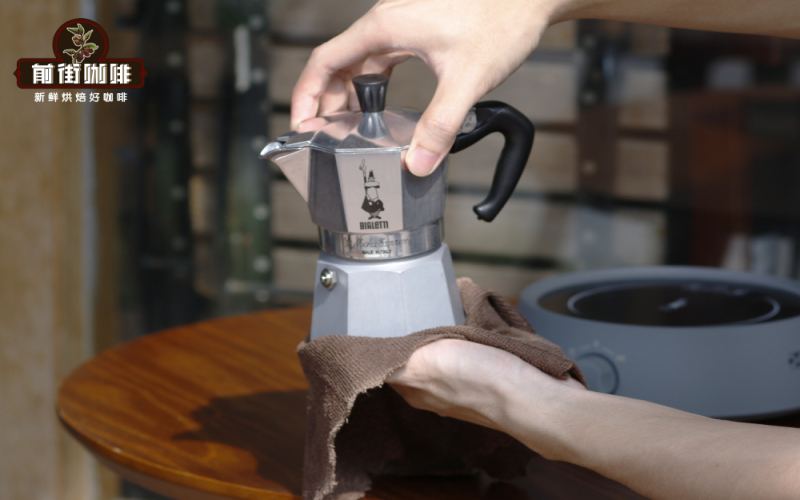
Moka Pot Safety Analysis and Correct Usage: A Complete Guide to Open-Flame Heating, Grind Size, Coffee-to-Water Ratio, and When to Turn Off the Heat
The moka pot is a staple piece of equipment in many coffee lovers' homes, but there are also plenty of questions surrounding it: Are there safety hazards? Can it be heated directly over an open flame? And how should it be operated correctly to brew a rich cup of coffee? Starting from the actual confusion of Front Street fans, this article systematically sorts out the moka pot's structural principles, the differences between single-valve and double-valve models, and capacity selection, and explains in detail the key points of coffee bean selection, grind size control, coffee-to-water ratio, heating method, and timing for turning off the heat. The article also recommends three coffees suitable for the moka pot—Front Street Coffee's specialty blend, Queen's Estate Yellow Bourbon, and Indonesian PWN Golden Mandheling—for readers to consider when purchasing. [more…]
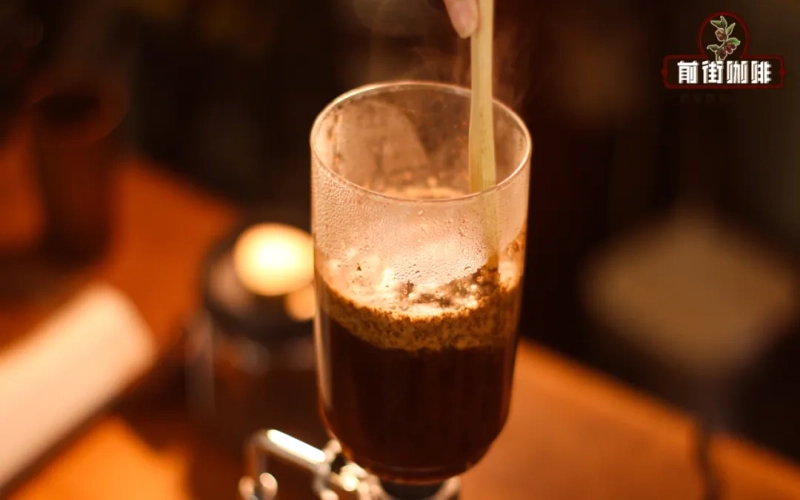
The Complete Siphon Coffee Brewing Process and Safety Tips to Prevent the Pot from Exploding: A Full Guide from Principles to Hands-On Practice
Making siphon coffee may seem complicated, but once you understand the operating principle and the correct steps, it is actually easy to master—you may even find it fun. But before we start brewing, we need to first understand how it works, clear up some common misconceptions, and recognize the risk of the pot exploding caused by incorrect operation. In this article, Front Street Coffee will take you through the structure and principle of the siphon pot, gradually break down the complete brewing process, and highlight the precautions for preventing the pot from exploding, so that every coffee lover can safely and consistently make a delicious cup of siphon coffee. [more…]

A JD rider entered a Bawang Chaji bar counter to help with packing, sparking heated discussion among netizens over food safety regulations.
Yesterday, the topic of "the first cup of milk tea in autumn" sparked widespread attention on social platforms, with orders at chain tea beverage brand stores surging, and some stores surpassing a thousand cups in sales within a short period. Under the pressure of the order surge, a scene appeared at a Certain Tea store where a JD delivery rider entered the bar area to assist with packing. After the video circulated, it triggered polarized discussions among netizens. Some praised the rider's goodwill in proactively helping, while others questioned whether non-store employees entering the operation area complies with food safety regulations. Surrounding bar operation permissions, health certificate requirements, and store management systems, various viewpoints clashed, and the incident quickly became a hot topic of discussion. [more…]
Complete Guide to Brewing Coffee with a Moka Pot: Extraction Principles, Operating Steps, and Safety Points
In an era when specialty coffee is all the rage, the moka pot, a simple household device, still has a loyal following. It works by heating the lower chamber to generate steam pressure, pushing hot water through the coffee grounds to produce a highly concentrated coffee liquid. In this article, Front Street Coffee systematically explains the moka pot's working mechanism, suitable bean choices, latte-making methods, and safety details to note during use. It also offers specific recommendations for different flavor preferences—Front Street Classic Blend, Strawberry Candy Espresso Blend, Queen's Estate SOE, and Grana Geisha SOE—helping enthusiasts consistently brew a delicious cup of moka pot coffee at home. [more…]
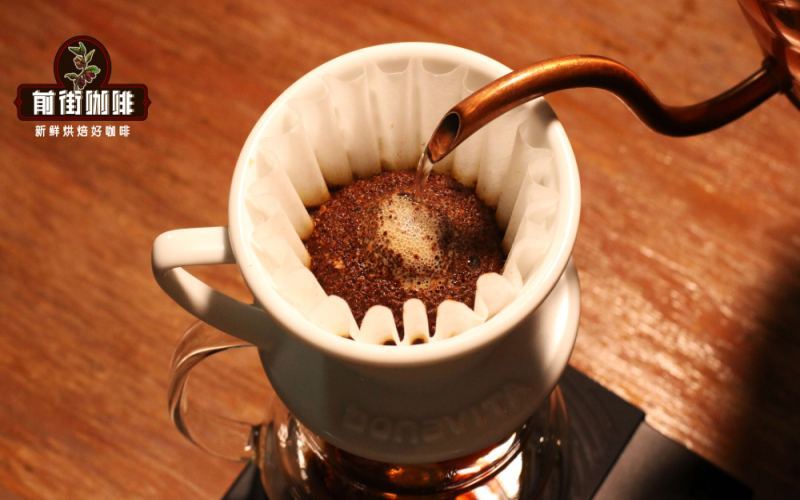
Analysis of the Three Major Decaffeination Processes for Decaf Coffee: Flavor and Safety Comparison of Solvent Extraction, Swiss Water Process, and Carbon Dioxide Method
Caffeine content is influenced by multiple factors such as bean variety, grind size, and brewing method, and drip coffee often has higher caffeine than Espresso. For those who want to reduce their intake without giving up a rich mouthfeel, decaf coffee is an ideal choice. This article explains in detail three mainstream decaffeination processes—methylene chloride solvent extraction (direct and indirect), the Swiss Water Process, and carbon dioxide extraction—analyzes their respective effects on flavor and safety, and specifically explains Starbucks decaf coffee's two processing paths and the issue of residual solvents. At the end is information on how to obtain Front Street Coffee specialty beans, making it suitable reading for coffee lovers who value health while pursuing flavor. [more…]
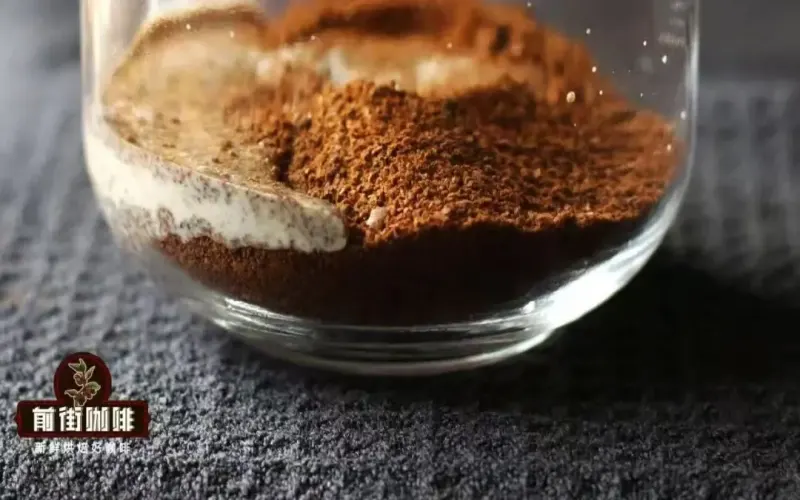
Complete Guide to Making Milk-Brewed Coffee: Food Safety, Coffee Bean Selection, and Filtration Methods Explained
Milk-brewed coffee, which uses milk instead of water to brew coffee by the cold brew method, makes it easy to produce a cup of rich, flavorful milk coffee, and has recently been highly recommended by bloggers. But many enthusiasts still have quite a few misunderstandings and questions about making it. In this article, Front Street will focus on three core points about milk-brewed coffee: first, emphasize food safety—milk easily breeds bacteria, so attention must be paid to sterilizing containers, making small batches, and drinking it promptly; second, explain the choice of coffee beans—because milk extraction efficiency is low, it is recommended to give priority to beans with strong flavors or dark roasts, such as Front Street PWN Golden Mandheling, Front Street Strawberry Candy · Geisha Blend, etc.; finally, analyze the filtration problem—filter paper is too slow, so tools such as tea bags can be used instead, but cleanliness will decline somewhat. The full text aims to help everyone avoid pitfalls and make a delicious cup of milk-brewed coffee. [more…]
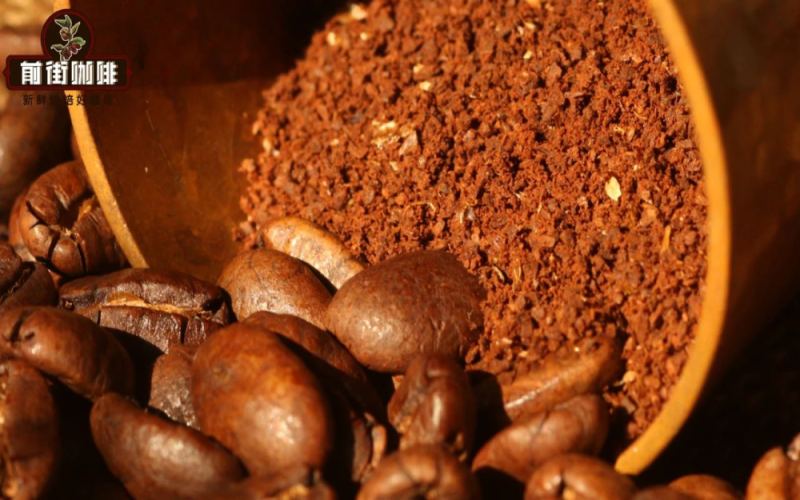
Can You Still Drink Expired Unopened Ground Coffee? Flavor Changes and Three Eco-Friendly Ways to Reuse It
Many coffee enthusiasts have encountered this dilemma: they impulsively bought too many coffee beans, or for various reasons delayed drinking them, only to find that the beans have passed their optimal flavor period. So, can unopened expired ground coffee still be consumed? How will the flavor change? This article will analyze the safety of drinking expired ground coffee from the perspectives of food safety and flavor performance, and share brewing adjustment plans for stale coffee beans. In addition, if the coffee has passed its shelf life, we will also introduce three practical and eco-friendly ways to reuse it, so that every coffee bean can be put to good use. [more…]
Moka Pot Brewing Principles and Coffee Bean Selection Guide: How to Make Espresso That Isn't Bitter and Is Rich in Crema
With its affordable price and rich output, the moka pot has become the choice of many coffee lovers looking to recreate espresso flavors at home. But the pressure of a moka pot is far lower than that of a professional espresso machine—can the coffee it brews really be called espresso? And what beans should you choose to avoid bitterness? Drawing on Front Street Coffee's hands-on experience, this article sorts through the moka pot's structure and principles, its steps for use, and key safety points, and recommends beans such as Front Street Classic Blend, Strawberry Candy Espresso, and Brazil Queen's Estate for different taste preferences, helping you find the cup that suits your moka pot. [more…]
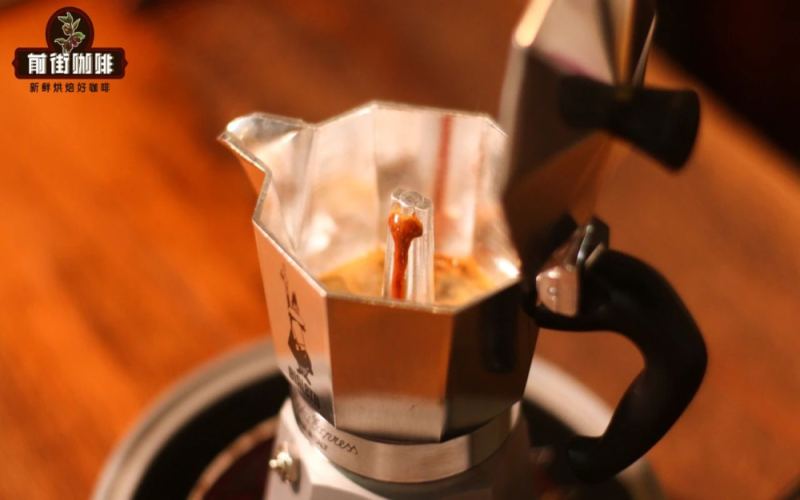
Moka Pot Crema Extraction Techniques: Choosing a Blend or Single-Origin Bean, Front Street Coffee's Full Step-by-Step Guide to Brewing a Latte
The moka pot is compact and easy to use, capable of brewing rich coffee, but many enthusiasts find at home that the crema is thin, far inferior to espresso. This article starts from the moka pot's structure and extraction principles, explains the conditions for crema formation, compares the suitable scenarios for espresso blends and single-origin beans, and recommends Front Street Coffee's classic espresso blend and the Queen's Estate Brazil single-origin beans. It then details Front Street Coffee's moka pot latte brewing steps and safety precautions, helping you consistently extract thick crema at home and make a rich, fragrant latte. [more…]
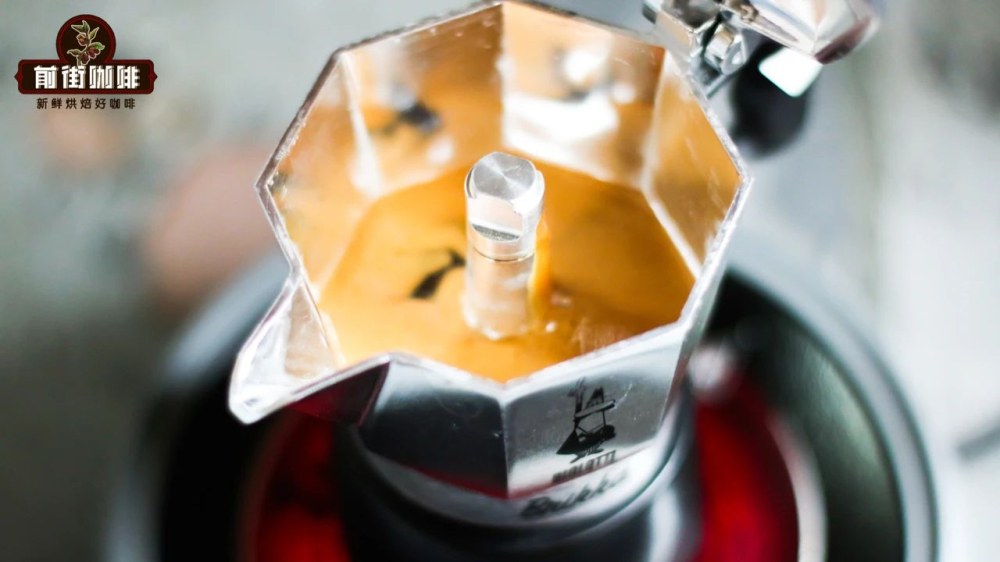
Home Coffee Brewing | Is it safe to make coffee with a Moka pot? What are the steps for making black coffee with a Moka pot? What precautions should be taken when using a Moka pot?
Today, Front Street Coffee will introduce you to this moka pot that is popular in Italian households. Europeans do not call this kind of pot a moka pot, but rather an Espresso Pot. Judging by this name alone, the coffee made by a moka pot is truly Espresso, though its extraction is [more…]
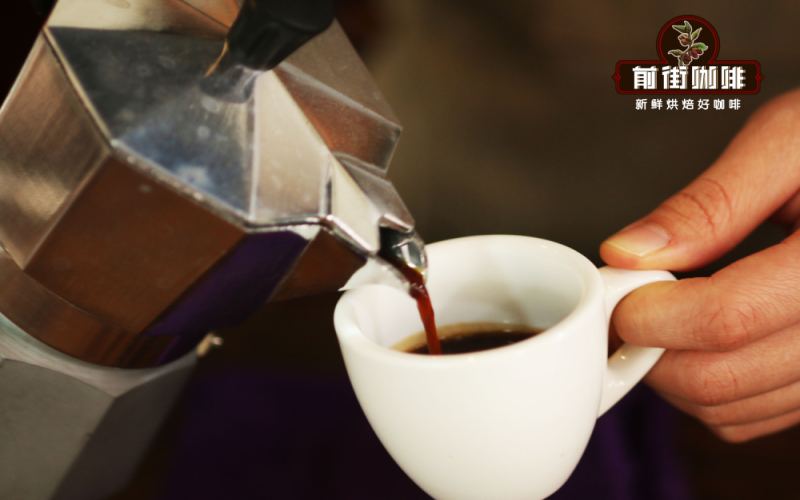
How to Brew Stronger, More Aromatic Moka Pot Coffee? A Guide to Choosing Cocoa-Flavored Coffee Beans and Key Brewing Points
With its convenient operation and rich flavor, the moka pot has become the go-to choice at home for many coffee lovers. However, consistently brewing a delicious cup of moka pot coffee is not simply a matter of "adding water, adding grounds, and heating it up." From understanding how a moka pot works, to choosing the right coffee beans, to mastering grind size and safety details, every step affects the final flavor. This article will walk you through the moka pot's usage methods, pros and cons, and recommendations for coffee beans with cocoa notes, including Front Street Classic Blend, Commercial Blend, Brazil Queen's Estate, and PWN Golden Mandheling, helping you avoid common pitfalls and easily brew a cup of moka pot coffee that is rich in oils, full-bodied, and smooth. [more…]
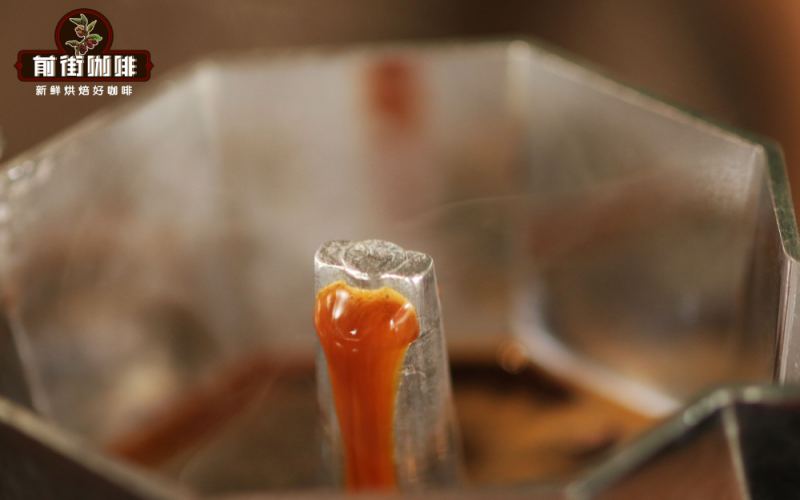
Moka Pot Coffee Grind Size | Comparison of Grind Size Differences Between American Coffee Maker and Espresso Grind and Moka Pot Coffee Grind Settings
Experienced coffee enthusiasts are deeply impressed by the espresso at cafés—rich crema, beautiful latte art patterns—every detail draws coffee lovers to dive into the world of espresso. Making it is easy, but the machines are expensive. Compared to espresso machines that start at tens of thousands, a moka pot costing just over a hundred [more…]
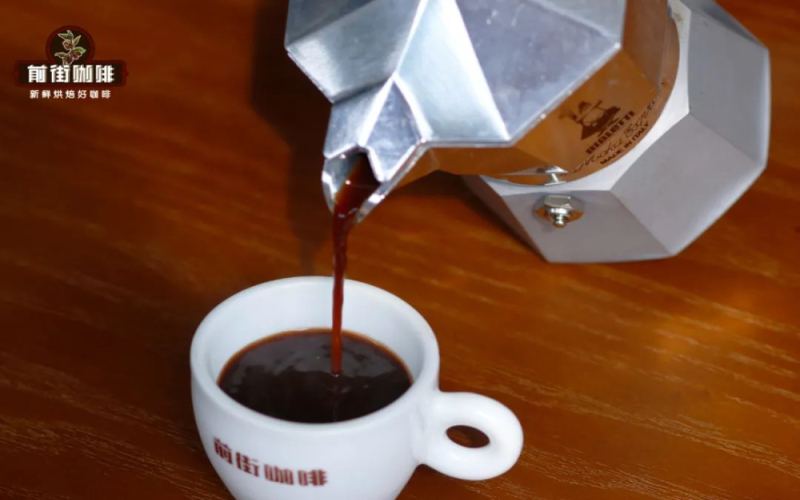
How long does it take to brew coffee with a moka pot? A detailed explanation from principles to operation of extraction time and techniques
The moka pot, with its simple structure and pressure-enhanced extraction, can make a rich, crema-laden cup of coffee at home. But how long does it actually take to brew coffee with a moka pot? There is no fixed number of seconds—the key lies in heat control and observing the flow of the brew. Starting from the Bialetti 3-cup moka pot used at Front Street Coffee stores, this article explains in detail every step: adding water to the bottom chamber, choosing the grind size, filling the filter basket, and operating the heat, while outlining an extraction rhythm of about 3 to 4 minutes. It also shares safety precautions for daily use, cleaning and maintenance methods, and why medium-dark roasted espresso blend beans are better suited to the moka pot. [more…]