







Search Results for: Rich
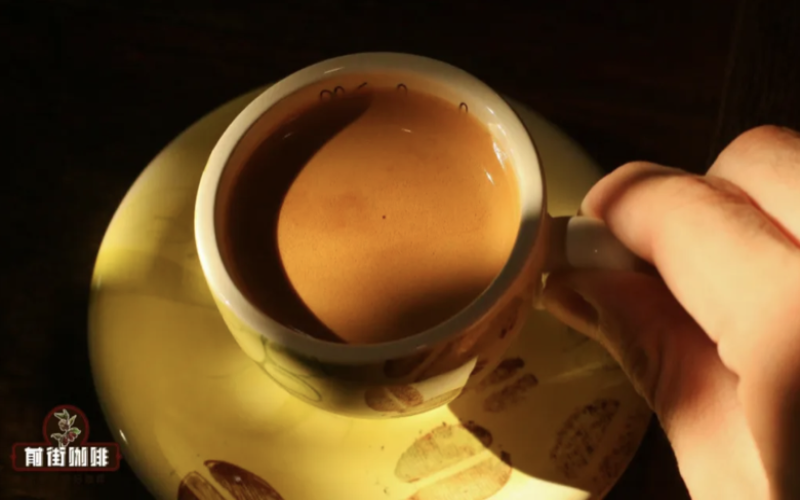
Rich and Oily Regions Beyond Mandheling: These Origins Also Deliver
When it comes to rich, creamy body, many people first think of Mandheling. Mandheling is indeed a representative of full-bodied richness, but in the world of specialty coffee, it isn't the only region known for beans with abundant oils. Understanding the oil expression of beans from different regions allows you to move beyond the Mandheling framework when selecting beans, giving you a richer set of choices. Mandheling is full-bodied and oil [more…]
Regions for Rich and Thick Crema: Beyond Mandheling, There Are These
When it comes to coffee beans with rich, creamy body, many people first think of Mandheling. Indeed, Indonesian Mandheling is the representative of the rich and creamy style, but if you want to drink rich, creamy coffee, the producing regions to choose from are not limited to this one. Brazil, Papua New Guinea, and Jamaica each have their own expressions of richness and creaminess, and they are all worth trying one by one. Indonesia is a stronghold of the rich and creamy style. Sumatran [more…]
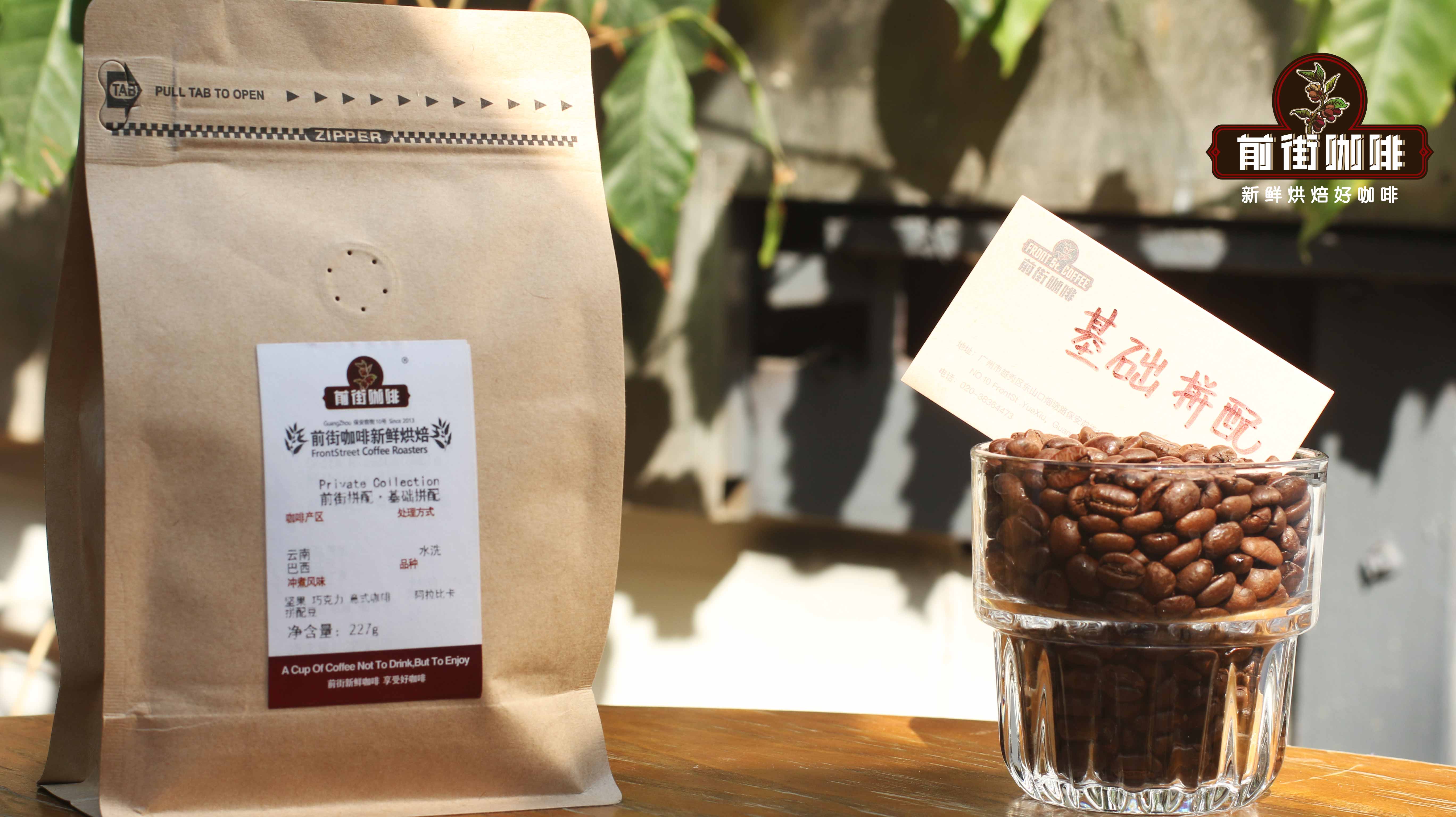
Ristretto|What is the difference between espresso and ristretto? Which intensely rich, low-acid espresso blend coffee beans are recommended?
As time goes on and you drink more coffee, some people gradually seek out intensely rich espresso, and are no longer satisfied with just buying an Americano at a café—instead, they want to make it themselves. So what does it take to make a cup of espresso that is both richly aromatic and highly concentrated? 1. The coffee beans must be fresh enough for a perfect cup. [more…]

Espresso Beans | Blends vs. SOE Single-Origin for Espresso? Recommended Specialty Coffee Beans with Rich Crema for Home Espresso Machines
What are blended beans? They are made by mixing coffee beans from different countries or regions, and they generally appear in espresso. The counterpart to blending is single-origin coffee, also called SOE, which has a clear style when drunk, mostly dominated by fruity acidity. Italian-style blends, on the other hand, because they combine coffee from multiple places, [more…]
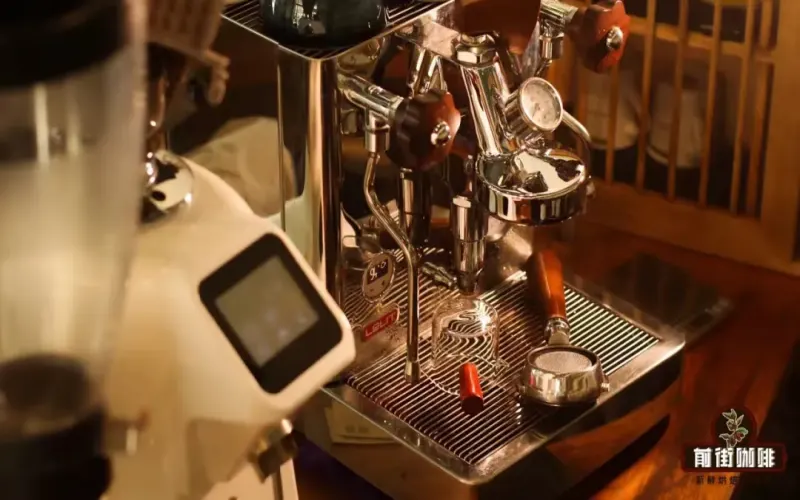
A Guide to Espresso Bean Types: How to Choose Espresso Beans That Are Not Sour and Have Rich Layers
Espresso is beloved for its rich flavor and that layer of golden-brown, dense crema, and choosing the right coffee beans is the key to success. Due to the characteristics of pressurized espresso machines, medium to dark roast beans offer a higher success rate in preparation, while avoiding the acidity issues of light to medium roasts. If you want an espresso that isn't sour and has well-defined layers, a high-quality espresso blend is the ideal choice—it provides rich aroma and balanced taste while making the extraction process more stable. This article will guide you through the logic of classifying espresso beans and recommend two standout Front Street Coffee blend products: Front Street Coffee Strawberry Candy Espresso and the Classic Blend, helping you easily find your preferred flavor. [more…]
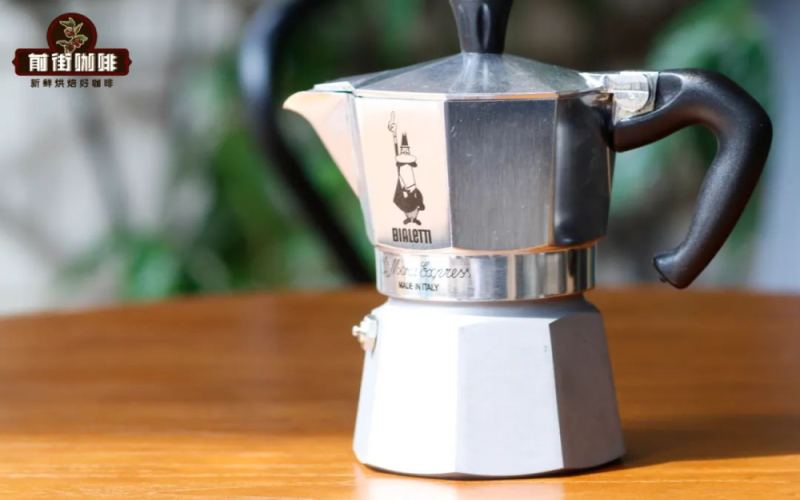
Moka Pot Coffee Brewing Ratios and Operational Details: How to Avoid Sourness and Extract a Rich Flavor
The moka pot, with its iconic design and the convenience of making strong coffee at home, is becoming increasingly popular among domestic coffee enthusiasts. But to brew a cup that isn't sour, is rich and full of aroma, there are finer points to master: the coffee-to-water ratio, grind size, and heat control. This article starts with the moka pot's three-part structure, explains its pressure-extraction principle and how it differs from espresso, then gives specific steps: how much water to put in the bottom chamber, how fine to grind the coffee, how much to fill, when to lower the heat, when to turn off the heat, and what makes a dual-valve pot special. It also pairs five Front Street Coffee beans suitable for the moka pot to help you choose the right medium-dark or dark roast coffee and easily achieve a low-acid, rich flavor. [more…]
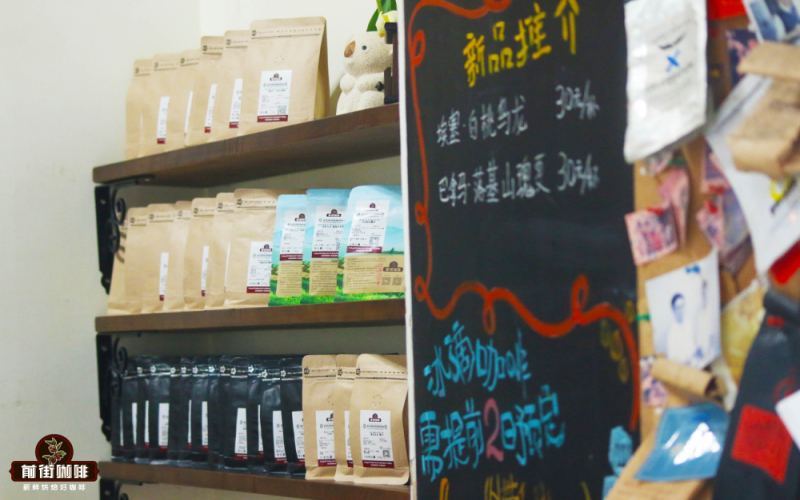
How to Describe Coffee Flavors? A Comprehensive Analysis of Flavor Characteristics of Major Coffee-Producing Countries and Regions Worldwide
Even coffee from different plots within the same estate can vary in flavor, let alone regions spanning different countries. The three major specialty coffee regions—Asia, Africa, and the Americas—each display distinctly different regional characteristics due to their unique terroir. Ethiopia's floral and citrus notes and the rich, full-bodied character of Asian coffees each have their own following. When recommending single-origin beans to customers, Front Street Coffee matches them based on taste preferences—those who prefer acidity can choose Front Street Kenya Small Tomato or Front Street Yirgacheffe, while those who enjoy a full-bodied cup can try Front Street Jamaica Blue Mountain or Front Street Golden Mandheling. Front Street currently offers more than 200 specialty coffee beans, and every bean has undergone repeated roasting tests and cupping screenings, only being recommended to consumers after confirming it is representative of its region. The following content is a coffee flavor guide compiled by Front Street after multiple rounds of roasting and cupping of common coffee regions around the world. [more…]
Brewing Guide for Full-Bodied Coffees Like Mandheling: How to Avoid Bitterness and Achieve a Rich Cup with Dark Roasts
The Indonesian producing regions, represented by Mandheling and Kopi Luwak, captivate many coffee enthusiasts with their rich, heavy, and bitter style. But what exactly determines a coffee's body? From variety, altitude, and processing method to roasting and brewing, every step influences the final mouthfeel. Starting from the definition of body, this article sorts out the key factors affecting coffee body and provides bean list references for medium-dark and medium-light roasts, including Front Street Coffee Lindong Mandheling and Front Street Coffee Blue Mountain No. 1. Finally, it focuses on how dark-roasted beans, through flannel filter cloth and Japanese brewing techniques, can preserve the oily mouthfeel while avoiding burnt bitterness. [more…]
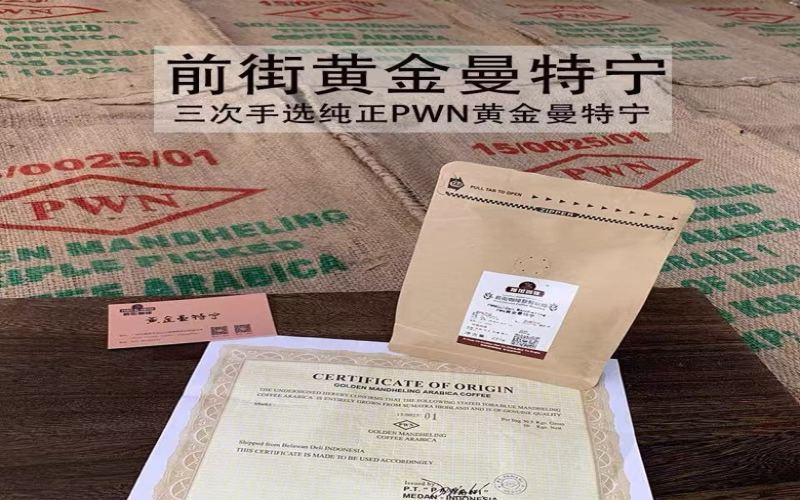
Rich and Syrupy Body: Regions Beyond Mandheling
For a rich, full-bodied taste and a beautiful crema, many people's first choice is Mandheling. Mandheling is indeed the representative of the full-bodied style, but it's far from the only origin that offers that rich body and crema—getting to know a few more directions will give you a much wider range of choices. First, let's look at Mandheling. Sumatra Mandheling from Indonesia is the long-established representative of the full-bodied style—Front Street PWN Indonesia [more…]
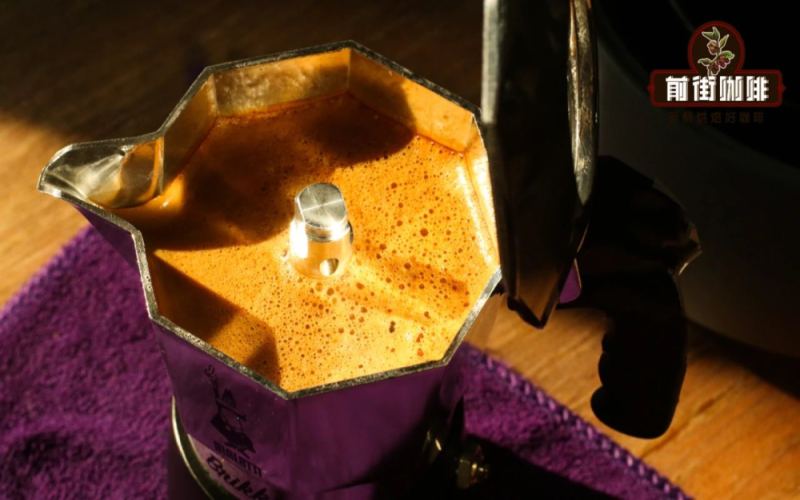
Can a Moka Pot Produce Rich Crema? Bialetti Brewing Tips and Coffee Bean Recommendations
Many coffee enthusiasts often confuse mocha coffee with the moka pot. In fact, the former is a beverage made by mixing latte with chocolate sauce, while the latter is a small, portable, and affordable espresso extraction device. The moka pot can produce coffee similar to espresso using its simple structure, and the surface often carries a layer of aromatic crema. To extract rich Crema with a Bialetti moka pot, the key lies in three points: the coffee beans must be fresh, the roast level should be medium-dark, and the grind size must be just right. This article revolves around these three elements, recommending Front Street Coffee's Classic Italian Blend, Basic Italian Blend, and Brazil Queen's Farm SOE, along with complete Bialetti moka pot operating steps to help you easily recreate café-level rich coffee at home. [more…]
Flavor Characteristics of Major Coffee Regions Around the World: A Guide to Tasting Profiles and Mouthfeel from Africa to the Americas
Even different plots within the same estate can produce coffees with distinct flavors, let alone major regions spanning continents. The three great specialty coffee belts—Asia, Africa, and Central & South America—nurture vastly different flavor profile characteristics due to terroir differences: Ethiopia's floral and citrus notes, Indonesia's rich herbal undertones, and Central America's balanced chocolate character, each with its own following. Before deciding to put a coffee on the shelf, Front Street Coffee repeatedly roasts and cups samples from each region, selecting the most representative lots before recommending them to consumers. This article systematically organizes the flavor characteristics and taste descriptions of major coffee-producing countries worldwide, covering Ethiopia and Kenya in Africa; Indonesia and India in Asia; Guatemala, Costa Rica, and Panama in Central America; and Colombia and Brazil in South America, providing coffee lovers with a complete flavor profile reference. [more…]
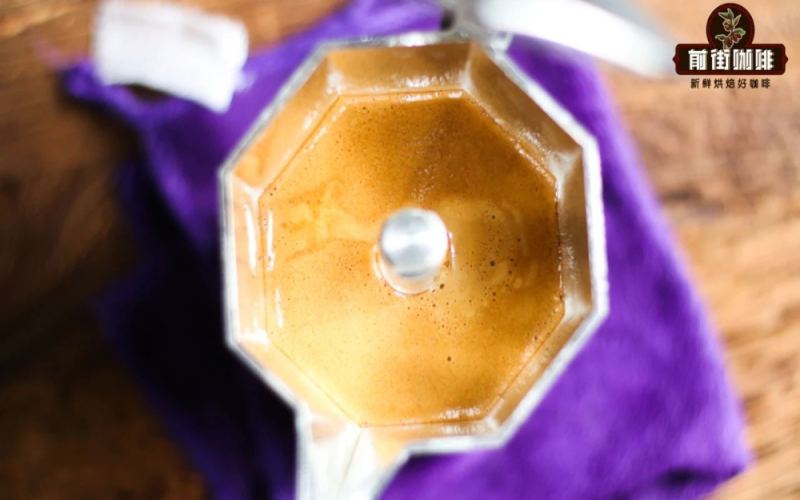
An In-Depth Analysis of the Moka Pot Extraction Principle: A Complete Guide to the Pressure Mechanism, Everyday Bean Pairings, and Operational Details
With its simple operation and rich output, the moka pot has become the top choice for many coffee enthusiasts just getting started. This article starts from the moka pot's pressure-extraction principle, compares it with espresso machines, explains in detail the suitable dark-roast espresso blend bean choices, and fully presents five everyday beans recommended by Front Street Coffee, along with moka pot operating steps and precautions, to help you consistently extract rich coffee with crema aromatics. [more…]
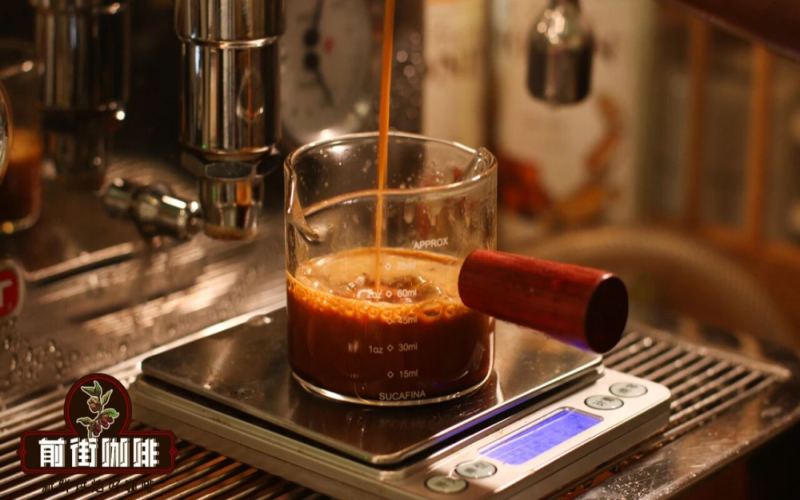
Home Espresso Coffee Buying Guide | Which coffee beans make rich espresso without bitterness? Recommendations for high-quality commercial espresso beans with rich crema, great taste, and good value
Espresso is mostly made with blended beans, because espresso made from typical single-origin coffee beans may taste less mellow and have a sharp acidity—even with milk or sugar added, it will still taste sour. In addition, because coffee beans are an agricultural product, they will more or less vary from year to year, so the coffee produced [more…]
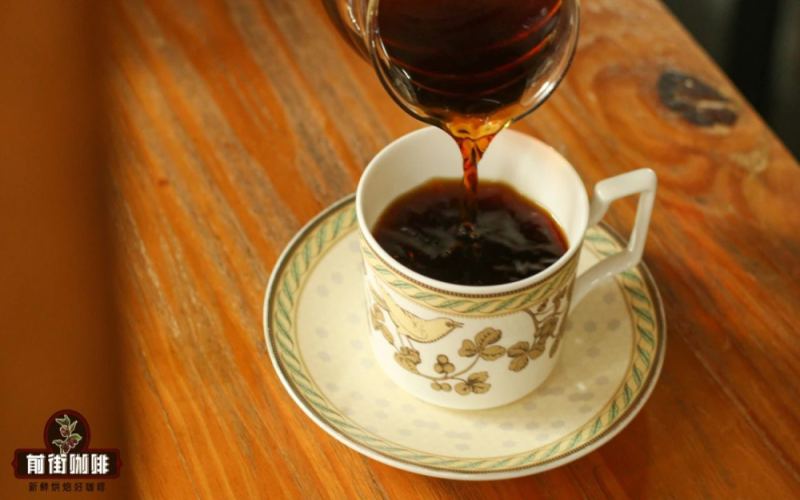
Rich-Bodied Coffee Beans Recommendation | What Does "Body" Mean in Pour-Over Coffee? How to Brew Coffee with a Rich Body? Which Hand-Ground Coffee Beans Have a Noticeable Sweet Aftertaste?
When evaluating whether a cup of coffee is good, Front Street believes that in addition to its flavor evaluation, we should also pay attention to its mouthfeel. Flavor mainly "serves" our sense of taste and smell, while mouthfeel "serves" our sense of touch. This texture is actually what we call the coffee's Body. When evaluating a cup of coffee's Body [more…]
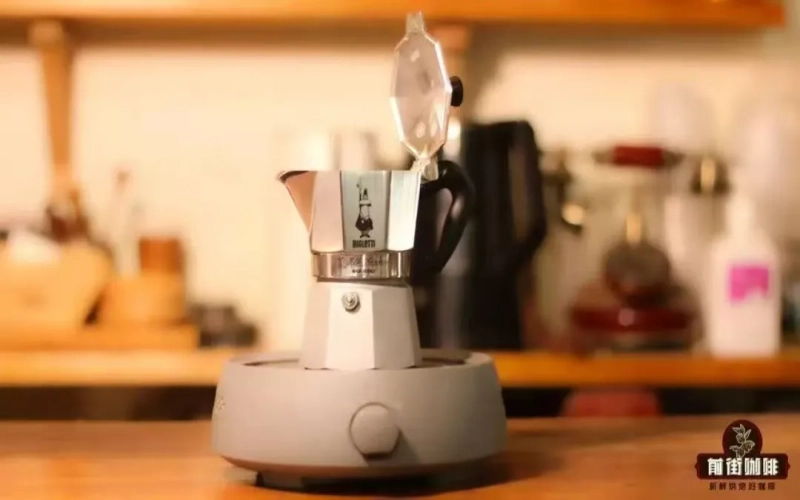
Can a Moka Pot Make a Rich and Creamy Latte? A Practical Guide to Parameter Adjustment and Milk Ratios
Many coffee enthusiasts see the moka pot as a budget-friendly alternative to an espresso machine, hoping to use it to make a rich, aromatic latte. In practice, however, they often find that the result tastes thin and watery, far from the rich, milky coffee drinks served in cafés. The root of the problem lies in two things: the moka pot's extraction pressure is far lower than that of an espresso machine, and the standard parameters are only suited to making black coffee. This article will explain in detail how to increase the strength of moka pot coffee by adjusting the water amount, grind size, and extraction time, and will provide specific ratios and step-by-step instructions for pairing it with milk, helping you easily make a smooth, delicious moka pot latte at home. [more…]
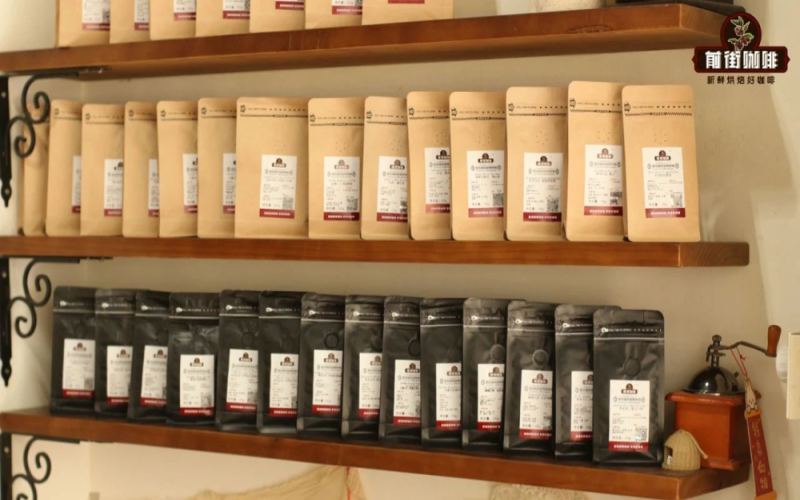
Moka Pot Single-Origin Bean Recommendations | How to Make Rich, Long-Lasting Crema with a Moka Pot? How Should Beginners Choose Everyday Coffee Beans for a Moka Pot?
Most of my friends are loyal fans of espresso. Compared with the light, fresh taste of pour-over single-origin coffee, they prefer coffee that is deep and rich, so they put a coffee machine on their shopping list early on! But unfortunately, semi-automatic coffee machines are too expensive, so after doing some research, they chose the cost-effective [more…]
Recommended Moka Pot Coffee Beans with Rich Crema: Balancing Budget and Drinking Frequency
To understand the flavor-rich moka pot coffee beans, you need to translate flavor descriptions into sensations you can actually taste. For everyday bean buying, consider how quickly you'll drink them, how much to buy at once, and whether you mainly make black coffee or milk coffee at home. Floral, fruity, nutty, and cocoa notes aren't about better or worse—they're just different directions, and the one that suits you is the one that [more…]

Rich-Crema Coffee Bean Recommendations: Balancing Budget and Drinking Frequency
Coffee beans with rich crema are best judged by gradually building up your taste experience. When buying beans for daily use, you need to consider how quickly you'll drink them, how much to buy at a time, and whether you mainly make black coffee or milk-based coffee at home. The flavor words on the packaging can offer clues, but they can't replace the actual drinking experience—whether the acidity is mellow, whether the sweetness lingers, whether the mouthfeel is [more…]
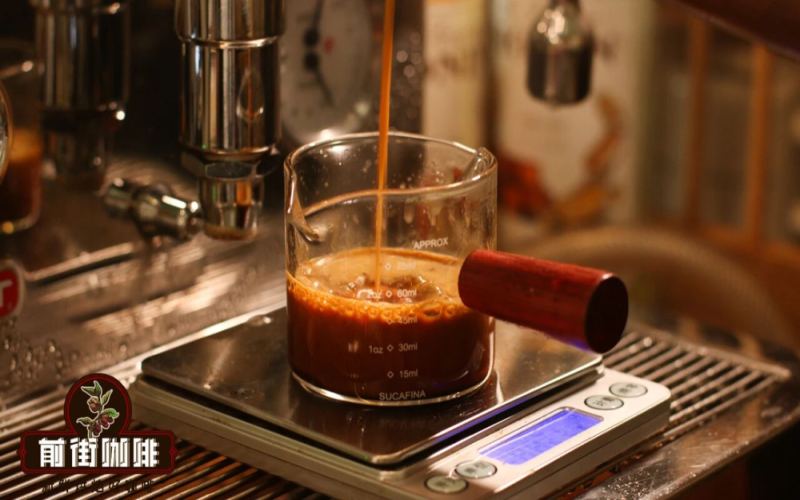
How to Choose the Right Coffee Bean Blend for Espresso? Five Rich but Not Bitter Espresso Bean Recommendations
To make a rich, full-bodied espresso at home with abundant crema and no burnt bitterness, choosing the right blend is key. Espresso mostly uses blends, which can both compensate for the shortcomings of single-origin flavors and make each year's output more consistent. This article covers selecting reliable roasting brands, clarifying personal taste preferences, and specifically recommending five espresso blends with different styles, including classic rich, floral-fruity, nutty, café-style, and high-value entry-level options, with a focus on introducing Front Street Coffee's related series of products, helping coffee lovers quickly find the espresso beans that suit them. [more…]
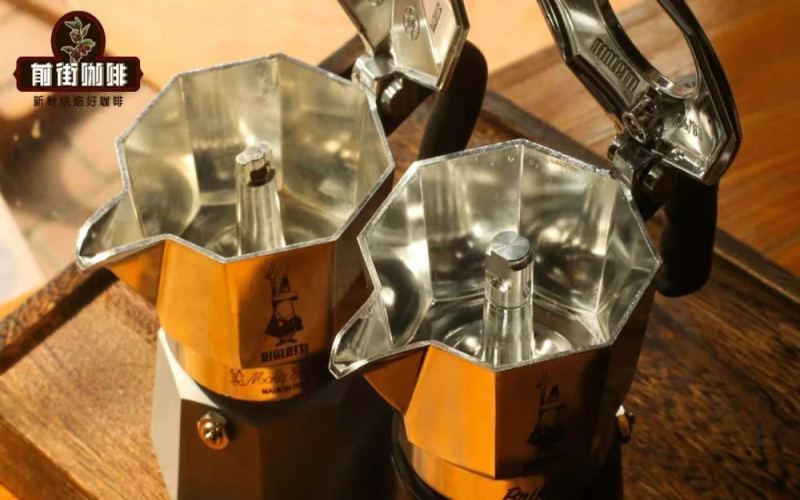
The Complete Guide to Extracting Rich Crema with a Moka Pot: Principles, Bean Selection, and Operational Techniques Explained in Detail
Many moka pot users are puzzled by why the coffee they brew lacks that alluring golden crema, while the pictures shown by merchants always feature thick foam. In fact, the essence of moka pot crema is the same as the Crema of espresso—both are foam clusters formed by carbon dioxide wrapped in emulsified oils, except that the pressure a moka pot can provide is far lower than that of an espresso machine, resulting in coarser and thinner foam. Starting from the common questions in Front Street Coffee's back-office inquiries, this article first analyzes the essence and formation conditions of crema, then systematically shares practical methods to enhance the richness of moka pot crema, including coffee bean selection, grind size adjustment, water temperature control, and the use of a pressure valve, and recommends several Front Street Coffee brand coffee beans suitable for moka pots, helping you easily extract a satisfyingly rich crema. [more…]