







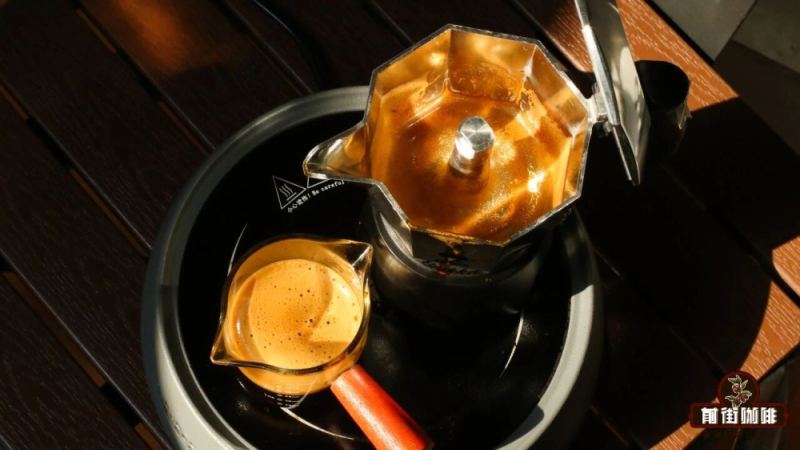
At a time when specialty coffee is all the rage, the moka pot, with its simple structure, still has a loyal following among home brewers. It works by heating the lower chamber to produce steam pressure, which pushes hot water up through a bed of coffee grounds, yielding a highly concentrated coffee liquid. In this article, Front Street Coffee systematically goes over the moka pot's working mechanism, suitable bean choices, latte-making methods, and safety details to keep in mind during use. It also offers specific recommendations for different flavor preferences—Front Street Classic Blend, Strawberry Candy Espresso Blend, Queen's Estate SOE, and Grana Geisha SOE—to help enthusiasts consistently produce a delicious moka pot coffee at home.
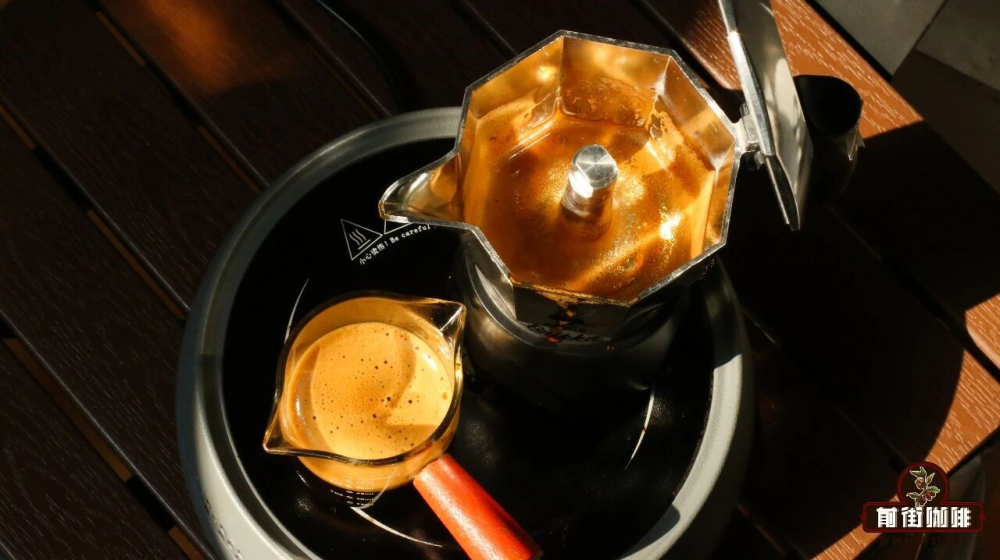
Today, with pour-over, siphon, and high-end espresso machines taking turns on the stage, the moka pot is often labeled "outdated" and "hard to master." Front Street Coffee has noticed that many coffee enthusiasts are used to brewing a single-origin cup at home or ordering a milk-based espresso drink at a café. However, with the growing popularity of home espresso equipment, more and more people are also turning their attention to the moka pot, which likewise has pressure extraction capability.
How does a moka pot extract coffee?
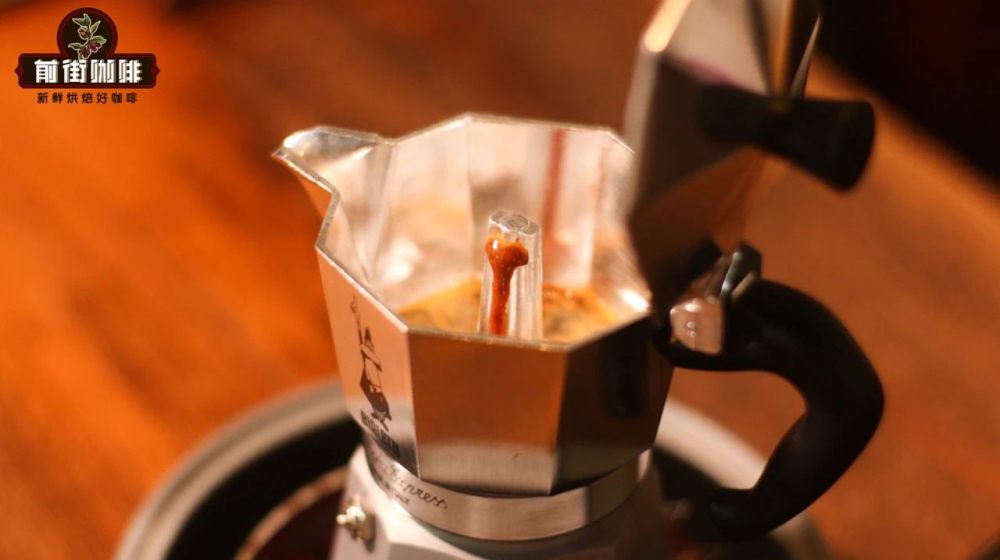
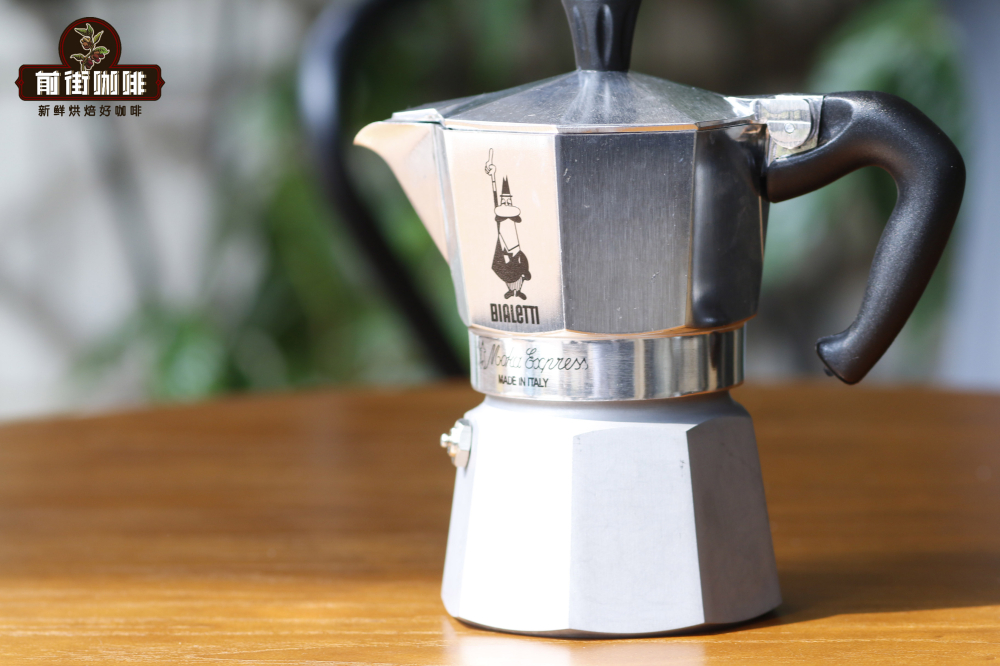
The moka pot's construction is not complicated: the lower chamber holds water, the middle is the filter basket for coffee grounds, and the upper chamber collects the extracted coffee. During heating, the water in the lower chamber heats up, boils, and creates steam pressure. This pressure pushes hot water up along a thin metal tube, forcing the hot water through the coffee bed, and what finally flows into the upper chamber is a highly concentrated coffee liquid.
Front Street Coffee would like to add one more reminder: the coffee directly extracted from a moka pot is quite concentrated, harsh when drunk straight, and its aroma does not easily open up. Therefore, you can dilute it with water or fresh milk at a certain ratio to make a "moka pot americano" or "moka pot latte." This makes it smoother on the palate and allows you to taste the bean's own delicate fragrance.
Why was the moka pot unpopular in earlier years?
The reason is actually not complicated. The moka pot is a home appliance and cannot match an espresso machine in terms of professionalism; and coffee itself is a foreign import, as China has no tradition of drinking coffee. The early groups exposed to coffee were mostly those who had gotten rich first, and when they learned about coffee, they naturally pursued the professional route, so this kind of home-use appliance was unlikely to enter their field of vision.
As the wealthy population continued to expand, the coffee-consuming group also grew, so naturally some people came to appreciate a simple and easy-to-use home tool like the moka pot. Although what a moka pot produces cannot compete with a professional espresso machine in terms of crema and concentration, professional espresso machines cost tens of thousands of yuan, and even ordinary home machines cost several thousand, while a moka pot costing just a few hundred yuan can reach 60–70% of a coffee machine's level—already good enough. This is also why it has become the first choice at home for many enthusiasts.
Moreover, coffee brewed with a moka pot can also be combined with milk and latte art, more than enough for home scenarios.
Most people who use a moka pot hope to extract a rich layer of crema, so it is recommended to buy Front Street. Front Street Classic Blend. This bean is a medium-dark roast and has a relatively long heating time. To avoid releasing too many bitter substances during extraction, the grind size should be adjusted somewhat coarser (slightly coarser than fine salt).
If you want a moka pot coffee with rich fruity aromas, you can choose Front Street. Strawberry Candy Espresso Blend and adjust the grind finer (close to the degree of fine salt), so that more rose floral and tropical fruit aromas can enter the cup.
If you want to drink a moka pot coffee with a distinctive flavor profile, it is best to choose single-origin pour-over beans for extraction. Friends who prefer a balanced taste can buy Front Street Queen's Estate SOE, where you can taste the aromas of creamy peanut, roasted nuts, and chocolate; friends who like fruity notes are advised to get the lightly roasted Front Street Grana Geisha SOE, which, when extracted into espresso, gives off citrus, caramel, and elegant floral aromas.
How to make milk coffee with a moka pot
First, pour cold water into the lower chamber (hot water will scald your hands), place the filter basket into the lower chamber, cup your hand around the filter basket, and fill it with grounds until there is a small mound in the center and the grounds around it fill the gaps in the basket, then directly attach the upper chamber and tighten it.
Next, place it on an electric ceramic stove to heat (a gas stove also works). When you hear a "whoo-whoo" sound, it means the coffee is beginning to flow upward. At that point, immediately turn off the heat and wait quietly for the coffee to finish flowing.
Freshly brewed moka pot coffee will have a golden layer of crema on the surface, but this crema dissipates quickly, so you should promptly mix in milk. Front Street Coffee's method is to use a French press to froth 200 ml of warm fresh milk into milk foam, then evenly combine the coffee with the milk foam and pour latte art. A moka pot latte is then complete.
Overall, latte art places higher demands on milk foam than espresso does. Coffee with crema makes the surface more stable, making it easier to create complex patterns; when crema is lacking, surface stability decreases, and latte art such as rippled patterns becomes even harder to achieve.
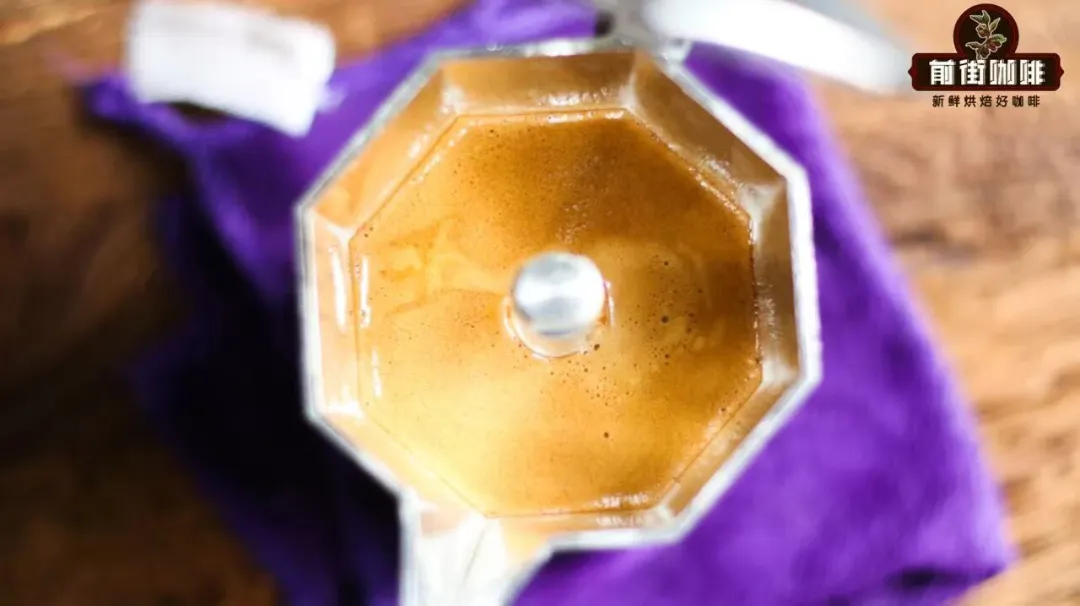
Although the moka pot is simple in structure and easy to use, there are still several issues to watch out for when using it. The lower chamber's water-holding section has a pressure relief valve that serves as an indicator. When adding water, the water level must not rise above the pressure relief valve; otherwise, the pressure relief function will fail and the risk of bursting will increase. The flow rate of the coffee can also provide feedback: if the liquid sprays out directly, it means the water temperature is too high; if the flow rate is extremely slow, it means the water temperature is too low, and you need to increase the heat while paying attention to the heat level at all times.
In addition, coffee grounds can only be extracted once, and with a moka pot it is very difficult to precisely control the weight of the coffee liquid, so the actual extraction amount is mainly judged by experience. Therefore, Front Street Coffee recommends staying fully focused during operation; otherwise, it is easy to cause over-extraction and bitterness.
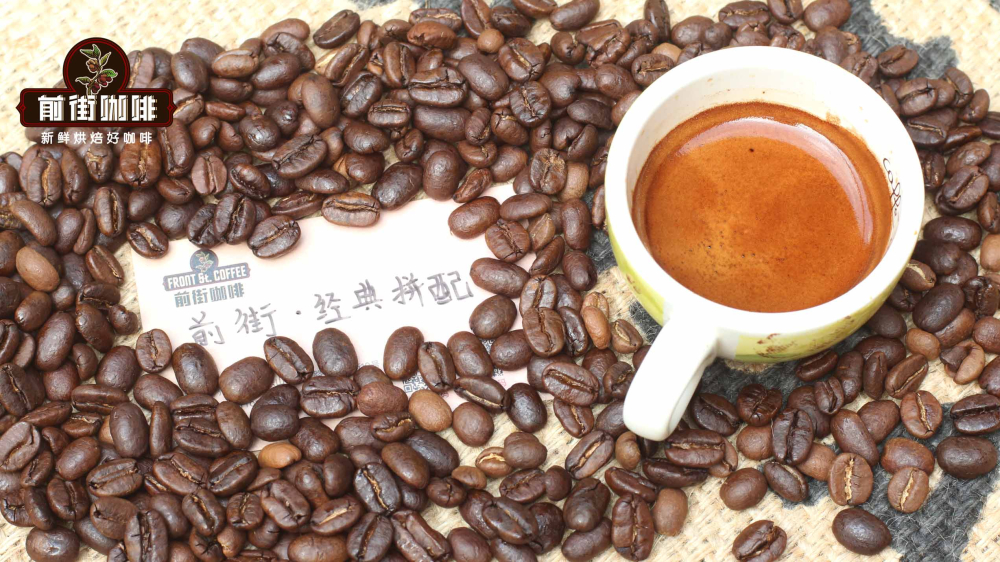
If you want the espresso extracted from a moka pot to have a rich layer of crema, Front Street Coffee recommends choosing freshly roasted medium-dark roasted beans. As the roast level deepens, the beans undergo the Maillard reaction and caramelization and generate a large amount of gas, which is released under pressure during extraction. However, after a long storage time, much of the gas inside the beans is lost, making it difficult to extract a rich crema. The coffee beans shipped by Front Street Coffee are all freshly roasted within 5 days, making it convenient for everyone to enjoy them within the ideal tasting period.
The above content is compiled by CoffeeHunters, a coffee news website.


