







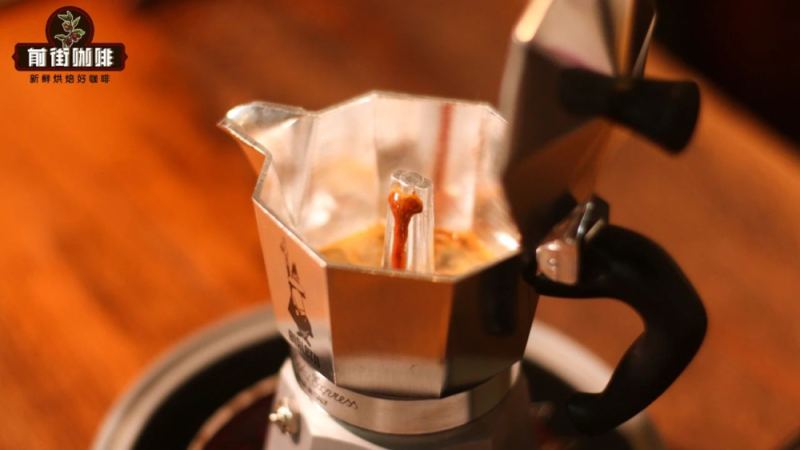
How does a Moka pot produce crema?
A Moka pot brews at roughly 1.5 to 3.0 atmospheres, so crema is thinner than espresso but still achievable. Steam pressure in the base pushes hot water through the coffee bed in the filter basket and up into the upper chamber, extracting an intense cup that combines acidity and bitterness and comes closest to espresso among stovetop devices.
Because pressure stays below that of an espresso machine, bean choice matters: a medium or medium-dark espresso blend gives a fuller latte, while single-origin beans suit lighter, clearer cups. Grind size, fill level, and heat control all affect how much crema forms. The step-by-step method covers assembly, safety, and pouring for a consistent latte.
The Moka pot is compact and easy to use, capable of brewing rich coffee, but many enthusiasts find at home that the crema is thin, far inferior to espresso. This article starts from the Moka pot's structure and extraction principles, explains the conditions for crema formation, compares the suitable scenarios for espresso blend beans and single-origin beans, and recommends Front Street Coffee's classic espresso blend and the Queen's Farm Brazil single-origin bean. It then details Front Street Coffee's Moka pot latte brewing steps and safety precautions, helping you consistently extract thick crema at home and make a rich, aromatic latte.
Because of its small footprint and quick learning curve, the Moka pot has become a staple in many coffee lovers' homes, brewing rich coffee with crema. However, many friends new to the Moka pot report that the coffee liquid they brew has little crema, and even when it does, it's not as pronounced as espresso. What exactly is the reason?
The principle of brewing coffee with a Moka pot
Anyone who has used a Moka pot knows it consists of three parts: the upper chamber, the filter basket, and the base. The base holds water, the filter basket holds finely ground coffee, and the upper chamber collects the extracted coffee liquid.
The Moka pot's extraction method isn't complicated—it relies on the steam pressure generated in the base (about 1.5-3.0 atmospheres). When the steam pressure is sufficient to penetrate the coffee bed, hot water is pushed up into the upper chamber. As the hot water rises through the coffee grounds in the filter, it rapidly extracts the coffee's essence. The resulting coffee has an intense taste, combining acidity and bitterness, making it the closest coffee device to espresso.
For this reason, it is widely used in European and Latin American countries. However, because its pressure is lower than an espresso machine, Americans also call it an "Italian drip pot."
So how do you brew coffee with a Moka pot?
As mentioned earlier, the Moka pot is the device closest to espresso, so the coffee beans used are naturally the same as those for an espresso machine. If you want to make a rich, full-bodied latte, it's best to use a medium or medium-dark roast espresso blend.
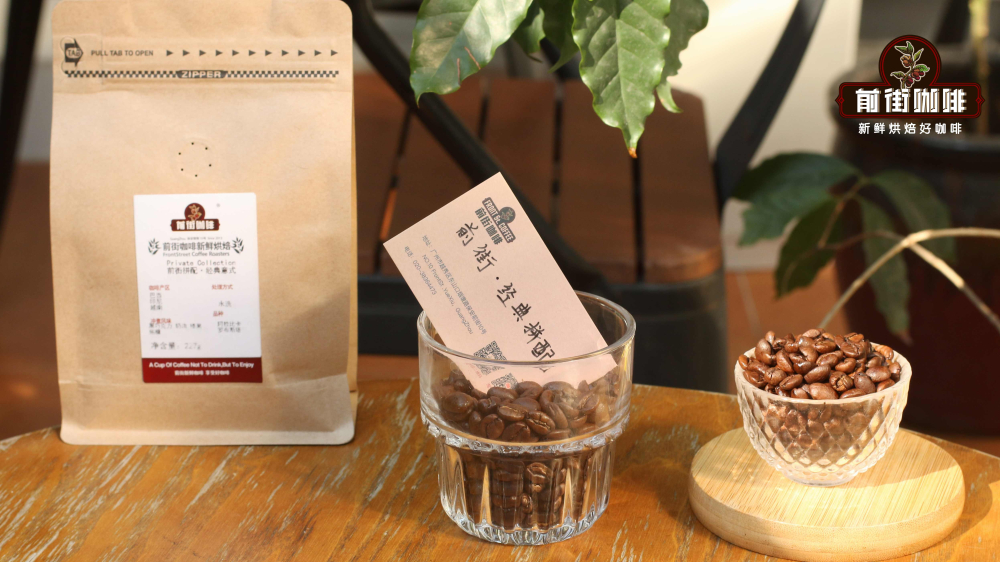
If you want to try it for the first time without messing up, buy Front Street Coffee's Classic Espresso Blend. This is an old-school Italian flavor recreated with a combination of Brazilian coffee and Mandheling coffee, and on top of that, a small amount of Robusta is added, giving the coffee abundant crema, so the latte you make is naturally full of rich aroma.
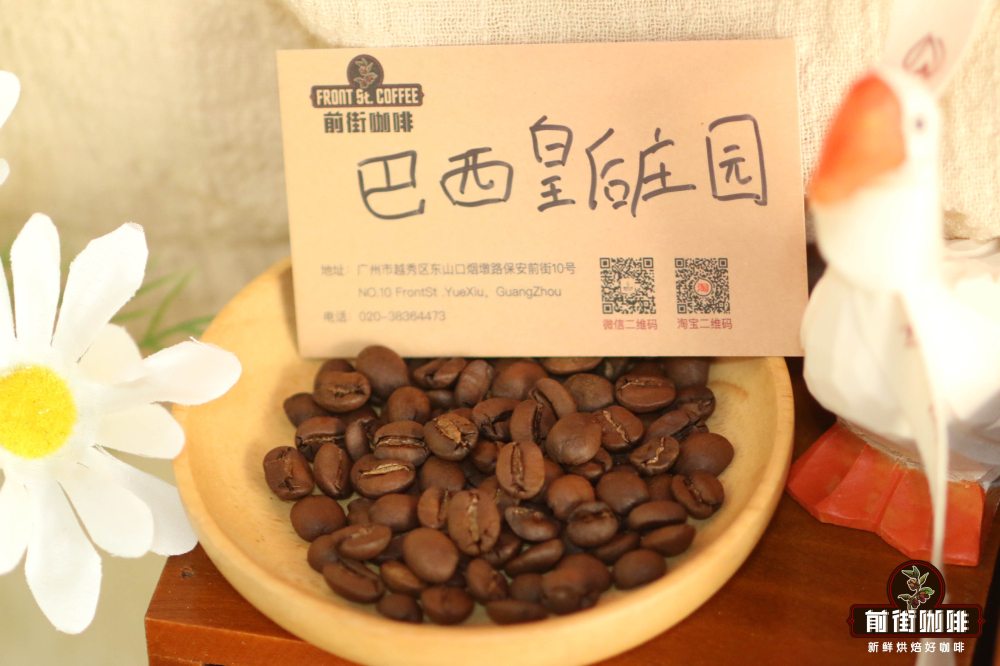
And the reason many coffee lovers find their home-brewed Moka pot coffee has no crema is precisely this. Generally speaking, the darker the roast, the more abundant the crema, so if you want to brew crema, you might as well use Front Street Coffee's Classic Espresso Blend beans. For single-origin coffee beans, a medium-roast Front Street Coffee Queen's Farm Brazil bean is recommended.
【Moka Pot Latte Brewing Process】
1. Disassemble the Moka pot, as it has an upper chamber, a middle coffee filter basket, and a base. 2. Pour water into the base 3. Fill until the water is just below the safety valve
4. Grind the coffee beans into powder (as fine as possible to ensure it doesn't fall into the gaps), then pour the coffee powder into the basket and level the surface—no tamping needed. 5. Install the coffee filter basket onto the base
6. Attach the upper chamber and tighten it fully.
7. Heat the Moka pot over low heat; you can place it directly on a gas stove. To keep the heating more stable during the process, you can place a layer of wire mesh over the gas stove.
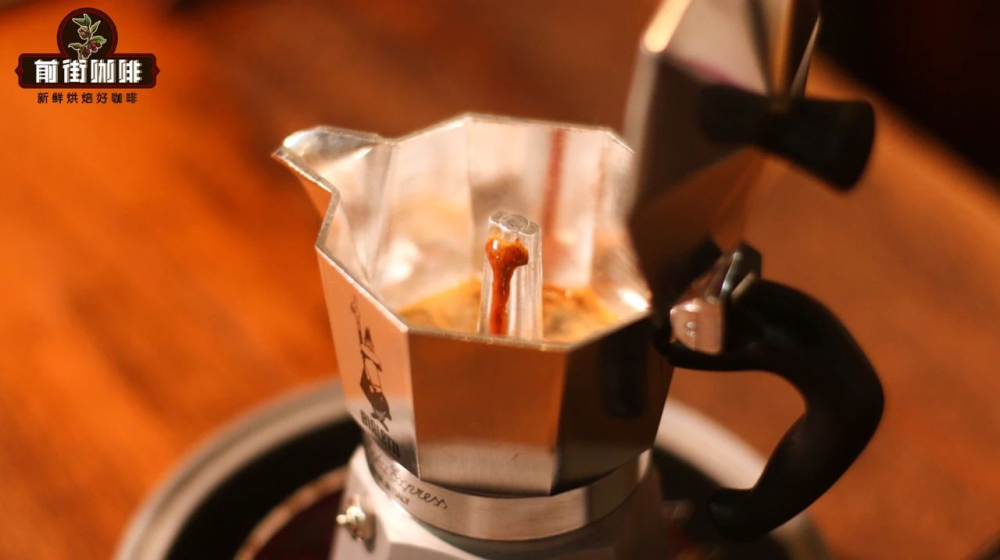
8. After the water heats up, the pot will make a whistling sound from the steam—then you can turn off the heat. 9. Once the coffee flows into the upper chamber, it's ready to pour into a cup and drink.
The above is Front Street Coffee's process for brewing coffee with a Moka pot, and during the brewing process, Front Street Coffee also wants to remind everyone of some precautions:
What should you pay attention to when using a Moka pot?
1. When filling the base with water, pay special attention that the water level must not exceed the safety valve. 2. After the Moka pot is heated, do not touch the body directly to avoid burns. 3. If the coffee liquid spurts out explosively, it means the water temperature is too high; conversely, if it flows out too slowly, it means the water temperature is too low, and you need to increase the heat a bit. 4. Safety: Because of the pressure involved, pay attention to controlling the heat during brewing.
Why Moka pot coffee has no crema
From the above, the Moka pot's working principle is to rely on pressure to extract the coffee liquid, and the coffee beans' oils are also pressed out due to the pressure. This explains why the Moka pot can also extract coffee liquid with abundant crema. However, because the pressure isn't very high, even if there is crema, it won't last very long, so coffee lovers will find that the crema on the surface of the coffee liquid extracted with a Moka pot disappears over time.
The above content is compiled by CoffeeHunters, a coffee news website.


