







Search Results for: Coco natural
Planting Background, Development Trajectory, and Java Variety Flavor Analysis of Bolivian Coffee Regions
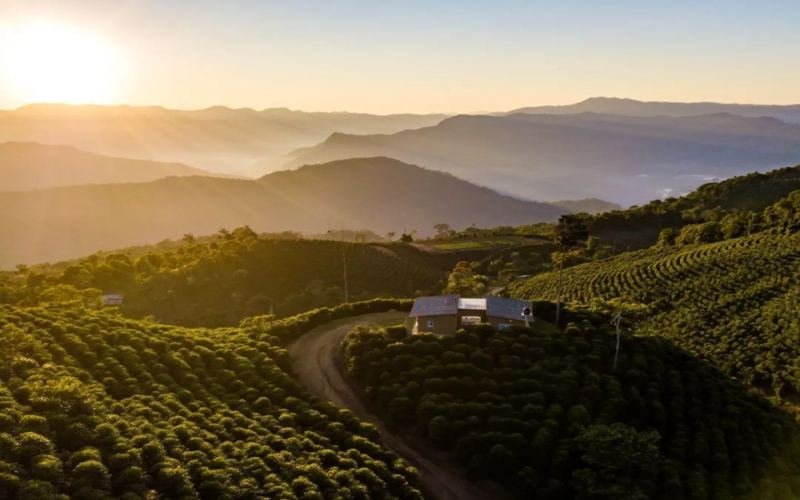
Although Bolivia is hailed as an ideal place for growing coffee, its production has always been limited. The high altitude and diverse terrain give the coffee rich sweetness and soft acidity. It was with Bolivian Geisha that Miki Suzuki, runner-up in the 2017 WBC, won attention. However, steep roads, the temptation of coca cultivation, and the blow of leaf rust in 2013 have repeatedly brought twists and turns to the coffee industry of this landlocked South American country. From the glory of the COE competition to the export difficulties amid political turmoil, the revival of Bolivian specialty coffee cannot be separated from the perseverance of the Rodriguez family. They promote the Tomorrow's Sun project and have cultivated distinctive bean varieties such as Coco Natural Java. This article will introduce Bolivia's coffee-producing regions, historical context, and variety flavors, and Front Street Coffee also shares its cupping experience. [more…]
A Complete Analysis of Bolivian Coffee Regions: From Java Variety to the Rodriguez Family's Specialty Journey
Although Bolivia is hailed as an ideal place for growing coffee, its production has always remained low, and it even once became a minor coffee country. Yet the coffee flavors nurtured on this land are stunning—rich sweetness and soft acidity make it stand out in the specialty coffee world. Front Street Coffee has introduced several Bolivian beans, among which the Java variety cultivated by the Rodriguez family is especially striking, known as Geisha's cousin. This article will guide you through the regional characteristics, development history, and cultivation models of Bolivian coffee, and provide an in-depth analysis of the Coco Natural Java coffee beans from Waliki Estate, from variety tracing to processing innovation, exploring the coffee charm of this landlocked South American country. [more…]
The Road to Revival of Bolivian Coffee: Exploring the Flavors of Pedro Rodríguez, Geisha, and Java Varieties
In the landlocked South American country of Bolivia, the development of specialty coffee is inseparable from the Rodríguez family, especially Pedro Rodríguez, who is regarded by the industry as a key figure in Bolivia's coffee revival. From trendy brands like Intellectuals snapping it up year after year, to Japanese competitor Miki Suzuki winning the World Runner-Up title with Geisha from his estate, Bolivian coffee is returning to the spotlight with its unique terroir and exceptional quality. Front Street Coffee recently cupped the Cacao Natural Java produced by the Rodríguez family, as well as the Washed Java Typica from the Tomorrow's Sun project, and the flavors were stunning. This article will trace the ups and downs of Bolivian coffee history, the characteristics of its producing regions, the contributions of the Rodríguez family, and the varietal origins of Geisha and Java, giving you a comprehensive understanding of the coffee charm of this high-altitude producing country. [more…]

Flavor Analysis of Bolivian Geisha and Java Varieties: From Origin Challenges to the Rodriguez Family's Specialty Journey
Although Bolivia is hailed as an ideal place for coffee cultivation, its production has always been limited, yet its coffee impresses with rich sweetness and soft acidity. From the cupping perspective of Front Street Coffee, this article sorts through the historical ups and downs of Bolivian coffee, the distribution of producing regions, and cultivation models, focusing on how the Rodriguez family has driven the development of specialty coffee, and offering an in-depth analysis of the origins of the Geisha and Java varieties. The article also documents in detail a cacao natural Java coffee bean from Finca Valiki that Front Street Coffee cupped, presenting the unique charm of this bean in full, from processing method, roasting curve, to brewing parameters and flavor description. [more…]
Flavor Analysis of Bolivian Coffee Origins: Java Variety from Waliki Estate and Cacao Natural Processing
Although Bolivia is a relatively economically underdeveloped country in South America, it possesses high-altitude microclimates and unique varietal resources, giving it potential for specialty coffee exports. The Java coffee beans from Finca Valiki, listed by Front Street Coffee, come from small estates in the Caranavi production region at elevations above 1,660 meters, and present a bright citrus-hawthorn acidity with fruit chocolate and vanilla cream finish through cocoa natural processing. This article will outline the flavor causes, varietal characteristics, processing methods, and industry status of Bolivian coffee, along with Front Street V60 brewing recommendations and flavor notes, for the reference of coffee enthusiasts. [more…]
Bolivia Coffee Full Analysis: Specialty Bean Flavor Characteristics, Cultivation History, and the Rodriguez Family Geisha Java
Bolivia is celebrated as an ideal place for growing coffee, yet its annual output has long remained low, at one point even falling to the level of a minor coffee-producing country. And yet this land has given rise to a Geisha that won the favor of a World Barista Championship runner-up, as well as the Java variety known as Geisha's cousin. From the high-altitude terroir of the Yungas region, to the Tomorrow's Sun project promoted by the Rodriguez family, and on to innovative experiments with the cacao natural processing method, Bolivian coffee has carved out a winding yet fascinating path toward specialty coffee. Front Street Coffee will guide you through the origins, development history, varietal characteristics, and flavor profile of Bolivian coffee, with a focus on cupping a cacao natural Java coffee bean from the Valiki estate. [more…]
A Complete Guide to Bolivia's Coffee Regions: From Yungas Terroir to Java Variety and the Tomorrow's Sun Project
As a landlocked country in South America, Bolivia produces only a small amount of coffee, yet its extremely high altitudes and unique microclimates give rise to specialty beans. This article walks you through the historical origins of Bolivian coffee, the flavor differences between its main producing regions of Yungas and Caranavi, the story of how the local distinctive variety Java spread, and an in-depth analysis of how the "Tomorrow's Sun Project" launched by the Rodriguez family saved the specialty coffee industry. Front Street Coffee also shares the roasting and brewing parameters for the Waliki Estate Coco Natural Java, along with its cupping profile of a slight fermented note interwoven with grape and floral aromas. [more…]
Bolivia Geisha Coffee Flavor Analysis: The Story of the Java Variety and the Rodriguez Family's Specialty Journey
Although Bolivia is hailed as an ideal place for coffee cultivation, its production has always been limited, yet its coffee impresses with rich sweetness and soft acidity. At the 2017 WBC, Japanese competitor Miki Suzuki won the world runner-up title with a Bolivian Geisha, bringing this origin into the spotlight. The Java variety, known as Geisha's cousin, likewise offers an elegant and distinctive flavor. Front Street Coffee once cupped a Cacao Natural Java from the Rodriguez family, which was sweet and tangy with a creamy smoothness. This article will guide you through the development history of Bolivian coffee, its cultivation models, and the distribution of its producing regions, as well as how the Rodriguez family is driving specialty coffee forward, and provide a detailed analysis of the roasting and brewing performance of this Waliki Estate Java coffee bean. [more…]

The Origins of Coffee Cultivation in Bolivia and a Full Analysis of the Java Variety Coco Natural Flavor from Finca Valiki
Although Bolivia is surrounded by two major coffee countries, Brazil and Peru, its high-altitude terrain has pushed coffee cultivation toward a "low-altitude" path. This article traces the rise and fall of Bolivian coffee since 1880, focusing on the terroir differences between the two major producing regions of Yungas and Caranavi in La Paz, and takes an in-depth look at the Java variety from the Waliki Estate sourced by Front Street Coffee. This bean uses a distinctive cocoa natural process, leveraging a cocoa dryer for low-temperature slow drying, presenting a complex profile interweaving floral notes, berries, and nuts. The article also discloses Front Street's medium-light roast curve, cupping performance, and V60 brewing parameters, providing coffee enthusiasts with a complete reference for tasting and hands-on practice. [more…]
A Complete Guide to Bolivian Coffee Flavors: Java Variety, Coco Natural Process, and Front Street Brewing Guide
Although Bolivia is an economically underdeveloped country in South America, it possesses advantages of high altitude, a cold climate, and unique varieties, producing coffee with prominent sweetness and soft acidity. From the perspective of Front Street Coffee, this article systematically sorts out the flavor causes, main producing regions, variety characteristics, and processing methods of Bolivian coffee, with a focus on the Java coffee beans from the Waliki Estate and their cocoa natural process, and includes Front Street's recommended V60 brewing parameters and flavor description, taking you to comprehensively understand the specialty coffee landscape of this potential-producing country. [more…]
Flavor Characteristics and Stories of Bolivian Coffee Regions: Exploring the Cocoa Natural Process of Yungas Java Beans
On the coffee map of South America, Bolivia is a rather low-key presence—bordered to the north by two major players, Brazil and Peru, and with modest production of its own, yet blessed with exceptional natural conditions that make it a land of potential for specialty coffee. From the high-altitude valleys of La Paz to the steep growing regions of the Yungas, what twists and turns has Bolivian coffee's history taken? And what distinctive flavor expressions does the Waliki Estate Cacao Natural Java that Front Street Coffee brings this time have to offer? This article will take you through the past and present of Bolivian coffee, from the terroir of its growing regions, the origins of its varieties, to processing methods and brewing suggestions, offering a complete interpretation of the coffee story of this highland nation. [more…]
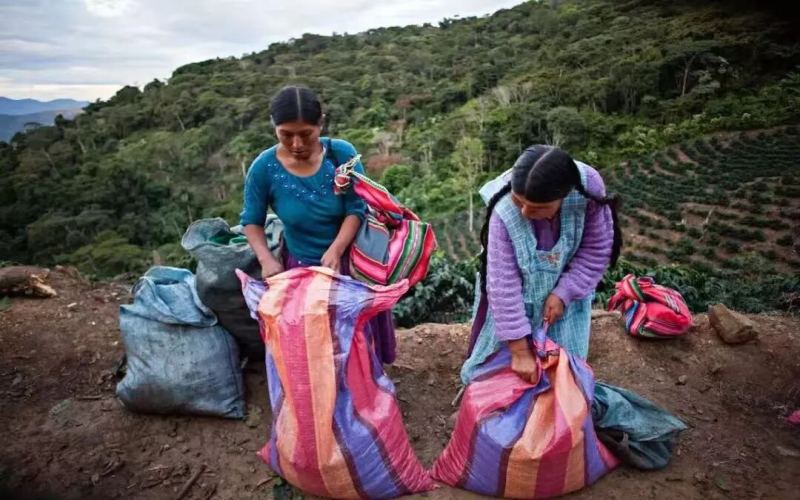
Bolivian Coffee Beans | Why is Bolivian coffee rarely seen in China? What unique characteristics does Bolivian coffee have?w
Bolivia is a fascinating place. Although it is called a paradise for coffee growing, its production has always been low. Front Street Coffee is deeply impressed by the delicate flavors of Bolivian coffee. In terms of flavor expression, Bolivian coffee is mostly characterized by rich sweetness and soft acidity. At the 2017 WBC (World Coffee [more…]

Chayan Yuese Loses Trademark Opposition Against Mixue Bingcheng; Successful Registration of "Chayan Bingcheng" Draws Attention
In recent years, as public awareness of intellectual property has grown, trademark disputes surrounding well-known brands have become increasingly common. The two major new-style tea beverage brands Chayan Yuese and Mixue Bingcheng once joined forces to oppose the "Chayan Bingcheng" trademark, yet the China National Intellectual Property Administration ultimately ruled that the trademark be registered. This incident not only reflects the real-world dilemmas faced by brand protection but also sparked discussions about copycat culture and consumer choice. This article will sort out the sequence of events, review the historical origins of the copycat phenomenon, and explore the interplay between innovation and imitation in the new tea beverage industry. [more…]

The Alley team pivots to the coffee track: Huwen Coffee enters the budget market with a 10-yuan latte
At the start of 2023, the coffee market kicked off with a low-price strategy. CoCo都可, with over 2,200 stores nationwide, dropped its Americano to 3.9 yuan, Cotti Coffee launched promotions starting at 9.9 yuan, and Tiger Coffee, created by the core team of The Alley, also secured financing, entering the affordable segment with two price tiers of 10 yuan and 13 yuan, and plans to leverage its existing overseas agency network to prioritize expansion in Southeast Asia. Can Tiger Coffee become the Mixue Bingcheng of the coffee world? This article will analyze from perspectives including brand background, store model, product strategy, and market trends. [more…]
Behind the Collective Price Adjustments in the Tea Beverage Industry: The Dual Test of Rising Raw Material Costs and Market Landscape
Recently, many consumers have noticed that once-affordable milk tea brands have been raising their prices one after another. From Yidiandian to Mixue Bingcheng, and then to CoCo都可, the wave of price increases among mid- to low-end tea beverages has drawn widespread attention. At the same time, Coca-Cola, the ever-green player in the beverage world, has also been rumored to be considering a price hike. Behind this round of price adjustments lie not only the cost pressures brought by the pandemic but also deeper changes facing the tea beverage industry. As consumers become more price-sensitive and competition from mid- to high-end brands intensifies, how tea beverage companies find a balance between quality and cost will be key to determining their future development. [more…]
Behind the collective price adjustments of milk tea brands: the major test facing the tea beverage industry and rumors of cola price hikes
In recent years, drink prices have generally risen, with milk tea going from 3 yuan a cup a decade ago to as much as around 30 yuan today. After the New Year, mid- and low-end brands such as Mixue Ice Cream & Tea, Yidian Dian, and CoCo都可 raised their prices one after another, while high-end brands such as Heytea and Nayuki were already positioned above 20 yuan. Rising costs and the impact of the pandemic have left the tea beverage industry facing a reshuffle, and consumers have reacted differently to the price increases. At the same time, cola may also face upward price pressure because of Canada's tax on sugary drinks, but in the domestic market, given the duopoly competition, the likelihood of price increases is relatively low. This article sorts out the phenomenon of tea beverage price increases and the industry logic behind it. [more…]
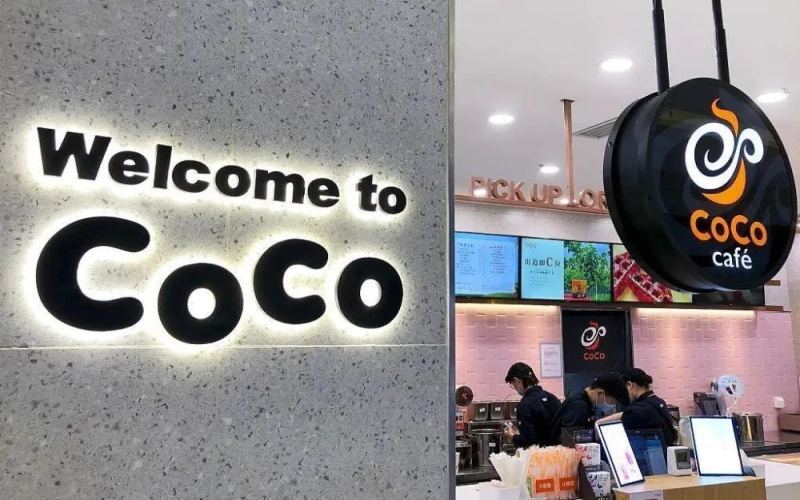
New-style tea brands are crossing over into the coffee sector, intensifying the battle for a hundred-billion market.
In recent years, new-style tea beverage brands have no longer been content with their original track and have turned their eyes toward the coffee sector. From Tea Yanyuese launching an independent coffee brand, to Heytea investing in a specialty coffee chain, and then Naixue Tea taking a stake in AOKKA, cross-sector moves have been frequent. At the same time, Mixue Ice Cream & Tea had long been deeply cultivating the coffee market with "Lucky Cup," and CoCo都可 was even earlier, taking the lead in testing the waters back in 2014. As China's coffee market scale approaches 500 billion, capital and companies of all kinds are accelerating their entry, and the number of financing events has surged. This article will sort out the journey of new-style tea beverage brands entering the coffee track, key cases, and market data, and explore the strategic considerations and industry impact behind this trend. [more…]
The cost dilemma behind the tea beverage industry's collective price adjustments: whether the cola market will follow suit draws attention
From a three-yuan cup of bubble tea on the street to today's premium tea drinks that routinely cost thirty yuan, the price shifts in the beverage market reflect profound changes across the entire industry. Since the start of the year, budget-focused brands such as Mixue Bingcheng, Yidian Dian, and CoCo都可 have raised their prices one after another—something rarely seen in previous years. Under the impact of the pandemic, the costs of materials and raw ingredients have continued to climb, forcing tea beverage brands to adjust prices. Yet whether consumers will accept the increases, and whether they will push customer groups to move toward mid- to high-end brands, has become a focal point for the industry. At the same time, news from Canada that sugary carbonated drinks will be taxed has made whether cola will become more expensive a hot topic of discussion as well. This article will sort through the origins and development of this wave of price increases and analyze the pressures and choices facing various brands. [more…]

Guming Milk Tea Topping Portion Controversy: Employees Say One Level Spoon Meets Standard, Debate Heats Up Over Size Differences Between Old and New Spoons
Recently, many consumers have taken to social media to report that when buying GoodTea milk tea, the separately added toppings come in a portion that is too small, covering only a single layer at the bottom of the takeout container, sparking widespread resonance. Netizens have been posting comparison photos, pointing out that GoodTea's toppings are noticeably less generous than those of brands like 1Dian1Dian and Coco. GoodTea employees responded that the brand has clear standards for topping portions, with one level spoonful being the specified amount. However, some employees revealed that stores have switched to smaller-sized topping spoons, causing the actual portion to shrink, and some staff quietly add an extra spoonful or two when managers aren't looking. This incident reflects the gap between topping standardization in the tea beverage industry and consumer expectations. [more…]
Why Does Bolivia's Coffee Production Remain Low? Flavor Characteristics and Analysis of the Java Bean from Waliki Estate
Bolivia is a landlocked country in South America. Although it possesses high-altitude growing environments and distinctive floral and fruity aromas, it has long ranked among the countries with the lowest coffee production in the world. Factors such as coca leaf cultivation policies, leaf rust infestations, and the suspension of the COE competition have collectively led to the decline of its coffee industry. This article reviews the historical trajectory, main producing regions, and cultivated varieties of Bolivian coffee, and focuses on introducing the Waliki Estate Cacao Natural Java beans selected by Front Street Coffee, providing a comprehensive reference for coffee enthusiasts from estate management, processing methods, to roasting and brewing parameters and flavor performance. [more…]