







What the Chayan Bingcheng Trademark Ruling Means for Coffee Manufacturers
The China National Intellectual Property Administration ruled that the trademark Chayan Bingcheng can be registered, despite a joint opposition from tea brands Chayan Yuese and Mixue Bingcheng. The decision highlights how hard it is for well-known drink brands to block similar names and has revived discussion about copycat culture and consumer choice in the beverage market.
Copycat branding has deep roots: the term shanzhai came from 1990s Shenzhen, where local manufacturers imitated foreign phones and printed SZ instead of the true origin. Milk tea shops show the pattern too, from a wave of COCO lookalikes to Chali Yishi, a Chayan Yuese imitator that appeared as early as 2015 with similar packaging and products.
In recent years, as public awareness of intellectual property has increased, trademark disputes surrounding well-known brands have become commonplace. The two major new-style tea beverage brands Chayan Yuese and Mixue Bingcheng once joined forces to oppose the trademark "Chayan Bingcheng," yet the China National Intellectual Property Administration ultimately ruled that the trademark be registered. This incident not only reflects the real dilemmas facing brand protection, but also sparks discussion about copycat culture and consumer choice. This article will sort through the sequence of events, review the historical origins of the copycat phenomenon, and explore the game between innovation and imitation in the new tea beverage industry.
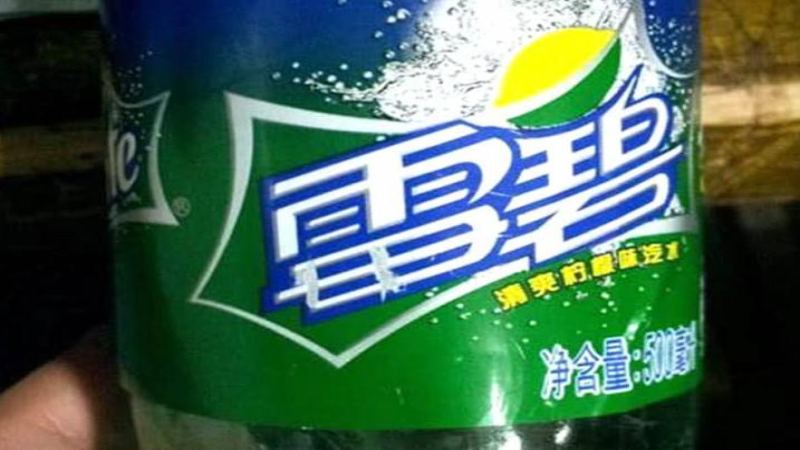
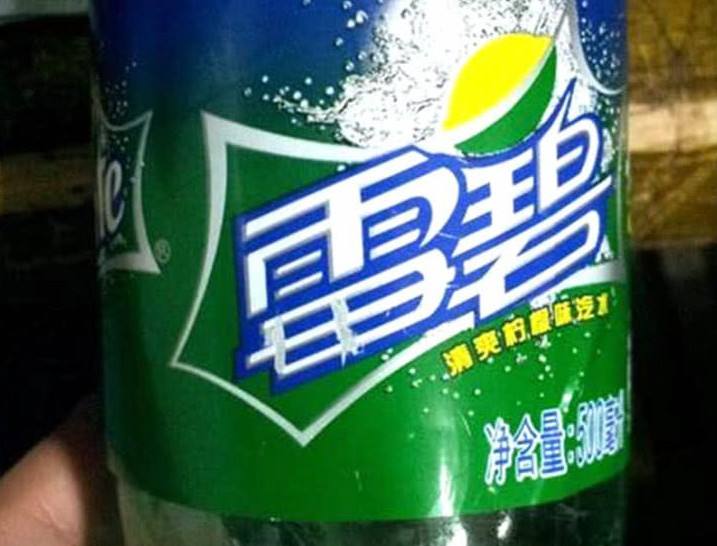
Today, the public's awareness and appreciation of intellectual property has clearly increased, but for a long period in the past, the market often saw marketing that leveraged the fame of well-known brands. From childhood onward, we have all seen plenty of copycat goods on street corners. I believe many friends have encountered beverages imitating Sprite — names like Leibi, Xuelu, and Yunbi keep emerging, and everyone has long grown accustomed to this, sometimes even buying them out of curiosity to give them a try.
Quite interestingly, the term "shanzhai" (copycat) originated in Shenzhen. In the 1990s, some local manufacturers imitated foreign-brand mobile phones but did not dare mark the true place of origin on their products, so they printed the two letters "SZ." Over time, people began calling them "shanzhai."
From school gates to office buildings, milk tea shops are never absent. Milk tea is both a lifesaver for office workers and a source of happiness for students. COCO都可, which does booming business on the streets, inexplicably gained many "biological brothers," such as Coco AMY, COCO TALE, COCO miller, and so on.
Mixue Bingcheng, one of the leading domestic milk tea brands, and the internet-famous tea brand Chayan Yuese, which follows a Chinese-style route, naturally could not escape imitators either. As early as 2015, Chayan Yuese encountered a copycat brand — Chali Yishi. The two were highly similar in packaging design, product formulas, and other aspects, even to the point of being almost indistinguishable, truly "Chayan in Changsha, Chali in Guangzhou."
When a well-known brand gets its热度蹭, once it happens, it will happen countless times. Recently, some copycat players have even grasped adult psychology: only children make choices; adults, of course, want it all. As a result, the trademark "Chayan Bingcheng" actually received registration approval from the National Trademark Office.
Chayan Yuese and Mixue Bingcheng were naturally unwilling to accept this. When "Chayan Bingcheng" entered the preliminary examination announcement stage, these two new-style tea beverage brands had already joined forces to file an opposition, arguing that the trademark registrant had copied and imitated registered trademarks. However, after examination, the China National Intellectual Property Administration found the evidence insufficient and held that the opposed trademark "Chayan Bingcheng" did not constitute a similar mark to "Chayan Yuese," "Mixue Bingcheng," and other trademarks. In accordance with the relevant provisions of the Trademark Law, it permitted the registration of "Chayan Bingcheng."
The trademark "Chayan Bingcheng" was first submitted for application in June 2020, designated for use in Class 32 (beer and beverages), Class 30 (convenience foods), and other goods or service categories. A registration announcement was made on December 21, 2021, and the exclusive right to use the trademark is valid until February 13, 2031.
Although the oppositions by Chayan Yuese and Mixue Bingcheng were unsuccessful, it is still hard to say whether "Chayan Bingcheng" will actually be used to open stores and operate in the future. Whether consumers are willing to pay for this approach of building a brand with a highly similar name is another matter. Perhaps for consumers, brand fame is not the primary consideration; what everyone cares about more is the quality of the product itself. If even the name must refer to others, then in an industry like new tea beverages that relies heavily on innovation, it will probably be difficult to go far.
Image source: Internet
For more coffee bean information, please follow Coffee Workshop (WeChat public account cafe_style) For professional coffee knowledge exchange, please add WeChat ID kaixinguoguo0925
The above content is compiled by CoffeeHunters, a coffee news website.


