







Where does java coffee origin trace back to in Bolivia?
The Java variety was originally from Ethiopia, where it is locally called longberry, before spreading to other growing regions. In Bolivia it appears at Finca Valiki, a six-hectare estate in the Caranavi production area at altitudes above 1,660 meters. Grown at that height in a relatively cold climate, the cherries ripen slowly, which raises sugar concentration and gives sweeter cups with soft citrus acidity and berry notes.
Bolivia is one of the less wealthy countries in South America yet holds high-altitude microclimates and unusual variety resources. Most of its coffee is Typica with a little Caturra, so Java variety coffee stands out. The Valiki lot is processed as cacao natural and shows citrus, hawthorn, fruit chocolate and vanilla cream notes. Lower-altitude Bolivian coffee tends toward balance, chocolate sweetness and mild acidity.
Although Bolivia is a relatively economically underdeveloped country in South America, it possesses high-altitude microclimates and unique variety resources, giving it potential for specialty coffee exports. The Java coffee beans from Finca Valiki, listed by Front Street Coffee, come from small estates in the Caranavi production region at altitudes above 1,660 meters, and present the sweet-and-tart notes of citrus and hawthorn along with a finish of fruit chocolate and vanilla cream through coco natural processing. This article will outline the flavor causes, variety characteristics, processing methods, and industry status of Bolivian coffee, and include Front Street's V60 brewing suggestions and flavor notes for coffee enthusiasts' reference.
For more specialty coffee knowledge, please follow the WeChat public account: Front Street Coffee (FrontStreet Coffee)
Bolivia is one of the relatively poor countries in Latin America, geographically adjacent to Brazil and Colombia, two major coffee-producing countries. Despite the country's limited level of economic development, Front Street still holds high expectations for Bolivian coffee beans, believing that this country has the potential for coffee exports.
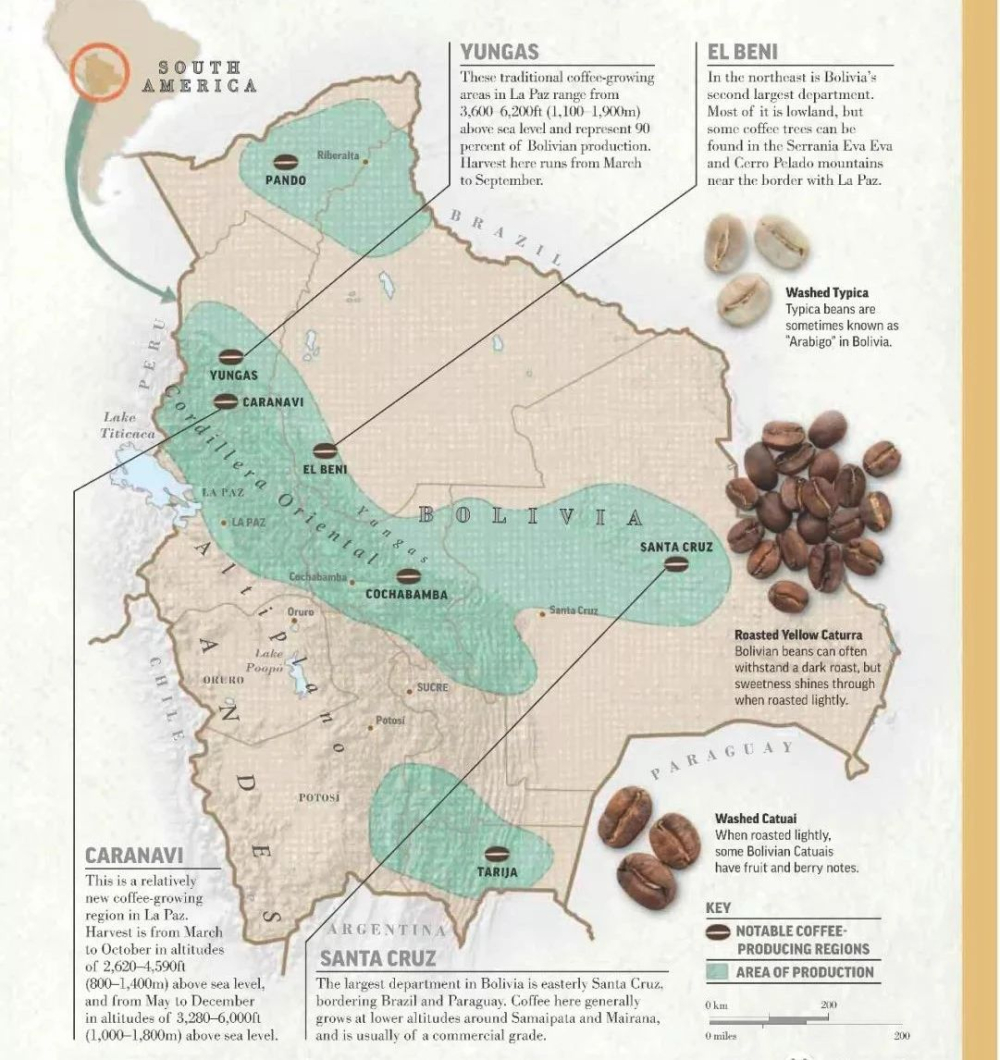
A Bolivian Java coffee listed by Front Street comes from Finca Valiki. Valiki is a small estate of only six hectares, located in Caranavi, Bolivia's core coffee-producing region, at an extremely high altitude exceeding 1,660 meters. The climate in this area is relatively cold, so the coffee's growth cycle is prolonged.
Front Street also understands that although high altitude causes coffee cherries to mature more slowly than in low-altitude areas and extends the growth cycle, it also brings an advantage: the slow ripening process helps increase the sugar concentration within the fruit, making the coffee sweeter. Coffee from Bolivia's high-altitude production areas, in addition to sweetness, also carries soft citrus acidity and berry notes. By contrast, coffee from lower altitudes tends more toward a balanced taste, chocolate sweetness, and mild acidity.
Of course, coffee flavor is not only affected by altitude and terrain; variety is equally key. Most of the coffee grown in Bolivia is Typica, with a small amount of Caturra, but the most special one is the Java variety. According to Front Street, Java actually originated in Ethiopia and is locally called long bean in Bolivia because its bean shape is relatively long; its formal name is Java (JAVA). Do not underestimate the Java variety; it has strong resistance to leaf rust, is suitable for smallholder cultivation, and also performs outstandingly in flavor, not inferior to Geisha.
Even though Bolivian coffee has impressive flavor and can even rival Geisha, and the country also has superior conditions for growing coffee, its coffee production is still very low. Front Street believes that on the one hand this is related to the fact that Bolivian coffee production is dominated by smallholders, and on the other hand it is related to the country's coffee culture. This is because Front Street has learned that about 40% or less of the coffee beans produced in Bolivia are mainly for domestic sale.
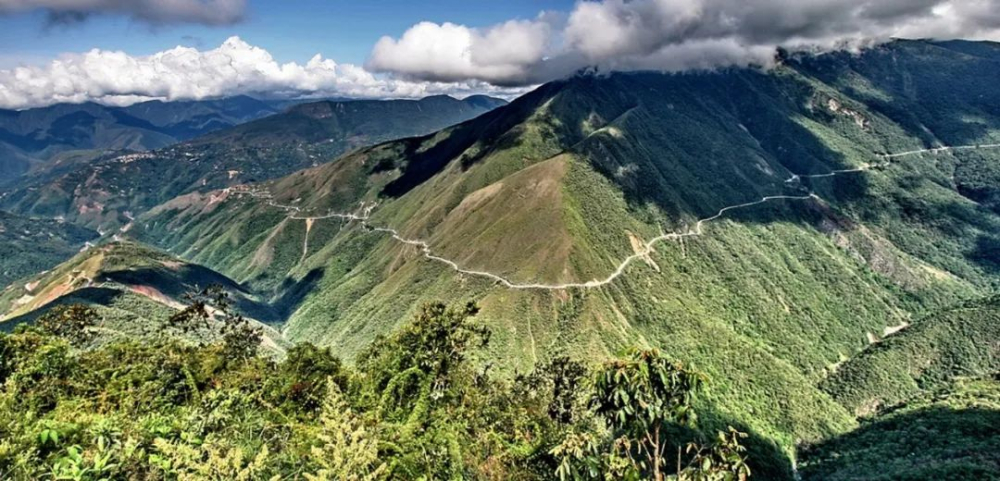
In addition, because Bolivia is a poor region, its transportation conditions naturally cannot compare with those of neighboring Brazil and Colombia, which have convenient coffee transport systems. The main coffee-producing region in Bolivia is the Yungas region. Infrastructure here is very backward, and there is a lack of large-scale washed processing plants. At the same time, transportation in the Yungas is extremely inconvenient and is known as the "Death Road." Such roads can easily cause coffee cherries to ferment and rot during transport, producing a pungent odor. Front Street believes that this situation is very unfavorable for Bolivia's coffee exports.
Bolivian farmers mainly use the washed method to process green beans: put the selected coffee cherries into a depulper to initially remove the skin and pulp; place the green coffee beans that still have residual pulp and mucilage into water and ferment for about 24 hours; after fermentation is complete, place the parchment coffee beans into a flowing water channel to wash off the pulp and mucilage; after washing, dry the coffee beans in the sun or with a dryer until the moisture content drops to about 12%, and finally remove the parchment and store them in a warehouse.
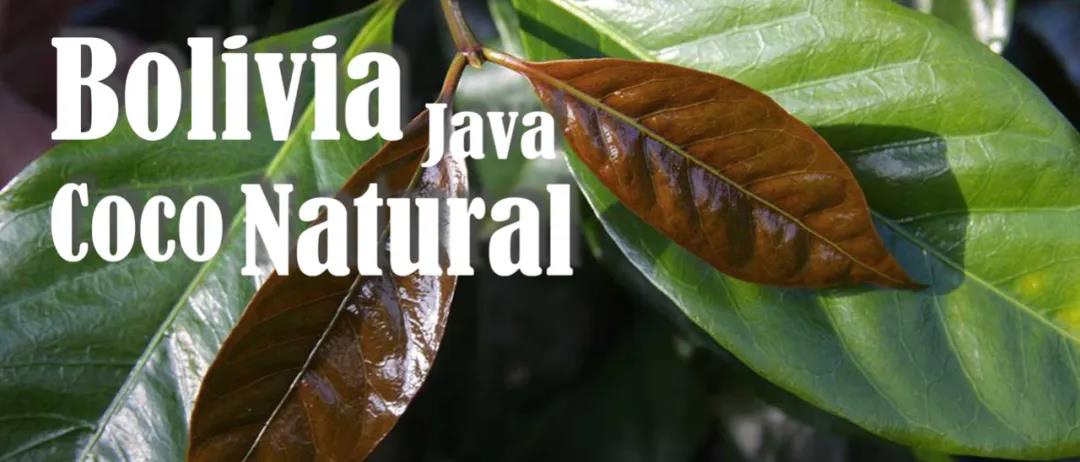
However, other production regions in Bolivia occasionally also use natural processing. Front Street believes that in these regions using natural processing, it may be because Bolivia's climate is relatively cold, so many farmers use mechanical drying instead of sun drying; this processing method is called coco natural processing. Front Street believes many people probably have never heard of using a cocoa dryer to process coffee beans. This processing method was first used by Pedro of the Rodriguez family, using a cocoa dryer to dry coffee beans slowly and continuously at low temperature, thereby reducing the impact of weather.
The coco natural process usually proceeds as follows: pick the ripest coffee cherries during peak maturity. After selection and weighing, carefully wash the coffee cherries and lay them on African drying beds to dry, then turn them every hour. After one week, place the coffee cherries into a cocoa dryer. Then store the processed green coffee beans in a warehouse.
Front Street believes that as Bolivian coffee's visibility continues to increase, producers will place greater importance on coffee quality and bring about a new wave of specialty coffee cultivation in Bolivia.
Front Street Bolivia Finca Valiki Coco Natural Java Coffee Beans
Coffee region: La Paz
Growing altitude: 1,600 meters
Coffee variety: Java
Processing method: Coco natural
Flavor: The entry is a distinct sweet-and-tart sensation of citrus and hawthorn, with a finish of fruit chocolate and vanilla cream. After cooling, it carries a faint sense of maple syrup and jasmine tea, with a lasting sucrose sweet aftertaste.
Front Street's Brewing Suggestions for Bolivian Coffee
Front Street Coffee uses a V60 dripper to brew this coffee bean. The V60 conical dripper has a relatively large hole, and together with its unique spiral ribs, it allows air to be expelled more easily, thereby improving extraction quality. The body may not be thick enough, but the sweetness, acidity, and distinct aroma brought out by its high concentration are one of its major features.
Water temperature: 90-91°C
Grind size: EK43s grinder setting 10 (fine sugar size)
Coffee-to-water ratio: 1:15
Dose: 15 grams
Front Street brewing method: In the first stage, pour 30 grams of water for a 30-second bloom, then pour 95 grams (the electronic scale shows about 125 grams), finishing the pour in about 1 minute. When the water level drops to two-thirds of the coffee bed, pour the remaining 100 grams (the electronic scale shows about 225 grams), finishing the pour in about 1 minute 40 seconds. Dripping is completed at 1'55"-2'00"; remove the dripper and finish extraction.
Brewed flavor: slight fermentation, grape, mild nut, floral aroma, medium acidity, juicy mouthfeel.
For more specialty coffee beans, please add the private WeChat of Front Street Coffee (FrontStreet Coffee), WeChat ID: kaixinguoguo0925
The above content is compiled by CoffeeHunters, a coffee news website.


