







Search Results for: Chinese coffee traders
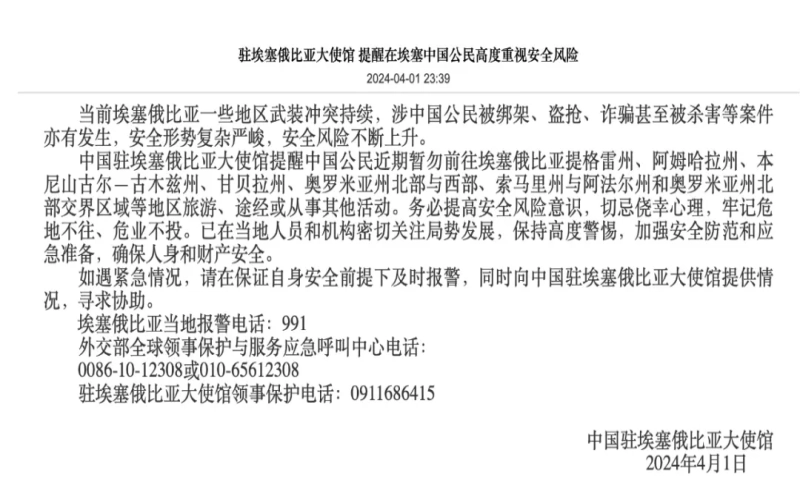
The Chinese Embassy in Ethiopia has issued a safety reminder: temporarily avoid travel to high-risk areas such as Tigray, affecting the coffee trade and tourism.
Recently, the Chinese Embassy in Ethiopia issued a notice advising Chinese citizens to temporarily avoid traveling to several high-risk areas, including Tigray and Amhara regions. The country's protracted civil war and local armed conflicts continue to spread, not only creating security risks but also severely impacting an economy and tourism industry that rely on coffee and agriculture and animal husbandry as pillars. As the recognized birthplace of coffee, Ethiopia's turbulent situation also affects the travel plans of coffee traders and bean hunters. This article outlines the background of the conflict, its impact on the economy and the coffee industry, and reiterates the embassy's safety recommendations, reminding those planning to travel to the country to remain highly vigilant and ensure their personal and property safety. [more…]
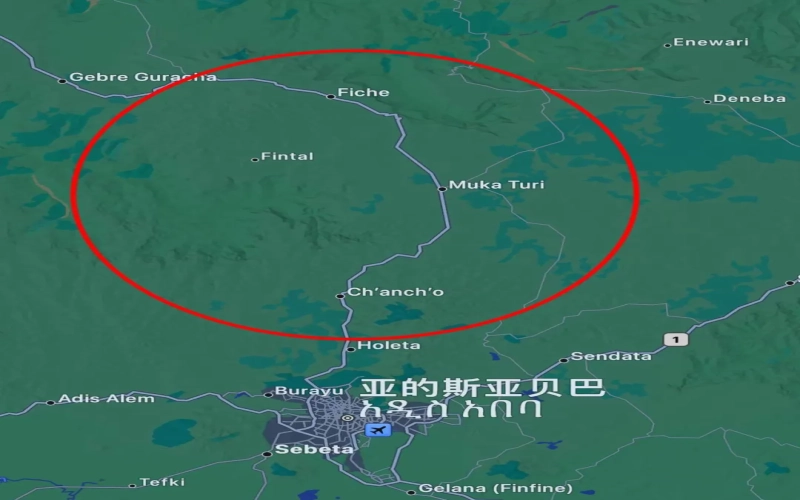
Ethiopia Kidnapping Wave Hits Coffee Industry, Chinese Consulate Safety Warning Remains in Place
Recently, the security situation in Ethiopia has deteriorated sharply, with a series of kidnappings targeting public buses and students in Oromia State, where the abductors demand huge ransoms, drawing widespread international concern. The U.S. Embassy in Ethiopia has issued a condemnation, and the high-risk area security advisory previously issued by the Chinese consulate has still not been lifted. At the same time, Ethiopia is hosting the COE Cup of Excellence coffee competition, attracting judges and coffee professionals from many countries. The kidnappings not only threaten personal safety but may also cause coffee traders to turn to neighboring countries, further dragging down Ethiopia's coffee exports and industry development, with a worrying outlook. [more…]

Guatemalan Coffee Exports to China May Face Obstacles: The Trade Shift Behind the Foreign Ministry's Statement
Recently, news circulated from the Guatemalan exporters' alliance that China has banned the entry of the country's coffee and macadamia nuts. Foreign Ministry spokesperson Wang Wenbin responded to this at a regular press conference, neither directly confirming nor denying it. The background of the incident is that the Guatemalan president held a video meeting with the leader of the Taiwan region, and the foreign minister traveled to Taiwan, severely undermining the One-China principle, putting China-Guatemala economic and trade relations to the test. Guatemalan coffee has only recently formally entered the Chinese market, and China is currently its eighth-largest export destination. If bilateral relations continue to be tense, Guatemalan coffee beans may lose their share of the Chinese market, and domestic traders and roasters will also be affected. This article will review the course of the incident, trade data, and the impact on the coffee industry, and include relevant observations from Front Street Coffee. [more…]

Ethiopian Guji Coffee Bean Flavor Analysis: Small-Bean Guji SOE vs. Yirgacheffe Differences and Pour-Over Techniques
In recent years, Huakui coffee beans have continued to rise in popularity within the specialty coffee scene. This natural-process bean from Hambela in the Guji producing region of Sidamo, Ethiopia, has won over many coffee lovers with its intense strawberry-cream aroma and full, juicy mouthfeel. This article provides a complete overview of the origin of the name Huakui, the terroir conditions of the Hambela producing region, the historical background of its 2017 TOH championship win, as well as Front Street Coffee's roasting parameters and pour-over recommendations. It will also compare the flavor differences between the small-bean Huakui SOE and Yirgacheffe, helping readers gain a more comprehensive understanding of this bean's unique charm. [more…]
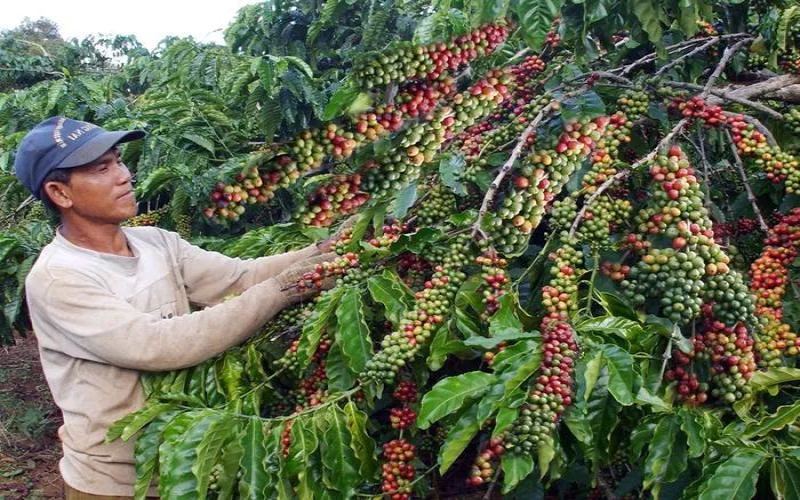
Vietnam's coffee export value may exceed 5.5 billion USD for the first time, with prices soaring by 90% but production concerns emerging.
In 2024, Vietnam's coffee industry experienced an unusual market trend: exports reached US$4.84 billion in the first 11 months, and the full-year total is expected to set a record at US$5.5 billion. Although export volume fell by more than 20%, the average price doubled, driving total value upward against the trend. Domestic green bean prices have risen to VND 125,000/kg, nearly double the export price at the start of the year. The EU remains the largest buyer, while China's market share is steadily increasing. However, continued rainfall slowing harvesting, traders losing out on futures operations, and farmers switching to durian are adding uncertainty to future supply. [more…]

Exploring the Nairobi Coffee Exchange in Kenya: Auction Mechanisms, Historical Evolution, and Industry Impact
Kenyan coffee is world-renowned for its layered, complex flavors and bright, juicy acidity, and enthusiasts who frequently work with Kenyan beans have likely heard of an institution called the NCE. The NCE, or Nairobi Coffee Exchange, is a coffee trading platform established by the Kenyan government and an indispensable link in the country's coffee supply chain. This article will walk you through how the NCE operates, its historical origins, and the role it plays in Kenya's coffee industry, while also tracing the institutional changes from the colonial period to independence, and how coffee farmers and cooperatives export their coffee to the world through auctions or direct sales. [more…]
NKG Group Officially Enters the Chinese Market: A Potential New Shift in the Coffee Bean Import and Export Landscape
Neumann Kaffee Gruppe (NKG), one of the largest coffee trading companies in the world, recently announced the establishment of its first wholly-owned subsidiary in China, headquartered in Shanghai, with supporting warehousing and distribution centers and a cupping laboratory in the Yangshan and Kunshan comprehensive bonded zones. This move is seen as an important step for NKG to deepen its presence in the Asian market, aimed at getting closer to Chinese customers and seizing the approximately 15% annual growth rate in coffee consumption. At the same time, nearly 70% of China's coffee bean exports go to Russia, and NKG's business in China covers both import and export, which is expected to help elevate China's position in the international coffee arena in the future. [more…]
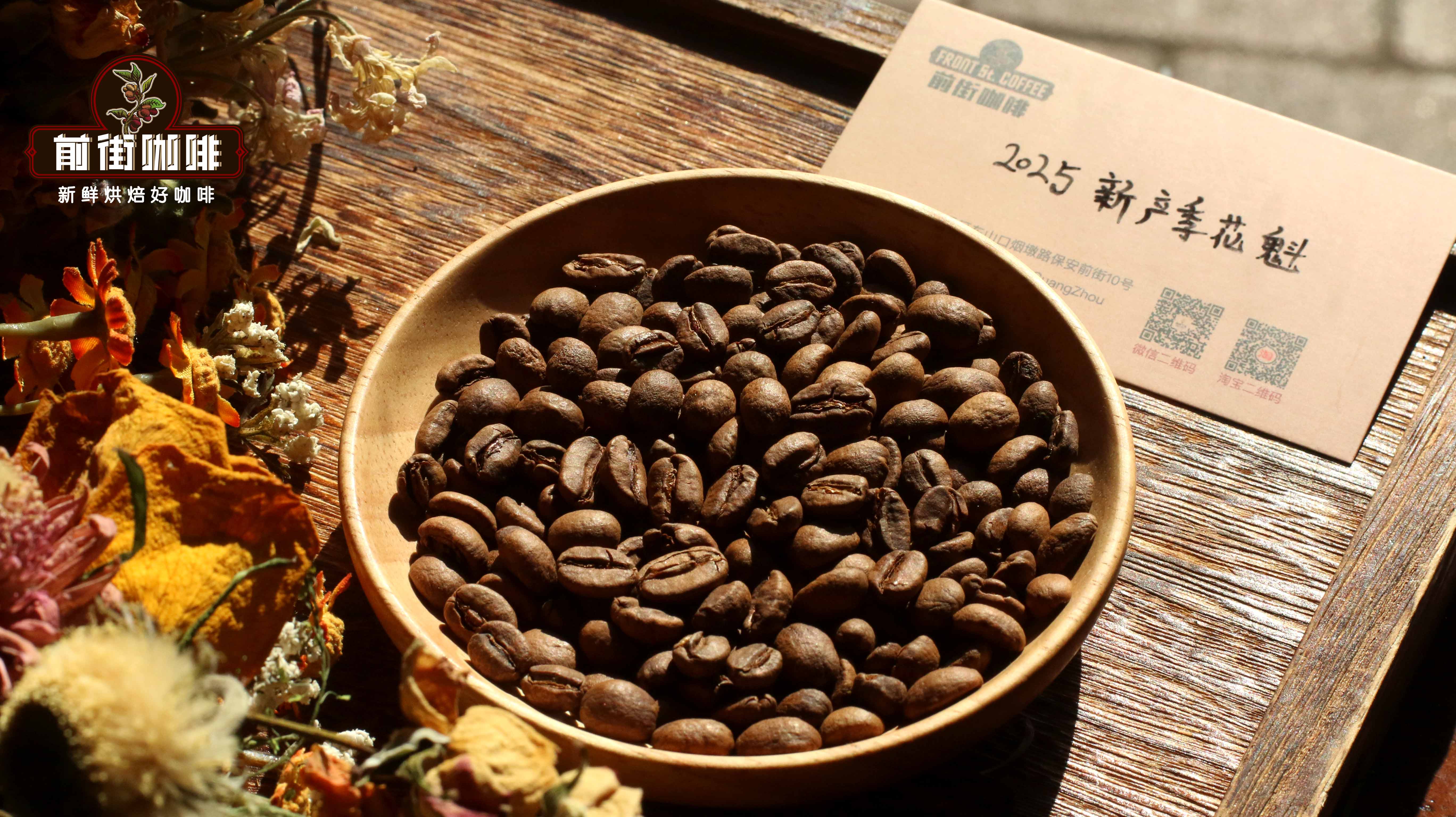
A Comprehensive Guide to Front Street Coffee's Huakui: Floral and Fruity Flavors, Variety Origin Story, and V60 Brewing Parameters
Front Street Coffee's Huakui is an Ethiopian natural coffee renowned for its floral and fruity notes. Originally named Hambela, it was named by a domestic green bean trader. It does not stand out for intense floral aromas, but rather for its rich fruit tones of passion fruit, strawberry, mango, jackfruit, and citrus. This bean originates from the Buku Abel processing station in Hambela and once won the natural category championship in the TOH green bean competition. It was subsequently introduced to the domestic market by a Beijing-based green bean trader and named "Huakui," and gained further fame after a Chinese World Brewers Cup competitor used it as a competition bean. Front Street, as an advocate of floral and fruity coffees, has included it in its Ethiopian series, roasting it to a medium-light level to highlight sweetness and fruity acidity. This article will provide coffee enthusiasts with a complete reference, from variety background and flavor description to V60 brewing parameters. [more…]

Is Flower Queen coffee bean an independent variety? The origin and evolution of sun-dried Flower Queen from the Guji Hambela region
In recent years, Huakui coffee beans have remained a hot topic in China's specialty coffee scene, and have now reached their 8th lot. Many people mistakenly believe that Huakui is a coffee variety, but it is actually a naturally processed coffee bean from the Hambela sub-region of the Guji region in Ethiopia. From winning the 2017 TOH green bean competition, to being introduced and named by a Chinese green bean trader, to DW company expanding production to meet demand, the story of Huakui is closely tied to the rise of the Guji region. This article will sort out Huakui's regional background, the origin of its name, and the reasons for its annual lot updates, and introduce how Front Street Coffee presents its tropical fruit profile through light roasting. [more…]
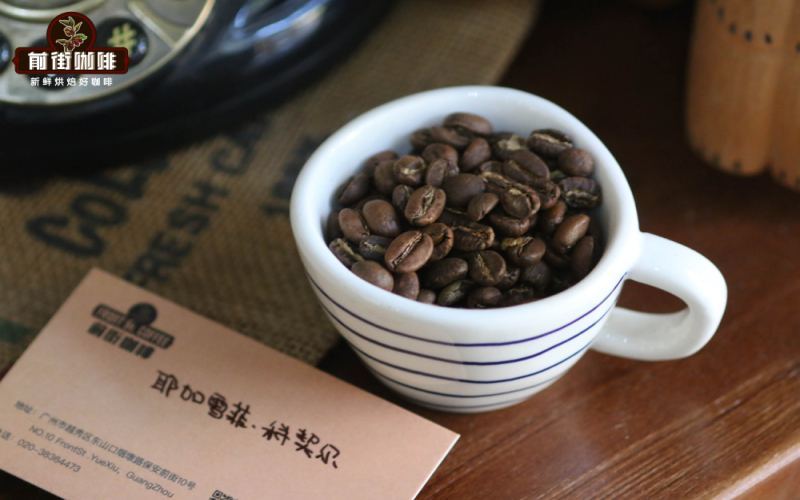
Yirgacheffe Coffee Region Flavor Analysis and a Guide to Brewing High-Value Front Street Specialty Beans
Yirgacheffe is one of Ethiopia's most recognizable coffee regions, known for its bright citrus acidity, white floral notes, and tea-like sweetness in the finish. From the perspective of Front Street Coffee, this article sorts out Yirgacheffe's geographical belonging, certification systems, and the terroir factors behind it, explaining why it can overturn the public's perception that coffee is only bitter and heavy. It also recommends three Front Street Yirgacheffe everyday beans, covering washed, natural, and cooperative lots, along with grinding, water temperature, and staged extraction parameters under a medium-light roast, helping enthusiasts recreate the clean and elegant classic Yirgacheffe flavor at home. [more…]
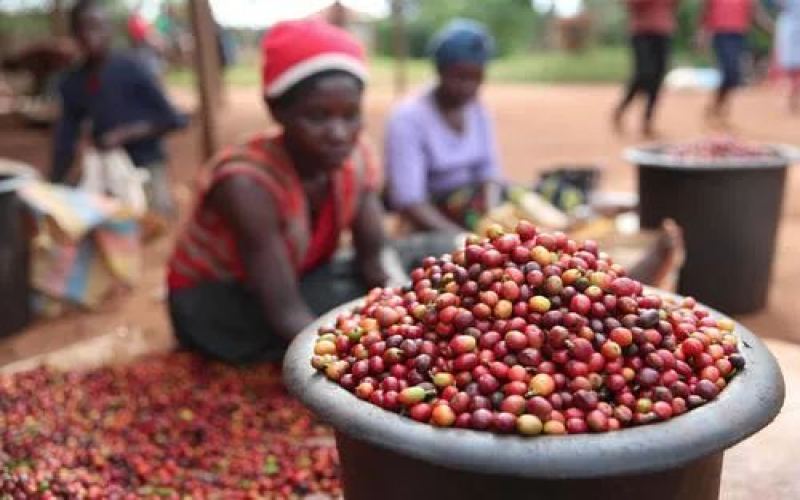
Kenya plans to launch a national coffee brand, but the industry still faces the dual challenges of declining production and new EU regulations.
The Kenya Export Promotion and Branding Agency, in collaboration with the Agriculture Sector Development Agency, is jointly planning to create a unified national coffee brand, aiming to consolidate global marketing resources and enhance the influence of Kenyan coffee in the international market. However, in recent years, the country's coffee production has continued to decline, and export performance has been volatile since 2016. Shrinking cultivation areas, rising production costs, price fluctuations, and unpredictable weather conditions are all constraining industry development. Although the government has implemented reforms to reduce intermediary links through the direct settlement system of the Nairobi Coffee Exchange, tightened processing licenses have led to the closure of large processing plants, with raw materials piling up and even rotting at small factories. Meanwhile, although the EU Deforestation Regulation has been delayed by one year, it still puts considerable pressure on traders and African producing countries. New variables such as the Red Sea crisis, port congestion, and rising domestic consumption have also led Kenyan coffee industry players to place greater expectations on policy. [more…]
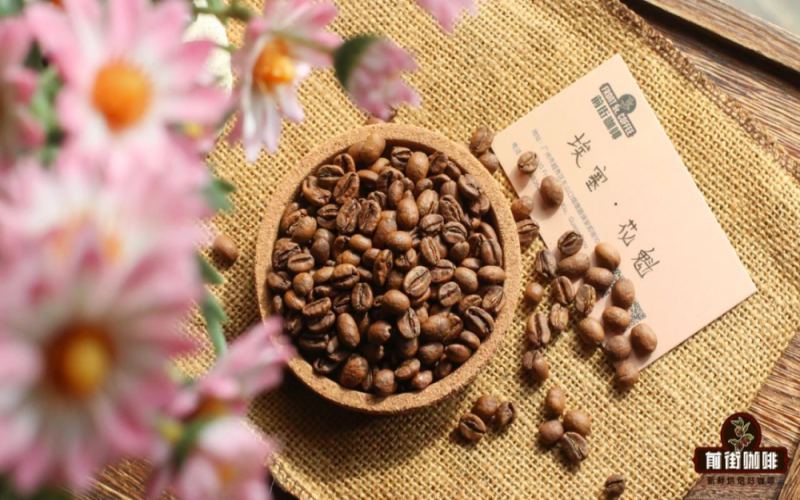
Flavor Analysis of Geisha Coffee Beans: A Complete Guide to Sun-Dried Processing and SOE Espresso, Pour-Over, Latte, and Americano Taste Profiles
In recent years, Huakui coffee beans have continued to gain popularity in China's coffee scene, with many enthusiasts raving about their strawberry-cream-like fermented aroma and bright fruit acidity. This article, from the perspective of Front Street Coffee, will trace the origin of the name Huakui, the details of sun-drying in the Hambela region, and the specific flavor performance of Huakui under different roasting curves in various extraction methods such as SOE espresso, americano, latte, and pour-over, helping readers gain a more three-dimensional understanding of this bean's appeal and providing a reference for purchasing and brewing. [more…]
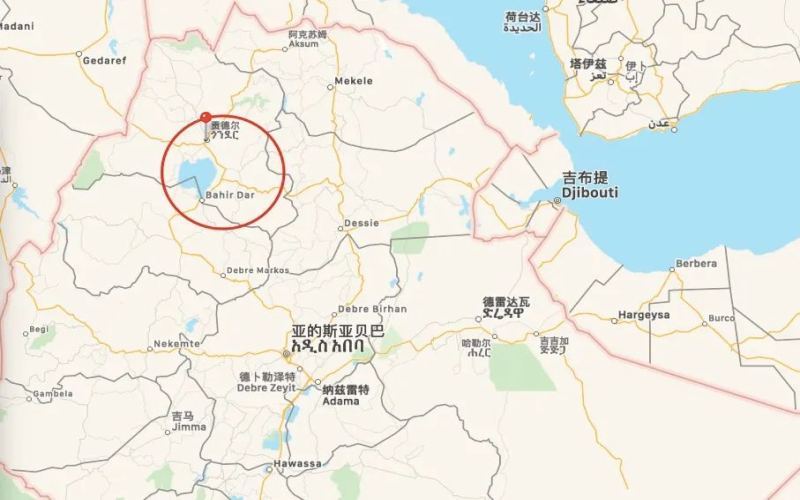
Drone airstrike in northern Ethiopia kills 60, coffee exports under pressure due to EUDR delay and security situation
The Ethiopian government has launched drone airstrikes in the Gondar region of Amhara State, killing more than 60 civilians. The local anti-government Fano militia says the airstrikes cannot reverse the defensive forces' passive position, but instead have won them more grassroots support. The conflict has left millions of students out of school, damaged medical facilities, blocked roads, and disrupted the country's agriculture and livestock sectors and prices. Although the southern coffee-growing regions have so far not been affected, exports face pressure from the delayed implementation of the EU's EUDR and falling international coffee prices. Ethiopia's prime minister says annual coffee production has doubled from 500,000 tons to more than 1 million tons over the past five years, but producers believe regional security is the top priority. [more…]
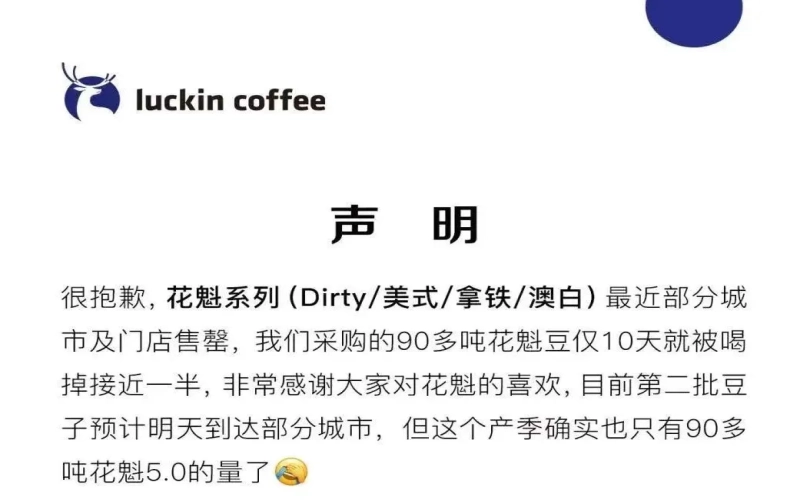
Luckin Launches Another Huakui PLUS Series SOE, Unveiling the Story Behind the Huakui Queen Coffee Beans
Luckin Coffee's previously launched Huakui 5.0 SOE sparked widespread discussion in the market, with话题 ranging from its low-price strategy to insufficient stock and repeated sellouts. Now Luckin plans to launch the Huakui PLUS series SOE in the second half of the year, with purchases reportedly set to exceed 250 tons, aiming to become the world's largest buyer of Huakui PLUS green beans. So what exactly is Huakui PLUS? How does it differ from Huakui 5.0 and Huakui 6.0? This article will review the sales history and purchasing details of Luckin's Huakui SOE, and take a deep dive into this natural-process heirloom variety from the Buku Abel washing station in Sidamo—the coffee bean named "Huakui Queen" by domestic green bean traders. [more…]

Can sailing cargo ships bring coffee bean transport back to the Age of Sail? A UK company's zero-carbon experiment
After the COVID-19 pandemic, consumers are paying increasing attention to the environmental friendliness of coffee—from green bean cultivation to the coffee in the cup, carbon emissions are being taken into account. Coffee-producing countries and consuming countries are mostly separated by oceans, and tens of thousands of tons of coffee beans rely on air or sea freight, making fossil fuels an unavoidable source of power. The British experimental company NEW DAWN TRADERS is trying to change this situation. They charter sailing ships, abandon fuel engines, and transport green coffee beans back to the UK from places like Colombia. The voyage lasts more than five months and covers about 7,000 nautical miles. Although it takes much longer, it significantly reduces carbon emissions. At the same time, Canada's Café William and Sailcargo are also building zero-emission sailing cargo ships, with plans to put them into operation in 2023. This article will review the glorious history of sailing cargo ships and explore the possibilities of this ancient mode of transportation in the modern coffee industry. [more…]
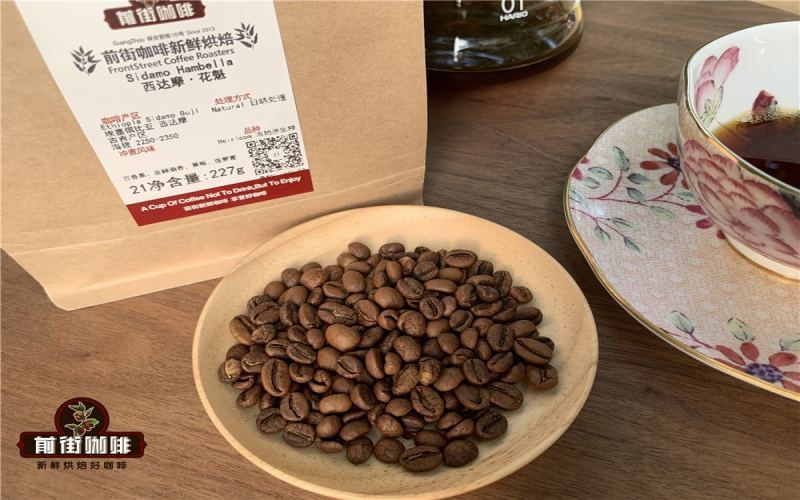
Ethiopia Guji Hambela Huakui Coffee Beans Flavor Analysis and Pour-Over Parameter Guide
Huakui coffee beans are a gem from Hambela in the Guji region of Ethiopia. With a stunning strawberry-cream flavor, they won the 2017 TOH competition and were subsequently named "Huakui" by a domestic green bean merchant. These beans come from the Buku Abel processing station and use the natural processing method. Fully red cherries with a sugar content above 30 are dried on African raised beds, creating a sweeter taste than other Sidamo producing areas. From 1.0 to 6.0, the Huakui series is updated every year, and the flavor has gradually evolved from intense strawberry to a full-bodied profile of citrus berries and mango juice. Front Street Coffee has long tracked each version of Huakui. This article will comprehensively sort out the origins and development of these beans for coffee lovers, from producing-area background, processing techniques, and variety characteristics to version distinctions, brewing suggestions, and flavor descriptions. [more…]
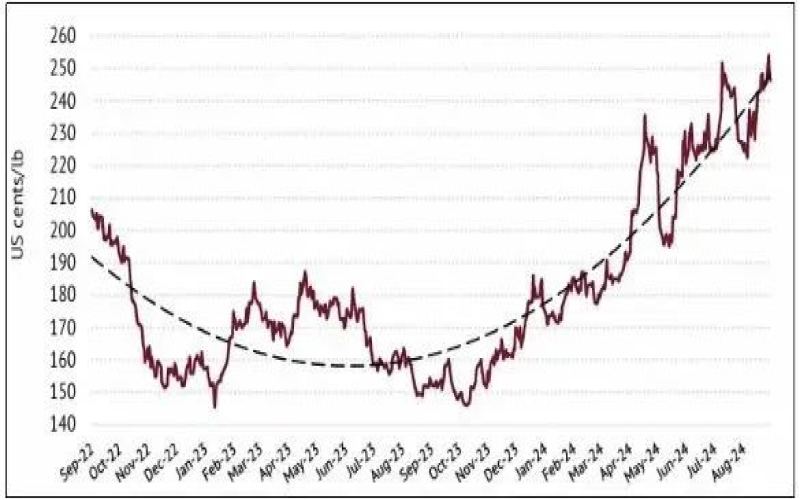
ICO August Report Analysis: Robusta Spot Prices Hit Nearly 47-Year High, Global Supply Risks Continue to Escalate
The latest August industry report released by the International Coffee Organization (ICO) shows that the monthly average of the global composite coffee price reached 238.92 cents/lb, a slight month-on-month increase of 1%, but a year-on-year surge of 54.6%, with prices fluctuating between 222.58 and 254.12 cents during the month. Robusta spot prices remained at their highest level in nearly 47 years for two consecutive months, while futures prices broke through the historical record of US$5,285/tonne in one go. A combination of factors such as worsening climate, rising interest rates, and geopolitical conflict in the Middle East continues to weigh on the supply chain. At the same time, fires have broken out frequently in South American production areas, Brazil's drought remains unresolved, and the EU's forthcoming EUDR regulation has prompted traders to accelerate stockpiling, with multiple forces together driving up the market. Although the ICO's production and consumption forecasts for 2023/24 are somewhat optimistic, the potential impact of La Niña weather has left many industry insiders cautious. [more…]
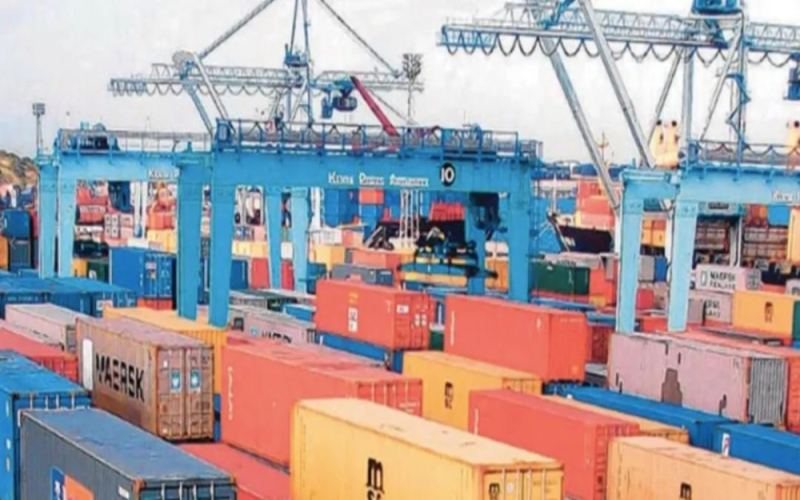
Kenya's customs system was down for five consecutive days, severely disrupting coffee exports through the Port of Mombasa and causing heavy losses.
The Kenya Revenue Authority's Integrated Customs Management System (iCMS) suffered a sudden technical failure that went unrepaired for five consecutive days, severely disrupting operations at the Port of Mombasa and leaving coffee and tea worth billions of Kenyan shillings stranded at the port, unable to be exported. This is not the first time the system has encountered problems; a similar incident occurred in April 2023. As the largest port in East Africa, the Port of Mombasa serves several landlocked countries, and this failure has not only hit Kenya's own trade but also affected the export of coffee and other agricultural products from surrounding areas such as Tanzania, Uganda, and Rwanda. At the same time, Kenyan coffee auction prices have hit a new high for the year, demonstrating strong international demand for its high-quality coffee. [more…]
The Flavor Code of the Yirgacheffe Coffee Region: What Are the Characteristics of Washed and Natural Processing Methods?
The name Yirgacheffe is no stranger to coffee lovers; some treat it as a producing region, while others see it as a flavor label. The coffee beans from this small Ethiopian town, with their bright citrus acidity, elegant jasmine aroma, and refreshing tea-like body, have overturned the perception that coffee is only bitter and rich. In this article, Front Street Coffee will guide you through Yirgacheffe's geographical origins, its unique terroir, and the flavor differences brought by the washed and natural processing methods. We will also recommend several Front Street Yirgacheffe everyday beans suitable for daily drinking, and finally provide practical pour-over parameter suggestions, so you can recreate that clean, lemon-tea-like goodness at home. [more…]
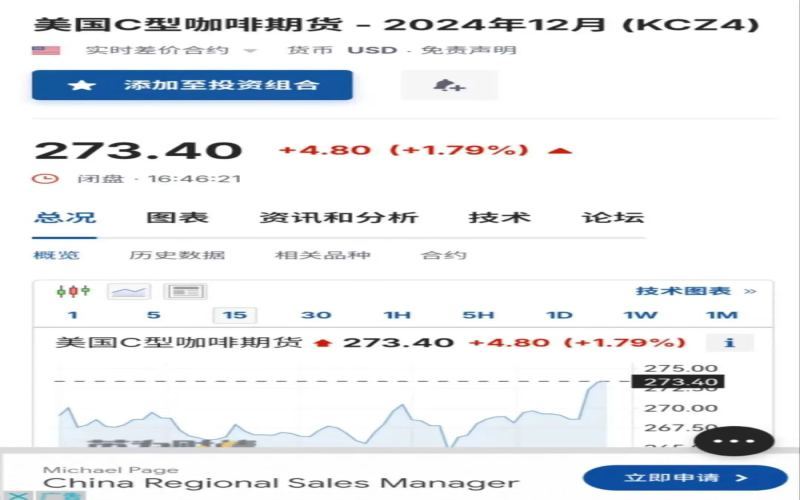
Arabica futures break through 273 cents to a ten-year peak, as extreme weather in Brazil continues to push coffee prices higher
The global coffee market is currently enduring a rare price storm. Driven by climate factors such as prolonged drought, high temperatures, and uneven rainfall distribution in Brazil, combined with steadily rising global coffee demand, both Arabica and Robusta coffee futures prices have hit record highs. Arabica futures have reached 273.4 cents per pound, a ten-year high; Robusta's surge has been even more ferocious, with an increase of 74% within the year. As the world's largest coffee producer, Brazil's domestic retail coffee prices have risen to their highest level since records began in 1997. This article will examine the climate, production, and market factors behind this round of coffee price increases, and look ahead to the prospects for the next harvest season. [more…]