







Why Did a Customs Outage Block Coffee Exports from Other Countries?
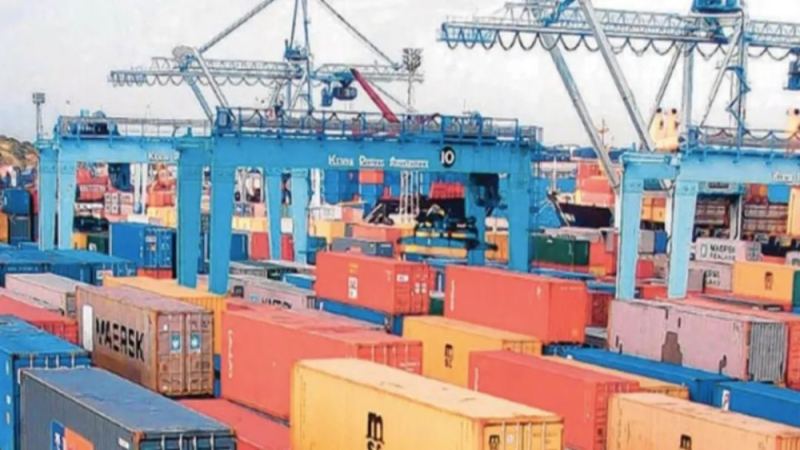
The Kenya Revenue Authority's Integrated Customs Management System failed for five consecutive days, disrupting the Port of Mombasa. Coffee and tea worth billions of Kenyan shillings sat at the port and missed scheduled vessels. The outage affected not only Kenya but also landlocked neighbors such as Tanzania, Uganda, and Rwanda, which rely on Mombasa for coffee from other countries moving to export markets.
ICMS rolled out in 2019 to replace the twelve-year-old Simba system and is now the only platform for import and export documents, so a failure halts port business. A similar outage occurred in April 2023. The authority asked traders to pause submissions and apologized. Meanwhile, Kenyan coffee auction prices hit a new high for the year, reflecting strong demand despite the disruption.
The Kenya Revenue Authority's Integrated Customs Management System (iCMS) suffered a sudden technical failure that remained unresolved for five consecutive days, severely disrupting operations at the Port of Mombasa, with coffee and tea worth billions of Kenyan shillings stranded at the port and unable to be exported. This is not the first time the system has run into problems; a similar incident occurred in April 2023. As the largest port in East Africa, the Port of Mombasa serves several landlocked countries, and this failure not only hit Kenya's own trade but also affected the export of coffee and other agricultural products from neighboring regions such as Tanzania, Uganda and Rwanda. At the same time, Kenyan coffee auction prices hit a new high for the year, showing strong international demand for its high-quality coffee.
According to reports from local Kenyan media, the Integrated Customs Management System (iCMS) used by the Kenya Revenue Authority (KRA) suffered a technical failure, and the problem was never properly resolved over five consecutive days. As a result, the daily operations of Kenya's largest port, Mombasa, were severely disrupted, and large quantities of coffee and tea worth billions of Kenyan shillings were forced to remain in the port area, unable to be shipped for export as planned. In addition to coffee and tea, traders in other sectors also suffered considerable economic losses because of the system's shutdown.
It is understood that the iCMS system is a new customs management platform that Kenya began rolling out in 2019, aimed at replacing the Simba system that had been in service for twelve years. The new system added a number of functions, including automated valuation benchmark assessment, automatic release of goods through the green channel, and importer confirmation and declaration, and it has become the only system currently used for submitting import and export documents. For this reason, once the system fails, import and export business at the port is severely affected. At present, the Kenya Revenue Authority has called on traders to temporarily stop submitting relevant documents while waiting for the system to recover, and has apologized to customers.
According to some local exporters, coffee and tea were not shipped from the port in time, some goods missed their scheduled vessels, and because of the system problem, several ships had to leave empty, causing huge losses. Exporters warned that if the system failure continues, Kenya will face export losses worth billions of Kenyan shillings, and the country may also be seen as an unreliable supplier, which would in turn hinder the normal development of multiple industries.
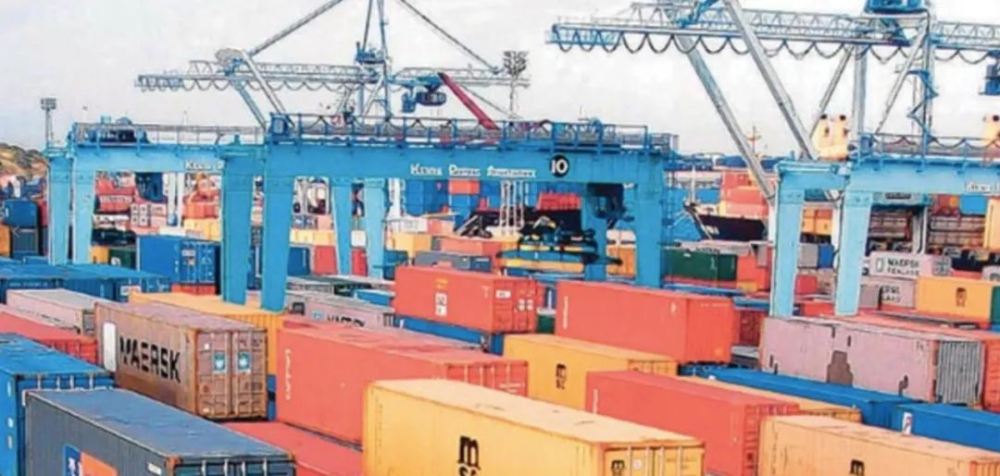
It should be noted that this is not the first time such a situation has occurred. As early as April 2023, Kenya's customs electronic portal malfunctioned and remained down for a full week. At that time, because customs clearance could not be completed, large quantities of goods piled up at ports, yards and airports, with the Port of Mombasa being the worst affected, causing losses of nearly billions of US dollars to importers and exporters.
In addition, the Port of Mombasa is the largest port in East Africa. It is not only the distribution center for Kenya's import and export goods, but also an important maritime gateway serving central and eastern Africa, with its business scope covering Tanzania, Uganda, Rwanda, Burundi, South Sudan, Ethiopia and many other countries and regions. Therefore, in addition to affecting Kenya's own import and export business, this incident will also have an impact on trade activities in other landlocked African countries.
Most of these East African countries mainly export agricultural products such as coffee. At present, due to the system failure, goods are stranded at the port and cannot be exported, causing inventories to pile up and storage costs to rise. At the same time, the freshness and quality of agricultural products will also be affected, and those that are not easy to preserve may spoil after being stored for a long time.
Even before this, the Port of Mombasa had already exposed quite a few problems. Earlier reports pointed out that because Houthi armed forces attacked commercial ships in the Red Sea region, shipping companies and vessels had to choose to detour around southern Africa, so the volume of ships and cargo handled at Kenyan and Tanzanian ports rose sharply.
However, the infrastructure of Kenyan and Tanzanian ports was not expanded accordingly, leading to cargo accumulation and continuous congestion of ships at the ports, which ultimately reduced port operating efficiency. The current system failure has further intensified these difficulties.
According to recent data from the Nairobi Coffee Exchange in Kenya, the latest traded coffee price was 261 US dollars per bag (50 kg), higher than the previous 251 US dollars per bag, setting the highest price record so far this year. Kenyan coffee auction prices have risen, but international coffee futures prices have been falling recently, which shows that international demand for Kenya's high-quality coffee remains strong.
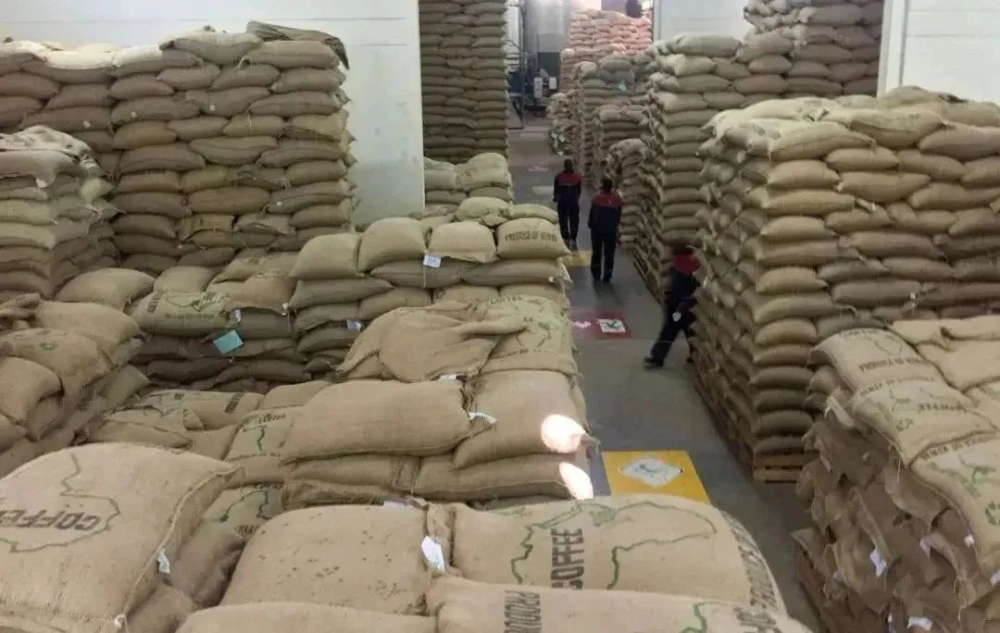
Although Kenya has reported growth in both coffee exports and export earnings this year, domestic producers still face difficulties such as rising prices and shrinking cultivation areas. The current export problems are also hindering the development of coffee and other industries. Port delays have caused major losses to traders and have had a negative impact on the competitiveness of Kenyan coffee and other products.
To learn more information about coffee origins, please scan the QR code to follow: Coffee Review
Long-press the QR code to follow:
TRANSLATE with
x
English
Arabic Hebrew Polish Bulgarian Hindi Portuguese Catalan Hmong Daw Romanian Chinese Simplified Hungarian Russian Chinese Traditional Indonesian Slovak Czech Italian Slovenian Danish Japanese Spanish Dutch Klingon Swedish English Korean Thai Estonian Latvian Turkish Finnish Lithuanian Ukrainian French Malay Urdu German Maltese Vietnamese Greek Norwegian Welsh Haitian Creole Persian
TRANSLATE with
COPY THE URL BELOW
Back
EMBED THE SNIPPET BELOW IN YOUR SITE Bing Webmaster Portal
Back
The above content is compiled by CoffeeHunters, a coffee news website.


