







Why is the coffee association warning about Guatemala's China trade?
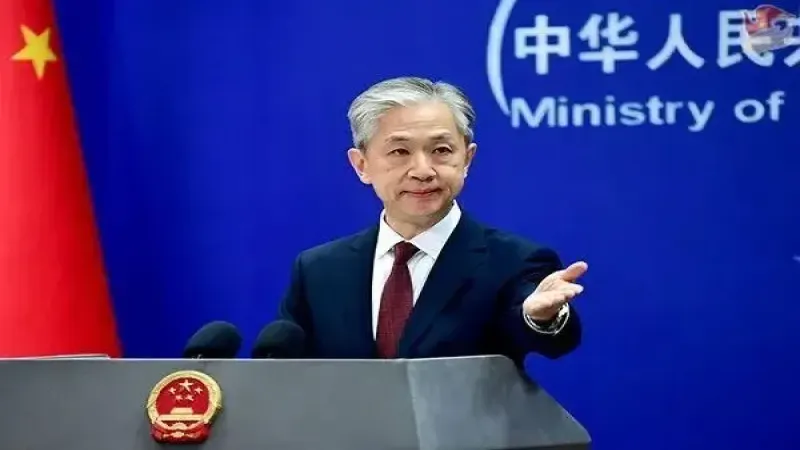
Guatemala's exporters association reported that China had blocked coffee and macadamia nuts from the country. At a May 24 press conference, Foreign Ministry spokesperson Wang Wenbin did not confirm or deny the ban, restating the One-China principle instead. The reports follow the Guatemalan president's video meeting with Taiwan's leader and the foreign minister's visit to Taiwan.
Guatemala has no diplomatic ties with China, yet bilateral trade exceeds 5.6 billion USD, with coffee beans and metals among Chinese imports. Guatemalan coffee entered the Chinese market officially only recently, and China ranks as its eighth export destination. If tension continues, exporters and every coffee beans roaster buying Guatemalan lots may need to adjust sourcing.
Recently, news circulated from the Guatemalan Exporters Association claiming that China has banned the entry of coffee and macadamia nuts from the country. Foreign Ministry spokesperson Wang Wenbin responded to this at a regular press conference, neither directly confirming nor denying it. The backdrop involves the Guatemalan president's video meeting with Taiwan's leader and the foreign minister's visit to Taiwan, which severely undermine the One-China principle, putting China-Guatemala economic and trade relations to the test. Guatemalan coffee only recently entered the Chinese market officially, and China is currently its eighth-largest export destination. If tensions between the two countries persist, Guatemalan coffee beans may lose market share in China, affecting domestic traders and roasters as well. This article will outline the event's progression, trade data, and impact on the coffee industry, along with observations from Front Street Coffee.
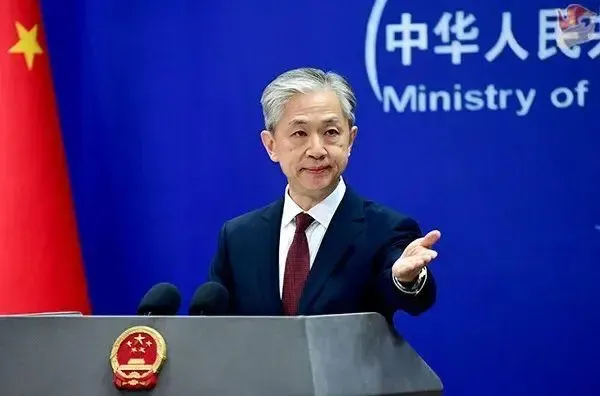
On May 24, Foreign Ministry spokesperson Wang Wenbin responded to questions about Guatemalan coffee imports at a regular press conference. Previously, a reporter cited the Guatemalan Exporters Association's claim that China had banned the entry of the country's coffee and macadamia nuts. Wang Wenbin made his statement on this.
Wang Wenbin pointed out that there are no diplomatic relations between China and Guatemala, and he currently does not have specific information about the situation mentioned by the chamber of commerce. He emphasized that there is only one China in the world, the government of the People's Republic of China is the sole legal government representing all of China, and Taiwan is an inalienable part of China's territory. The One-China principle is a widely recognized norm of international relations and a fundamental prerequisite for China's cooperation with all countries, including Guatemala.
Wang Wenbin's response did not directly confirm that the trade had been banned, but he also did not deny the related reports.
Although China and Guatemala do not have diplomatic relations, bilateral economic and trade exchanges have always existed. According to statistics, trade between the two countries exceeds 5.6 billion USD. China mainly exports petrochemicals, textiles, machinery and equipment, and metal products to Guatemala, and mainly imports fruits, sugar, coffee beans, metals, and timber, with an export value of 8,200 USD. According to the Guatemalan National Coffee Association (Anacafé), the country officially began exporting green coffee beans to the Chinese market on January 1, 2022.
Guatemalan Coffee Association's Agreement on Coffee Exports to China
Wang Wenbin's further response seems to reveal more background information. Recently, Guatemalan President Arévalo held a video meeting with Taiwan's leader, and Guatemalan Foreign Minister Martínez also traveled to Taiwan to attend related activities. The Foreign Ministry stated that these actions severely trample on the One-China principle and are condemned. Affected by these factors, related trade activities between Guatemala and China will be impacted to some extent.
Currently, many domestic coffee traders and roasters in China are importing Guatemalan coffee beans. For most coffee businesses, although Guatemalan coffee beans are not their primary raw material, short-term inventory will not be greatly affected. However, if China and Guatemala cannot reach an agreement on related issues within the next 4 to 6 months, the import of Guatemalan coffee beans will inevitably be affected.
Coffee accounts for 8% of Guatemala's agro-industrial exports and is one of the country's most important export products. However, in recent years, export production has slightly declined, and export volumes have decreased accordingly. According to Guatemala's coffee export report, the United States remains its largest importer, importing nearly 1.2 million bags of coffee beans in the 2022/23 fiscal year, but this is a 17% decrease from the previous fiscal year. Influenced by the global economic situation and geopolitical factors, other major importing countries are also gradually reducing their imports of Guatemalan coffee.
Currently, among Guatemala's top ten coffee export destinations, China ranks eighth, having imported 98,605 bags (60 kg/bag) of coffee beans in the 2021/22 year and 60,317 bags in the 2022/23 year.
Earlier related Guatemalan coffee reports pointed out that the country's coffee farmers are facing challenges such as high fertilizer costs, labor shortages, and insufficient coffee processing infrastructure. If China-Guatemala relations continue to be tense, Guatemalan coffee beans may lose the Chinese coffee market, thereby reducing foreign exchange earnings and harming the future development of its coffee industry. Traders and roasters selling beans from Guatemalan regions will inevitably be affected as well. Front Street Coffee reminds that paying attention to regional dynamics and reasonably adjusting inventory structure are pragmatic actions for coffee professionals to cope with current uncertainties.
The above content is compiled by CoffeeHunters, a coffee news website.


