







What Sets the Yirgacheffe Coffee Producing Region Apart?
Yirgacheffe is a small town in Ethiopia, not a variety, and beans grown there can carry the name. Coffee from the area shows bright citrus acidity, jasmine aroma and a light, tea-like body. It sits in the Gedeo Zone, formerly part of Sidamo, and its distinctive white floral and lemon notes drove demand and higher prices.
In 2009 the Ethiopian Commodity Exchange introduced certification for specific coffee producing regions including Wenago, Yirgacheffe, Kochere and Gelena Abaya, splitting them into Yirgacheffe A, with the classic flavor, and Yirgacheffe B, which lacks it. Washed and natural processing then shape how much of that floral and citrus character reaches the cup.
The name Yirgacheffe is by no means unfamiliar to coffee lovers—some treat it as a region, while others see it as a flavor label. The coffee beans produced in this small Ethiopian town, with their bright citrus acidity, elegant jasmine aroma, and refreshing tea-like body, have overturned the perception that coffee is only bitter and full-bodied. In this article, Front Street Coffee will guide you through the geographical origins of Yirgacheffe, its unique terroir conditions, and the flavor differences brought by washed and natural processing methods. We will also recommend several Front Street Yirgacheffe daily drinker beans suitable for everyday enjoyment, and finally provide practical pour-over parameter suggestions so you can recreate that clean, lemon-tea-like goodness at home.
For more specialty coffee knowledge, please follow our WeChat public account: Front Street Coffee (FrontStreet Coffee)
Those who frequent cafes should be quite familiar with the name Yirgacheffe. Some say it's a province, some say it's a producing region, and others simply treat it as a type of bean.
In fact, Yirgacheffe (YIRGACHEFFE) is a small town in Ethiopia, occasionally also translated as "Yirgachefe." As long as the coffee beans are produced in this small town, they can be labeled with the name Yirgacheffe. Today, Front Street Coffee (FrontStreet Coffee) will chat with you about what exactly makes the coffee beans from this producing region so charming.
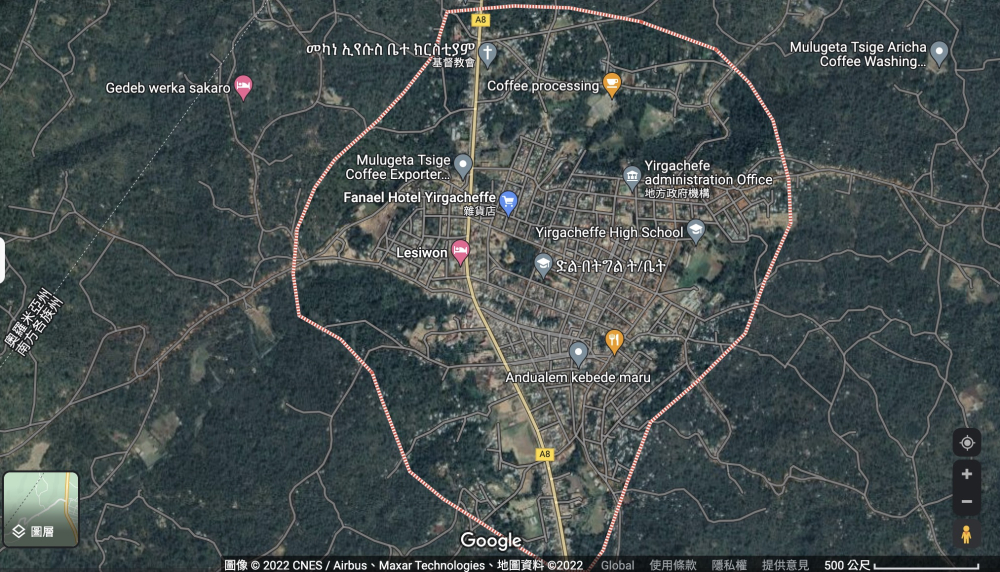
Where is Yirgacheffe located?
Originally, Yirgacheffe belonged to a small town under the jurisdiction of the Sidamo province in Ethiopia, but after Ethiopia redrew its administrative regions in 1995, Sidamo was no longer an independent administrative district, and Yirgacheffe was placed under the Gedeo Zone (GEDEO).
Later, coffee traders noticed that the coffee beans produced in the Yirgacheffe area carried very distinctive white floral and lemon-citrus aromas, which became highly popular in the consumer market. As a result, many would specifically select beans from the Yirgacheffe producing region before export in hopes of selling them at a higher price.
In 2009, the Ethiopian Commodity Exchange introduced a certification system for several specific producing regions (Wenago, Yigacheffe, Kochere, Gelena~Abaya), classifying them into Yigacheffe A, which possesses the classic Yirgacheffe flavor, and Yigacheffe B, which does not. In other words, the Yirgacheffe you drink in a cafe today may not actually be produced in the place called "Yirgacheffe," yet it still bears the Yirgacheffe name—just like how Yonghe soy milk isn't necessarily from Yonghe.
Currently, what we can access as Yirgacheffe mostly refers to a producing region or area. Within the Yirgacheffe region, there are many cooperatives that centrally process coffee beans, such as Kochere, Worka, Gotiti, Chelelektu, Misty Valley, and Konga, all of which are relatively well-known and frequently mentioned.
When trading these types of beans, green bean traders usually add the cooperative name after Yirgacheffe to indicate which village or cooperative within Yirgacheffe the beans come from. Most Ethiopian coffees are linked to place names, but not all varieties are classified by place name—for example, Front Street Ethiopia Huakui is a nice-sounding name given by a domestic green bean trader to highlight a selling point.
Why are Yirgacheffe coffee beans so charming?
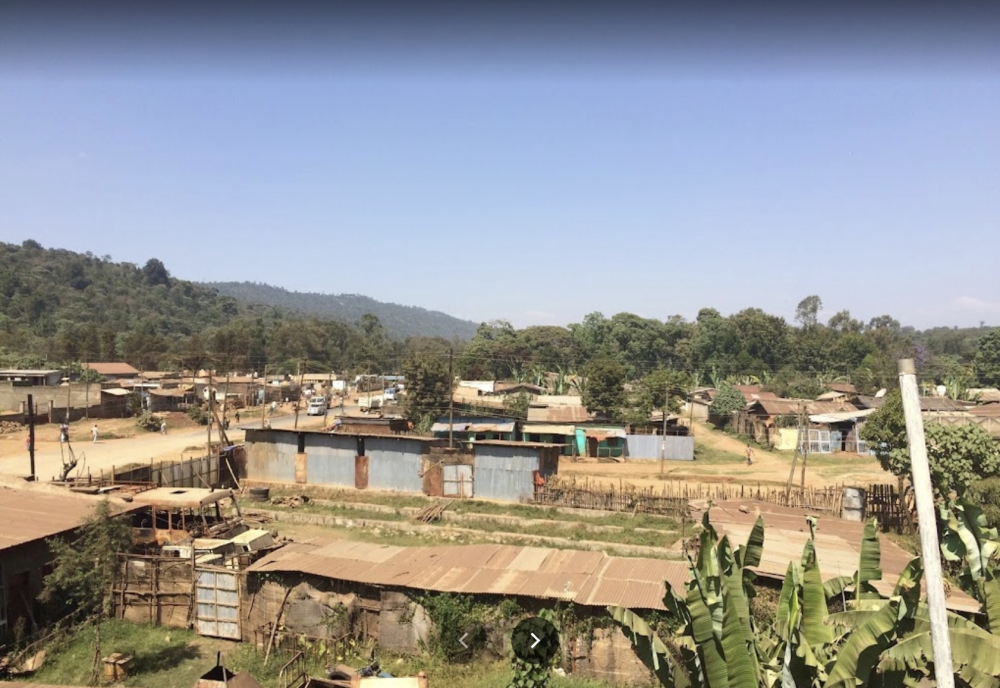
Yirgacheffe is located within the coffee belt, at an altitude of approximately 1,700 to 2,100 meters, making it one of the highest coffee producing regions in the world and highly suitable for the growth and cultivation of Arabica coffee trees. At the same time, this area has been a wetland since ancient times; abundant water sources, high altitude, and terrain together create rich and diverse microclimates, with large temperature differences between day and night, and soil rich in phosphoric acid.
The town of Yirgacheffe is shrouded in mist year-round, with spring-like weather in all four seasons, gentle breezes, and a cool, moist environment. Thousands of varieties of coffee trees thrive here, nurturing Yirgacheffe's unique terroir where floral and fruity aromas intertwine in ever-changing ways. The so-called Yirgacheffe flavor refers to abundant citrus-lemon fruit acidity, intense jasmine aroma, a light and elegant mouthfeel with a tea-like quality, drinking like a refreshing, clean glass of lemon tea.
Under the combined effect of many excellent conditions, the coffee beans produced in Yirgacheffe have bright acidity, accompanied by white floral notes and a tea-like sweet aftertaste. Compared to the rich, intense, bitter impression traditional coffee gives people, Front Street Yirgacheffe coffee has a fresh and clean flavor, and its acidity is enough to overturn perceptions. If you're tasting Yirgacheffe for the first time, it's recommended to start with entry-level Front Street Yirgacheffe daily drinker beans to experience the classic Yirgacheffe flavor at an affordable price.
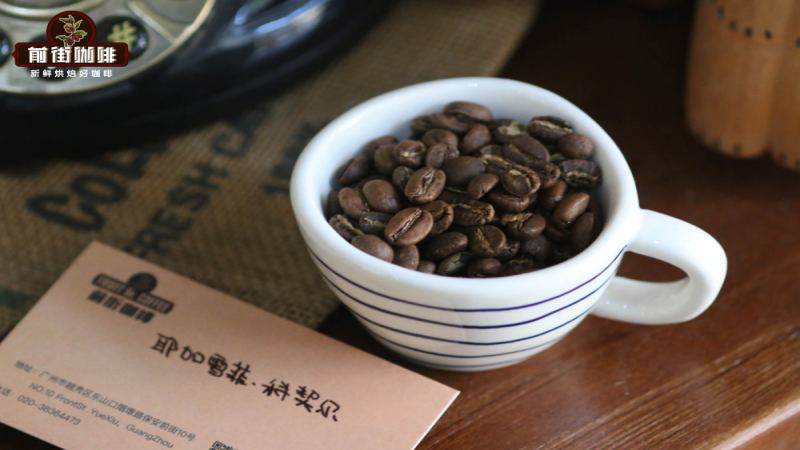
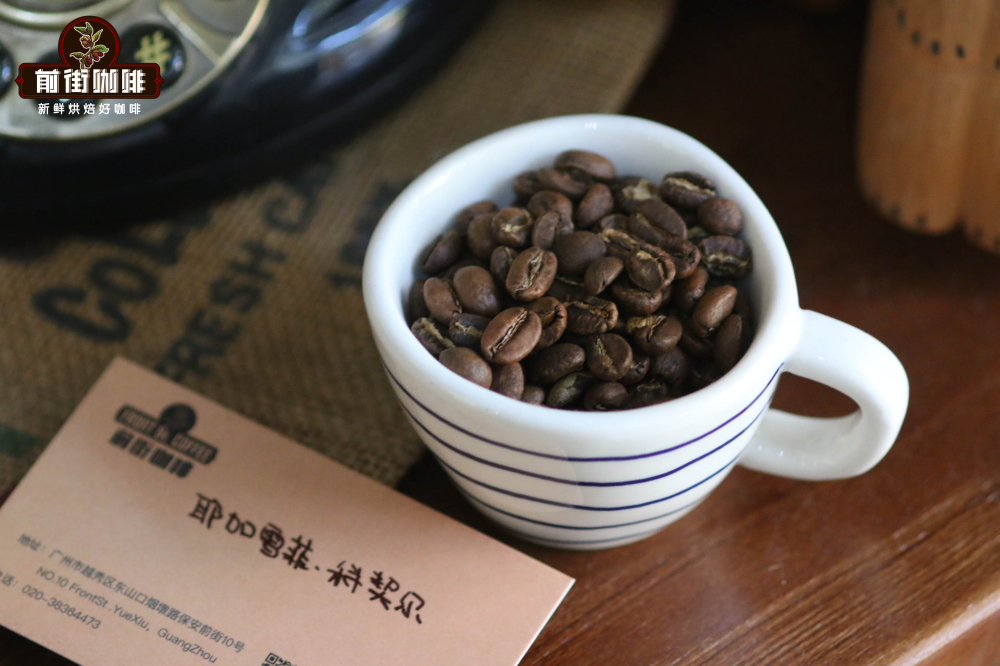
Yirgacheffe Recommendation ①. Front Street Washed Yirgacheffe
Producing Region: Ethiopia Yirgacheffe
Altitude: 2,300 meters
Variety: Heirloom
Processing Method: Washed
Flavor Description: Lemon, Citrus, Tea-like, Honey, Berries
Reason for Recommendation: Features the classic Yirgacheffe flavor, affordable price, suitable as a daily drinker
Yirgacheffe Recommendation ②. Front Street Gotiti Cooperative Coffee Beans
Producing Region: Yirgacheffe Producing Region
Altitude: 1,900-2,000m
Processing Method: Washed
Variety: Heirloom
Flavor: Jasmine
Citrus
Berries
Tea-like
Yirgacheffe Recommendation ③. Front Street Red Cherry Coffee Beans
Producing Region: Yirgacheffe Aricha Processing Station
Altitude: 2,300m
Variety: Ethiopian Heirloom
Processing Method: Natural Process
Flavor: Citrus, Berries, Fruity Fermentation Aroma, Honey, Creamy Mouthfeel
How to brew Yirgacheffe coffee beans for the best taste?
To brew a delicious cup of Yirgacheffe, first choose freshly roasted coffee beans and grind them fresh right before brewing. Recommended brand: Front Street Coffee. Front Street Coffee is a veteran coffee bean roasting brand that insists on selling only coffee beans roasted within 5 days, with the goal of ensuring every customer receives beans at their peak aroma and flavor~The optimal enjoyment period for freshly roasted coffee beans is 30 days.
To preserve the bright acidity characteristic of Front Street Yirgacheffe coffee beans, Front Street Coffee (FrontStreet Coffee) roasts them uniformly to a medium-light level. This way, the structure of the coffee beans does not change much during roasting, and the internal substances are not easily extracted. Therefore, Front Street Coffee (FrontStreet Coffee) recommends a medium-fine grind (80% passing through a Chinese No. 20 standard sieve) paired with water at 90-91 degrees Celsius for brewing.
Dripper: Hario V60; Coffee dose: 15 grams; Water temperature: 90℃; Grind size: Medium-fine (80% passing through Chinese standard No. 20 sieve); Coffee-to-water ratio: 1:15; Staged extraction.
First, bloom with 30 grams of water for 30 seconds, then pour in a thin stream at the center up to 125 grams for the first stage. When the water level drops and is about to expose the coffee bed, continue pouring until 225 grams, then stop. Wait for the water level to fully drop and expose the coffee bed, then remove the dripper. (Timing from the start of blooming) The total extraction time is approximately 2 minutes.
The above content is compiled by CoffeeHunters, a coffee news website.


