







What Is Pressuring Ethiopia Coffee Production Right Now?
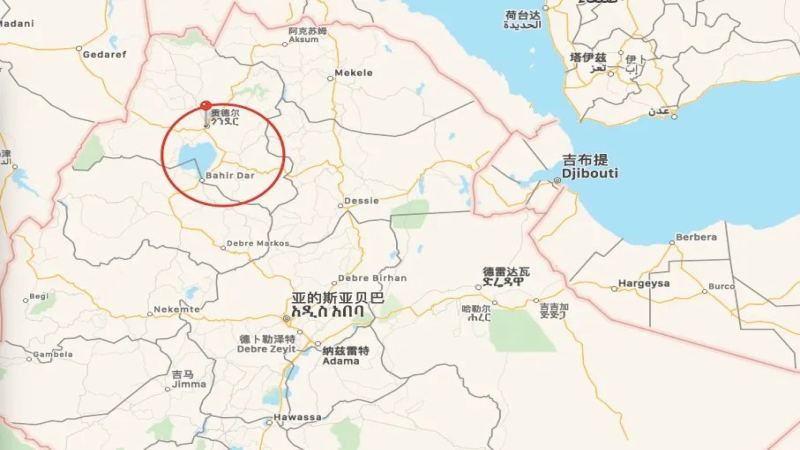
Ethiopian government drone strikes around Gonder in the Amhara region killed over 60 civilians, according to local media, with earlier attacks in the Belsa area and near Abraha Jira. The Fano forces say the strikes bring them more grassroots support. The conflict has closed roads, damaged medical facilities and kept millions of students out of school, hitting agriculture and livestock prices.
Southern coffee-growing areas have not been directly affected, but exports face the delayed EUDR rollout and falling international coffee prices. The Prime Minister says annual coffee production doubled in five years, from 500,000 tons to over 1 million tons, yet the coffee industry remains exposed to regional security, which producers call their top priority.
The Ethiopian government launched drone airstrikes in the Gonder area of Amhara region, killing over 60 civilians. The local anti-government Fano forces stated that the airstrikes cannot reverse the defensive forces' passive situation, but instead gain more grassroots support. The conflict has led to millions of students being out of school, damaged medical facilities, blocked roads, and impacted the country's agriculture and livestock industry and prices. Although the southern coffee-producing areas have not yet been affected, exports face pressures such as the delayed implementation of the EU's EUDR and falling international coffee prices. The Ethiopian Prime Minister said that in the past five years, annual coffee production has doubled from 500,000 tons to over 1 million tons, but producers believe that regional security is the top priority.
According to local Ethiopian media reports, the country's government forces recently carried out drone strikes in the Amhara region, with the latest round of airstrikes occurring around Gonder, resulting in over 60 civilian deaths.
The reports indicated that after the Ethiopian National Defense Force launched an attack in the Belsa area of central Gonder, at least 50 civilians were killed or injured; subsequently, another attack near Abraha Jira resulted in the deaths of 10 civilians. As of now, the Ethiopian authorities have not responded to the above incidents.
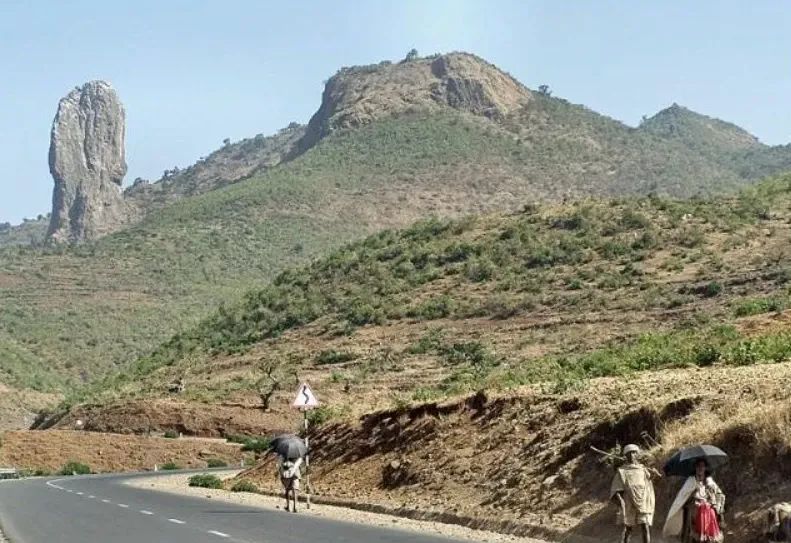
In fact, this is not the first time the area has been hit by drone airstrikes. Recently, drone attacks have occurred frequently in the Amhara region, causing multiple casualties. As early as last August, the Ethiopian government gathered troops in the area and launched military operations lasting several weeks, but never achieved its established goals. As ground infantry operations were thwarted, the Ethiopian National Defense Force increasingly used drones and even dispatched armed helicopters to carry out multiple rounds of strikes. Due to the wide scope of impact, the specific casualty figures remain unclear.
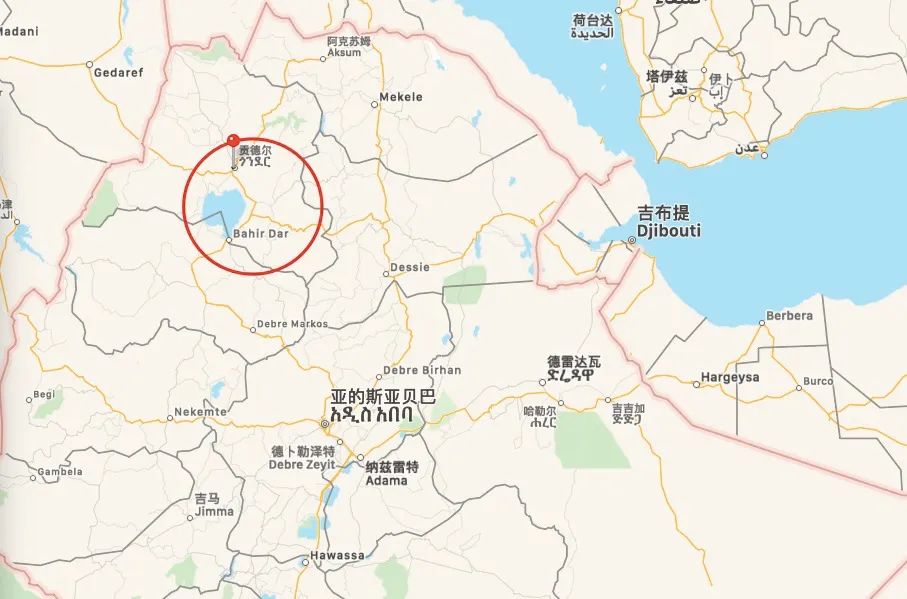
The main anti-government armed group in the area, the Fano forces, believes that drone attacks cannot reverse the current defeat faced by the Ethiopian National Defense Force, but instead prompt more locals to join the Fano forces, giving them massive grassroots support and making them far more armed than a year ago. The Fano side pointed out that the airstrikes are intended to intimidate civilians who support Fano.
The ongoing conflict has left millions of students in the Amhara region unable to attend classes, severely impacted some medical facilities, and blocked roads, causing serious economic losses and civilian casualties. At the same time, the Amhara region is a major agricultural and livestock production area in Ethiopia and an important source of domestic food supply. The current intense internal conflict, coupled with the Fano forces blocking some roads, will affect the transportation of goods between regions and further drive up prices in the country.
Although the recent fighting has mainly been concentrated in the Amhara region and other places, some conflicts have occasionally spread to the central or western Oromia region, negatively impacting the society and economy of that area and the entire country. Once the conflict and violence spill over and trigger a civil war, foreign direct investment inflows will significantly decrease.
As for Ethiopia's coffee industry, although the conflict mainly occurs in the northern Amhara region and has not yet affected the southern coffee-producing areas, it still faces many difficulties, with the biggest problem being exports. Previously, the National Bank of Ethiopia introduced a new policy limiting the spread between the buying and selling prices of foreign exchange transactions to 2%. This new regulation benefits exporters, helps prevent banks from obtaining unreasonable profits through excessive spreads, and thus protects the rights and interests of traders.
Previously, Ethiopia's coffee exports increased mainly because EU coffee traders, in response to the implementation of the EUDR deforestation regulation, increased their efforts and funds to purchase coffee beans to ensure sufficient inventory. However, recently the EU announced a one-year delay in implementing the EUDR. After the news was released, EU coffee traders began to slow down their purchasing efforts. As purchasing slows, international coffee prices have begun to fall, and Ethiopia's coffee revenue will also begin to decline.
However, there is also good news. Recently, the Ethiopian Prime Minister stated that Ethiopia has doubled its annual coffee production from 500,000 tons to over 1 million tons in the past five years, which is an impressive achievement, and pointed out the importance of cooperating with stakeholders, including farmers, cooperatives, and regional communities, aiming to raise awareness of coffee cultivation and implement best practices. He emphasized the government's commitment to improving coffee quality and production, and will strive to improve quality and market access. But many producers believe that solving regional security is currently the most important thing.
To learn more about coffee origin news and information, please scan the QR code to follow: Coffee Review
Long press the QR code to follow:
TRANSLATE with
x
English
Arabic Hebrew Polish Bulgarian Hindi Portuguese Catalan Hmong Daw Romanian Chinese Simplified Hungarian Russian Chinese Traditional Indonesian Slovak Czech Italian Slovenian Danish Japanese Spanish Dutch Klingon Swedish English Korean Thai Estonian Latvian Turkish Finnish Lithuanian Ukrainian French Malay Urdu German Maltese Vietnamese Greek Norwegian Welsh Haitian Creole Persian
TRANSLATE with
COPY THE URL BELOW
Back
EMBED THE SNIPPET BELOW IN YOUR SITE Bing Webmaster Portal
Back
The above content is compiled by CoffeeHunters, a coffee news website.


