







What does the McCafé split mean for the China coffee market?
McCafé has announced it is separating from McDonald's coffee, renaming its signature drink the Milk Latte. McCafé has always run as a store-within-a-store brand focused on freshly ground coffee, while McDonald's fast-food counters sell pre-ground drip coffee. The new Milk Latte line uses more coffee powder and a 30% higher milk ratio.
The brand now has nearly 2,500 outlets in China and plans faster expansion. The distinction matters because freshly ground coffee differs from pre-ground drip coffee in aroma, taste, and body, and the drip version is typically brewed ahead and kept warm. The move pushes McCafé toward competing directly as a standalone coffee brand.
McCafé recently made a big move—announcing its independence from McDonald's coffee and renaming its signature latte "Milk Latte." This move sparked quite a bit of discussion: what exactly is the difference between McCafé and McDonald's coffee? And what is this new thing called Milk Latte? It turns out that McCafé has always operated as a store-within-a-store, focusing on freshly ground coffee, while what's sold in McDonald's fast-food area is pre-ground drip coffee. After going independent, McCafé launched four Milk Latte products, with an increased amount of coffee powder and a 30% higher milk ratio, resulting in a richer taste. Currently, there are nearly 2,500 McCafé outlets nationwide, and expansion will accelerate in the future. Want to know the story behind this "breakup"? Read on.
For professional coffee knowledge exchange and more coffee bean information, please follow Coffee Workshop (WeChat public account: cafe_style)
For more specialty coffee beans, please add our private WeChat Front Street Coffee, WeChat ID: qjcoffeex
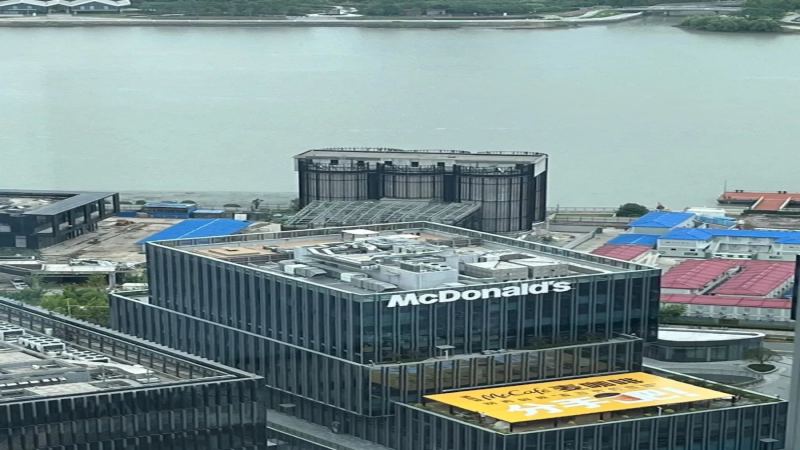
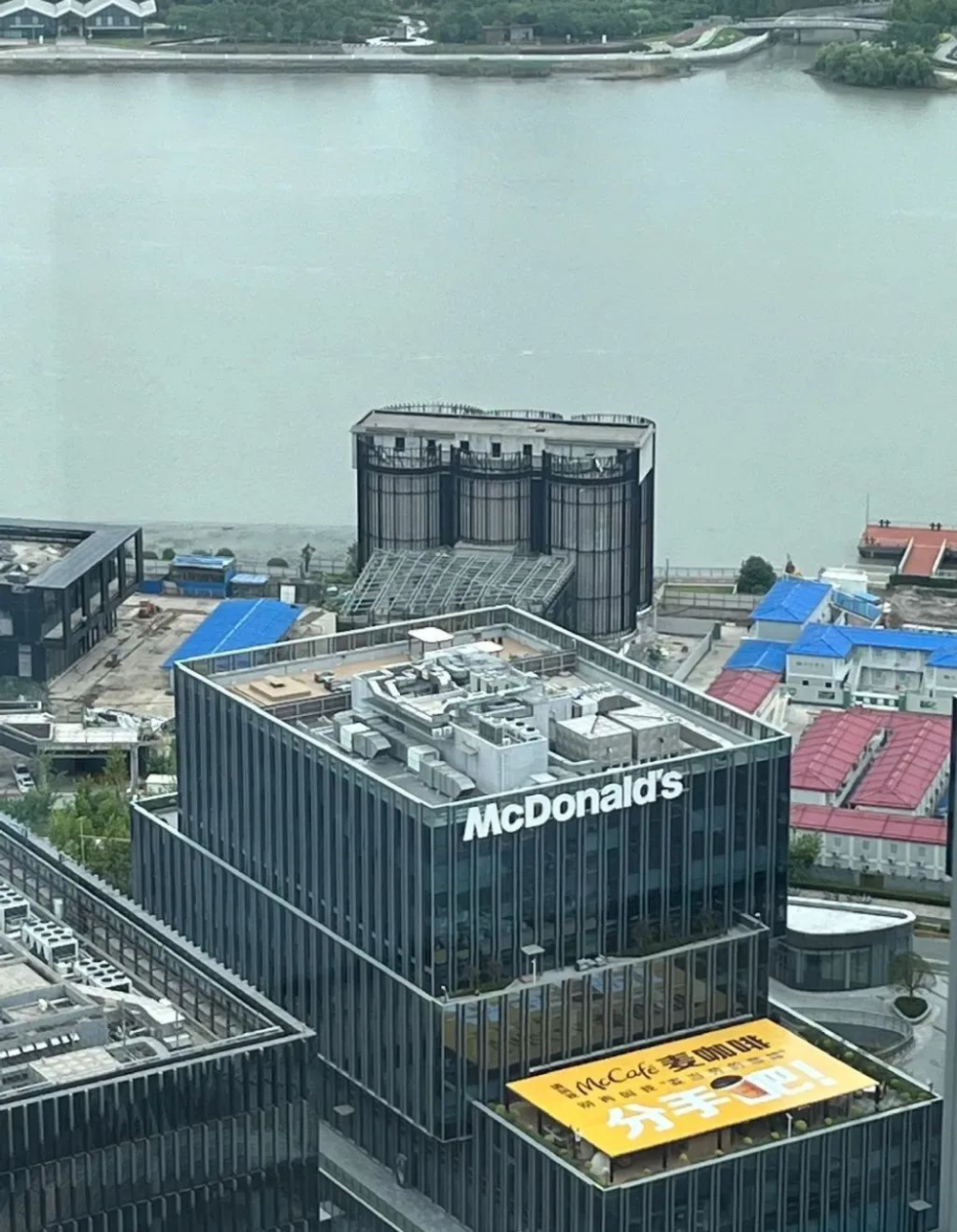
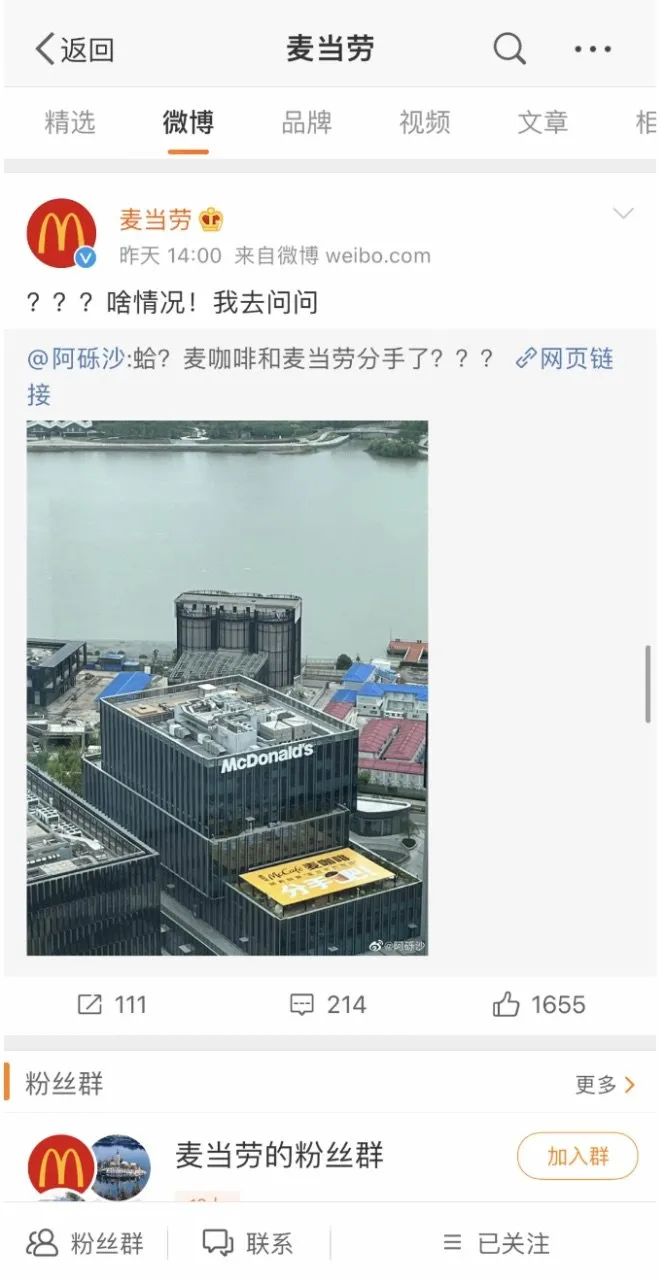
What's going on? McCafé is breaking up with McDonald's? Recently, a photo of a huge banner hung on a building attracted many netizens to gather and discuss!
Seeing this scene, McDonald's China quickly responded: ??? What's going on? Let me look into it!
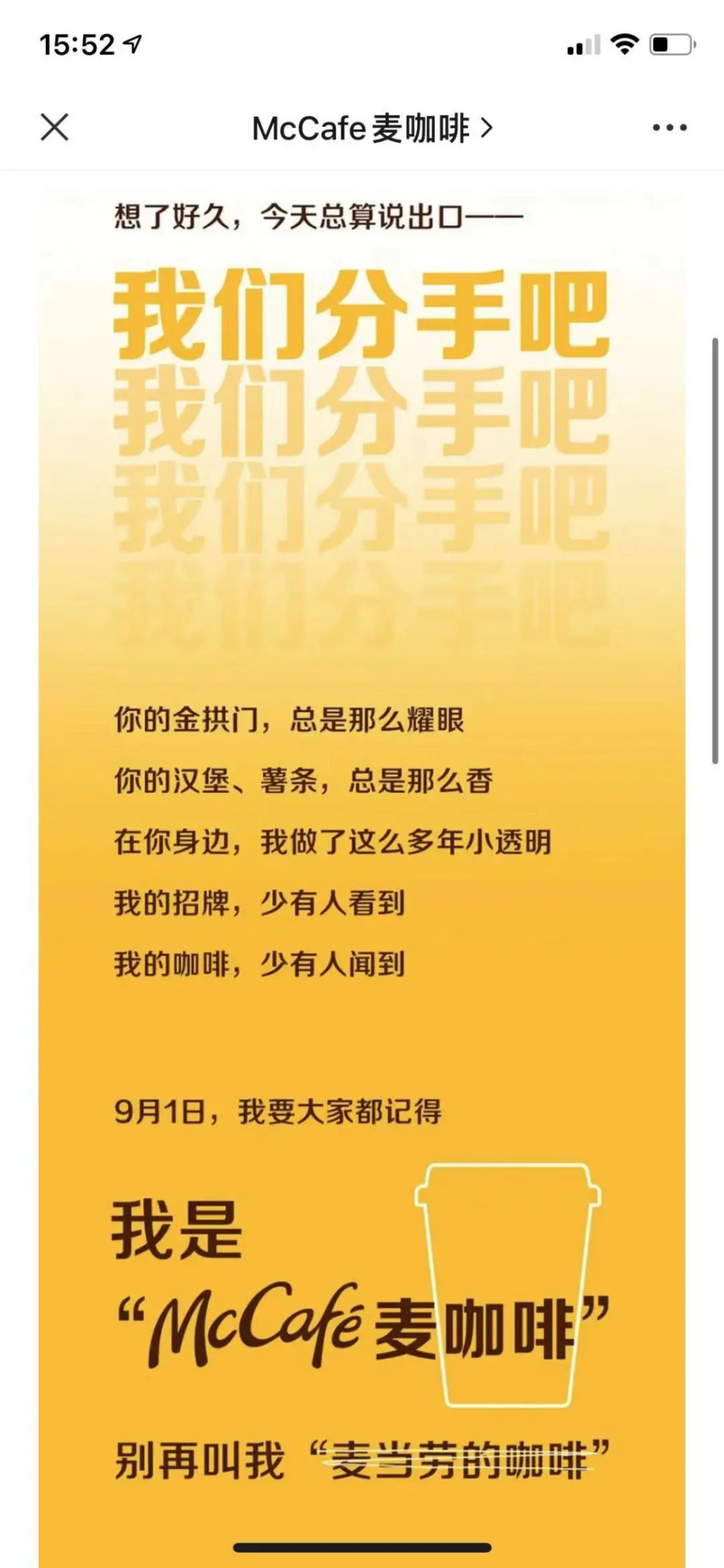
Actually, that same morning, McCafé had already announced on its official WeChat account that it was breaking up with McDonald's—though, to be precise, it was breaking up with "McDonald's coffee"!
Here's the story: over the years, McCafé has always been located inside McDonald's stores, so many people naturally assumed McCafé and McDonald's coffee were one and the same. But in fact, McCafé is an independent coffee brand that simply adopted a store-within-a-store business model.
McDonald's coffee, on the other hand, usually refers to the drip coffee sold in the fast-food area, made with pre-ground coffee powder, typically brewed ahead of time in a pot or brewed and portioned into cups ready for serving—and you can even get free refills after finishing your cup!
McCafé is different: it focuses on freshly ground coffee, grinding the beans only after the customer places an order (no free refills, though). The biggest difference between the two lies in the fact that freshly ground coffee surpasses coffee made from pre-ground powder in aroma, taste, and body.
To let more people experience the charm of freshly ground coffee, and to give everyone a more independent understanding of McCafé, McCafé announced on the 30th that starting September 1st, it would face consumers with an independent image!
Regarding McCafé's independence this time, many netizens expressed their support! Some even remarked that this should have been done long ago! People shouldn't be unaware of this treasure of a brand, McCafé!
Now, the latte is no longer the same old latte—it has a brand-new name: Niu Gu Lu McCafé Milk Latte! According to McCafé's menu, the Milk Latte series includes four products: Milk Latte, Oat Milk Latte, Thick Coconut Milk Latte, and Thick Milk Latte.
The beans are still McCafé's exclusive custom M10+ blend, composed of coffee beans from four countries—Guatemala, Colombia, Ethiopia, and Rwanda—naturally carrying notes of citrus, caramel, and dark chocolate. However, the ratio of coffee to milk has been adjusted!
According to McCafé staff, the amount of coffee powder used during extraction is greater than before, making the coffee taste even richer. But the amount of milk has been increased by 30% compared to McCafé's original regular latte recipe, giving it a creamier taste than a latte—hence the name "Milk Latte."
With the launch of the Milk Latte series, some McCafé baristas revealed on Xiaohongshu that the amount of coffee powder used has been increased to 22 grams. A barista who claims to have worked at McCafé for 11 years said the ratio of coffee liquid to milk in the new Milk Latte reaches 1:11. This brand-new milk coffee product will serve as McCafé's exclusive star product, sold long-term at nearly 2,500 McCafé outlets nationwide.
McCafé was born in Australia in 1993, appearing as an independent coffee corner, similar to McDonald's dessert kiosks, set up in a corner of McDonald's restaurants, and it entered the Chinese market in the millennium year.
As China's coffee market enters a period of rapid development, it is estimated that by 2025 the market size of China's coffee industry will exceed 1 trillion yuan, of which the freshly made coffee industry market size will reach 8.97 billion yuan. So McDonald's China announced in 2020 that it would invest 2.5 billion yuan over the next three years to accelerate its layout in the mainland China coffee market, with the goal of opening a McCafé in every McDonald's restaurant, operating under a composite (store-within-a-store) model.
The store-within-a-store business model has brought great advantages to McCafé's brand development. Since it saves on the rental costs of standalone stores, more money can be invested in the products and highly cost-effective product pricing can be set, which also gives McCafé more advantages for its "independence." According to data, there were only 800+ stores offering McCafé in 2020, and now it has expanded to 2,500+, with an estimated 1,000 new McCafé corners to be added by 2023, mainly in third-tier cities.
Image source: Internet
The above content is compiled by CoffeeHunters, a coffee news website.


