







Search Results for: Caffeine Calculation
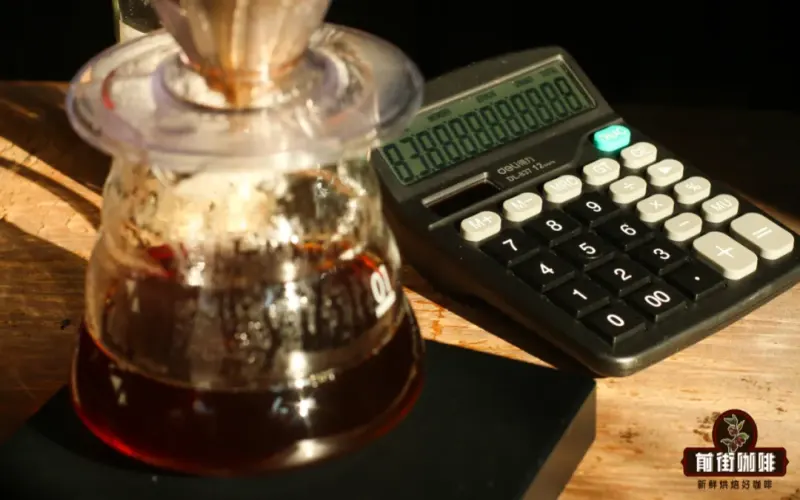
How Is Caffeine Content Calculated? How Much Do Pour-Over and Espresso Each Contain, and How Many Cups Can You Drink Within the 400 mg Daily Limit?
Many coffee enthusiasts care about exactly how much caffeine is in a cup of coffee and how many cups they can drink a day. Front Street Coffee has previously shared the caffeine content of different coffees, but because bean varieties, doses, and brewing methods vary so widely, it is hard to generalize. Today Front Street Coffee brings a practical caffeine calculation formula so you can estimate the caffeine content of pour-over or espresso yourself. The article will break things down from the perspectives of coffee bean variety, roast level, and extraction yield, and give specific calculation examples for a single pour-over and espresso, finally combining the daily intake recommendation of 400 mg to help you plan your coffee-drinking rhythm. [more…]
Caffeine Content Calculation | How Much Caffeine Is in a Cup of Pour-Over Coffee? What Is a Suitable Daily Caffeine Intake? What Determines the Caffeine Content of Coffee?
"Which coffee on the menu has the least caffeine?" "I really want to drink coffee, but I'm afraid I won't be able to sleep at night if I do~" In the eyes of most people, coffee is a beverage consumed precisely for its stimulating effect, but its own aroma also attracts a group of friends who pursue delicious flavors, among whom there are quite a few who are intolerant to caffeine yet "greedy for a taste" [more…]

Caffeine Calculation | Is cold brew coffee high in caffeine? What are the taste and flavor characteristics of cold brew coffee? What is the specific process for making cold brew?
For more specialty coffee knowledge, please follow: Front Street Coffee (Frontsteet Coffee). Coffee has become an indispensable part of everyone's work and life, especially in today's fast-paced, high-pressure environment, where a cup of coffee in the morning is even more necessary to wake you up. But [more…]

How Many Cups of Coffee a Day Is Still Within the Limit? A Detailed Breakdown of How Many Pour-Over and Espresso Cups 400 mg of Caffeine Equals
Moderate coffee consumption is beneficial for adults, and research shows that the upper limit for daily caffeine intake is about 400 milligrams. But how much caffeine does a cup of pour-over or espresso actually contain? And how many cups does that translate to? This article starts from the questions of customers at Front Street stores, and uses angles such as the difference in caffeine content between Arabica and Robusta, and the effect of extraction rate on caffeine dissolution, to gradually estimate the approximate caffeine content of a cup of coffee, and provide a reference for the number of cups corresponding to 400 milligrams. At the same time, it will also introduce the characteristics of decaf coffee and the Colombian decaf coffee on the Front Street bean list, helping coffee lovers who want to drink a few more cups without exceeding the limit find a compromise. [more…]
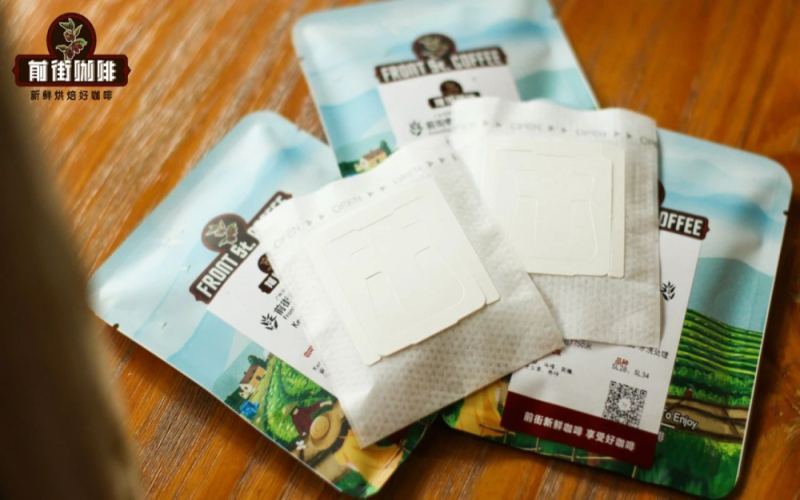
How much caffeine is in drip bag coffee? How many packs a day before it's too much, and steeping mistakes to avoid too
For coffee lovers who want to enjoy single-origin flavors but struggle without brewing equipment at the office, drip bags are almost the perfect solution. But there are always two inescapable questions surrounding them: How much caffeine is actually in a cup of drip bag coffee? How many bags a day can you drink without exceeding the safe limit? Additionally, many people new to drip bags mistakenly pour the coffee grounds straight into water, ending up with a mouthful of grit. This article will sort out the development of drip bag coffee from the beginning, the correct brewing method, and ideas for choosing flavors, and combine them with Front Street Coffee's actual products to give purchasing advice. Finally, using calculation formulas and recommendations from authoritative organizations, we'll help you figure out your daily caffeine intake limit, so you can drink with understanding and peace of mind. [more…]
An In-Depth Analysis of Caffeine Content: How Much Is in a Cup of Coffee? Daily Safe Intake and Effects on the Body
Many coffee enthusiasts are in the habit of starting the day with a cup of coffee, but do you really know how much caffeine you're drinking? People often assume coffee is the drink with the highest caffeine content, but that's not actually the case—tea leaves actually contain twice as much caffeine as coffee beans. So how much caffeine do different varieties of coffee beans really contain? How much is in a cup of pour-over, cold brew, or espresso? And how much caffeine per day is safe for an adult? This article starts with coffee bean varieties, breaks down the caffeine content of each brewing method one by one, gives practical figures based on extraction efficiency, and finally answers the popular question of how many cups of coffee you can drink per day at most. Front Street Coffee store information is included at the end of the article for readers' reference. [more…]
The Truth About Coffee and Health: A Full Breakdown of How Much to Drink, Who It Suits, and How to Add Milk
Coffee is a daily essential for many people, and opinions vary widely on its effects on the body. Dietitian Li Xingyu takes a scientific approach to break down five common questions one by one: Is black coffee really beneficial? Which groups of people need to limit their intake? What is the safe daily upper limit? Does adding milk to hot coffee affect health? Do dark-roasted coffee beans increase cancer risk? This article combines research data with professional advice to help you build proper coffee-drinking habits, while also recommending quality options from Front Street Coffee, so you can enjoy coffee with peace of mind. [more…]

Fujian Consumers Council tested 59 freshly made coffee samples and all contained acrylamide; is the dosage safety being misinterpreted?
Recently, the Fujian Province Consumers' Rights Protection Commission released a comparative test report on freshly made and sold coffee. In tests of 59 samples from 20 brands in Fuzhou, low levels of acrylamide, a Group 2A carcinogen, were found in all of them. After the news spread through self-media, it quickly triggered public concern. In fact, acrylamide in coffee is naturally produced during the roasting process and is not artificially added. This article will analyze the testing background, the sources of acrylamide, and the carcinogenic dose in order to help readers view this test result rationally and avoid being misled by scary headlines. [more…]

Analysis of Coffee Roast Levels and Caffeine Content: From Roast Degree to Front Street Coffee Dark Roast Bean Recommendations
The acidity and bitterness of coffee are closely related to the roast level, while caffeine content is influenced by multiple factors such as variety and extraction method. From the perspective of Front Street Coffee, this article systematically reviews the definitions, bean-dropping timing, and flavor characteristics of eight roast levels, and highlights three coffee beans suitable for dark roasting: Golden Mandheling, Colombian Huila, and Queen's Estate Brazil. It also provides an in-depth analysis of the caffeine content range in coffee beans, the actual caffeine values of different brewing methods such as pour-over and espresso, and reference standards for the safe daily intake for adults, helping coffee enthusiasts fully understand the relationship between roasting and caffeine. [more…]

How Many Cups of Black Coffee Can You Drink in a Day | Is the Caffeine Content of Dark Roast Coffee Beans High? Recommended Specialty Hand-Ground Coffee Beans with Cocoa and Dark Chocolate Flavors
Friends who often drink coffee know that the acidity and bitterness of coffee are related to the degree of roasting. Recently, a friend asked Front Street what delicious dark-roast coffee beans they would recommend. Front Street would first like everyone to understand what degree of roasting means, and then see how to choose the coffee that suits them. What is the degree of roasting? According to Front Street Coffee [more…]
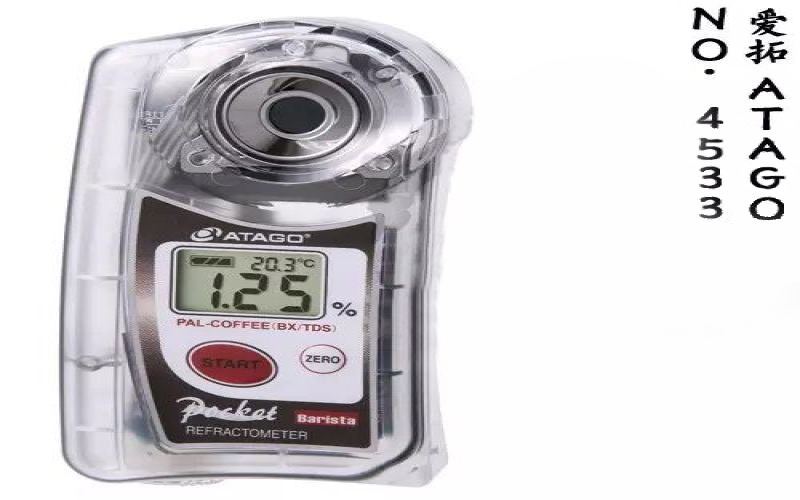
ATAGO Coffee Concentration Meter Operation Guide: A Complete Analysis from Zero Calibration to Extraction Yield Calculation
For coffee enthusiasts pursuing precise extraction, the ATAGO refractometer is a common professional tool. This article focuses on three coffee refractometers under the brand—4523, 4532, and 4533—sorting out their differences and purchasing advice, and addresses questions about accuracy comparisons with the VST LAB. Then, using the 4532 TDS model as an example, it explains step by step the practical essentials such as the unboxing checklist, battery installation, zero calibration, concentration measurement, and extraction yield calculation. The article also particularly reminds readers of easily overlooked details such as zeroing frequency, sample temperature, and cleaning taboos. If you are currently using or considering purchasing an ATAGO refractometer, this guide will help you avoid common pitfalls and make every measurement more reliable. Front Street Coffee also emphasizes the standardized use of such instruments in daily quality control. [more…]
An In-Depth Analysis of Coffee Extraction: Concentration Measurement, Extraction Yield Conversion, and Calculation Methods for Various Brewing Devices
Coffee extraction is the key step that determines flavor. About 30% of coffee beans consists of soluble substances, including both aromatic components and mouthfeel-related compounds, and a higher extraction yield does not necessarily mean better quality. This article systematically introduces concentration measurement methods (refractometer, conductivity pen, evaporation and drying), explains the extraction yield conversion formula in detail, and provides specific calculation steps for different brewing devices such as immersion, pour-over, and espresso. It also includes the golden cup concentration recommendations from the SCAA and SCAE, as well as relevant product information from the Front Street Coffee brand, to help enthusiasts understand extraction more scientifically. [more…]
How to determine the coffee-to-water ratio for pour-over coffee? The Golden Cup extraction yield and strength calculation and practical methods to avoid over-extraction
Many coffee enthusiasts have encountered this confusion: for the same beans, why does the taste always differ between what you brew yourself and what a Front Street barista brews? In fact, this involves two core concepts—extraction yield and concentration. This article, based on the daily experience of Front Street Coffee (FrontStreet Coffee), systematically explains what coffee extraction yield is, how to measure extraction yield using a TDS concentration meter, and the conversion relationships in the SCAA Golden Cup standard among 18%–22% extraction yield, 1.15%–1.35% concentration, and a 1:12–1:15 coffee-to-water ratio. The article also reviews the historical origins of the Golden Cup theory and, using Front Street's brewing of Panama Elida Natural Typica as an example, provides complete staged pouring parameters and the extraction yield calculation process, helping you brew a cup of pour-over coffee at home that is not over-extracted and has a pleasing flavor. [more…]
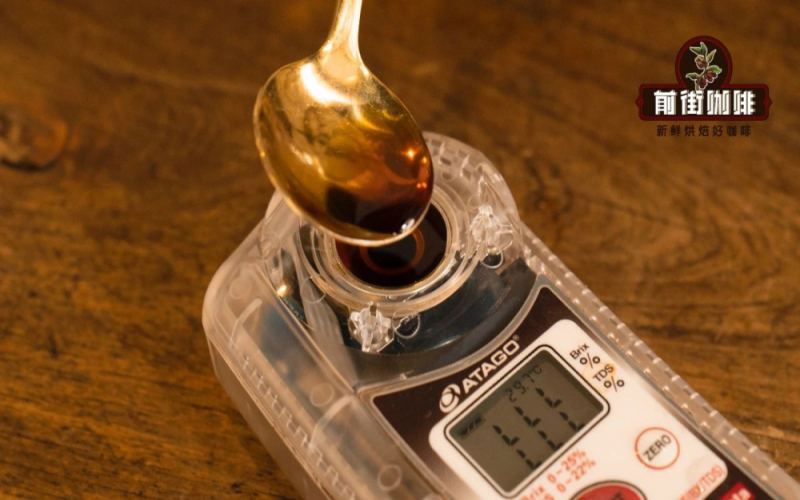
Analysis of the SCA Golden Cup Extraction Standard: The Calculation Logic and Practical Demonstration of Pour-Over Coffee Concentration and Extraction Yield
The Golden Cup extraction system is a quality reference framework widely recognized in the global coffee industry, and its core lies in controlling the concentration and extraction yield of the coffee liquid within a specific range. Compiled by FrontStreet Coffee, this article systematically reviews the origins of the Golden Cup standard and the differences in national standards, explains in detail the formulas for extraction yield and concentration, and uses a VST refractometer and a brewing example with Ethiopia Huakui 4.0 to demonstrate how to measure concentration and calculate extraction yield. At the same time, the article also discusses the influence of the pour-over coffee grounds-to-water ratio on flavor, gives a recommended ratio of 1:15 suitable for most bean varieties, and helps coffee enthusiasts build a quantifiable approach to brewing adjustments. [more…]
The Origin and Calculation Method of the Golden Cup Extraction Standard: How Extraction Yield and Strength Define a Good Cup of Coffee
The Golden Cup extraction is a widely circulated concept in the coffee world, defining an extraction range that most people find acceptable. This concept originated from a large-scale preference survey in the United States in the 20th century, promoted by the Brewing Committee established by the American Coffee Association in collaboration with Dr. Lockhart of the Massachusetts Institute of Technology. The survey found that about 30% of coffee beans are soluble substances, while the remaining 70% are insoluble fibers. After two rounds of testing with ordinary people and coffee experts, the Golden Cup range was ultimately determined as an extraction yield of 18% to 22% and a concentration of 1.15% to 1.35%. This article will sort out the origins and development of the Golden Cup standard, the calculation methods for extraction yield and concentration, and explain why the Golden Cup range can only serve as a reference rather than an absolute standard, helping you view coffee extraction more rationally. [more…]
Espresso Extraction Principles and Tasting Guide: From Americano Differences to Front Street Coffee Blend Bean Production Process
Espresso is the foundation of the Italian beverage system, and Americano, latte, cappuccino, flat white, and mocha are all derived from it. This article centers on the extraction principles of espresso, sorts out its historical origins and flavor differences with Americano, and introduces in detail the positioning and characteristics of four espresso blend beans from FrontStreet Coffee. At the same time, the article also compiles reference standards for Italian-style extraction such as dose, liquid weight, and time, explains TDS measurement and the calculation method for extraction yield, and finally includes the seven-step espresso-making process and extraction scheme used in FrontStreet stores, for coffee enthusiasts to systematically understand the making and tasting of espresso. [more…]
A Detailed Guide to Espresso Extraction Parameters and Brew Ratio: Espresso-Making Workflow and Extraction Principles
Espresso is the foundation of various Italian-style beverages such as Americano, latte, and cappuccino. It is extracted by forcing approximately 92°C hot water under high pressure through a finely ground and compacted layer of coffee powder using an espresso machine. This article focuses on the extraction standards for espresso, covering the coffee-to-water ratio, extraction time, TDS measurement, and the calculation method for extraction percentage, and outlines the complete operational steps from wiping the portafilter basket to cleaning the group head. It also introduces the recipe concepts and flavor characteristics of Front Street Coffee's four espresso blend beans, as well as the espresso extraction protocol used in Front Street Coffee shops, providing a systematic reference for coffee enthusiasts. [more…]
What is the difference between coffee-to-water ratio and coffee-to-liquid ratio in pour-over coffee? The calculation method and conversion logic explained clearly at once
Many friends who are just getting into pour-over coffee often confuse the coffee-to-water ratio with the coffee-to-beverage ratio, and as a result, the coffee they brew always tastes different from what they expected. In fact, although these two concepts differ by only one word, their meanings are completely different, and they cannot even be converted directly on an equal basis. Today, Front Street will explain these two measurement methods, first explaining what each of them represents, then clarifying how the coffee grounds' water absorption affects the final liquid weight, and offering a way to convert between the coffee-to-water ratio and the coffee-to-beverage ratio. Once you understand these, you will have a clearer direction when adjusting pour-over parameters, and it will be easier to consistently reproduce a delicious cup of coffee. [more…]
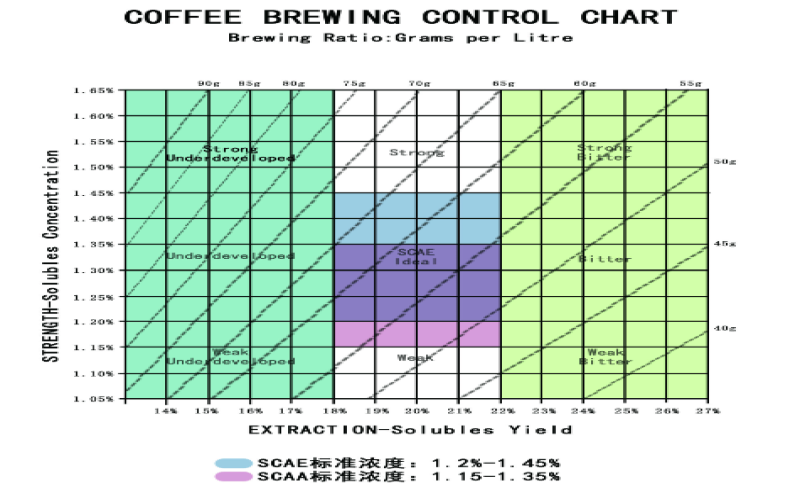
Gold Cup Extraction Standard Explained: Concentration and Extraction Yield Calculation Methods and SCAA Standard Ranges
In coffee brewing, how to balance flavor and avoid under-extraction or over-extraction is a concern for every coffee enthusiast. The Golden Cup standard provides a widely recognized reference framework, covering the ideal ranges for extraction yield and concentration. This article will systematically review the origins of the Golden Cup standard and the specific values set by coffee associations in various countries, explain in detail the formulas for calculating concentration and extraction yield, and, using the example of Front Street Coffee's Ethiopia Florque 4.0 pour-over, demonstrate how to measure and calculate extraction yield with an ExtractMoJo refractometer, helping you find the flavor balance point that suits you in your daily brewing. [more…]
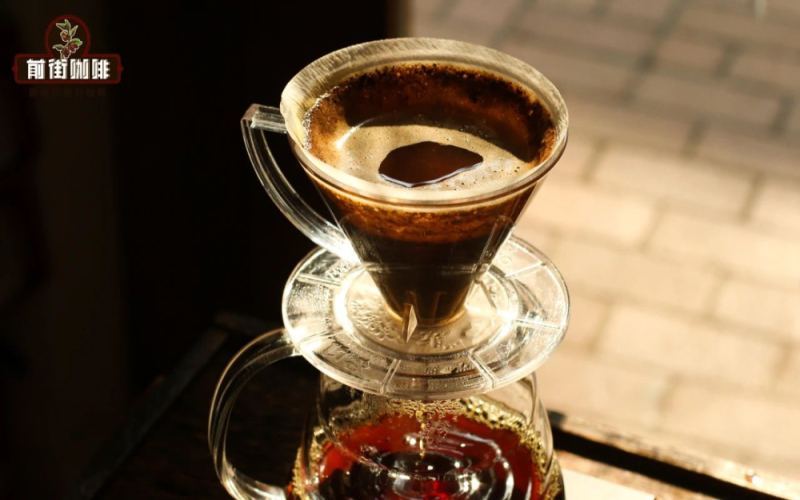
Pour-Over Coffee Three-Stage Pouring Technique: A Detailed Guide to Water Distribution and Calculation for Each Stage
The charm of pour-over coffee lies in precisely controlling the extraction process through staged pouring, allowing each cup to present rich layers of flavor. This article will guide you through the basic principles of pour-over coffee, essential equipment, how to calculate the coffee-to-water ratio, and a detailed breakdown of the three-stage pouring method's specific operations and water distribution. At the same time, we'll share Front Street Coffee's brewing experience, including how to adjust parameters based on coffee bean characteristics, as well as the calculation logic and practical tips for each stage of water in the three-stage pour. Whether you're a beginner just starting out or an enthusiast looking to refine your skills, you'll find practical guidance here. [more…]