







Friends who drink coffee regularly know that the acidity and bitterness of coffee are related to the roast level. Recently, some friends asked Front Street what tasty dark roast coffee beans we recommend. Front Street will first let everyone understand what roast levels are, and then look at how to choose the coffee that suits you.
What is roast level?
According to Front Street Coffee, coffee roast levels are American terminology: light roast, medium roast, and dark roast, which can be further divided into 8 stages. Views on the differences in roast level also vary by region. The following briefly introduces coffee roast levels and flavors:
1. Light Roast: extremely light roast, also called "light roast"
Drop time: around the start of first crack
Flavor: the bean surface is pale cinnamon color, with a strong grassy taste, insufficient body and aroma. Generally used for experiments, rarely for tasting.
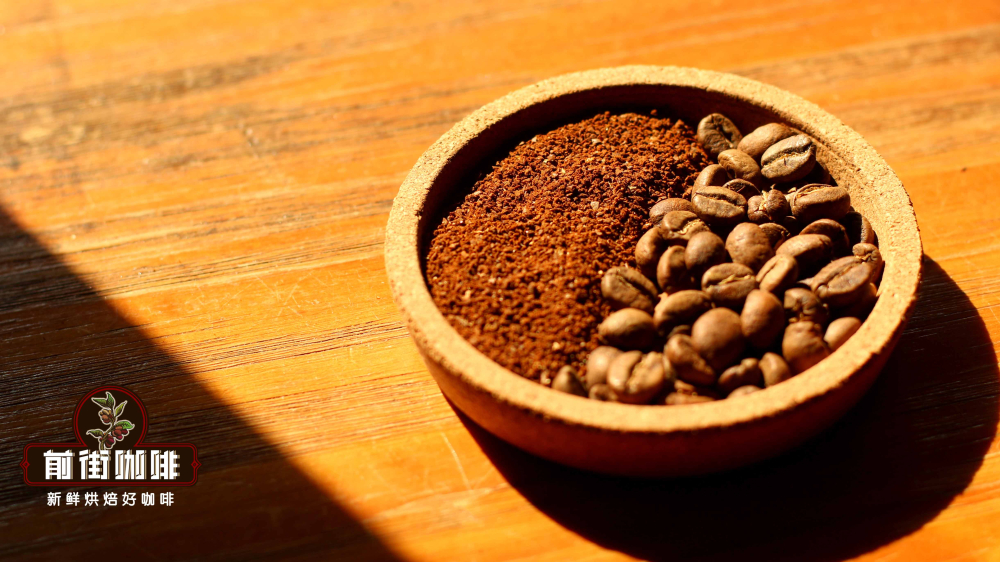
2. Cinnamon Roast: light roast, also called "cinnamon roast"
Drop time: from the start of first crack to rolling first crack
Flavor: the bean surface is cinnamon color. At this point the grassy taste has disappeared, the acidity is strong, with a slight aroma. Often used to brew American-style coffee.
3. Medium Roast: medium roast, also called "medium-light roast"
Drop time: between rolling first crack and the end of first crack
Flavor: the bean surface is chestnut color, with a light body, slightly acidic with some bitterness, moderate aroma, retaining the coffee bean's original flavor. Often used for American-style coffee or blended coffee.
4. High Roast: medium-light dark roast, also called "deep roast"
Drop time: the end of first crack
Flavor: the bean surface is light reddish-brown, with a refreshing and rich body, balanced acidity and bitterness without being harsh, and slightly sweet, with good aroma and flavor. Blue Mountain and Kilimanjaro coffees are both suitable for this roast level, and it is favored by people in Japan and Central and Northern Europe.
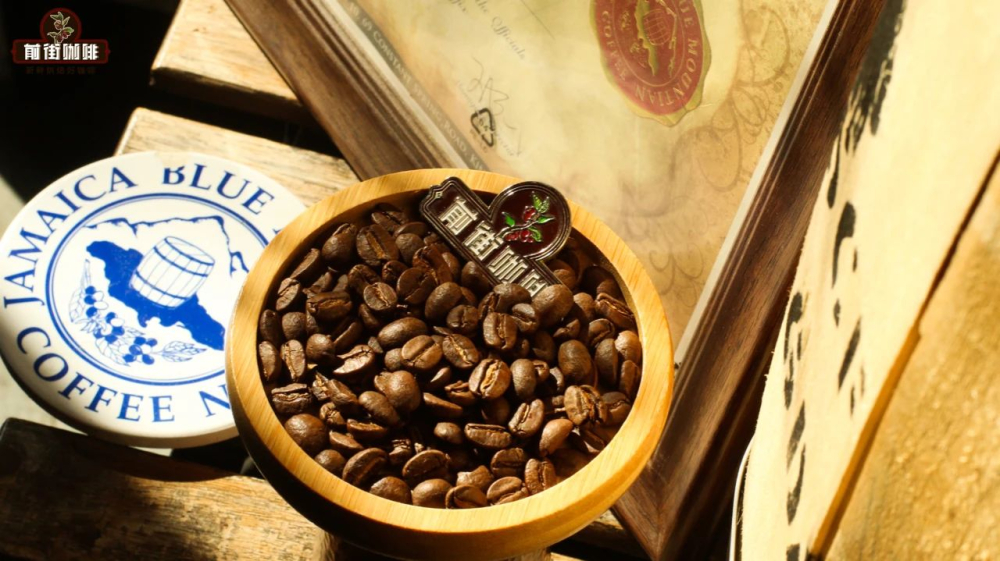
Jamaica Blue Mountain coffee beans
5. City Roast: medium-dark roast, also called "city roast"
Drop time: after first crack, namely between first and second crack
Flavor: the bean surface is light brown, with a bright and lively body, balanced acidity and bitterness with the acidity on the lighter side, and it releases the coffee's high-quality flavors. It is the standard roast level and also the roast level most loved by the public. Brazilian and Colombian coffees are both suitable for this roast level, and it is often used for French coffee.
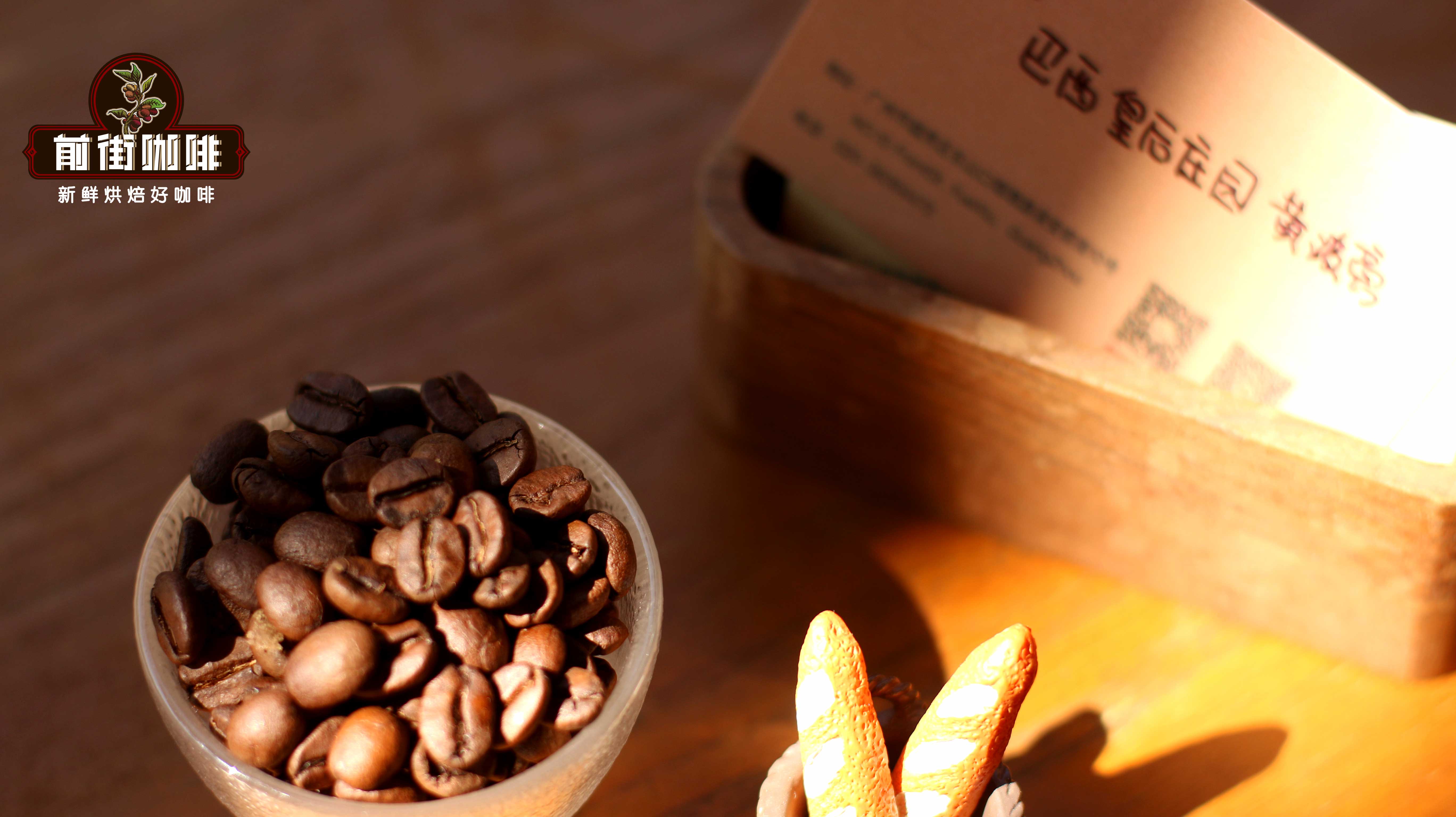
Brazil Queen Estate coffee beans
6. Full City Roast: slightly dark roast, namely dark roast, also called "deep city roast"
Drop time: second crack
Flavor: the bean surface is brown, with a steady and full body, bitterness stronger than acidity, a sweet aftertaste, and a full aroma. It is a Central and South American roasting method, mostly used for iced coffee and black coffee.
7. French Roast: extremely dark roast, namely deep roast, also called "French roast"
Drop time: rolling second crack to the end of second crack
Flavor: the bean surface is dark brown with black, with a strong and intense body, relatively strong bitterness, light acidity that is almost imperceptible, and rich chocolate and smoky aroma. It is most prevalent in Europe, especially France, and is mostly used for café au lait and Viennese coffee.
8. Italian Roast: extremely dark roast, namely very dark roast, also called "Italian roast"
Drop time: from the end of second crack until the bean surface turns black and becomes oily
Flavor: the bean surface is black with an oily sheen. Before the coffee bean fibers carbonize, the body is strong and complex, the bitterness is powerful, and it has a rich roast and charred aroma. It is mainly popular in Latin countries and Italy, and is mostly used for espresso.

espersso espresso
The above is the complete coffee roasting guide compiled by Front Street Coffee. For example, Front Street Coffee's shop mainly focuses on medium-light roast and dark roast coffee beans. Next, Front Street Coffee will share some relatively typical and common light roast and medium-dark roast coffee beans.
Dark roast coffee bean recommendations
1. Front Street Golden Mandheling coffee beans
Front Street's Indonesian Mandheling is arelatively typical dark roast coffee bean.Its basic flavors are spice and herbs, with a mellow and smooth body. Therefore, using a dark roast better highlights the coffee bean's basic flavors. If a light roast were used, it would weaken its original flavors and lose the original soul of the Indonesian Mandheling flavor. Front Street Golden Mandheling, on the basis of Mandheling, has undergone three rounds of machine screening and hand sorting to remove all defective beans, greatly improving the quality of Mandheling coffee and making the coffee taste cleaner with more obvious sweetness in the aftertaste.

Front Street PWN Golden Mandheling coffee beans
Country: Indonesia
Region: Sumatra, Aceh, Gayo Mountain
Altitude: 1100-1600m
Variety: Ateng
Processing method: wet-hulled method
Flavor: baked toast, nuts, pine, caramel, herbs
2. Front Street Colombia Huila coffee beans
Located in the Huila producing region in the southern part of Colombia's Central Cordillera, near the Huila Volcano, it has volcanic soil rich in minerals. Surrounded by diverse high-altitude hills, the climate of the canyon slopes not only keeps cold winds out, but also brings cool mountain breezes without high temperatures. The Colombia River converges here, providing abundant water resources and moisture, with annual rainfall reaching 2000~3000mm. Its superior geographical and climatic conditions make it a representative producing region for high-quality coffee beans worldwide. Front Street Colombia Huila coffee uses the commonly seen washed processing method in the Americas, giving the coffee beans a clean flavor profile. In order to present the classic Colombian flavor, Front Street uses a medium-dark roast, and after grinding and extraction it has rich creamy chocolate, caramel, cookie, and cocoa flavors.
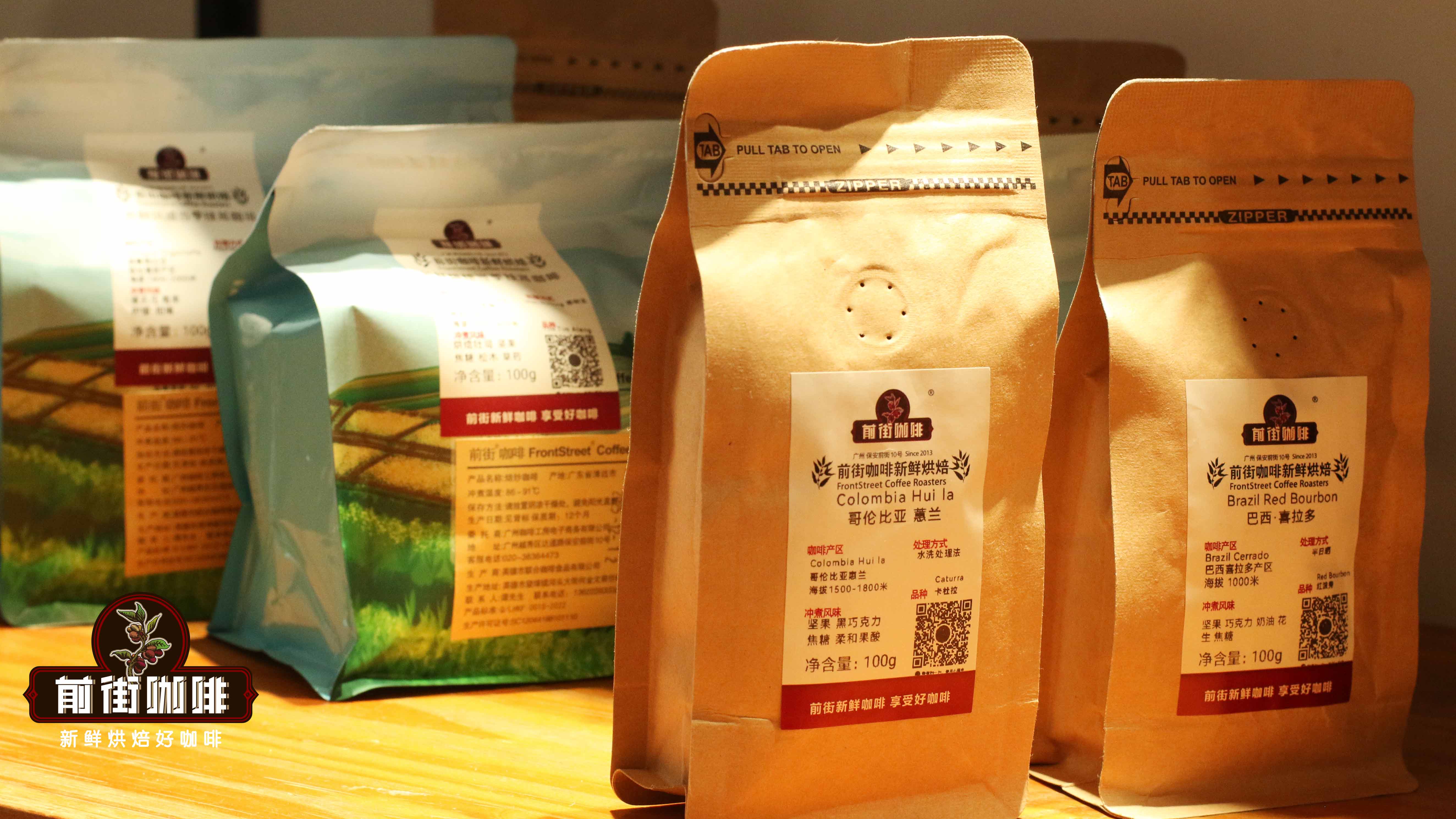
Front Street Colombia Huila coffee beans
Country: Colombia
Region: Huila producing region
Altitude: 1800m
Variety: Caturra
Processing method: washed processing
Flavor: dark chocolate, cream, roasted nuts, cocoa
3. Front Street Brazil Queen Estate coffee beans
Queen Estate is located in the Mogiana producing region of São Paulo State, Brazil. Unlike many large-scale producing regions in Brazil that prioritize quantity, this area has higher terrain, forming a relatively unique microclimate. In addition, the estate hand-picks coffee cherries at the appropriate ripeness, and each lot is processed with small-batch refined methods, so the coffee beans produced are mostly specialty grade. The variety of Front Street Queen Estate coffee beans is the locally rare Yellow Bourbon. Because Yellow Bourbon coffee beans grown at high altitude are denser and have high glucose content, Front Street's roasting approach is to highlight the classic mellow aroma of Brazilian coffee while also showcasing Bourbon's own sweetness, so a medium-dark roast is used.
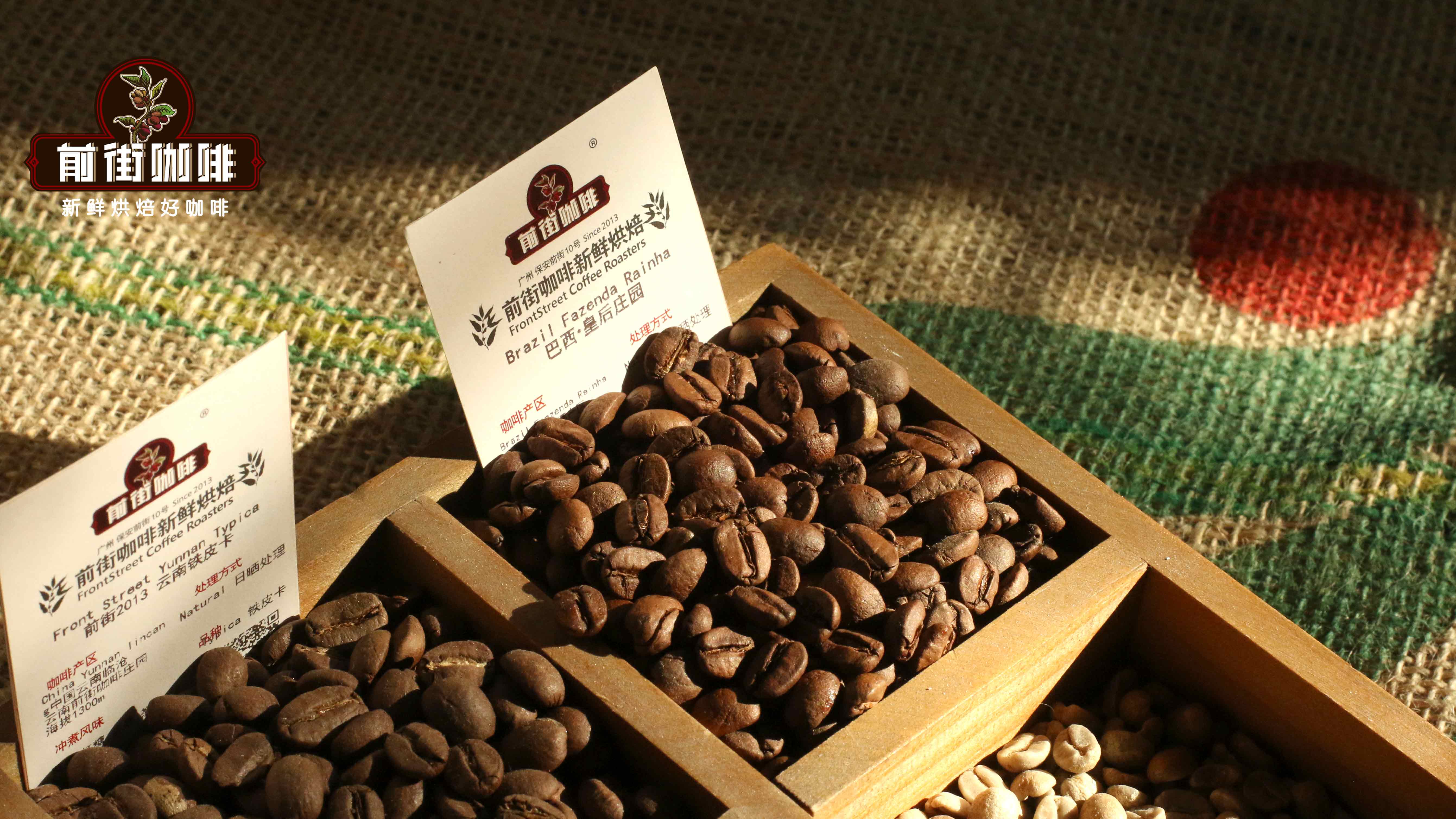
Front Street Brazil Queen Estate coffee beans
Region: Mogiana producing region
Estate: Queen Estate Fazenda Rainha
Altitude: 1400~1950m
Variety: Yellow Bourbon
Processing method: natural processing
Flavor: nuts, chocolate, cream, peanut, sugarcane
Then, by applying the above conclusion to other brewing methods, we can estimate their respective caffeine contents based on their extraction time and efficiency:
The above content is compiled by CoffeeHunters, a coffee news website.

