







Coffee Contains Caffeine: How Many Drip Bags Are Safe Daily?
A single drip bag of coffee typically contains roughly the same caffeine as a standard cup of filter coffee, so the daily total depends mainly on how many bags are used rather than on the format itself. Safe limits published by health authorities put adult intake at around 400 mg of caffeine per day. That works out to a few bags, depending on the coffee inside each one.
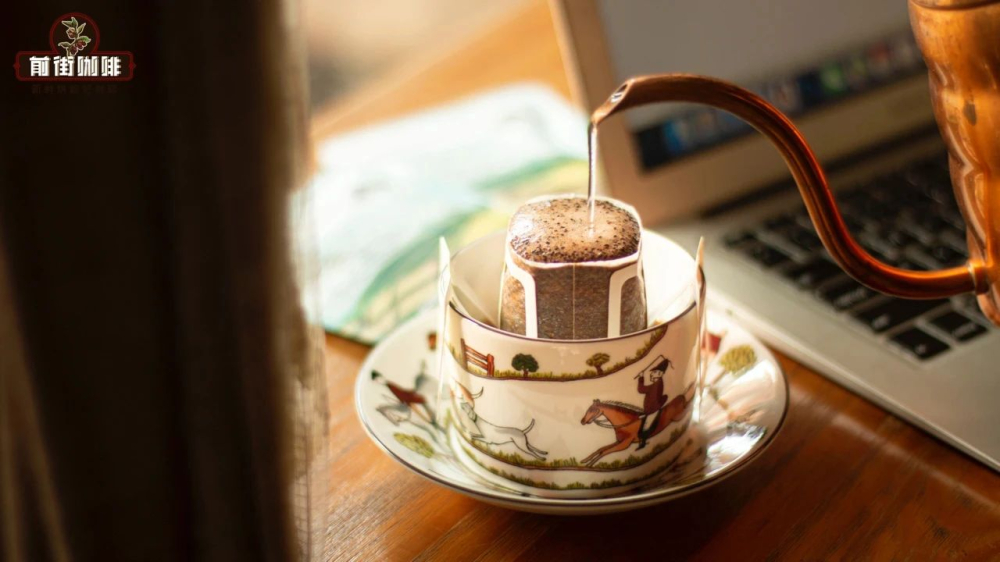
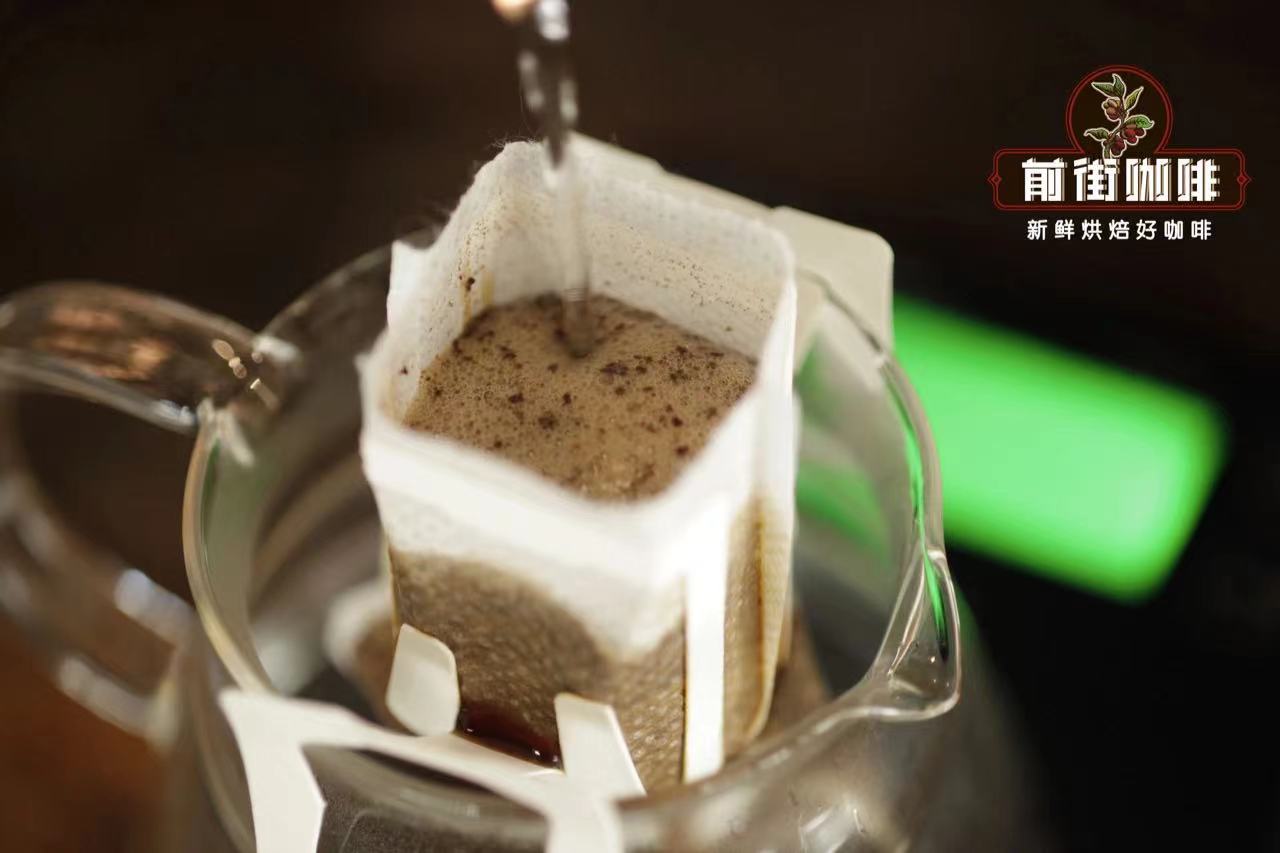
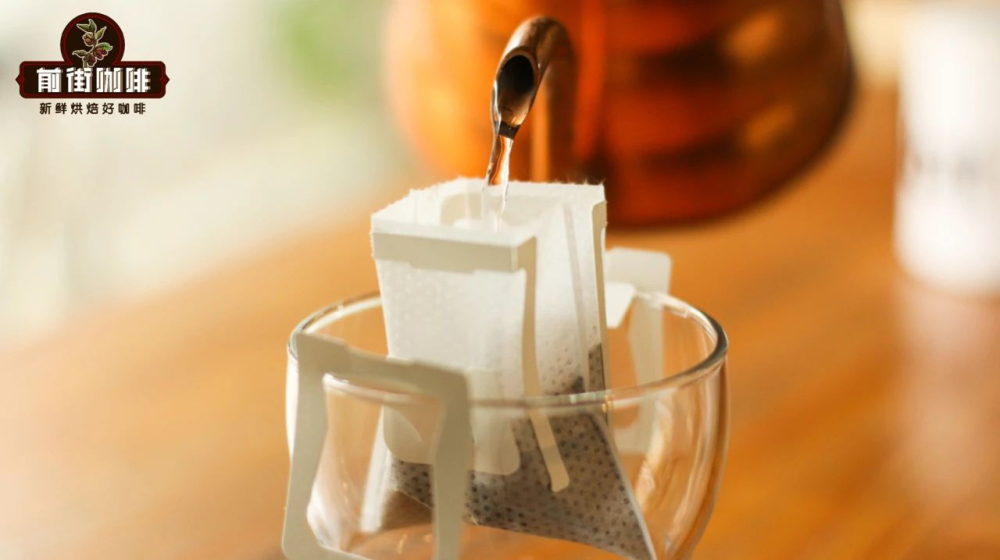
Beyond dose, how the bag is used changes the cup. Pouring the grounds straight into water leaves grit and uneven extraction; the filter bag is meant to hang on the cup rim so hot water passes through the coffee. Steeping time, water temperature, and the origin of the coffee all shape the flavor and the caffeine that ends up in the cup.
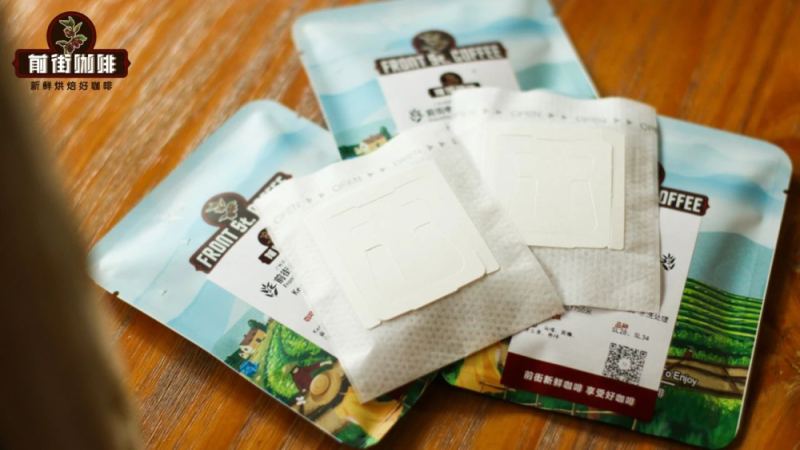
For coffee lovers who want to enjoy single-origin flavors but are stuck in an office without any brewing equipment, drip bag coffee is almost the perfect solution. But there are always two unavoidable questions surrounding it: How much caffeine is actually in a cup of drip bag coffee? How many bags a day can you drink without exceeding the safe limit? Also, many people new to drip bag coffee mistakenly pour the grounds directly into water, only to end up with a mouthful of grit. This article will walk you through the development of drip bag coffee, the correct brewing method, and how to choose flavors, along with practical product recommendations from Front Street Coffee. Finally, using calculation formulas and recommendations from authoritative organizations, we'll help you figure out your daily caffeine intake limit so you can drink with understanding and peace of mind.
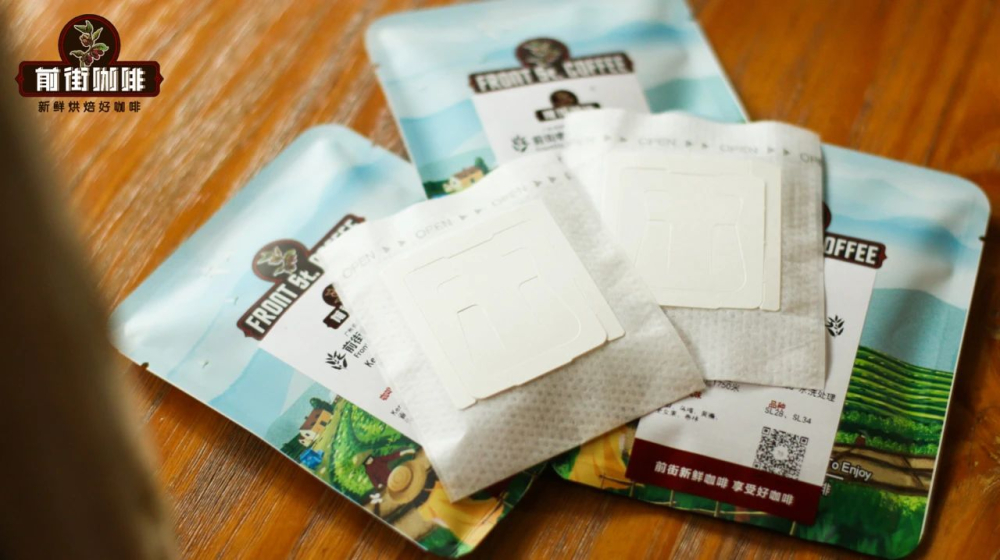
Coffee's status as a pick-me-up for today's office workers is almost irreplaceable. However, there's a group of people who aren't satisfied with espresso—they prefer the single-origin flavors brought by different regions and processing methods, but the office environment often lacks both time and equipment.
Does that mean they're stumped? Of course not. Drip bag coffee is the alternative born for exactly this purpose. But there are always some people who are particularly sensitive to caffeine—a tiny cup can keep them awake all night. So the questions follow: How much caffeine is actually in a bag of drip bag coffee? How many bags a day is the maximum before it becomes excessive?
Before answering these questions, let's first look back at the origins of drip bag coffee.
In 1990, Yamanaka Sangyo Co., Ltd. of Japan developed the earliest drip bag coffee and formally filed a patent application that same year, though the original design had a hanger on only one side.
In 1996, Daiki Sangyo Co., Ltd. improved the filter bag by moving the hanger to the lower edge of the filter bag, but it still existed on only one side.
In 1999, Daiki Sangyo applied to the European Patent Office for an invention patent for double-sided hangers. This improvement allowed the filter bag to sit securely on the rim of a cup, with the opening fully spread out. This design concept later became the market mainstream.
In 2001, a Japanese inventor created drip bag coffee and registered a patent, then brought it to market. Because it's easy to use and convenient to carry, and the brewed coffee tastes far more authentic and rich than instant coffee, drip bag coffee now holds about 15% of Japan's regular coffee market.
Why does drip bag coffee have more and more fans?
The reason is simple—it's just so convenient. Drip bags preserve coffee aroma and the authentic flavors of its origin quite well. As long as you have hot water and a cup with about 200ml capacity, you can easily brew a cup of coffee. Sounds completely hassle-free, right? It's especially suited to places where setting up coffee equipment isn't practical—like an office, where you obviously can't fit a grinder.
So how should you brew a cup of drip bag coffee?
Choosing drip bag coffee is itself choosing convenience and ease, skipping the steps of weighing beans, grinding, and wetting the filter paper that regular pour-over requires. How does Front Street Coffee usually brew drip bag coffee?
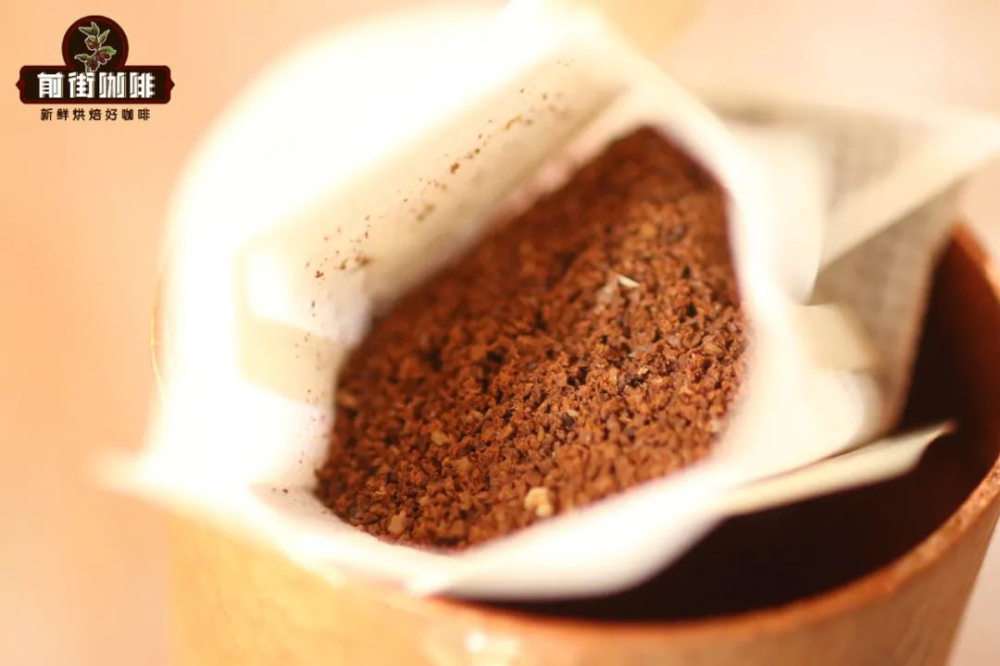
Typically, a bag of drip bag coffee contains between 8 and 12 grams of grounds, and each brew uses about 120 to 180 grams of hot water. The exact amount depends on personal taste: use less water for a stronger cup, more water for a lighter one. After pouring, just lift out the drip bag and discard it. The coffee bean flavors used in drip bag coffee can be chosen according to your own preferences.
In terms of convenience and variety, drip bag coffee beats instant coffee, and its aroma and flavor are clearly richer and more natural. However, recently Front Street received feedback from a customer saying there was a lot of grit in the coffee. After looking into it, we found the customer thought drip bags worked like instant coffee—just pour the grounds into water and drink. Though the taste was okay, the grit seriously ruined the mouthfeel.
With the normal brewing method, never pour out the coffee grounds inside the drip bag!
The powder in drip bag coffee is ground from freshly roasted coffee beans and contains a lot of insoluble plant fiber and other substances, so drip extraction is typically used to prevent coffee grit from mixing into the final brew and ruining the taste.
How do you choose the drip bag coffee that suits you?
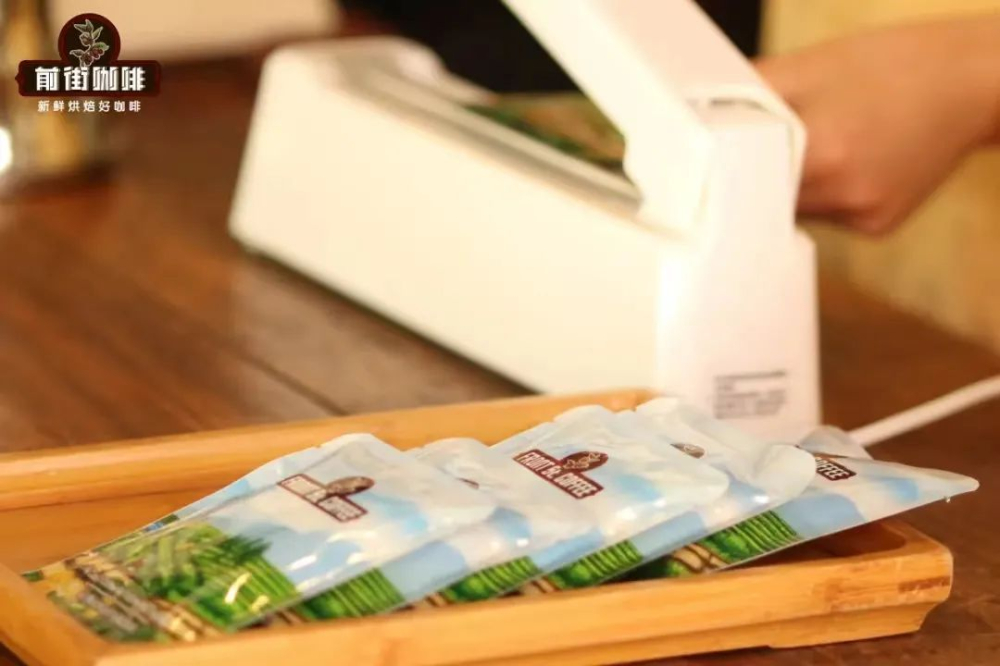
When buying, you can consider three directions: freshness, bean origin, and coffee flavor. Take Front Street's drip bag coffee as an example—to make it easier for customers to choose, Front Street divides drip bag flavors into five directions: fruity, floral, fermented, wine-like, and high body.
For fruity flavors, the Yirgacheffe region of Ethiopia is recommended—Front Street's Gudingding drip bag, for instance, is quite good. During cupping, Front Street found that washed Yirgacheffe has a clean, refreshing mouthfeel with bright, uplifting acidity, dominated by citrus acidity, accompanied by fresh jasmine notes and a honey-like finish.
For floral flavors, Front Street's Panama Geisha drip bag is recommended. Front Street's Panama Geisha is mainly grown in the Baru Volcano area of Boquete, at an altitude of 1,600 meters in the volcanic zone. Through cupping, Front Street Coffee (FrontStreet Coffee) found that Panama coffee performs exceptionally well in body, acidity, and floral notes.
If you like fruity wine flavors, choose the fermented-aroma types—Front Street's Mozart drip bag and Front Street's Strawberry Candy drip bag come highly recommended.
How much can you drink per day at most?
After all this talk about drip bag coffee, Front Street believes everyone can now brew a cup themselves. So let's return to those two original questions: How much caffeine is in drip bag coffee? How much per day isn't excessive?
Let's answer the caffeine question first. Take a hot pour-over coffee from Front Street as an example. The formula is: 15 × 0.18 (extraction rate) × 0.012 (Arabica caffeine content). Here, 15 represents the 15 grams of grounds used for one pour-over, 0.18 refers to the ideal Golden Cup extraction rate of 18%, and 0.012 represents the approximate caffeine content of Arabica coffee beans at 1.2%.
Now we have the formula, but how much coffee per day is the maximum before it becomes excessive? Different regions have different standards. The U.S. Food and Drug Administration (FDA) recommends that adults consume up to 400 milligrams of caffeine per day as a safe range.
Using the formula above, under ideal conditions with 15 grams of coffee grounds, 18% extraction rate, and 1.2% caffeine content, that cup contains 32.4 milligrams of caffeine. In other words, an adult can safely drink 12 cups of pour-over coffee per day.
But ideal is ideal—reality is often different. Caffeine works as a stimulant because the human brain has adenosine and adenosine receptors. When adenosine binds to adenosine receptors, it sends fatigue signals to the brain, making a person feel sleepy. After consuming caffeine-containing food, caffeine grabs the adenosine's spot first, binding to adenosine receptors and blocking adenosine from doing its job, so fatigue signals are reduced.
More and more medical research shows that some people are naturally especially sensitive to caffeine, and for others, as caffeine intake increases, the number of adenosine receptors also increases. Those who seem "immune" to caffeine aren't addicted—they've developed a certain level of dependence and tolerance.
Finally, Front Street Coffee still wants to remind everyone: Regarding how much coffee to drink per day at most and how to control caffeine intake, even with recommendations from authoritative organizations as a reference, the final decision should still be based on your own physical condition.
The above content is compiled by CoffeeHunters, a coffee news website.


