







Search Results for: Brewing Ratio
How to determine the pour-over coffee grounds-to-water ratio? Bean roast level (light, medium, dark) brewing ratio selection and practical analysis
When brewing pour-over coffee, you've dialed in the temperature and grind size, yet the taste still falls short of expectations? The problem likely lies in the coffee-to-water ratio. The amount of water directly affects the flavor expression and mouthfeel layers of the coffee: too little water makes it overly heavy, with flavors compressed together and hard to distinguish; too much water makes it overly thin, even like a cup of water with a hint of coffee flavor. This article starts from the theoretical range of the Golden Cup extraction, combines actual brewing tests across light, medium, and dark roasts, analyzes how three coffee-to-water ratios—1:13, 1:15, and 1:17—perform differently on various beans, and explains why light-roasted beans suit a longer ratio while dark-roasted beans are better with a tighter ratio. Finally, it will explain how the coffee-to-water ratio should be adjusted as the brewing device changes. [more…]
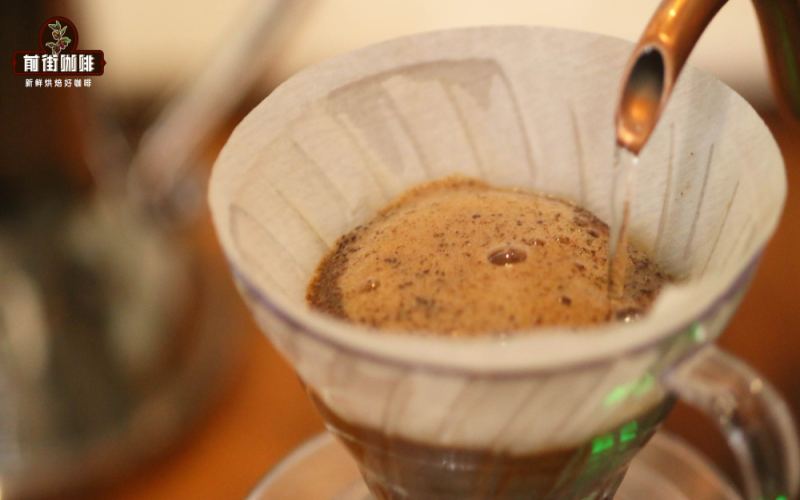
Pour-over Coffee Strength | Is the Golden Ratio of Water to Coffee for Pour-over 1:15? When brewing pour-over coffee, is more water always better?
When making coffee, the coffee-to-water ratio is the first brewing factor we need to determine. So what is the standard coffee-to-water ratio? The answer is: the golden ratio is 1:18, meaning every 1g of coffee corresponds to 18ml of water. This ratio was derived by the American Coffee Association through surveys and extensive practice. But [more…]
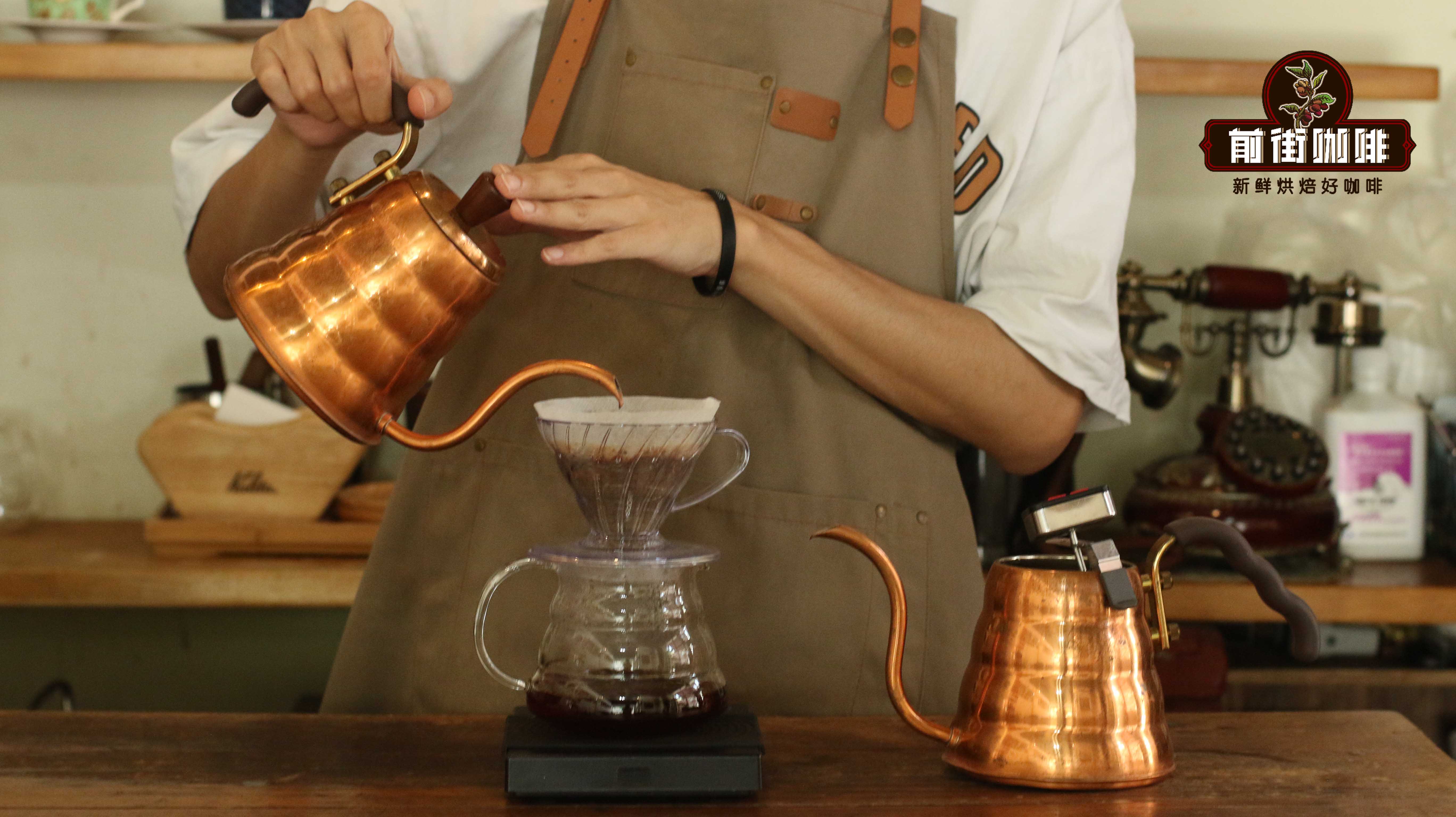
Pour-Over Coffee Ground-to-Water Ratio Tested: Using Blue Label Geisha as an Example, Which Ratio from 1:15 to 1:18 Is More Suitable?
Among the many variables in pour-over coffee, the coffee-to-water ratio is often overshadowed by grind size and water temperature, yet its influence on the final flavor profile cannot be ignored. Using the Blue Label Geisha from Panama's Hacienda La Esmeralda as a sample, Front Street Coffee fixed the grind size, water temperature, and brewing technique, changing only the coffee-to-water ratio, and conducted comparative brews with four parameter sets: 1:15, 1:16, 1:17, and 1:18. By recording the extraction time and flavor performance of each cup, the differences in coffee concentration, complexity, sweetness, and aftertaste under different ratios were analyzed, offering a reference for ratio selection when brewing flavor-rich beans like Geisha in daily practice. [more…]
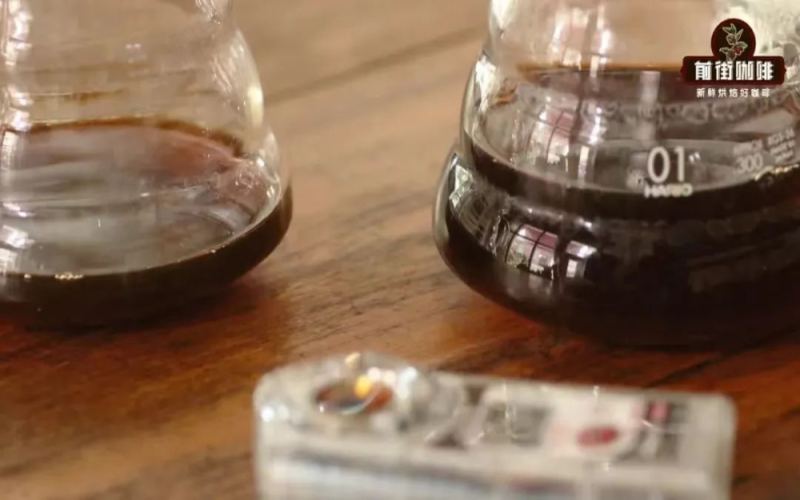
How to Determine the Coffee-to-Water Ratio for Pour-Over Coffee? A Full Analysis from the Golden Cup Extraction Chart to Front Street Coffee's Recommended Parameters
The coffee-to-water ratio for pour-over coffee has always been a hotly debated topic among enthusiasts. Faced with the classic Golden Cup extraction chart, many people wonder: why is the recommended 1:17 on the chart not commonly seen in actual brewing? Can a 5ml difference in water volume really be tasted? And what ratios should be used for light-roast and dark-roast coffee beans respectively? This article will guide you through reunderstanding the origins and development of the Golden Cup extraction chart, analyze the impact of subtle differences in water volume on flavor, and, drawing on Front Street Coffee's brewing experience, provide practical ratio ranges for light-roast and dark-roast coffee, helping you find the cup of good coffee that truly suits you. [more…]
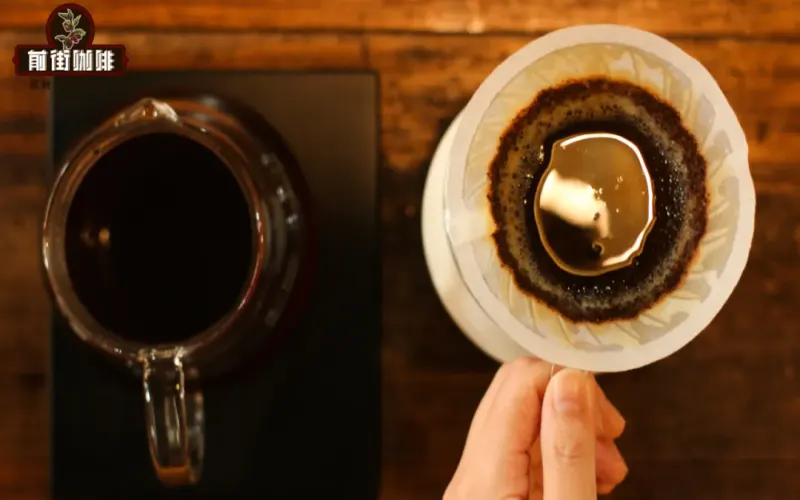
A Complete Guide to Bypass Brewing in Pour-Over Coffee: The Difference Between Coffee-to-Water Ratio and Coffee-to-Beverage Ratio, and When to Use Bypass Correctly
In the practice of pour-over coffee, "cutting off" the brew is a technique that is often mentioned. Many enthusiasts believe that the tail-end coffee liquid carries bitterness, and so habitually remove this portion at the end of brewing. However, cutting off the brew is not a universal key—improper use can instead destroy the coffee's complete flavor. From the perspective of Front Street, this article takes a deep dive into the dissolution patterns of bitter substances, explains why the tail end does not produce negative flavors under reasonable parameters, and distinguishes in detail between the two concepts of coffee-to-water ratio and coffee-to-liquid ratio, while also sorting out the two scenarios in which cutting off the brew truly applies—actively incorporating the cutoff into the brewing framework, and being forced to cut off due to clogging. By understanding these principles, coffee enthusiasts can use the cutoff more scientifically and improve their brewing quality. [more…]
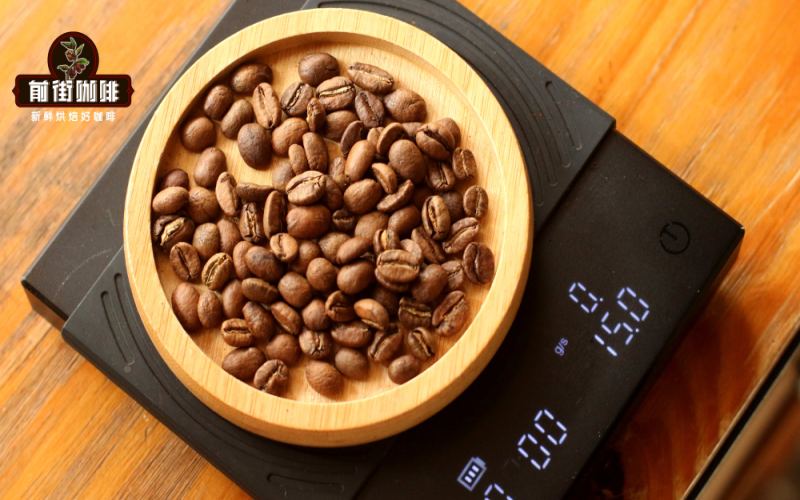
Pour-over Coffee Three-Stage Pouring Technique Tutorial | How Much Water for 15g of Coffee Powder in Pour-over Coffee? How Can Coffee Beginners Make a Single Serving of Pour-over Coffee?
When brewing pour-over coffee, Front Street Coffee insists on using a 1:15 coffee-to-water ratio—why is that? Was this result arrived at by chance, or was it derived from various brewing experiments based on data? In this article, Front Street will explain why. [more…]
How to Choose the Coffee-to-Water Ratio for Pour-Over? Testing Flavor Differences from 1:15 to 1:18 Using Butterfly Geisha as an Example
Among the many variables in pour-over coffee, the brew ratio is often overshadowed by grind size and water temperature, yet the amount of water directly determines the direction of the final cup's flavor. Front Street Coffee used a washed Butterfly with 70% Geisha content as a sample and, while keeping grind size, water temperature, and brewing technique constant, conducted comparative brews using four brew ratios: 1:15, 1:16, 1:17, and 1:18, recording the extraction time and flavor performance of each ratio one by one. Starting from actual brewing data, this article will analyze how different brew ratios affect the concentration, complexity, and aftertaste of coffee, helping coffee enthusiasts find the brew ratio that better showcases the characteristics of flavor-rich beans like Geisha. [more…]
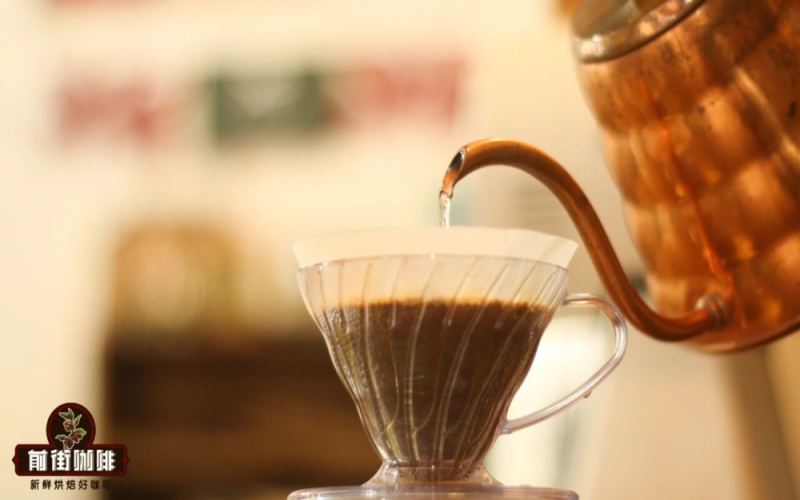
Pour-Over Coffee Three-Stage Extraction Explained: Full Analysis of 1:15 Coffee-to-Water Ratio, Water Temperature, Grind Size, and Brewing Parameters
What exactly should the coffee-to-water ratio for pour-over coffee be? Front Street Coffee has long adhered to the 1:15 ratio, a choice backed by both experimental data and the stability it brings to daily brewing. This article begins by distinguishing between the coffee-to-water ratio and the extraction liquid ratio, explains how the water absorbed by coffee grounds affects the final liquid volume, and then, in conjunction with the SCA Golden Cup extraction range, clarifies why 1:15 performs more evenly across commonly available beans. It then provides a complete breakdown of the three-stage pouring technique, including blooming, water volume, water level control, and flavor integration, helping coffee enthusiasts understand the flavor molecules corresponding to each extraction stage, and offering a brewing process that can be put into practice directly. [more…]
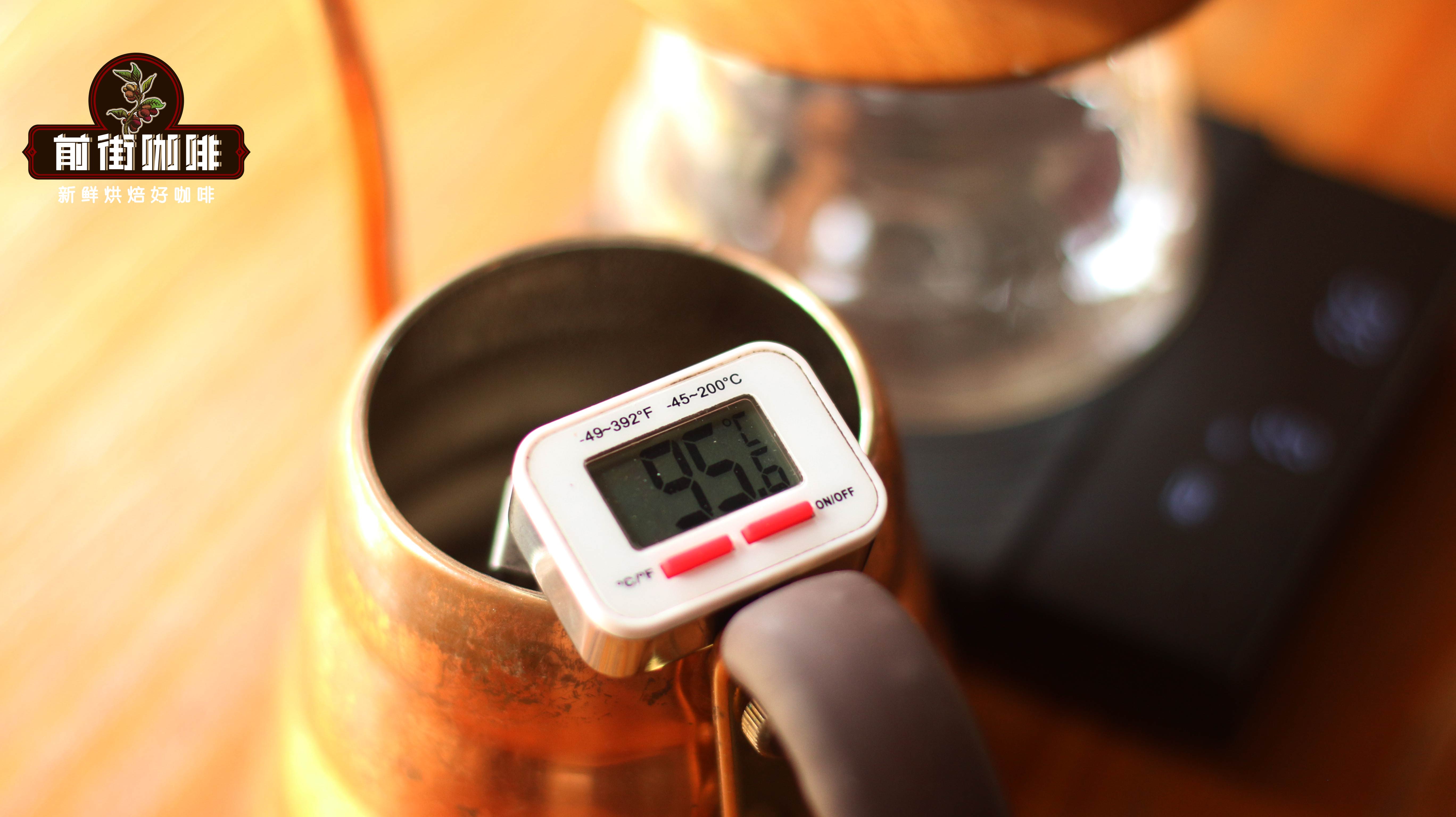
Master Freshness, Grind Size, Water Temperature, and Coffee-to-Water Ratio: Brewing Pour-Over Coffee from Four Major Regions—Yirgacheffe, Mandheling, Kenya, and Brazil
Yirgacheffe, Mandheling, Kenya, and Brazil are the four major coffee regions most familiar to coffee enthusiasts, and each has its own distinctive brewing approach. In this article, Front Street Coffee will explain the four key elements of pour-over brewing—freshness, grind size, water temperature, and coffee-to-water ratio—and provide specific brewing parameters and techniques for a representative bean from each of the four regions. The article will also cover the principles of bean resting and degassing, how to calibrate grind size using a standard sieve, and the taste differences brought about by different coffee-to-water ratios under the SCA Golden Cup extraction theory, helping you brew these four common single-origin coffees to taste even better. [more…]
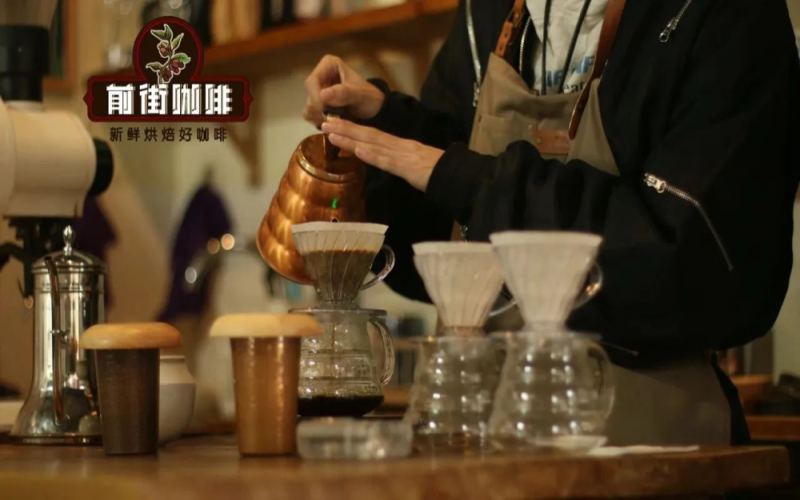
Pour-over coffee brewing ratio | Is the espresso coffee-to-water ratio different from pour-over? What details should be noted for pour-over coffee blooming?
Pour-over coffee is a brewing method that places great emphasis on technique and coffee expertise. Factors such as the amount of coffee beans used for pour-over, the coffee grind size, the coffee-to-water ratio and time, and the brewing technique all affect the flavor extracted in pour-over coffee. So how can you brew a perfect-tasting pot of pour-over coffee? In the rest of this article, Front Street [more…]
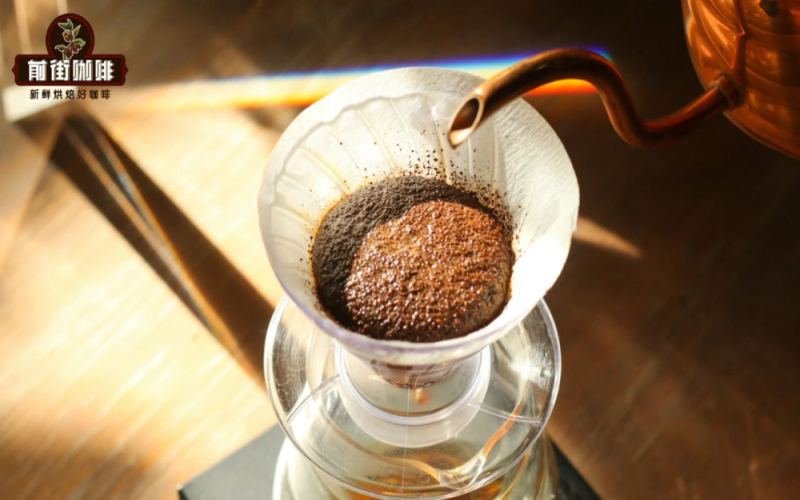
How to determine the coffee-to-water ratio for pour-over? Brewing logic and practical guide from 1:14 to 1:16
The flavor expression of pour-over coffee depends not only on bean quality and grind size—the coffee-to-water ratio is equally a core variable that cannot be overlooked. The amount of water poured not only determines coffee strength but also directly affects extraction yield and flavor direction. Starting from the soluble solids ratio given by the SCA, this article explains why the coffee-to-water ratio can make or break a cup, and provides recommended parameters of 1:14, 1:15, and 1:16 for medium-dark, medium, and medium-light roasts respectively. Finally, using Front Street Coffee Golden Mandheling as an example, it demonstrates a complete brewing process at a 1:14 ratio to help you consistently reproduce a rich, sweet cup at home. [more…]
Beginner's Guide to Pour-Over Coffee | How Much Water Should You Use When Brewing Pour-Over Coffee? Is the Pour-Over Coffee Coffee-to-Water Ratio Always 1:15? What Factors Affect the Flavor of Pour-Over Black Coffee?
The coffee-to-water ratio is a very important parameter in pour-over coffee. Put simply, with a fixed amount of coffee grounds, there is an amount of water that is just right to bring out the aroma of the coffee to the fullest. Therefore, learning to find the correct coffee-to-water ratio is also an important part of learning to brew coffee. What is the coffee-to-water ratio? [more…]
Pour-Over Coffee Ratio for One Person: 15g Coffee to 225ml Water and a Three-Pour Extraction Guide
How much water should 15 grams of coffee grounds actually be paired with? How can a single-serving pour-over brew a stable and delicious cup? This article starts from the 1:15 coffee-to-water ratio long used by Front Street Coffee, explaining the difference between the coffee-to-water ratio and the water-to-coffee ratio, why the brewed coffee liquid is not 225 milliliters, the relationship between 1:15 and the Golden Cup extraction range, and why this ratio is reliable enough for most coffee beans. At the same time, the article also fully breaks down the specific steps of three-stage pouring, including blooming, the water volume for each stage, changes in the liquid level, and the shaking and blending after brewing ends, helping you better bring out floral aromas, fruity acidity, and rich layers with pour-over. [more…]
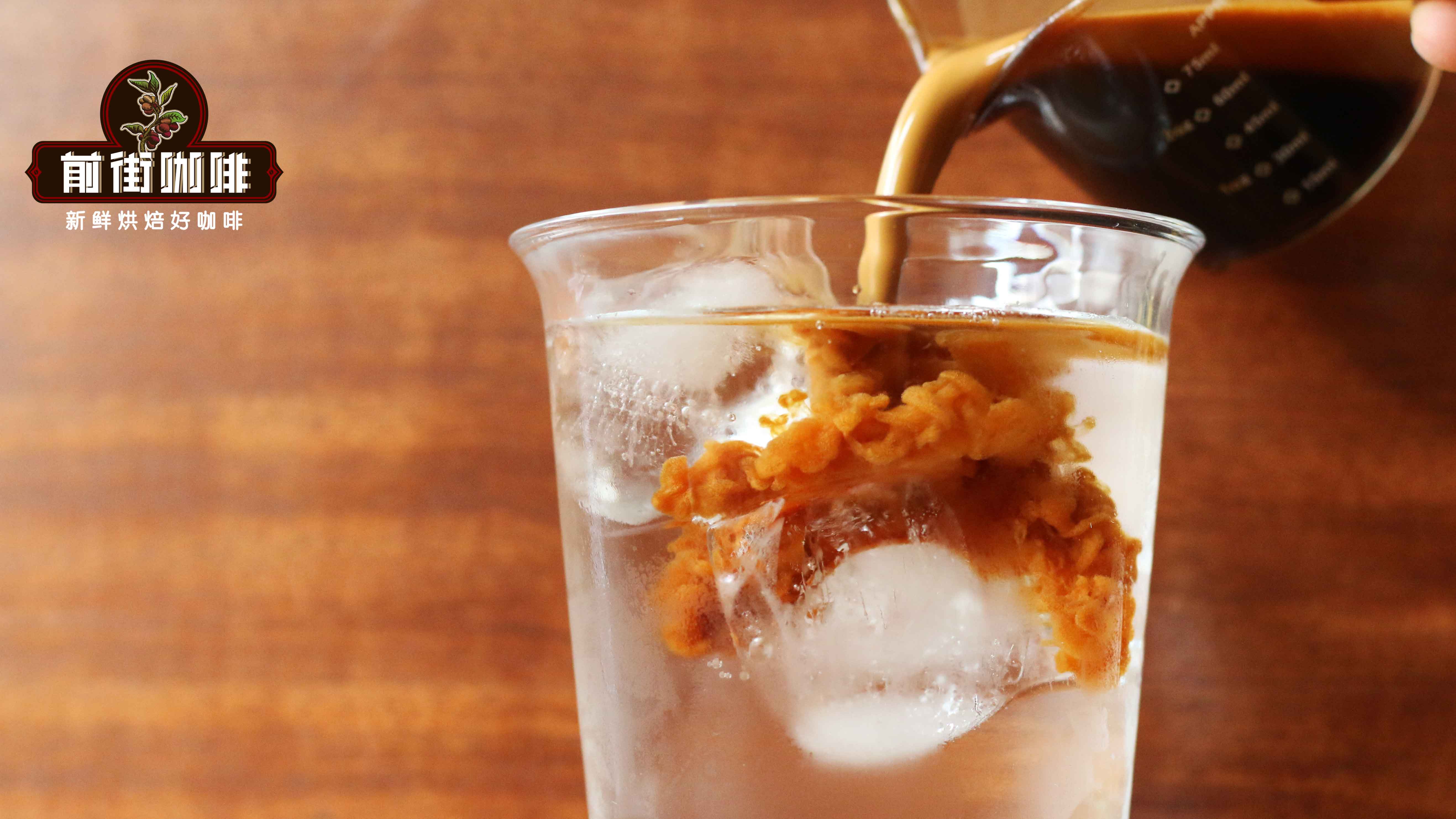
How to Determine the Water-to-Coffee Ratio for Iced Pour-Over Coffee? An Analysis of Ice Placement Timing and a Complete Brewing Plan
Iced pour-over coffee, with its refreshing and palate-cleansing taste, has become a favorite among many coffee enthusiasts. But to make a delicious iced pour-over, the key lies in setting the water-to-coffee ratio and how you use the ice. Unlike hot pour-over, iced pour-over requires first extracting a highly concentrated hot coffee liquid, then diluting and cooling it with ice, so the coffee-to-water ratio, pouring amount, and ice quantity all need to be readjusted. This article will explain in detail the brewing approach for iced pour-over, suitable coffee bean choices, and the parameter scheme used by Front Street Coffee in actual practice, helping you easily recreate a cup of iced pour-over with complete flavor at home. [more…]
How to determine the coffee-to-water ratio for pour-over? With a fixed water amount and slight adjustments to the coffee dose, how big is the difference in flavor?
Many coffee enthusiasts habitually use safe powder-to-water ratios like 1:15 or 1:16 in their daily pour-over brewing. Front Street also often recommends such parameters to beginners. However, once a fixed brewing pattern of fixed coffee dose with fixed water volume is established, even if the dose differs by only one or two grams, the pouring water volume is often locked in by inertia, causing the actual powder-to-water ratio to quietly shift. The powder-to-water ratio directly relates to extraction yield and concentration, and these two in turn determine the flavor and mouthfeel of the coffee. This article uses a clever cup immersion extraction experiment, brewing 14g, 15g, and 16g of Front Street Yirgacheffe Red Cherry with the same 225ml hot water, measuring concentration and tasting flavor differences, to illustrate the importance of adjusting water volume in sync when fine-tuning the coffee dose, and to remind that when the dose difference exceeds 5g, grinding, brewing technique, and dripper also need to be adjusted in [more…]

What to do if drip bag coffee tastes too weak? Master water temperature, coffee-to-water ratio, and pouring technique to brew a rich, aromatic pour-over
Have you ever run into this problem: the same pack of drip bag coffee, yet when someone else brews it, the aroma fills the air, while yours comes out as weak as plain water? The issue mostly lies in the parameters and technique. Although drip bag coffee has a low barrier to entry, to brew a rich, full-bodied flavor, you must nail down the three core variables: water temperature, coffee-to-water ratio, and extraction time. This article compiles three practical tips: the first is to adjust the brewing parameters to raise the extraction yield; the second is to dig a small hole in the center of the coffee bed to solve the uneven extraction caused by the overly thick layer of coffee grounds in the drip bag; the third is even more direct—pour the brewed coffee back and steep it again to remedy under-extraction. At the end of the article, there is also a complete brewing demonstration of Front Street Coffee Ethiopia Huakui drip bag, from a 1:15 coffee-to-water ratio to a four-stage pour, guiding you step by step to brew a great cup of coffee with strawberry and citrus notes. [more…]

The Complete Guide to Clever Coffee Dripper Brewing: How to Master Grind Size, Water Temperature, and Coffee-to-Water Ratio
The Clever Dripper, with its unique piston valve design, combines the immersion advantages of a French press with the filtration function of a pour-over dripper, making it a beloved brewing device for many coffee enthusiasts. By precisely controlling the coffee dose, ratio, grind size, water temperature, and time, you can consistently produce an excellent cup of coffee. Based on the practical experience of Front Street Coffee, this article systematically explains the brewing parameters and operating steps for the Clever Dripper, covering grind recommendations for medium-light and medium-dark roasts, water temperature ranges, coffee-to-water ratio choices, and comparative experimental results on immersion duration. Whether you are a beginner just getting to know the Clever Dripper or an advanced player looking to refine your brewing skills, you will find practical references and clear operating guidance here. [more…]
How to determine the coffee-to-water ratio for pour-over coffee? How much water for 15 grams of coffee to get enough flavor?
The appeal of pour-over coffee lies in its ability to bring out different flavors by adjusting parameters, and the coffee-to-water ratio is one of the most critical variables among them. The ratio not only determines the strength of the coffee, but also directly affects the extraction yield and the direction of the taste. Starting from the definition of the coffee-to-water ratio and drawing on the brewing experience of Front Street Coffee shops, this article explains how to find a suitable ratio range and provides a detailed introduction to the operation method and parameter settings of three-pour brewing. Whether you are a beginner just getting into pour-over or an enthusiast looking to refine your technique, you will find practical references here. [more…]
Kenya AA Pour-Over Coffee Ground-to-Water Ratio Practical Analysis: Flavor Differences from 1:15 to 1:13 and 1:17, and Front Street Asalia Brewing Record
The coffee-to-water ratio for pour-over coffee is often seen by beginners as the biggest obstacle. At Front Street Coffee, through conversations with customers in our stores and with enthusiasts, we have found that most questions revolve around this one parameter. This article uses the Front Street Asalia AA TOP coffee beans from Kenya's Thika region as a sample, keeping the three-pour brewing method and a water temperature of 90-92°C fixed, changing only the coffee-to-water ratio, and conducting comparative brews at 1:15, 1:13, and 1:17 respectively, recording the changes in flavor direction such as citrus, cherry tomato, smoked plum, and caramel. At the same time, it sorts out the difference between extraction yield and concentration, the Golden Cup theory range, the two major extraction methods of immersion and filtration, and includes a complete explanation of Kenya's 72-hour washed processing method, helping readers understand how the coffee-to-water ratio affects the acidity, sweetness, and body thickness of a cup of pour-over coffee. [more…]
Coffee Grounds Dosage | What is the ideal coffee-to-water ratio for pour-over coffee? Will a 1-gram difference in coffee grounds change the coffee's flavor?
For coffee brewing, the coffee-to-water ratio is one of the important factors that need to be considered first. But because it does not need to be adjusted according to the roast level of the coffee beans like water temperature and grinding, we often fix a ratio to brew coffee of all roast levels. For example, Front Street often recommends new [more…]