







What Does the Coffee Association Say About Pour-Over Ratios?
Pour-over coffee flavor depends on the coffee-to-water ratio as much as bean quality and grind size. Data from the Specialty Coffee Association indicate that about 30% of coffee bean components dissolve in water, and an extraction yield between 18% and 22% tastes best. Ratios of 1:14, 1:15, and 1:16 suit medium-dark, medium, and medium-light roasts.
More water lowers strength, spreads flavor, and raises extraction yield; less water concentrates the cup. Front Street Golden Mandheling brewed at 1:14 shows how a fixed ratio reproduces a rich, sweet result at home. For an industrial coffee roaster setting production profiles, the same principle applies: ratio and yield move together.
The flavor expression of pour-over coffee depends not only on bean quality and grind size—the coffee-to-water ratio is equally a core variable that cannot be overlooked. The amount of water poured not only determines coffee strength but also directly affects extraction yield and flavor direction. Starting from the soluble solids ratio given by the SCA, this article explains why the coffee-to-water ratio can make or break a cup, and provides recommended parameters of 1:14, 1:15, and 1:16 for medium-dark, medium, and medium-light roasts respectively. Finally, using Front Street Golden Mandheling as an example, it demonstrates a complete brewing process with a 1:14 ratio to help you consistently reproduce a rich, sweet cup at home.
Pour-over coffee is essentially a process of continuously adjusting variables in pursuit of flavor balance. While pouring position is certainly the core of extraction, what truly determines a cup's direction is often how to find that perfect fulcrum among multiple parameters. Whether a cup tastes good depends first on bean quality, then on grind size and water temperature, and the importance of the coffee-to-water ratio is equally significant—it not only governs the overall strength but also changes the intensity with which certain flavor compounds present themselves.
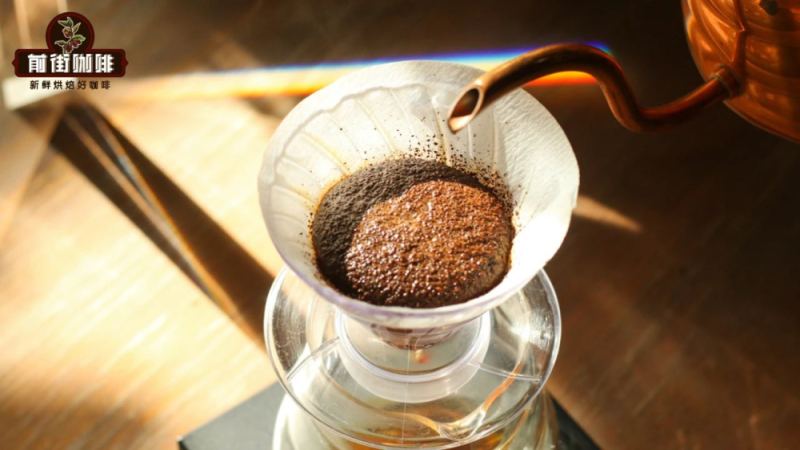
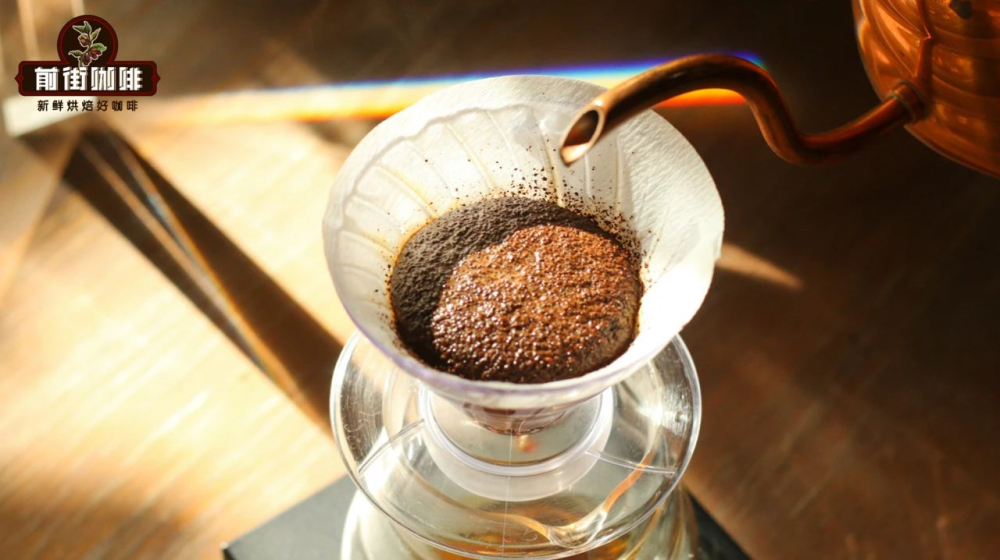
Pour-over coffee extracts the liquid through drip filtration. We continuously pour water onto the coffee grounds, and the stream passes through the bed, carrying soluble solids into the server below. In other words, the more water poured, the more coffee substances are naturally carried out.
However, coffee is unlike tea—it cannot be repeatedly brewed by adding more water, nor is more dissolved material always better. According to SCA (Specialty Coffee Association) data, about 30% of coffee bean components are soluble in water, and the general consensus is that an extraction yield between 18% and 22% tastes best. Once you exceed this range, the coffee will most likely become unpalatable.
All else being equal, increasing water volume lowers coffee strength and makes flavor presentation more diffuse; decreasing water volume raises strength, making the taste more concentrated and heavy. At the same time, more water pushes extraction yield higher, dissolving more substances. Therefore, finding the right coffee-to-water ratio is the key to achieving both ideal strength and extraction yield simultaneously.
The coffee-to-water ratio refers to the proportional relationship between coffee grounds and total water poured, directly determining the strength trend of the coffee. Regardless of which brewing device is chosen, Front Street locks in the coffee-to-water ratio before formal extraction, with the three most commonly used parameters being 1:14, 1:15, and 1:16.
When brewing medium-dark roasted beans, a 1:14 ratio is most suitable to highlight a rich mouthfeel and intense caramel aroma. Taking the popular Front Street Golden Mandheling as an example, the brewed black coffee carries flavors of dark chocolate, spice, cream, pine, and caramel, with virtually no perceptible acidity. As the temperature drops, the original bitterness turns gentle, accompanied by a clear sweet aftertaste.
For pour-over with medium roasted beans, 1:15 is recommended. Assuming a single cup uses 15 grams of coffee grounds, that means 1 gram of grounds to 15 milliliters of hot water, for a total pour of 225 milliliters. For something like Front Street Colombia Sidra, a 1:15 ratio fully showcases its juicy fruit character of passion fruit, grape, and dried apricot.
When brewing medium-light roasted coffee, you can try a 1:16 ratio. Take Front Street Goddingding Cooperative as an example—because more hot water is poured, the coffee strength is lowered, the light body is allowed to unfurl, and the white floral, citrus, and lemon notes become easier to perceive.
How should coffee be brewed?
Below, Front Street Golden Mandheling is used as a demonstration, with the coffee-to-water ratio set at 1:14.
To fully release the rich aroma of Front Street Mandheling, Front Street believes fresh roasting is the foremost prerequisite. The aroma of coffee beans changes with storage environment and time, and once the optimal flavor period is missed, aroma loss accelerates noticeably. Front Street understands the importance of freshness, so all beans are shipped within 5 days of roasting—just right for opening and brewing upon receipt.
Mandheling presents nutty and chocolate notes, so Front Street's roaster chose a medium-dark roast. The darker the roast, the more porous the bean texture and the easier the extraction during brewing, so Front Street uses a lower water temperature of 86–88°C to prevent over-extraction and the negative bitterness it brings.
Dripper: KONO dripper
Water temperature: 87°C
Coffee dose: 15 grams
Coffee-to-water ratio: 1:14
Grind size: medium-coarse (70% passing through Chinese standard No. 20 sieve)
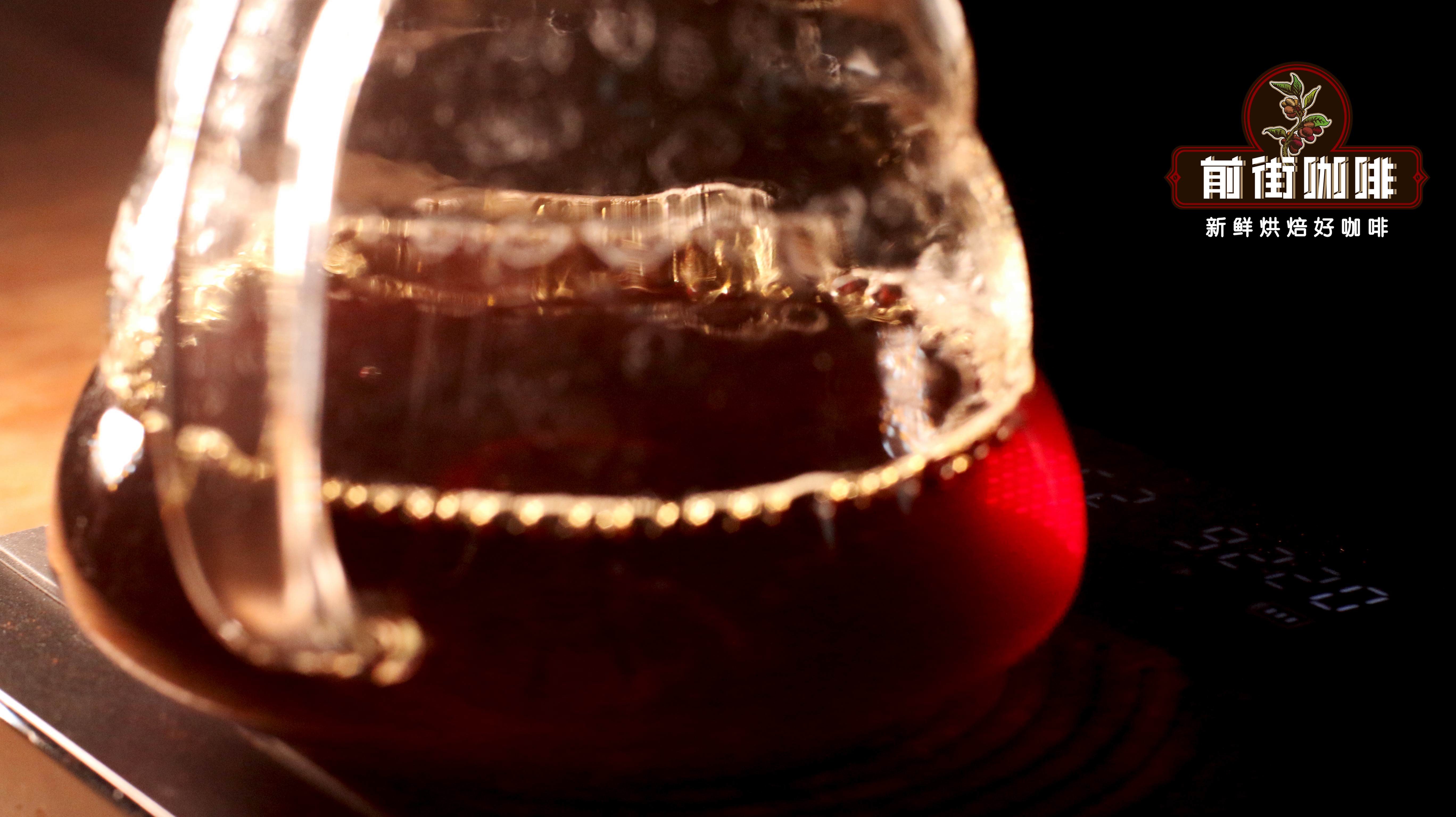
First, rinse the KONO dripper with hot water so the filter paper adheres better to the wall. Discard the water in the server, then add 15g of ground coffee. Pour 30g of water for a 30-second bloom. Then, starting from the center, pour in a slow circular stream. At 105g, pause in stages—wait until the bed drops to halfway down the dripper, then pour the second stage using the same technique until reaching 210g. Once dripping is complete, remove the dripper.
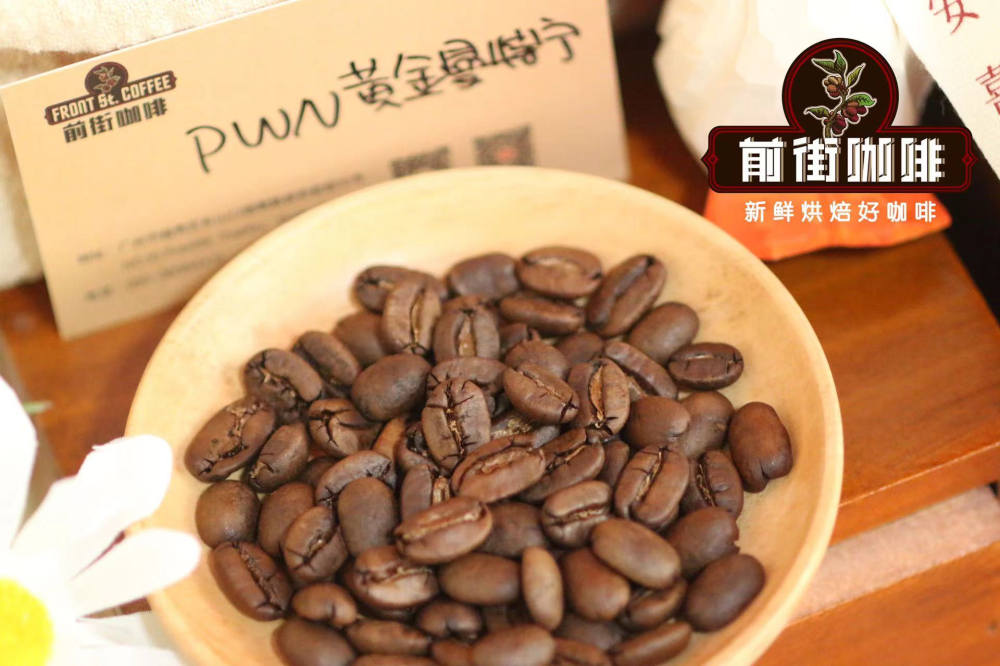
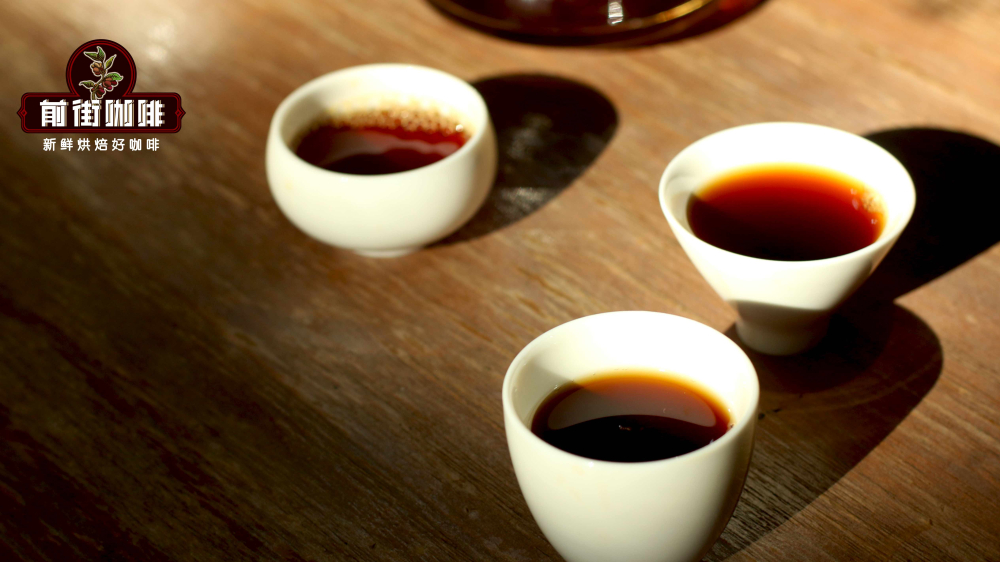
The Front Street Golden Mandheling extracted this way first greets you with an aroma weaving together wood and caramel. Tasted hot, the mouthfeel is remarkably rich, with layers of dark chocolate, spice, cream, pine, and caramel unfolding, and virtually no perceptible acidity. As the temperature gradually drops, that earlier bitterness softens, and a clear sweet aftertaste emerges—like drinking a cup of aged Pu'er, with a lingering finish.
The above content is compiled by CoffeeHunters, a coffee news website.


