







Search Results for: Brazil IAC
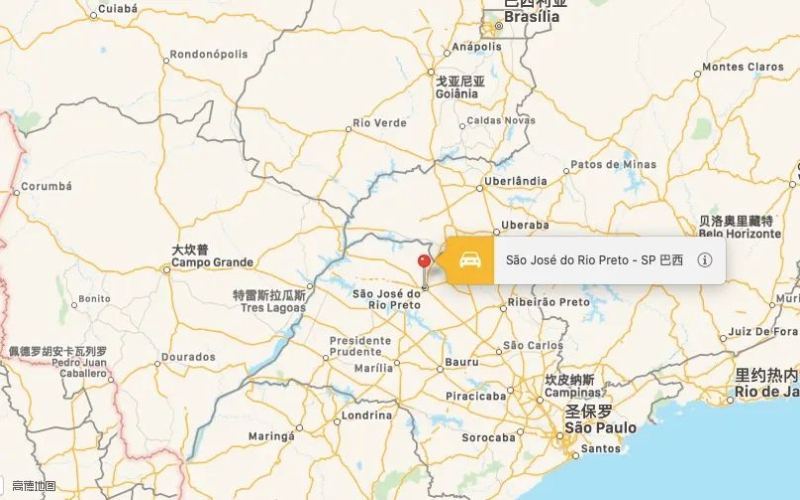
São Paulo State Plans to Transfer IAC Coffee Experimental Station and Germplasm Bank, Sparking Industry Concerns
The São Paulo state government in Brazil plans to sell a 7-hectare plot of land located in the state, which belongs to the Santa Elisa farm of the Campinas Agronomic Institute (IAC). This move has been strongly opposed by the IAC and the São Paulo State Association of Scientific Researchers. The farm hosts one of the world's largest coffee germplasm banks, preserving about 5,000 germplasm accessions, including the world's oldest Arabica coffee population. As one of the oldest agricultural research institutions in the world, the IAC's research achievements underpin 70% of the world's commercial coffee varieties. If the farm is sold, multiple coffee and crop research projects will be forced to halt, with far-reaching impacts on Brazil and the global coffee industry. [more…]
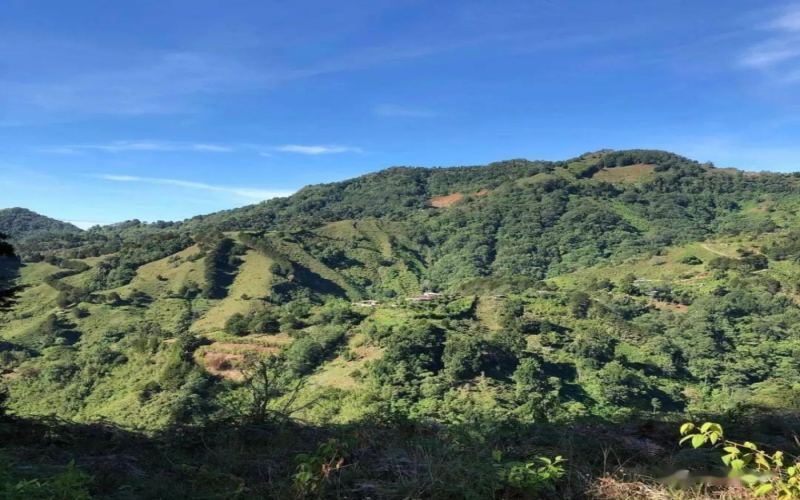
Brazil's IAC natural decaf coffee breeding enters a critical validation phase, with promising commercial prospects.
The natural decaffeinated coffee breeding program at Brazil's Campinas Agronomic Institute (IAC), which has spanned more than two decades, has now entered the stage of definitive verification. Researchers are cultivating and screening hybrid coffee plants derived from different varieties, with the goal of developing coffee varieties that are naturally low in caffeine or even caffeine-free without the need for industrial decaffeination. If this breakthrough ultimately comes to fruition, it will profoundly change the commercialization landscape of decaffeinated coffee in major markets such as the United States and Europe. According to forecasts by market research institutions, the global decaffeinated coffee market will reach US$28.86 billion by 2030, with young health-conscious consumers as the main driving force. Front Street Coffee will also continue to follow the subsequent progress of this transformative research. [more…]
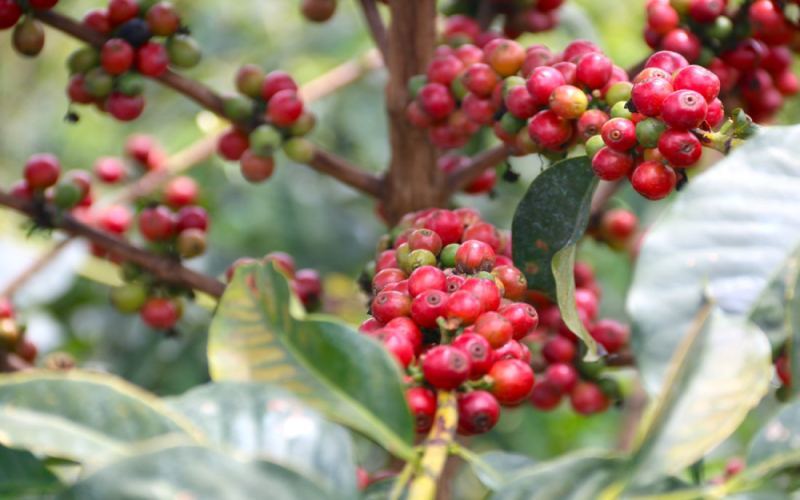
The Origin, Flavor Characteristics of the Brazilian Yellow Bourbon Coffee Variety, and Front Street Roasting Recommendations for Queen's Farm
Yellow Bourbon is a rather legendary variety in Brazilian coffee. With its distinctive yellow appearance when ripe and outstanding flavor performance, it has attracted considerable attention in the specialty coffee world in recent years. Its history can be traced back to a natural mutation of Red Bourbon in the 19th century. Later, through systematic research by the Campinas Agronomic Institute (IAC), its genetic mechanism and cultivation characteristics were gradually clarified. Although its yield is relatively low and its disease resistance is weak, Yellow Bourbon often displays a flavor profile in cupping characterized by prominent sweetness and bright citrus acidity. This article reviews the variety's origins, genetic principles, and key cultivation points, and introduces the Yellow Bourbon from Fazenda Rainha in Brazil, along with Front Street Coffee's roasting approach and flavor description. [more…]
The Origins and Flavor Characteristics of Brazilian Yellow Bourbon Coffee: From Genetic Mutation to Queen's Estate Specialty Beans
Yellow Bourbon is a rather legendary variety on Brazil's coffee map. It gets its name from its ripe fruit, which is yellow, and it has regained attention in the specialty coffee wave for its sweetness and citrus acidity. From an accidental mutation in Botucatu in 1871, to formal cultivation by IAC researchers, to the meticulous natural processing at Fazenda Rainha, Yellow Bourbon has traveled a winding yet remarkable path. This article will sort out the origin story, genetic principles, growing characteristics, and flavor performance of Yellow Bourbon, and introduce Front Street Coffee's roasting approach and cupping impressions of Fazenda Rainha Yellow Bourbon, giving you a comprehensive understanding of the charm of this unique variety. [more…]
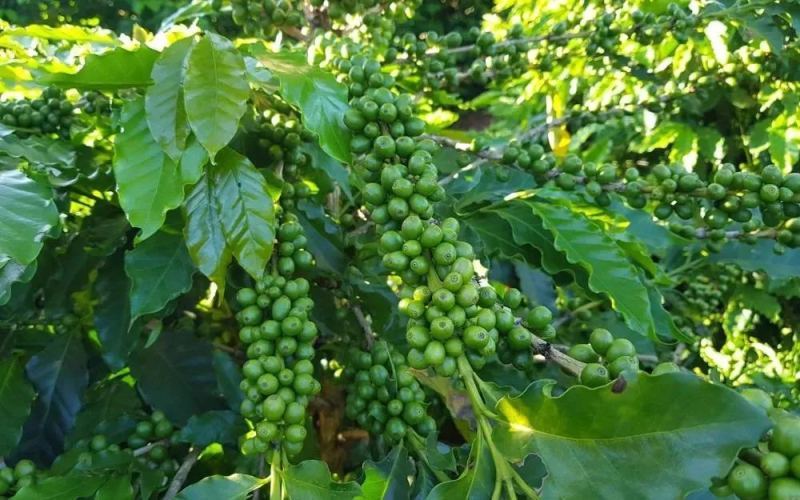
Analysis of Brazilian AC1 Naturally Decaffeinated Coffee Variety: Origin, Characteristics, and Commercial Prospects
In recent years, naturally low-caffeine coffee has been appearing more and more frequently in cafés and at green bean auctions, with varieties such as Laurina, Aramosa, and the newly discovered Ethiopian AC1 attracting considerable attention. AC1's caffeine content is only about 0.76 mg/g, far lower than that of ordinary Arabica. This variety originated from Ethiopian seed resources and was later discovered and studied by the Brazilian Agronomic Institute (IAC) at Santa Elisa Farm. Although AC1 is chemically similar to mainstream varieties and has strong resistance to coffee leaf rust, its low yield and demanding growing conditions pose challenges to its commercialization. The IAC is now developing new varieties with even lower caffeine content and higher yields through crossbreeding. Front Street Coffee continues to follow the latest developments in this field. [more…]
Sourcing the Brazilian Yellow Bourbon Coffee Variety: Fruit Color Genetics, Flavor Profile, and an Analysis of Queen's Estate Front Street Roasting
Yellow Bourbon is a rather legendary variety on the Brazilian coffee map, named for the rare yellow color of its ripe fruit, and it has regained attention amid the specialty coffee wave. This article provides a complete overview of Yellow Bourbon's development, from its varietal origins, genetic mechanisms, and agronomic characteristics to its flavors in the cup, and introduces how Queen's Farm unlocks its sweetness and citrus acidity through meticulous natural processing and hand-picking. It also combines Front Street Coffee's roasting practice to present this bean's balanced expression with notes of nuts, peanut butter, and dark chocolate, making it suitable reading for enthusiasts who wish to gain a deeper understanding of Brazilian specialty coffee. [more…]
The Origins of Yellow Bourbon Coffee and Its Comparison with Red Bourbon: From a Brazilian Mutation to the Rise of Specialty Coffee
Yellow Bourbon is a unique and precious presence on the Brazilian coffee map—its ripe cherries take on a bright yellow color, and its flavor is renowned for sweetness, citrus acidity, and nutty-chocolate notes. It originated from a natural mutation of Red Bourbon and, over nearly a century, has moved from being a novelty variety to the specialty coffee stage. This article provides a complete overview of Yellow Bourbon's origins, genetic principles, and flavor characteristics, compares it with Red Bourbon, and also introduces you to the Yellow Bourbon of Fazenda Rainha as well as Front Street Coffee's roasting and flavor expression. [more…]
Is Brazilian Yellow Bourbon Coffee Bean Expensive? A Complete Analysis of Front Street Queen Estate's Flavor Characteristics and Pour-Over Parameters
Yellow Bourbon is a rather distinctive variety on Brazil's coffee map, with ripe fruit turning a bright yellow that stands in sharp contrast to the familiar red-fruited coffee. It has both a long history of cultivation and a renewed vitality in the specialty coffee wave. This article will offer a comprehensive look at Brazilian Yellow Bourbon from the angles of variety origin, genetic characteristics, and flavor expression, while also sharing Front Street Coffee's roasting approach and pour-over plan for the Queen Estate Yellow Bourbon beans, including specific parameters such as water temperature, grind size, coffee-to-water ratio, and pouring technique, to help coffee lovers brew a cup of round, sweet Brazilian Yellow Bourbon at home. [more…]
Brazilian Bourbon Coffee Beans | Where Does Brazilian Yellow Bourbon Come From? Variety Characteristics and Flavor Profile of Yellow Bourbon
The coffee cherries of most varieties turn red when ripe, but the Yellow Bourbon variety is known for its ripe cherries that are yellow, and Yellow Bourbon is regarded as a precious variety in Brazil. In recent years, this variety has been highly praised by coffee buyers and roasters, partly because of its unique and high-quality flavor. [more…]
What bean variety is Caturra, the high-yielding dwarf cultivar? The spread of Caturra and an analysis of its pour-over flavor and brewing
Caturra is known for its small stature and tight secondary branching, allowing for high-density planting and considerable yields per unit area, making it a pivotal bean variety on the coffee map of the Americas. This article will review its path from participating in selection and breeding at Brazil's IAC research institution, to landing in Guatemala in the 1940s, and then spreading across Central American countries. It will also explain why it is often used as a "benchmark" for testing new varieties, as well as the ins and outs of changes in its share of plantings in Colombia. The article also takes stock of several products on Front Street Coffee's bean list that contain Caturra, with a key breakdown of the bean information for Front Street Colombia Rose Valley and a three-stage pour-over recipe, analyzing the release patterns of acidity, sweetness, and bitterness in staged extraction, and finally appending tasting notes for Huila washed Caturra. [more…]
Brazil's Pedra Grande Farm Itagucu Mundo Novo: Front Street Coffee's Analysis of the Sun-Dried Coffee Variety
This article takes you deep into the Mundo Novo coffee variety, widely cultivated in Brazil, analyzing everything from its origins and plant characteristics to its flavor profile. At the same time, it focuses on Fazenda Itaguaçu, a farm in the Minas Gerais region run by German owner Alana Morri, situated at 1,350 meters and planted exclusively with the single Mundo Novo variety. This naturally processed bean, recommended by Front Street Coffee, comes from the "Friends and Neighbors" project launched by FAL Café, aimed at connecting small farms with more specialty buyers and echoing the principles of sustainability, traceability, and transparency. [more…]
2024 Brazil Cup of Excellence Results Announced: A Comprehensive Analysis of the Rare Varieties Arará and Topázio
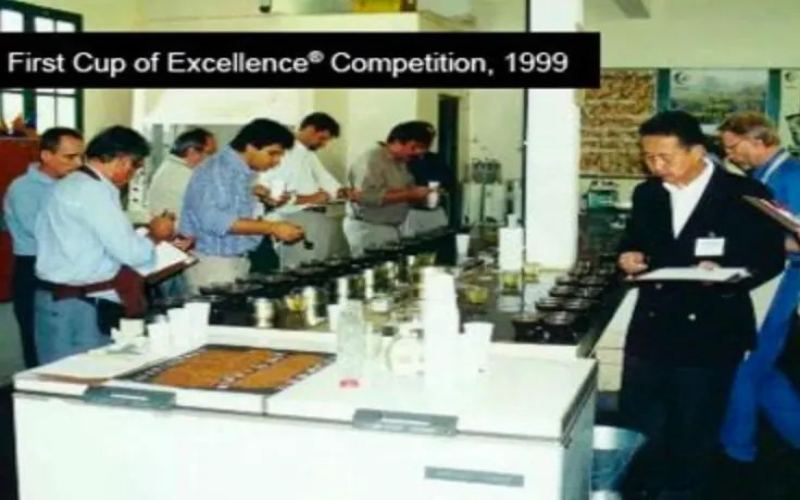
The Cup of Excellence (COE), one of the most authoritative specialty coffee competitions in the world, was founded in 1999 by the Alliance for Coffee Excellence (ACE), with the aim of providing a showcase platform for high-quality coffee from coffee-producing countries and helping coffee farmers earn higher incomes. The 2024 Brazil COE competition coincides with the 25th anniversary of the event's founding in Brazil, and the results have now been officially announced. This year's competition was once again divided into three categories: natural, washed and honey, and experimental processing. Among the winning varieties, rare varieties such as Arará and Topázio emerged, attracting widespread attention. This article will take you through an in-depth look at the origins and characteristics of these two varieties and their performance in the COE competition, while also highlighting related product information recommended by the Front Street Coffee brand. [more…]
Analysis of the Flavor Characteristics of the Caturra Coffee Variety and Its Relationship with Bourbon Coffee Beans
Caturra is a natural mutation of Bourbon, developed and promoted by the Alcides Carvalho Coffee Center at the Agricultural Research Institute of São Paulo State in Brazil, and it has had a profound influence on the global coffee industry. This article will introduce in detail the discovery history of Caturra, its plant characteristics, flavor performance, and its genetic relationship and differences with Bourbon coffee beans. The Caturra plant is short with short internode spacing, has higher yield than Bourbon, matures faster, has stronger disease resistance, and broad adaptability, performing best in areas at altitudes of 1,200 to 2,000 meters with annual rainfall of 2,500 to 3,500 millimeters. In addition, the article will also mention similar mutant varieties such as Pacas and Villa Sarchi, and share Front Street Coffee's dedication to coffee knowledge and giving back. [more…]
Why Is Red Bourbon the Main Variety of Brazilian Coffee? An Analysis of the Genetic Secret Behind Yellow Bourbon Fruit Not Turning Red
Brazil, as a major coffee-producing country in the world, has a rather fascinating history of variety evolution. From the early cultivation of Typica to the introduction of Bourbon, and then to the divergence of Red Bourbon and Yellow Bourbon, multiple factors are involved, including yield, disease resistance, and genetics. This article sorts out the trajectory of coffee variety replacement in Brazil, focusing on answering why Yellow Bourbon does not turn red after ripening but instead maintains its yellow appearance, and analyzing the dominant and recessive inheritance mechanisms of its anthocyanins and luteolin. At the same time, it introduces the flavor characteristics and brewing performance of Front Street Coffee's entry-level selected Brazil Red Bourbon and Front Street Coffee's Queen Estate Yellow Bourbon, helping coffee enthusiasts understand the differences these two Bourbon varieties present in the cup. [more…]
Tracing the Origins of Brazil's Yellow Bourbon Coffee Variety: A Comprehensive Interpretation from Genetic Mutation to Flavor Expression
Yellow Bourbon is a unique presence on Brazil's coffee map—it was not artificially cultivated, but originated from a natural genetic mutation. From the introduction of the Bourbon variety to Brazil in the 19th century, to the first discovery of yellow fruit in Pederneiras in 1930, and then to the variety collection and promotion by the Campinas Agronomic Institute, Yellow Bourbon has gone through a tumultuous journey. It was once popular for its high yield and quality, but also retreated to limited production areas at higher altitudes due to declining disease resistance. Today, highlands such as Mogiana in São Paulo state have become the main stage for Yellow Bourbon, where the temperature difference between day and night gives the fruit richer aromatic layers. This article will systematically review the discovery history, genetic mechanism, cultivation status, and flavor characteristics of Yellow Bourbon, and bring a specific brewing and tasting guide for Front Street Coffee's Queen Estate Yellow Bourbon. [more…]
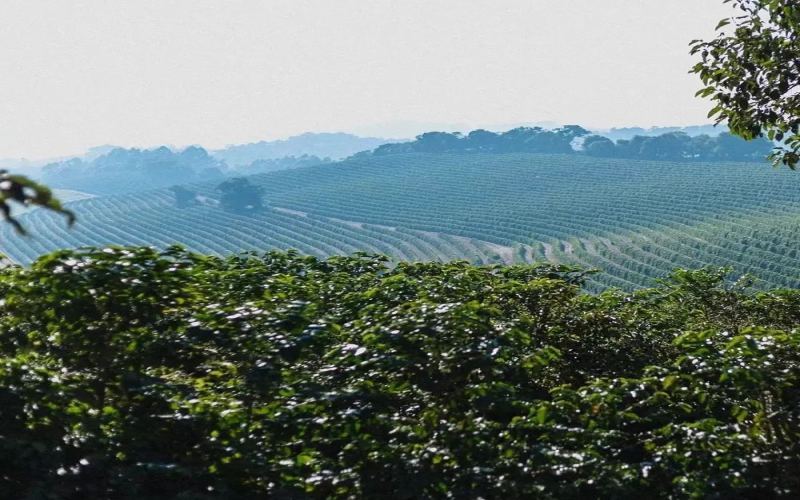
Why Brazilian Coffee Became the Backbone of Blends: Front Street Queen's Estate Yellow Bourbon Flavor Analysis
Brazil has been the world's largest coffee producer for over 150 years, contributing about one-third of the world's coffee beans each year. Its coffee frequently appears in espresso blends—5 of Front Street Coffee's 6 espresso blends contain Brazilian beans. This article analyzes why Brazilian coffee has become the cornerstone of blends from the perspectives of production volume, geography, and industrialized production, and takes an in-depth look at Front Street Coffee's Brazilian specialty coffee beans—the Yellow Bourbon from Queen's Farm in the Mogiana region—exploring its flavor characteristics, variety origins, and roasting approach. [more…]
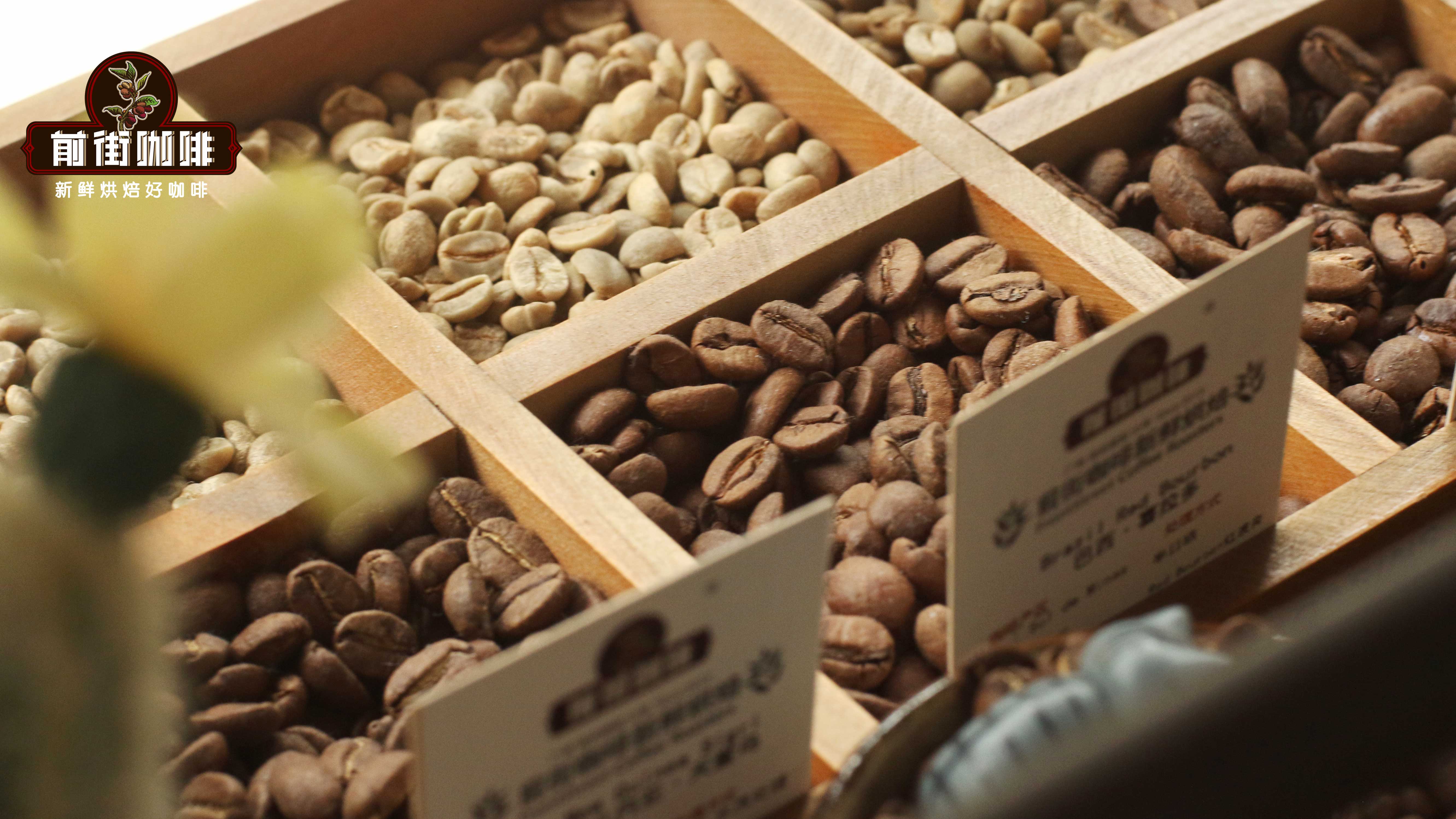
A Complete Guide to Brazilian Coffee Varieties and Major Producing Regions: A Guide to Natural Processing and Bourbon Coffee Brewing
As the world's largest coffee producer, Brazil's coffee-growing history and variety evolution have profoundly shaped the global coffee landscape. From the introduction of Typica in the 18th century to the successive emergence of Bourbon, Caturra, Catuai, Mundo Novo, and other varieties, Brazil has not only nurtured many classic coffee varieties but also invented the pulped natural processing method to cope with climate and water resource challenges. This article will systematically sort out the variety lineage and main producing regions of Brazilian coffee, with a focus on Front Street Coffee's Red Bourbon and Queen's Farm Yellow Bourbon, along with detailed roasting analysis and pour-over brewing suggestions. [more…]
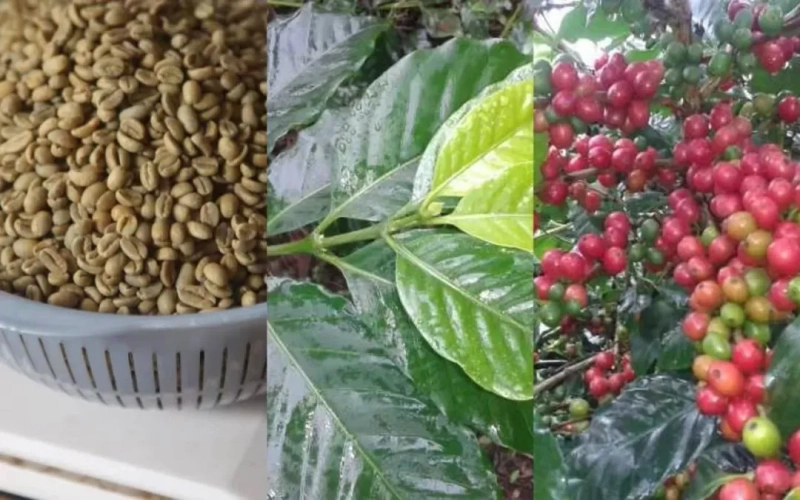
From Caturra to Catimor: The Origins, Characteristics, and Flavor Profiles of Common Coffee Varieties in the Americas
Coffee varieties continue to evolve through transplantation, mutation, and hybridization, and many of the cultivated varieties on the market today can be traced back to the two major systems of Typica and Bourbon. This article focuses on three important varieties commonly found in the Americas—Caturra, Catuai, and Catimor—sorting out their origins, plant morphology, cultivation adaptability, and cup flavor performance. Caturra originated from a natural dwarf mutation at Cuba's Pinar del Rio, Catuai was created by artificial hybridization of Mundo Novo and Yellow Caturra, and Catimor has Robusta lineage and therefore possesses some resistance to coffee leaf rust. The article also intersperses product information from Front Street Coffee's Colombia Huila, Elida Estate Catuai, and PWM Golden Mandheling for enthusiasts' reference. [more…]
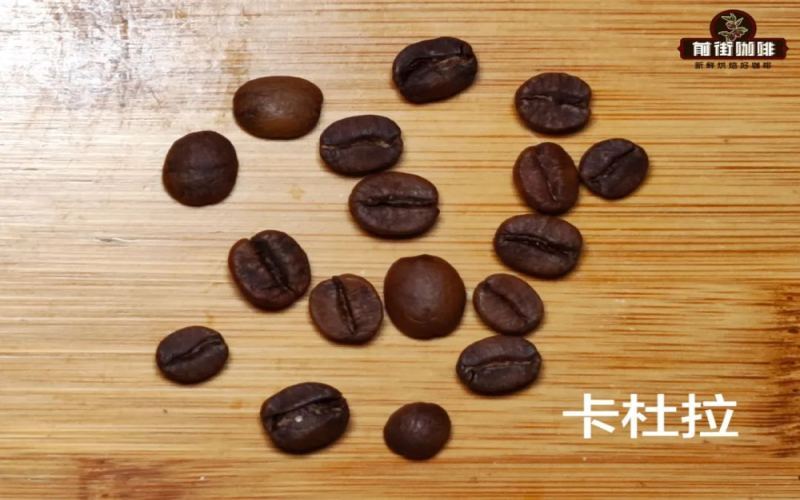
A Complete Analysis of the Caturra and Catuai Coffee Varieties: Origins, Characteristics, and Front Street Coffee's Recommended Bean List
Caturra and Catuai are common variety labels on coffee beans from Central and South America, and the two names are similar with deep connections. Caturra originated from a natural Bourbon mutation discovered in Brazil, with a compact size, high yield, and no need for shade; Catuai is a hybrid offspring of Mundo Novo and Yellow Caturra, combining high yield with stress resistance. This article provides a detailed overview of the discovery history, plant characteristics, cupping performance, and cultivation adaptability of these two varieties, and explains why they often appear together in the same coffee. Front Street Coffee also recommends a number of related bean lists, including Colombia Huila, Costa Rica Musician Series, and Honduras Sweet Orange Estate, with brewing demonstrations and flavor descriptions to help you fully understand the charm of these two varieties. [more…]
Caturra vs. Catuai Coffee Varieties: Flavor Characteristics and Brewing Performance of Catuai
In the variety labeling of South American specialty coffee, the similarly named pair of varieties Caturra and Catuaí often appear together, sparking curiosity among many coffee enthusiasts. What exactly is the relationship between the two? As a natural mutation of Bourbon, Caturra changed the planting landscape of Central America with its compact plant size and adaptability to sun exposure; Catuaí, a cross between Mundo Novo and Yellow Caturra, combines high yield with resistance to wind and rain. This article systematically sorts out the differences and connections between the two, from variety origins and botanical characteristics to cup profile, and uses the Catuaí from Honduras's Sweet Orange Estate as an example to showcase Front Street Coffee's brewing approach and flavor performance. [more…]