







Why does the IAC land sale worry arabica coffee research?
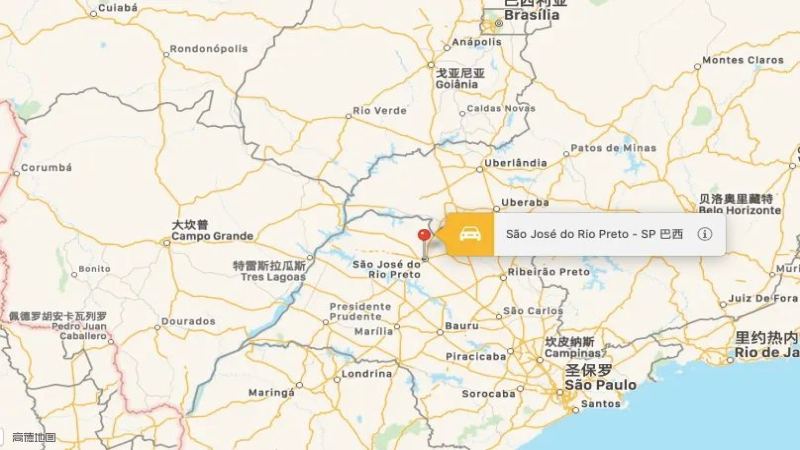
The Sao Paulo state government plans to sell a 7-hectare plot called Sao Jose that forms part of the Campinas Agronomic Institute's Santa Elisa farm. IAC and the Sao Paulo Association of Scientific Researchers oppose the move. The farm holds one of the largest coffee germplasm banks, about 5,000 accessions, including the oldest Arabica coffee population in the world.
Founded in 1973, IAC is Brazil's oldest agricultural research institution and has supported roughly 70% of the world's commercial coffee varieties. Selling the plot would stop multiple coffee and crop projects. No official announcement or technical plan for relocating the plant resources has been issued, so the outcome for the arabica coffee collection remains unclear.
The government of São Paulo state in Brazil plans to sell a 7-hectare plot of land in the state, which belongs to the Santa Elisa farm of the Campinas Agronomic Institute (IAC). This move has been strongly opposed by IAC and the São Paulo Association of Scientific Researchers. The farm hosts one of the world's largest coffee germplasm banks, preserving about 5,000 accessions, including the world's oldest Arabica coffee population. As one of the oldest agricultural research institutions globally, IAC's research has supported 70% of the world's commercial coffee varieties. If the farm is sold, multiple coffee and crop research projects will be forced to halt, with profound impacts on Brazil and the global coffee industry.
According to Brazilian media, the São Paulo state government recently plans to put a plot of land named São José, about 7 hectares in size, up for sale. However, this decision has sparked clear opposition from the Campinas Agronomic Institute (IAC) and the São Paulo Association of Scientific Researchers (APqC), as the plot is part of IAC's Santa Elisa farm.
In fact, as early as last August, the São Paulo Secretary of Agriculture revealed intentions to sell some plots, planning to auction farms and properties with high maintenance costs and limited social or economic returns, converting them for real estate development. The IAC board stated that the government does have the right to dispose of the area, but so far no official announcement has been made, nor have technical recommendations been provided regarding the relocation of plant resources.
The Campinas Agronomic Institute (IAC), founded in 1973, is Brazil's oldest agricultural research institution and a veteran globally. The institution has long been dedicated to the preservation, genetic research, and breeding of various plants and species, with coffee being one of its key focuses. It also undertakes tasks in experimental cultivation, soil science, and other technological outreach, and has established planting bases for Brazil's soybeans, coffee, sugarcane, and other economic crops.
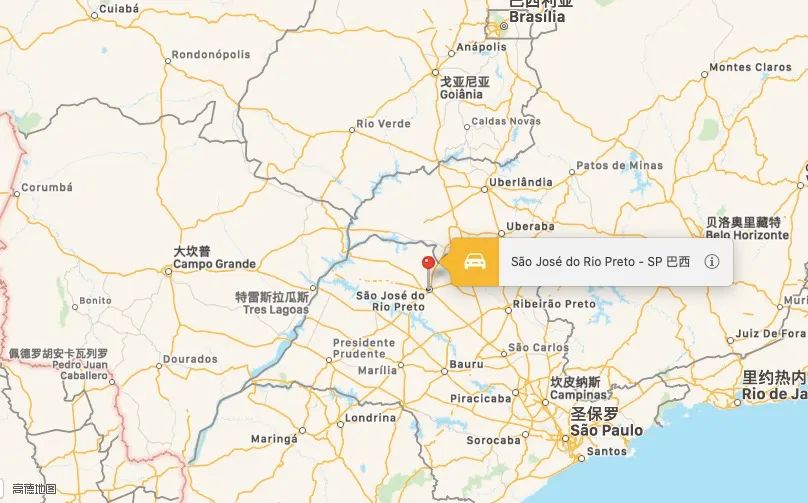
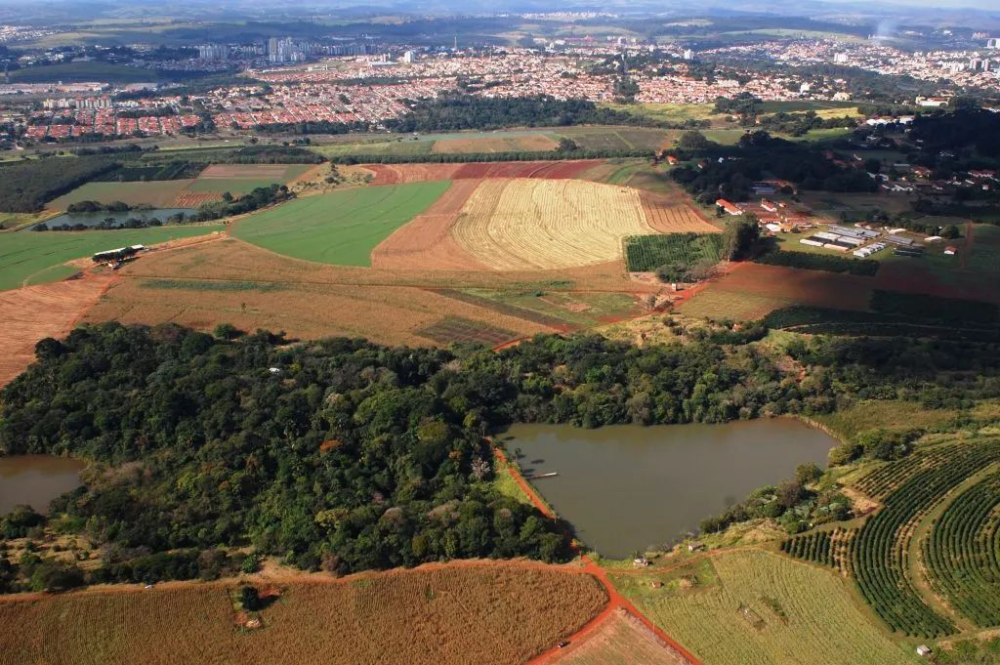
The Santa Elisa farm involved in this matter preserves unique specimens of various coffee varieties bred by IAC, including the world's oldest Arabica coffee plant population. It is both Brazil's largest coffee germplasm bank and one of the largest globally. The farm's experimental area contains about 5,000 "accessions," corresponding to different coffee varieties, many of which are rare or endangered varieties introduced from around the world over the years.
The São Paulo Association of Scientific Researchers points out that Brazil's ability to rank among the world's agricultural powers is inseparable from IAC's continuous introduction of coffee varieties since its establishment and its research and development to select varieties adapted to Brazil's environment and climate. Additionally, many coffee-producing countries grow varieties that also originate from IAC's research and releases. It is said that about 70% of the world's commercially grown coffee varieties can be traced back to IAC's research, and the institution's contribution to the global coffee industry cannot be overlooked.
In recent years, research at the Santa Elisa farm has also made breakthroughs, such as the discovery of wild-type caffeine-free Arabica coffee varieties. Currently, research on cultivating "naturally caffeine-free" coffee has entered a definitive stage. This research by Brazil's IAC is crucial for the global industry to unlock the true market potential of these varieties.
Looking back over recent years, Brazil's coffee production peaked in 2020, but in 2021 it suffered frost, leading to a severe reduction in coffee output, with prices soaring nearly 13% at the time. Since then, Brazil has continued to be affected by weather factors, and early this year it experienced the worst drought in over 70 years, causing another decline in coffee production and a subsequent price increase. Facing this situation, Brazil's IAC has been consistently developing coffee varieties suitable for domestic cultivation and resistant to harsh weather.
In addition to research and development for the coffee industry, the farm also concentrates research work on other crops. If the farm land is sold by the government, numerous research and development projects will face obstacles or even stagnation, which will adversely affect the future development of Brazil's coffee and other agricultural industries.
To learn more about coffee origin news and information, please scan the QR code to follow: Coffee Review
Long-press the QR code to follow:
The above content is compiled by CoffeeHunters, a coffee news website.


