






Why Are Caturra Coffee Trees Planted So Densely?
Caturra is a compact dwarf coffee variety with tightly spaced secondary branches, which lets growers plant coffee trees at higher density and harvest more fruit per unit of land. It was selected at Brazil's IAC research institute, reached Guatemala in the 1940s, then spread to Costa Rica, Honduras and Panama, becoming one of Central America's economically important coffees.
Its small stature also makes picking easier and less labor-intensive. Caturra is often used as a benchmark for judging new varieties, and in Colombia it once accounted for close to half of national production. After 2008, a government program replaced more than 3 billion trees with leaf-rust-resistant Castillo, whose lineage derives from Caturra, and its planting share has since declined.
Caturra is known for its compact stature and tightly spaced secondary branches, allowing for high-density planting and considerable yields per unit area, making it a bean variety of great importance on the coffee map of the Americas. This article will review its path from participating in selection and breeding at Brazil's IAC research institute, to landing in Guatemala in the 1940s, and then spreading across Central American countries, and explain why it is often used as a "benchmark" for testing new varieties, as well as the ins and outs of changes in its share of planting in Colombia. The article also takes stock of several products in Front Street Coffee's bean list that contain Caturra, focusing on breaking down the bean information and three-stage pour-over plan for Front Street Colombia Rose Valley, analyzing the release patterns of acidity, sweetness, and bitterness in staged extraction, and finally attaching tasting notes for Huila washed Caturra.
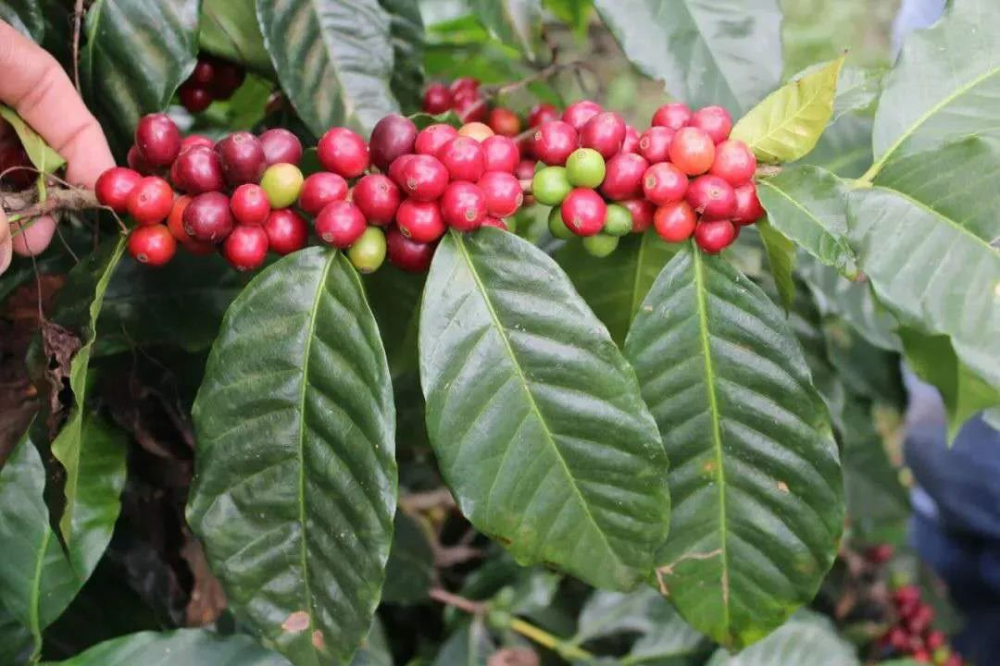
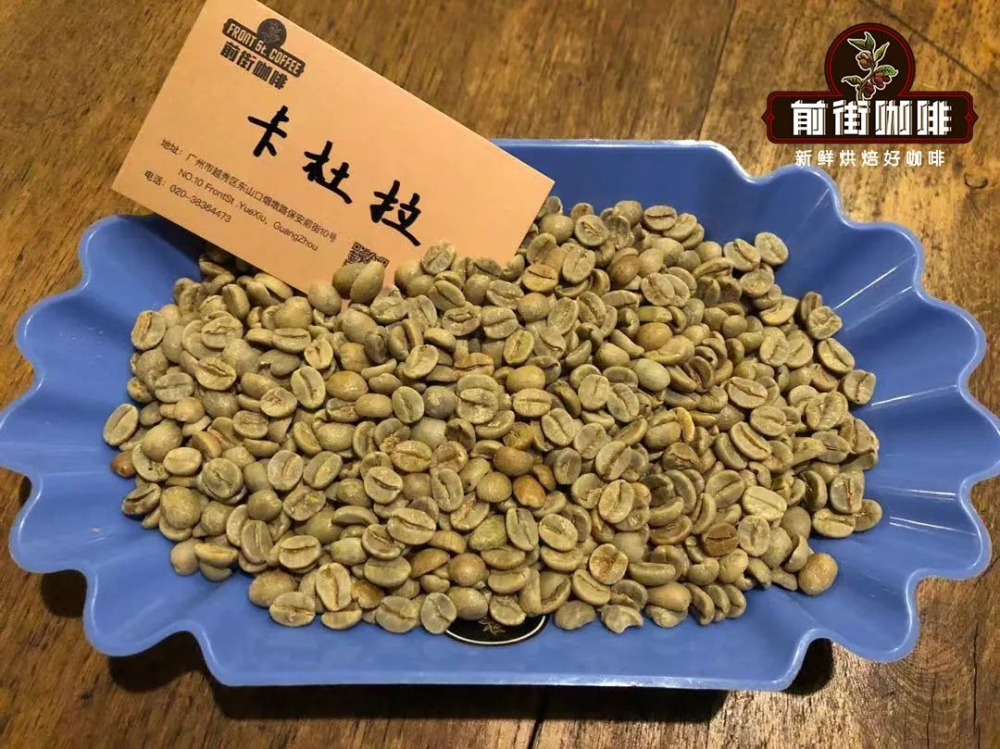
The Caturra plant is short in stature, which allows growers to plant coffee trees more densely; its secondary branches are also very close to one another, so it can bear more fruit on the same area of land, significantly increasing the harvest per unit area. In addition, the small plant size also makes the harvesting process more labor-saving and convenient.
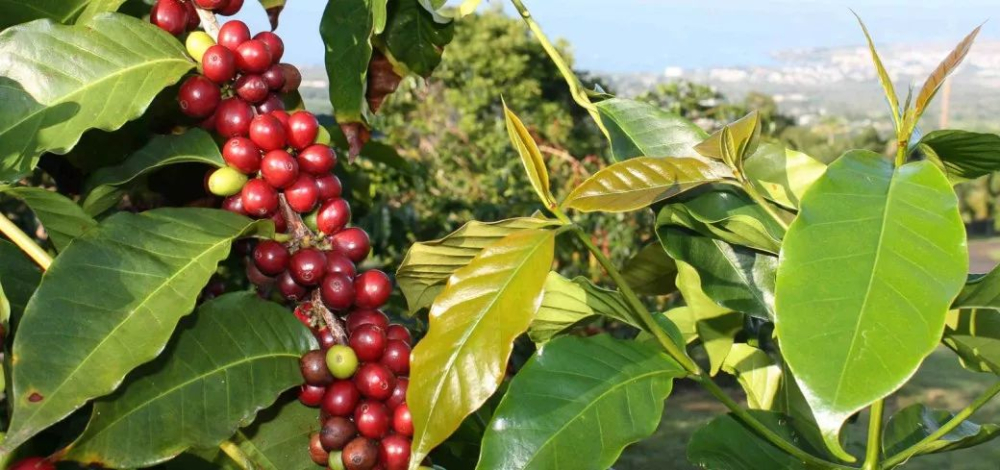
After Caturra was discovered, it entered Brazil's IAC research institute for screening and breeding, and landed in Guatemala in the 1940s, but for about 30 years afterward, it did not receive large-scale commercial promotion. Subsequently, this bean variety was introduced from Guatemala to Costa Rica, Honduras, and Panama one after another, and has developed to become one of the economically important coffees in Central America today. To some extent, it is often used as a "reference benchmark" for evaluating the performance of new varieties. In Colombia, Caturra production was once considered to be close to half of the national total; it was not until 2008, when a government-funded project was launched to encourage the replacement of more than 3 billion coffee trees with the leaf-rust-resistant Castillo variety (whose lineage derives from Caturra), that Caturra's planting proportion gradually declined from then on.
Among the rich bean list of Front Street Coffee, products such as Front Street Panama Butterfly, Front Street Colombia Rose Valley, Front Street Honduras Lychee Orchid, and Front Street Guatemala Maracaturra all contain the Caturra bean variety in their recipes.
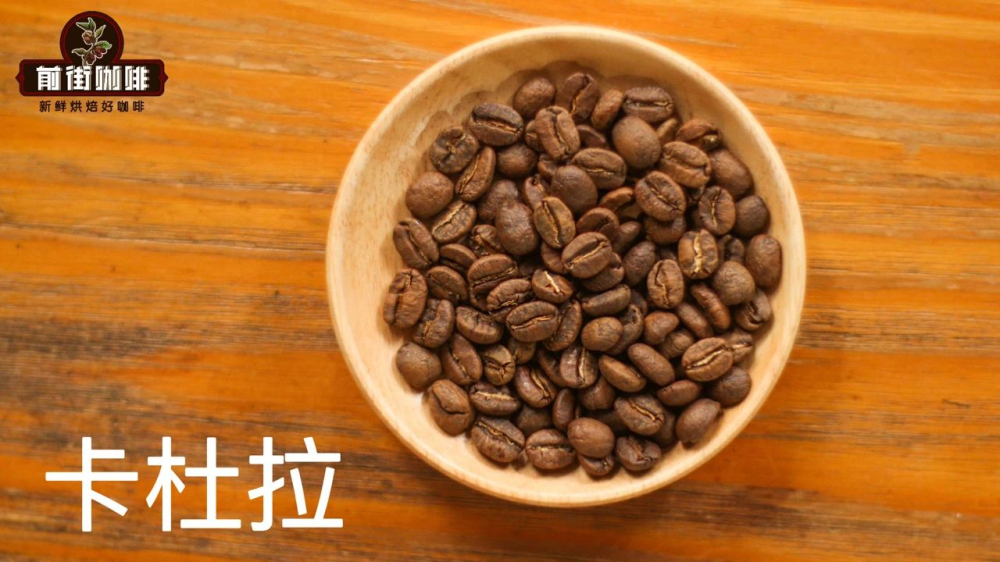
Front Street Coffee recommended bean: Colombia · Rose Valley Coffee Beans
Origin: Santander coffee-producing region
Estate: Big Tree Estate
Processing method: Anaerobic enzyme washed
Growing altitude: 1700m
Bean variety: Caturra
Brewing flavor: rose fragrance, peach, cream, cranberry, liqueur chocolate
Front Street brewing plan recommendation
Parameter settings: 15 grams of coffee powder, V60 dripper, coffee-to-water ratio 1:15, water temperature 90°C, staged extraction
For the first stage, pour 30 grams of hot water for blooming, lasting 30 seconds (timing starts from the moment pouring begins)
For the second stage, switch to a fine stream of water and continue pouring until 125 grams
For the third stage, slightly increase the water flow and pour until 225 grams, with the whole process controlled within 2 minutes.
This brewing technique, which begins with blooming, allows the gas remaining in the beans from roasting to be slowly released, achieving gradual degassing and prompting the coffee bed to fully "bloom."
At different stages of extraction, the substances dissolved are not the same: the first to be brought out are fruit acids, followed by sweet substances, while bitterness appears last. (It should be noted that not all acids are the pleasant fruity type—for example, caffeoylquinic acid brings astringency, dryness, and bitterness.) With this standardized brewing process, variables in the pour-over process can be reduced, making each brew more stable and consistent, and the overall flavor more balanced as well.
This washed Caturra from Front Street, produced in Colombia's Huila region, immediately presents a roasted aroma woven from chocolate, nuts, and caramel on entry, with a smooth texture, clear sweetness, just the right body, and a very clean mouthfeel; as the temperature gradually drops, a soft and pleasant acidity can also be detected.
To discuss professional coffee knowledge and get more bean information, welcome to follow the WeChat public account Coffee Workshop (cafe_style); to purchase more specialty coffee beans, you can add Front Street Coffee's private WeChat, WeChat ID: kaixinguoguo0925
The above content is compiled by CoffeeHunters, a coffee news website.


