







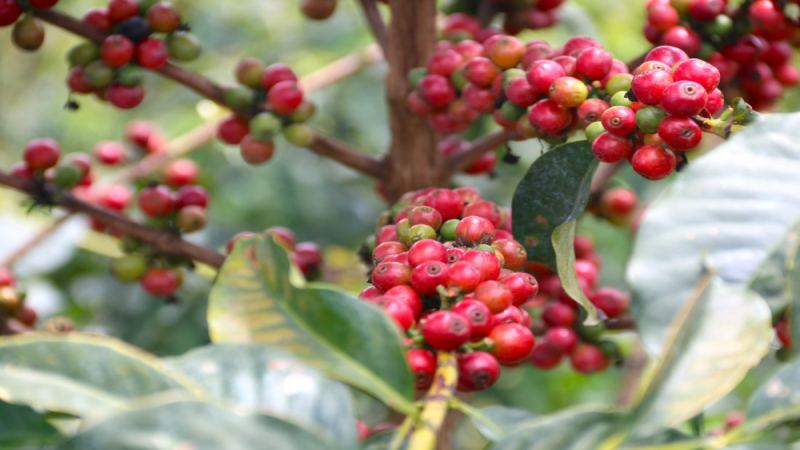
Yellow Bourbon is a rather legendary variety in Brazilian coffee. With its unique yellow appearance from ripe cherries and outstanding flavor performance, it has attracted much attention in the specialty coffee field in recent years. Its history can be traced back to a natural mutation of Red Bourbon in the 19th century. Later, through systematic research by the Campinas Agronomic Institute (IAC), its genetic mechanism and cultivation characteristics were gradually clarified. Although its yield is low and its disease resistance is relatively weak, Yellow Bourbon often shows a flavor profile in cupping with prominent sweetness and bright citrus acidity. This article reviews the origin, genetic principles, and key cultivation points of this variety, and introduces the Yellow Bourbon from Brazil's Queen Farm as well as Front Street Coffee's roasting approach and flavor description.
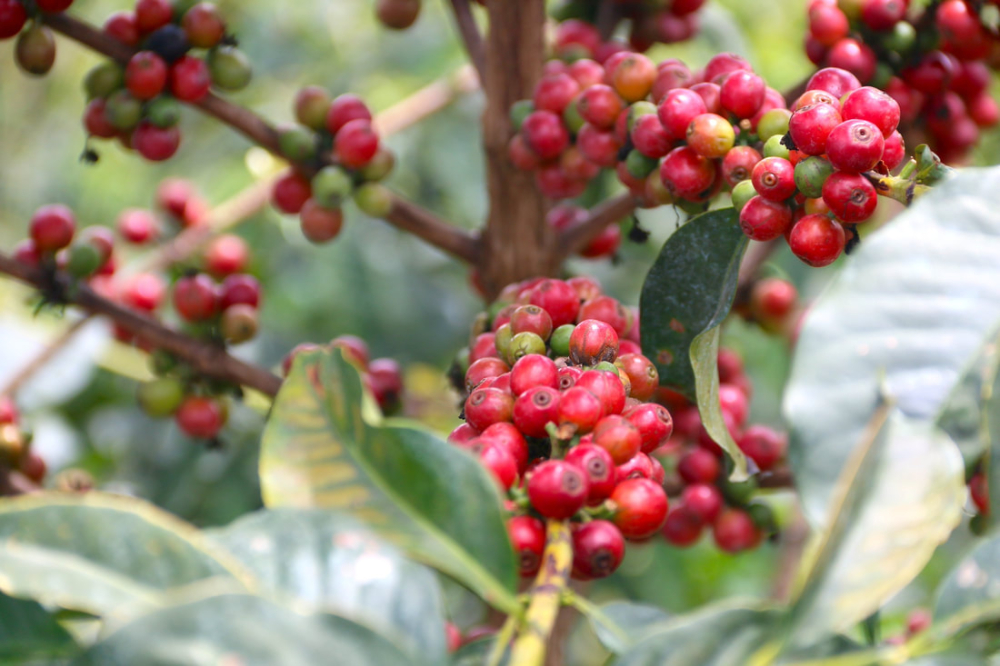
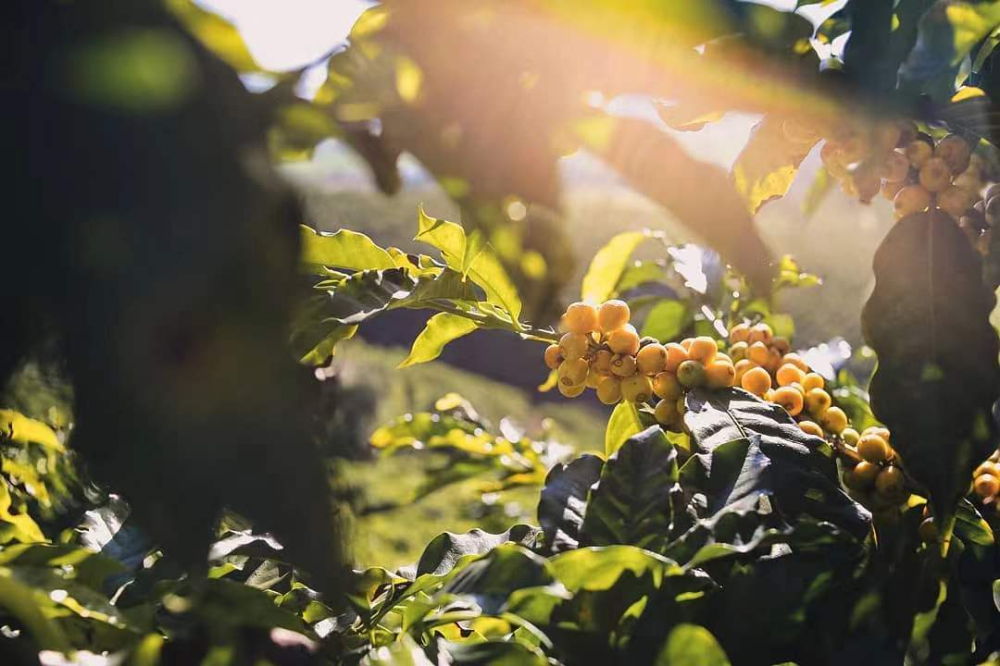
The cherries of ordinary coffee varieties are mostly red when ripe, while Yellow Bourbon is named for its yellow ripe skin and is regarded as a precious variety in Brazil.
In recent years, this variety has been highly praised by coffee buyers and roasters, one reason being that it has a unique and high-quality flavor performance and is also clearly different in appearance from other varieties. Yellow Bourbon actually has a fairly long history of cultivation; it was simply truly brought to prominence in the Brazilian market.
As a coffee variety, Yellow Bourbon has been cultivated for nearly ninety years, but tracing its origins requires starting with its paternal and maternal varieties.
In the 1850s, Brazil was already the world's most important coffee-producing country, and at that time it mainly relied on Typica. Typica began to be planted in Brazil in the 1720s, and because yields were limited, export volumes declined accordingly. At this time, a Brazilian traveled to Reunion Island in the Indian Ocean east of Madagascar in order to obtain Red Bourbon seeds. By the 1870s, Red Bourbon had become the most common variety in many Brazilian coffee farms.
In 1871, a strange phenomenon occurred. A variant appeared in the city of Botucatu, and the cherries it produced were yellow, something unprecedented in Brazil and with no relevant records. At the time, this yellow Typica variant was called Yello Botucatu, but its yield was not high. However, many farmers began planting it out of curiosity about the color of the cherries. It is worth noting that some researchers believe Yellow Bourbon originated from a natural mutation of Red Bourbon.
What we today call Yellow Bourbon is believed to have first appeared in 1930 on a farm near Pederneiras (SP) that grew Red Bourbon, and many believe it is the result of natural hybridization between Red Bourbon and Yellow Botucatu. Apart from the yellow cherries, this variety is very similar in other characteristics to Red Bourbon, and it is also more productive.
Its appearance attracted the attention of researchers at the Campinas Agronomic Institute (IAC), including Carlos Arnaldo Krug, who conducted the first formal study of Yellow Bourbon in 1942. Over the following three years, a total of 30 varieties were planted and studied. The IAC research area was located in Jaú (SP).
In the 1950s, the most promising successfully bred Yellow Bourbon varieties were given the code "IAC J," and the research results were also provided to farmers. In 1951, Professor Mendes at the same institute studied the yields of the varieties being grown at the time: Typica, Yellow Botucatu, Sumatra, Red Bourbon, Yellow Bourbon, and Maragogype, among which Yellow Bourbon proved to be the most productive.
Despite these encouraging results, Yellow Bourbon never became a dominant variety in Brazil in the decades that followed. Although it was still grown commercially, its adoption by farmers was not widespread. Because the ripe cherries have a distinctive yellow color, it was still often regarded as a novelty variety.
In the past, during the period when Krug, Mendes, and several professors were conducting research, coffee flavor quality was not a core part of plant research. The focus was usually on productivity, plant health, and resistance to pests and diseases. Around the same time that Yellow Bourbon appeared in Brazil, popular varieties such as Caturra (1937), Mundo Novo (1943), and Catuai (1949) also appeared one after another.
However, under the specialty coffee and third-wave coffee trends, Yellow Bourbon will still be a variety that offers a refreshing experience.
By 1942, Professor Krug had already discovered the genetic origin of this color. It is a gene pairing called "Xanthocarpa," a word formed from the Greek xanthus (yellow) and carpus (fruit).
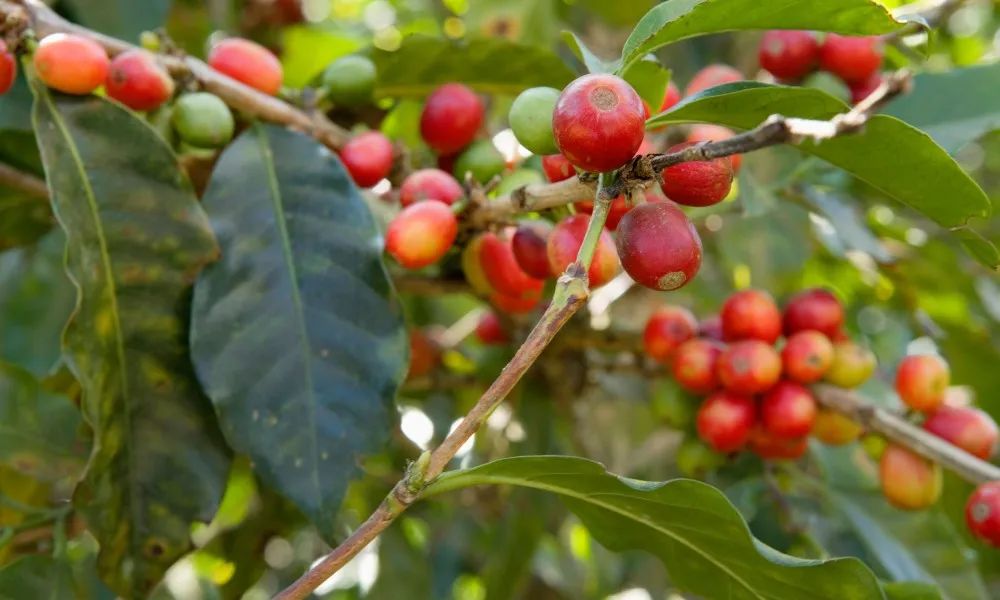
The following is how it works: plants with a pair of dominant XcXc genes produce red fruit; plants with a pair of recessive xcxc genes produce yellow fruit; in very rare cases, plants with one dominant gene and one recessive Xcxc gene produce orange fruit. In the case of yellow fruit, the substance expressed by these genes is luteolin, a flavonoid that is also found in spice plants such as parsley and broccoli.
The Yellow Bourbon tree can reach a height of 2.8 meters, and it matures relatively quickly. Of the 30 Yellow Bourbon varieties studied in 1945, only seven are still grown commercially in Brazil today.
Because Yellow Bourbon has lower yields and weaker resistance to leaf rust, growing it may require more effort than other varieties. Yellow Bourbon is usually planted at altitudes above 1,000 meters, and its harvesting and processing require proper care in order to realize the potential of this variety.
The flavor characteristics of Yellow Bourbon are very clear, including its sweetness, pronounced aroma, and very obvious citrus acidity. It often has flavors such as ripe fruit and raisins. Researchers recently discovered a certain relationship among sucrose content, fat, and organic acids, and this is related to the quality of Yellow Bourbon. However, so far there is not much connection between luteolin (the substance responsible for the yellow trait) and flavor quality.
In 2005, IAC restarted research on this variety, but its attention shifted to the flavor experience in the cup. The 30 varieties studied in 1945 were collected again, and 16 plants scored above 85 in cupping; these were selected to track ideal lineages. Research led by Professor Gerson Giomo is still ongoing at IAC, because the group is looking for strong potential varieties with high productivity and very good flavor.
In 2017, in a Cup of Excellence competition, Brazilian Yellow Bourbon scored 92.33 points in the natural category. This lot of coffee was sold at auction for US$126 per pound, 100 times the futures price at the time.
Queen Farm's Yellow Bourbon coffee beans
On Front Street's bean list, there is also a very delicious Yellow Bourbon coffee bean, and it comes from the legendary Queen Farm.
Queen Farm (Fazenda Rainha) is located in the Alta Mogiana region of São Paulo state, north of São Paulo city. This farm is very well known in Brazil and is owned by the Carvalho Dias family. Carvalho Dias owns four major farms, and since the first Brazilian COE competition in 1999, they have won awards year after year, with more than 12 awards over 7 years. In 2004, they even took first place, ninth place, and eleventh place.
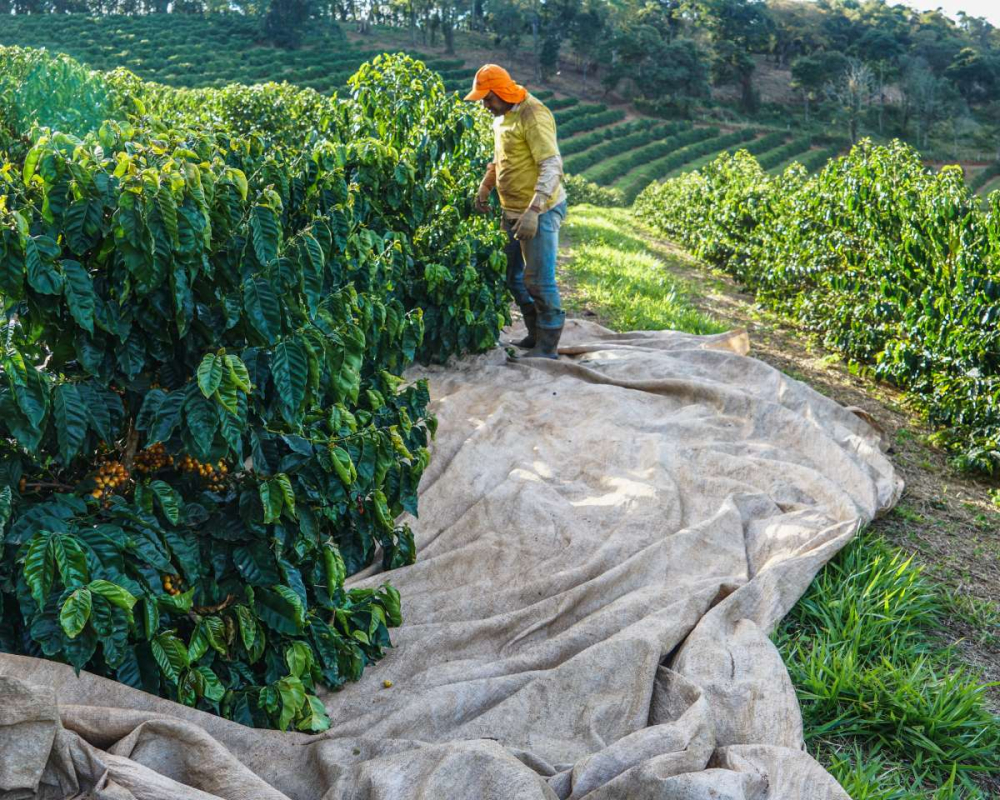
In Brazil, a country dominated by mechanized cultivation focused on yield, there are few specialty coffee farms like Queen Farm that use manual picking. Queen Farm is very small, covering only 280 mu, and 200 mu of that is entirely planted with Yellow Bourbon.
One of the most important reasons Brazil uses semi-washed processing instead of traditional natural processing is that traditional natural processing cannot guarantee the quality of large quantities of coffee beans, while Queen Farm uses small-scale refined natural processing, using African-style raised beds for drying, and during the natural process dedicated workers turn the beans and check their moisture content. This improves the quality of the coffee beans.
FrontStreet Coffee roasting analysis
When FrontStreet Coffee received this Yellow Bourbon coffee from Brazil's Queen Farm, it roasted four batches in total and finally decided to discharge the beans two minutes after first crack. At this roast level, Brazil Queen has obvious sweetness, but it is not a dull sweetness. There is a faint lemon aroma in the background, and this aroma is even more prominent during the wet aroma stage. The finish shows obvious dark chocolate notes, and the overall impression is relatively round. While expressing the overall characteristics of Brazil, it does not lack liveliness.
Flavor description
The taste has obvious sweetness and contains rich nutty and peanut butter flavors. The finish shows obvious dark chocolate notes, and the overall impression is relatively round. It is a coffee bean that can represent the overall characteristics of Brazilian coffee while also showing its own unique liveliness.
The above content is compiled by CoffeeHunters, a coffee news website.


