







Search Results for: Bourbon variety history
Pointed Bourbon: A Rare Naturally Low-Caffeine Coffee Variety, Full Analysis of Flavor and History
Bourbon Pointu is a rare coffee variety with a natural caffeine content of only 0.5%, named for its narrow, elongated beans with pointed ends. It is naturally low in caffeine due to genetic degradation and has outstanding flavor, but its yield is extremely low and it is susceptible to leaf rust and black spot disease, having once become extinct. In the 18th century, it was highly praised by Louis XV and Balzac, but later disappeared due to disasters, and was only rediscovered and revived in 2001. At the 2018 World Coffee Brewing Championship, Swiss competitor Emi Fukahori won the championship using it, proving its exceptional quality. This article will introduce in detail the characteristics, history, flavor of Bourbon Pointu, and Front Street Coffee's brewing parameters. [more…]
Analysis of Brazil Natural Low-Acid Coffee Flavors: From Cultivation History to Bourbon Variety and Pulped Natural Processing
Brazil, as the world's largest producer of Arabica coffee, is known for its coffee's low-acid, full-bodied flavor profile. Front Street Coffee currently offers two Brazilian coffee beans—Red Bourbon and Queen Estate Yellow Bourbon—both roasted to a medium-dark level to highlight nutty, chocolatey, and creamy smoothness. This article reviews the history of coffee cultivation in Brazil, explains the flavor differences between Red Bourbon and Yellow Bourbon, and introduces Brazil's unique semi-washed processing method, helping coffee enthusiasts understand the cupping performance and brewing key points of low-acid coffee. [more…]
King Bourbon Coffee Variety Analysis: From Origin History to Flavor Profile and Brewing Parameters
In the Bourbon coffee family, besides the common Red Bourbon, Yellow Bourbon, and the Pink Bourbon that has gained popularity in recent years, there are also some extremely rare members worth noting. Bourbon Rey is one of them, currently found only at the Dota Estate in Costa Rica. This coffee tree differs in form from common Bourbon varieties, and its beans are noticeably larger. Front Street Coffee brewed a pot of Bourbon Rey using an anaerobic honey process this time, employing staged extraction to showcase its flavor layers. This article will introduce the variety origin, plant characteristics, and actual brewing performance of Bourbon Rey, helping you get to know this little-heard Bourbon variant. [more…]
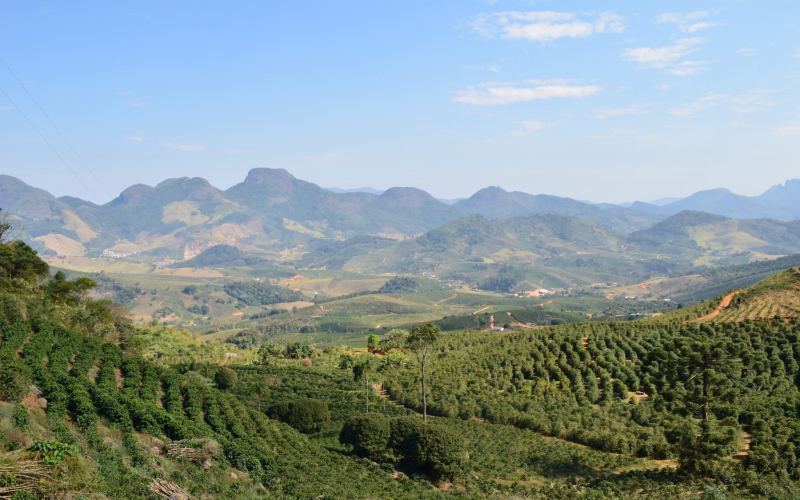
A Complete Analysis of Brazilian Coffee Bean Flavor Characteristics, Varieties, Grades, and Producing Regions: From Cultivation History to Brewing Suggestions
Brazil is the world's largest producer of Arabica coffee, contributing about 30% of the global Arabica bean supply each year, and fluctuations in its output directly affect international futures prices. From the first landing of Typica in 1727, to the full replacement by Bourbon varieties, and then to the formation of the three major specialty production regions of Minas, Bahia, and São Paulo, Brazilian coffee has traveled a unique path of evolution. This article will systematically review the cultivation history of Brazilian coffee, the differences among its main varieties, and its distinctive semi-washed processing method, and will also include detailed information on the two Brazilian beans currently sold by Front Street Coffee along with medium-dark roast brewing parameters, helping coffee lovers fully understand the flavor logic of Brazilian coffee's low acidity and mellow body. [more…]
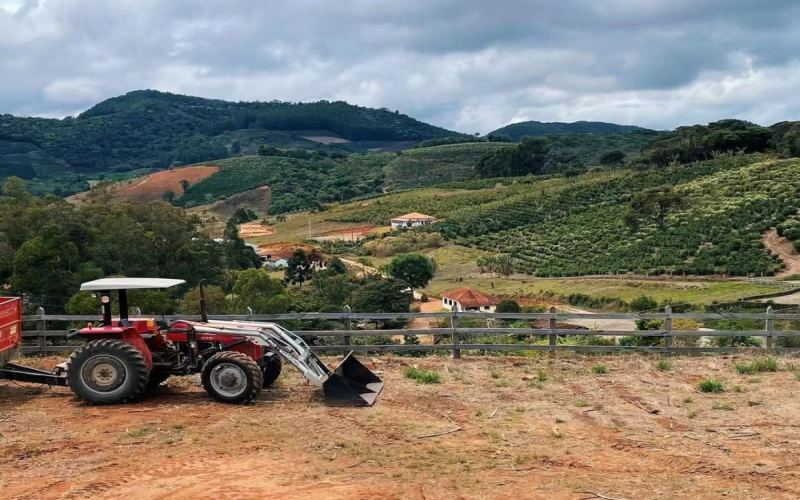
Into Brazil's Cerrado: A Detailed Guide to the Flavor, History, and Brewing Methods of Red Bourbon Coffee Beans
As the world's largest coffee-producing country, Brazil has vast growing regions and abundant variety resources. This article focuses on the Red Bourbon coffee beans from Brazil's Cerrado region. Starting from the history of how coffee was introduced to Brazil, it systematically introduces the botanical characteristics of the Bourbon variety, the fruit color changes of Red Bourbon, the geography and processing methods of the Cerrado region, and provides detailed information on Front Street Coffee's roasting curve and brewing recommendations for this bean. By reading this article, you will understand why Red Bourbon often exhibits nutty, chocolate, creamy, and caramel flavors, as well as the practical significance of the semi-washed method in Brazilian coffee processing. [more…]
Analysis of Brazilian Coffee Bean Varieties and Flavors: Production Region History, Cultivation Stories, and Global Production Status
Brazil is the country with the largest coffee cultivation scale and production volume in the world, supplying nearly 45% of the world's green coffee beans. This article provides a comprehensive overview of the industrial landscape of this major South American coffee country, from the distribution of coffee-producing regions in Brazil, its legendary cultivation history, and the characteristics of its main varieties to its flavor and taste profile. The article also introduces the Brazilian Cerrado Red Bourbon and Queen's Estate Yellow Bourbon selected by Front Street Coffee, along with detailed pour-over parameters and brewing flavor descriptions, making it suitable for enthusiasts who want to gain a deeper understanding of Brazilian coffee. [more…]
A Beginner's Guide to Coffee Varieties: Arabica Classification, Characteristics of Classic Varieties, and the History of Improvement
Want to understand where the variety system of the coffee world comes from? Starting from biological classification, this article systematically sorts out the origin and spread of the Arabica species, and analyzes one by one the bean shape characteristics, flavor performance, disease resistance, and cultivation conditions of classic varieties such as Typica, Bourbon, Caturra, Mundo Novo, and Catuai, while also tracing the history of variety improvement in coffee-producing countries around goals such as high yield, dwarfing, resistance to leaf rust, and shortening the harvest cycle. The article particularly presents Front Street Coffee's continued attention to the flavor value of traditional varieties, helping coffee enthusiasts build a clearer framework in variety awareness and flavor selection. [more…]
Exploring the Development History and Flavor Characteristics of Brazilian Coffee Regions, with Recommendations for Front Street Coffee Red Bourbon and Queen's Estate Yellow Bourbon
Brazil is the world's largest coffee producer, accounting for more than thirty percent of the global market share, and any transport strike or extreme weather can move international coffee futures prices. This article traces the history of Brazilian coffee from its introduction in 1727 to the present, reviews how the American Revolutionary War, the Civil War, and the Great Depression profoundly shaped Brazil's coffee industry, and introduces each of its six major producing states, including Bahia, Espírito Santo, and Minas Gerais. It also draws on the Front Street Coffee bean list to analyze the flavor profiles, processing methods, and brewing recommendations of two representative coffees—Brazil Red Bourbon Semi-Washed and Queen's Estate Yellow Bourbon Natural—helping enthusiasts gain a comprehensive understanding of the unique charm of Brazilian coffee. [more…]
A Complete Guide to Bourbon Coffee Beans: From Red, Yellow, and Pink to Pointed Bourbon—Varietal Characteristics, Spread History, and Price Reference
Bourbon coffee beans are one of the oldest varieties of the Arabica species, originating from Réunion Island (formerly known as Bourbon Island) and arising as a mutation of Typica. After centuries of spread and natural mutation, the Bourbon family has given rise to numerous varieties of different colors and forms, including Red Bourbon, Yellow Bourbon, Pink Bourbon, and Pointed Bourbon. This article will systematically review the origin and spread of Bourbon coffee, explain in detail the discovery process, flavor characteristics, and current cultivation status of each variety, and introduce the taste performance and brewing suggestions of the Bourbon series products under Front Street Coffee, helping coffee enthusiasts gain a comprehensive understanding of this classic variety. [more…]
A Complete Guide to Costa Rica's Coffee Regions: From History and Varieties to Seven Elevation-Based Grades
Why has Costa Rican coffee secured a place for itself on the global specialty coffee map? This article begins with the geography and history of its producing regions, tracing how the volcanic soil and climate conditions of this Central American country shape Arabica beans with bright acidity and balanced flavor. The article will also introduce the characteristics of major cultivated varieties such as Bourbon, Caturra, and Catuai, especially Caturra's performance in adaptability and productivity. Finally, we provide a detailed explanation of Costa Rica's unique coffee bean grading system—divided into seven grades including SHB, HB, and SH based entirely on coffee farm elevation—helping enthusiasts quickly understand the meaning of the abbreviations on bean bags and the quality they indicate. [more…]
A Comprehensive Analysis of the Origins and Flavor Characteristics of the Bourbon Coffee Variety in Brazil's Cerrado Region
Bourbon coffee is one of the oldest coffee varieties in the world and the genetic source of many popular varieties today. It is named after the island of Bourbon where it was cultivated, and later spread to Brazil and rapidly across Central and South America, giving rise to many variants such as Red Bourbon, Yellow Bourbon, Pink Bourbon, Caturra, and Catimor. From the perspective of Front Street Coffee, this article traces the spread history and varietal evolution of Bourbon coffee, introduces the flavor profiles of Red Bourbon, Yellow Bourbon, Pink Bourbon, and Tanzanian Bourbon one by one, and shares Front Street's cupping details and brewing parameters for beans such as Brazil Queen's Estate Yellow Bourbon and Colombia Huila Pink Bourbon. [more…]
From Ethiopia to the World: The Journey of Coffee's Spread and an Analysis of Typica and Bourbon Varieties
Where exactly does coffee originate? After years of investigation by botanists and coffee experts, Ethiopia in Africa has been confirmed as the birthplace of coffee. To this day, a large number of wild coffee trees still grow in the local rainforests, and their fruit has a unique flavor. With the footsteps of human civilization, coffee gradually spread throughout the world, from Europe's first coffee house in the 17th century, to colonial plantations in the Netherlands, France, Britain, and other countries, and then to widespread cultivation in South America, Hawaii, Africa, and Asia. The history of coffee's spread is magnificent. At the same time, Typica and Bourbon, as the oldest coffee varieties, have also attracted much attention for their characteristics. This article guides you through this history and helps you understand Front Street Coffee's interpretation of these classic varieties. [more…]
What Are Brazilian Coffee Beans? Understanding the Balanced Charm of Brazilian Coffee from Its History and Regions to Flavor and Processing Methods
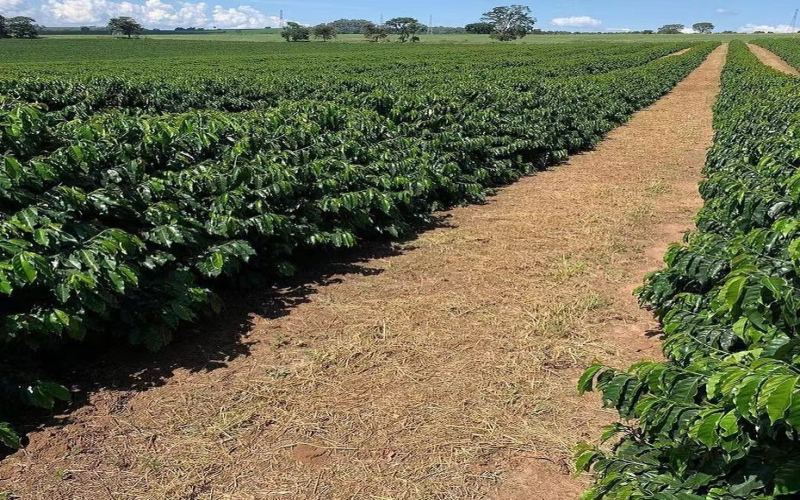
Brazil is the world's largest coffee producer, and coffee is as important to this country as tea is to China. Although Brazilian beans are often used as the base for espresso blends, their single-origin coffee is equally worth attention. This article will start with the historical origins of Brazilian coffee, outline its main producing regions, varieties, and processing methods, analyze the flavor characteristics of Brazilian coffee—low acidity, nutty and chocolate notes, and a balanced mouthfeel—and share Front Street Coffee's brewing parameters and tasting experience. Whether you are new to specialty coffee or looking for a daily beans option that is neither sour nor bitter, you will find practical reference here. [more…]
A Complete Guide to Brazilian Coffee Regions: From Cultivation History to Grading System and Flavor Characteristics
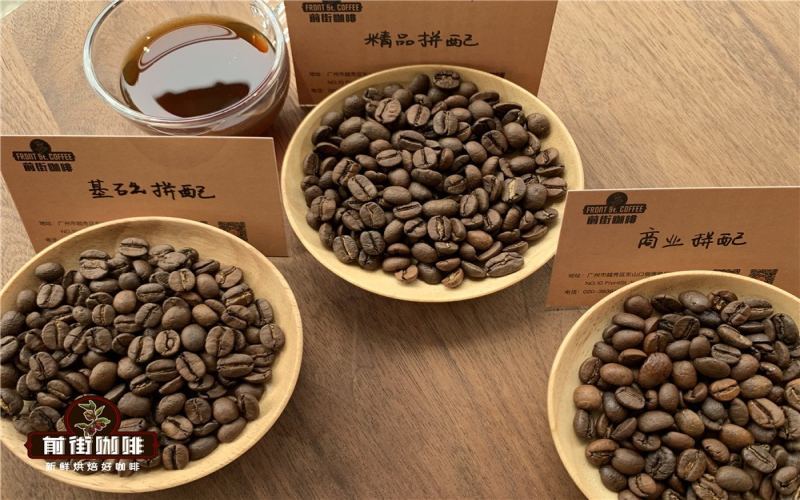
As the world's largest coffee producer, Brazil is known for its coffee's balanced taste, low acidity, and good body, making it an ideal base bean for espresso blends. Several of Front Street Coffee's espresso blends use Brazilian beans as their foundation. This article will comprehensively analyze the characteristics of Brazilian coffee from multiple dimensions, including planting history, main producing regions, grading systems, variety classification, and processing methods. It will also introduce the flavor profiles and recommended brewing parameters of Front Street Coffee's Brazil Cerrado and Queen's Estate coffees, helping coffee enthusiasts gain a deeper understanding of the unique charm of this South American coffee giant. [more…]
Guatemalan Coffee Growing Conditions, Development History, Main Varieties, and a Detailed Guide to Antigua La Flor del Café Beans
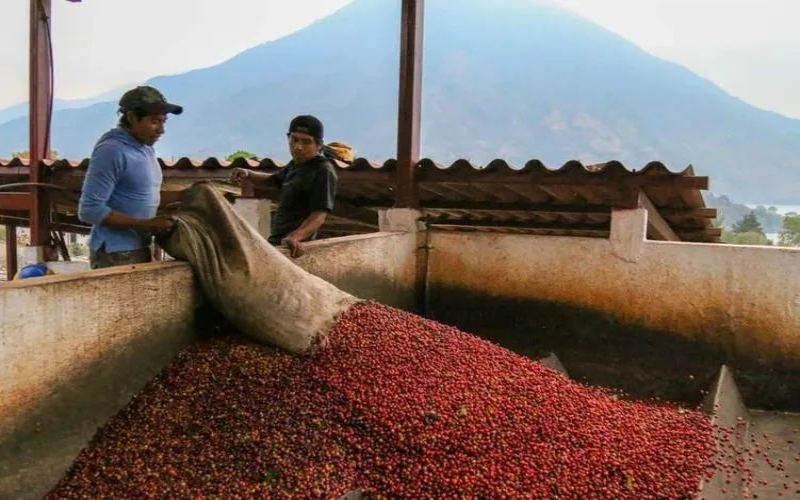
Guatemala is located in southern North America, where volcanic soil, tropical rainforests, and complex microclimates combine to create excellent conditions for coffee cultivation. From Jesuit missionaries bringing coffee trees to Antigua in the 18th century, to coffee rising to become an important cash crop in the mid-19th century, and then to the establishment of the National Coffee Association in 1960, Guatemala's coffee industry has traveled a winding yet solid path of development. Today, the region not only cultivates common varieties such as Bourbon, Typica, Caturra, Catuai, and Geisha, but also has developed distinctive variants such as Pache, Tekisic, and Mibirizi. Front Street Coffee has also acquired La Minita Estate's Flor del café beans from Antigua, and this article will unfold one by one from planting history, variety characteristics, to brewing performance. [more…]
The Flavor Code of Colombian Pink Bourbon: Named Bourbon, but Possibly Hiding Typica and Geisha Genes?
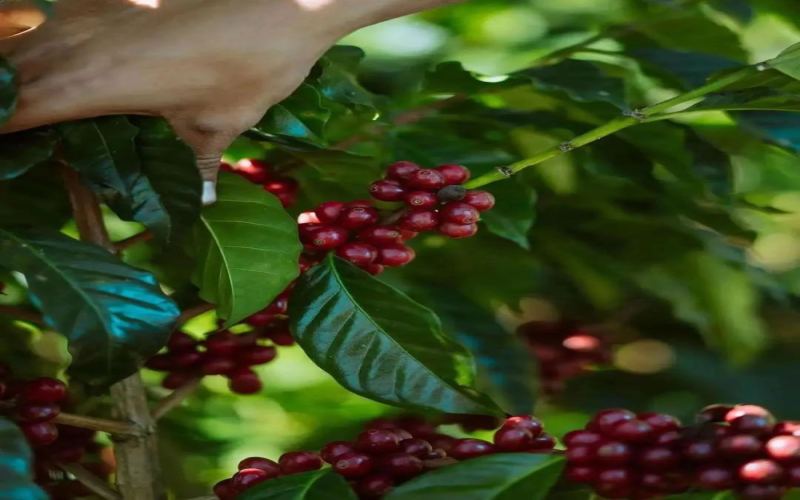
In Colombia's major coffee competitions, a variety named "Pink Bourbon" frequently stands out. It is named for its fruit's delicate pink color, and was originally derived from a cross between Red Bourbon and Yellow Bourbon. However, the pink color is a recessive gene, so it must be isolated from other varieties during cultivation to maintain its color. Yet in recent years, genetic testing has revealed that many competition entries labeled Pink Bourbon do not carry Bourbon chromosomes; instead, genes from Typica, Geisha, or Ethiopian landraces have been detected. Is this a naming mix-up, or a limitation in variety identification? This article will walk you through Pink Bourbon's cultivation history in Colombia, its flavor characteristics, and the scientific controversy surrounding its mysterious origins. [more…]

The Origin and Brewing Methods of Kenya Thika Hania Estate French Mission Bourbon Coffee Explained
Hania Estate in Kenya's Thika region is a private coffee plantation run by the Harries family since 1904. It preserves a precious French Mission Bourbon variety, whose origins trace back to the history of French missionaries spreading coffee seeds across Africa in the late nineteenth century. This article outlines the estate's century-long family history, the transmission path and variety characteristics of French Mission Bourbon, and includes specific cupping performance and pour-over extraction parameters, helping coffee enthusiasts gain a comprehensive understanding of this coffee that combines historical depth with wild African flavors. [more…]
Land of a Thousand Hills Rwanda: Coffee Growing Conditions, Development History, and Bourbon Washed Flavor Analysis
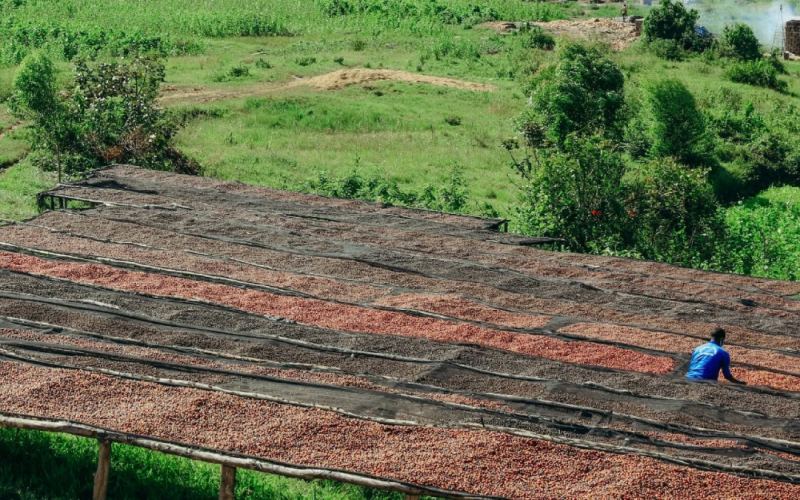
Rwanda is known as the Land of a Thousand Hills. Its territory is mostly mountainous and highland terrain, with fertile volcanic soil, abundant rainfall, and mild temperatures, making it an ideal place to grow Arabica coffee. Coffee exports are the economic lifeline of this landlocked country. Front Street Coffee takes you through Rwanda's coffee-growing environment, the tortuous development path from the colonial period to independence, the differences between the main producing regions in the south and west, and the varieties and processing methods centered on Red Bourbon and washed processing. The article also includes Front Street Coffee's medium-light roast profile, cupping performance, and staged brewing parameters to help you fully grasp the flavor profile of this Rwandan washed Red Bourbon. [more…]
Comparison of Brazilian and Bolivian Coffee Bean Flavors: An Analysis of Planting History, Variety Characteristics, and Pour-Over Taste Differences
Brazil and Bolivia are both South American coffee-producing countries, yet the coffees of the two countries each have their own distinctive flavors. As the "giant" of the coffee world, Brazil has enormous production, relatively soft beans, and flavors dominated by nutty, cocoa, and brown-sugar sweetness; Bolivia, although limited in production, presents deep sweetness and berry notes because of its high altitude and unique varieties. In this article, Front Street Coffee will guide you through the two countries' coffee-growing history and varietal characteristics, and, through a pour-over comparison, analyze the flavor differences between Brazil Cerrado Red Bourbon and Bolivia Java coffee beans, helping you gain a deeper understanding of how altitude and variety affect coffee taste. [more…]
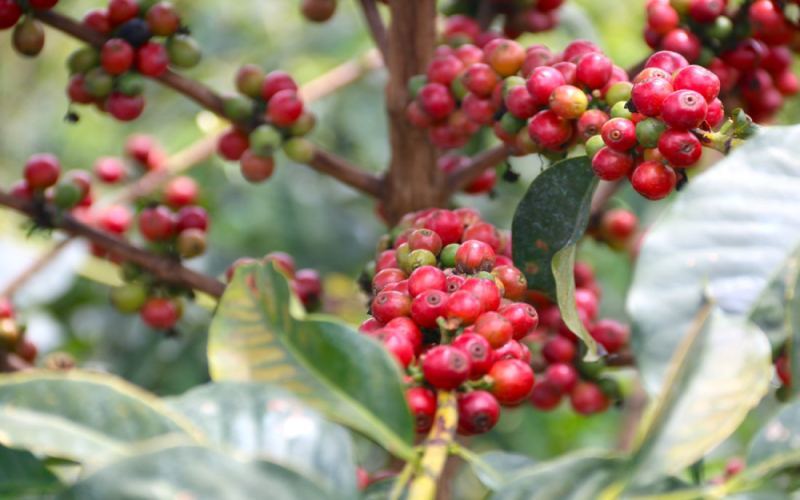
Is Brazilian Yellow Bourbon Coffee Bean Expensive? A Complete Analysis of Front Street Queen Estate's Flavor Characteristics and Pour-Over Parameters
Yellow Bourbon is a rather distinctive variety on Brazil's coffee map, with ripe fruit turning a bright yellow that stands in sharp contrast to the familiar red-fruited coffee. It has both a long history of cultivation and a renewed vitality in the specialty coffee wave. This article will offer a comprehensive look at Brazilian Yellow Bourbon from the angles of variety origin, genetic characteristics, and flavor expression, while also sharing Front Street Coffee's roasting approach and pour-over plan for the Queen Estate Yellow Bourbon beans, including specific parameters such as water temperature, grind size, coffee-to-water ratio, and pouring technique, to help coffee lovers brew a cup of round, sweet Brazilian Yellow Bourbon at home. [more…]