







Search Results for: Bitter Coffee Beans
Why isn't cold brew bitter? Understand the principle and choose beans more wisely in summer
The same bag of beans, hot-brewed, comes out bitter and astringent, but made into cold brew, it's clean, sweet, and delicious. This isn't an illusion—it's determined by the principles of extraction. Once you understand "why cold brew isn't bitter," you'll know what kind of beans to choose for summer, and you'll never have to worry about buying "cold bitter water" again. Where does coffee's bitterness come from? The bitterness in a cup of coffee mainly comes from [more…]

Why Does Hand-Brewed Dark Roast Coffee Taste Bitter? A Comprehensive Analysis from Roasting Principles to Extraction Parameters
Today, on pourover coffee menus, acidic beans dominate the mainstream, yet a group of veteran enthusiasts remains steadfastly devoted to the bitter flavors of dark-roasted coffee. Where exactly does this bitterness come from? How does the degree of roast influence the flavor trajectory of coffee? The nutty aroma, rich body, and bittersweet finish unique to dark-roasted beans are an experience that light-roasted beans find hard to replicate. Of course, a delicious cup of dark-roasted coffee also depends on proper brewing methods. Starting from the principles of roasting, this article analyzes the unique charm of dark-roasted bitter coffee, and using Golden Mandheling as an example, shares key parameters such as water temperature, grind size, dripper selection, and pouring technique, helping you brew a gentle, smooth dark-roast pourover at home. [more…]
Pour Over for Dark Roasts: How to Avoid Bitter, Burnt, Undrinkable Coffee — Brewing Tips for Medium-Dark Mandheling, Blue Mountain, and Brazilian Beans
Deeply roasted coffee beans are characterized by a dark chocolate-like bitterness, while also delivering a rich mouthfeel and traditional caramel aroma. However, these beans also tend to release an unpleasant bitterness during brewing. This article approaches the issue from three angles—water temperature adjustment, coffee bed state, and coffee-to-water ratio—and, by combining the flavor characteristics of three representative beans—Front Street Coffee PWN Golden Mandheling, Front Street Coffee Jamaican Blue Mountain, and Front Street Coffee Brazil Queen Estate—analyzes how to avoid negative flavors such as burnt bitterness and woody notes, while preserving caramel sweetness and a clean finish, helping enthusiasts brew the rich body and sweetness that deeply roasted beans should have. [more…]

Dark Roast Coffee Pour-Over Tutorial | Why Are Japanese Dark Roast Coffee Beans Bitter? How to Brew Out the Sweetness of Deep-Roasted PWN Golden Mandheling?
If you were born before the millennium, your first impression of black coffee was probably a uniform bitterness—the only non-bitter coffee being Nescafé 2-in-1. This uniformly bitter coffee was actually caused by the dark-roasted coffee beans popular in the last century. Unlike today's favored light [more…]

Where Does the Bitter Flavor in Dark Roast Pour-Over Coffee Come From? A Full Analysis of Taste Description and Brewing Parameters
When the specialty coffee wave has made light-roast flavor descriptions flow as easily as reciting a menu, the tasting of dark-roast coffee often falls into the awkward position of having no words to describe it—nuts and chocolate seem to have become universal labels for bitter coffee, and a single word "mellow" is treated as the highest praise. In fact, the bitter flavor profile of dark-roast coffee is likewise composed of aroma and taste together, and tasting requires not only the tongue to perceive it, but also the nasal cavity to capture those overlooked layers of aroma. This article starts from the brewing practice of Front Street Coffee, systematically sorts out the flavor sources and mouthfeel expression of dark-roast coffee, and takes the most representative Front Street Indonesian Golden Mandheling as an example to break down in detail the grind size, water temperature, coffee-to-water ratio, and three-stage pouring technique, helping you brew a cup of sweetly fragrant, rich, and full-bodied dark-roast pour-over at home. [more…]
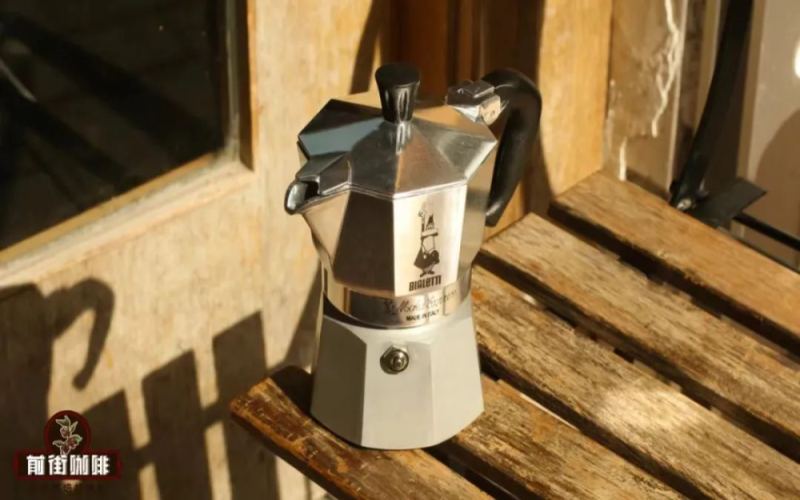
Why is Moka Pot Coffee Always Burnt and Bitter? Light or Dark Roast Beans—Which Is More Suitable?
Many coffee enthusiasts often encounter the problem of burnt and bitter coffee when using a moka pot, making it hard to achieve the ideal aroma and balance. In fact, this is mainly closely related to over-extraction, especially localized over-extraction. Based on the practical experience of Front Street Coffee, this article will provide an in-depth analysis of the causes of burnt and bitter moka pot coffee, and share a full set of solutions from coffee bean selection to specific operating parameters, helping you easily make a cup of moka pot coffee with full flavor and a rich, smooth taste. [more…]

Why Does Dark Roast Coffee Carry Bitter Notes? A Full Breakdown from Flavor Sources to Front Street Golden Mandheling Pour-Over Parameters
Many friends who are just getting into coffee will directly say they want to drink coffee that isn't sour, and Front Street Coffee baristas usually recommend these dark roast representatives: Indonesian Golden Mandheling, Brazilian Queen's Estate, and Papua PGN Bird of Paradise. But to bring out their sweet aroma and full body, both the parameters and the technique require attention. This article starts with the flavor sources of bitterness, breaking down how caramelization and the Maillard reaction shape four types of positive flavors—caramel, roasted, nutty chocolate, and spice—as well as negative bitterness such as smoky and medicinal notes. Then, using Front Street Golden Mandheling as an example, it provides a complete plan for grind size, water temperature, coffee-to-water ratio, and three-stage pouring to help everyone brew a full-bodied sweetness. [more…]
How to Fix a Burnt-Bitter Taste in Pour-Over Coffee? Four Troubleshooting Directions from Bean Roasting to Water Temperature
Many friends who are just getting into pour-over coffee complain that brewing feels like a game of chance—one moment of carelessness and you end up with a cup of liquid that's both burnt and bitter. In fact, once you understand a few key variables, the problems often become traceable. This article uses a process of elimination to sort out four common causes: the roast level of the coffee beans themselves, whether the storage time has exceeded the optimal flavor period, the grind size and the proportion of fines, and whether the brewing water temperature is too high. Drawing on the characteristics of everyday beans such as Front Street Brazil Cerrado, Front Street Colombia Huila, and Front Street Indonesia Mandheling, it provides corresponding methods of diagnosis and adjustment approaches to help you pinpoint and solve the burnt-bitter taste one by one. [more…]
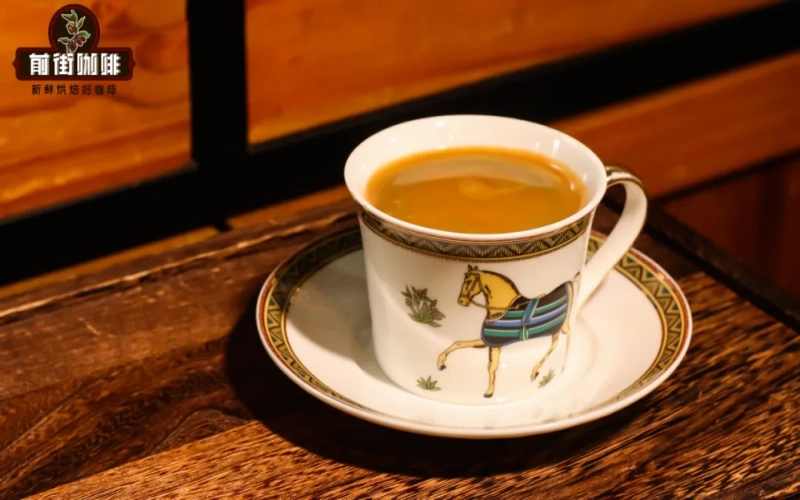
Why Does Hot Americano Taste as Bitter as Chinese Herbs? From Bean Selection to Extraction, a Guide to Making Smooth Americano
Hot Americano is often teased for having a bitter taste reminiscent of "Chinese herbal medicine" or "herbal tea," so many people switch to iced Americano. But when the weather turns cold, a warm cup of coffee is still a must. Why is hot Americano more bitter than iced Americano? The key lies in the fact that high temperatures amplify the taste buds' perception of bitterness, while higher concentration makes the flavors more intense. However, temperature and concentration are merely amplifiers—what truly determines the upper limit of bitterness is the coffee beans and the extraction plan. This article systematically explores how to make hot Americano smoother, from coffee bean roast level and extraction rate adjustments to fine particle handling, and retains recommendations for multiple Front Street Coffee bean varieties, helping you make a balanced, easy-drinking cup of Americano at home or in a shop. [more…]

Coffee Flavors Beyond Bitterness: Explaining Caffeine's Energizing Principle and Recommending Non-Bitter Coffee Varieties for Beginners
Many people's first impression of coffee is bitterness, and some even believe that the more bitter the coffee, the better its quality. Is that really true? This article begins with the historical origins of the world's three major beverages, then sorts through coffee's botanical classification and its stimulating mechanism, focusing on answering two common questions: whether all coffee is bitter, and whether black coffee is better the more bitter it is. It also recommends several coffee beans that are not bitter and have highly distinctive flavors for coffee beginners, including popular products such as Front Street Yirgacheffe, Front Street Blackberry, and Front Street Mozart, to help you find the cup that suits your taste buds. [more…]

Medium-dark roast specialty coffee beans | What are some pour-over coffee beans that are neither sour nor bitter? Recommendations for single-origin beans with cocoa and dark chocolate coffee flavors
Nowadays, when tasting a cup of coffee, we are amazed by its bright, fruity acidity, and satisfied by its bitter-then-sweet, full-bodied taste. Traditional coffee smells fragrant but tastes bitter, which is hard to accept; even the sweet-and-sour light-roasted coffee is hard for some people to swallow. A customer saw Front [more…]
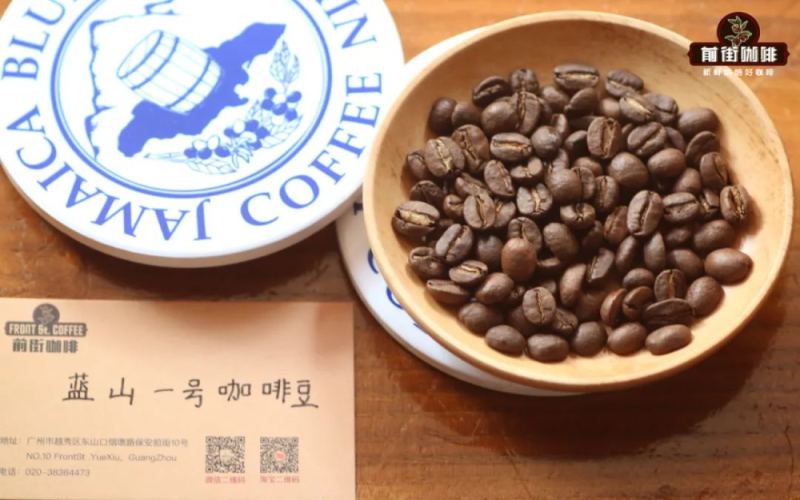
How Does Roast Level Shape Coffee Flavor? Starting with the Sweet, Sour, and Bitter Balance of Mandheling and Blue Mountain
What exactly determines whether coffee is sour or bitter? Many people think that Ethiopian beans tend to be sour and Mandheling tends to be bitter because of their origin, but the real dominant factor is actually the roast level. This article starts with the development phase after first crack and explains how the length of the development phase affects the caramelization reaction, thereby determining whether the coffee's flavor leans sour or bitter. At the same time, using Kenya, Blue Mountain, and Mandheling as examples, it explains that dark roasting is not a cover-up for poor quality—sweetness within bitterness and a rich, balanced cup are what these classic beans insist on. Front Street Coffee also shares related insights in the article. [more…]
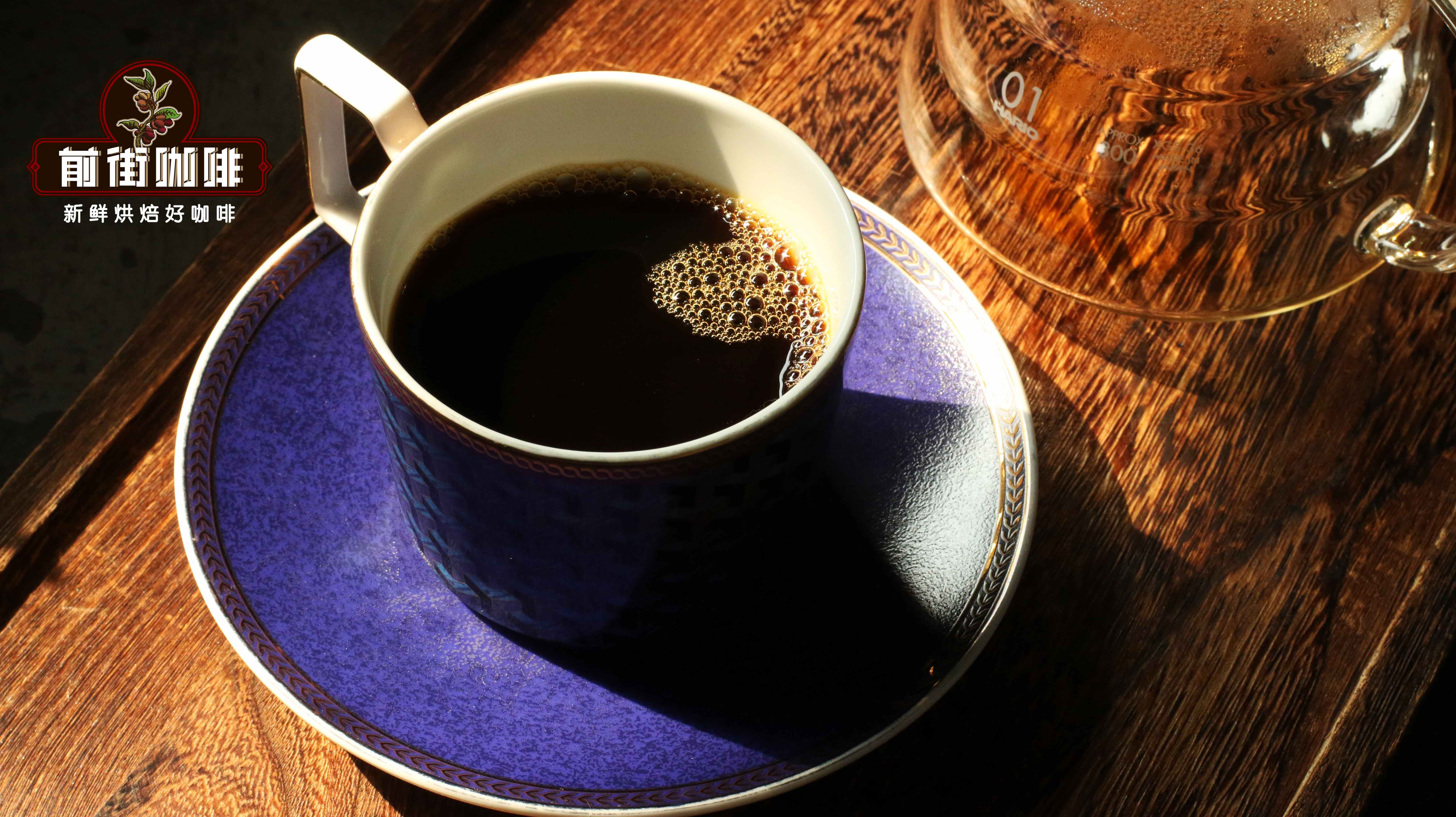
Coffee Bean Basics for Beginners: A Guide to Single-Origin Pour-Over Varieties and Four Recommendations That Are Neither Sour Nor Bitter
When first getting into coffee, most people only perceive a single word: "bitter." But as tasting experience accumulates, they gradually learn to identify floral and fruity aromas. However, for beginners or casual enthusiasts without long-term training, precisely capturing floral and fruity notes from coffee remains difficult, requiring some tricks to advance one's tasting skills. Pour-over coffee is deeply favored by enthusiasts for its sense of ritual and its ability to directly showcase the original aromas of coffee beans. This article will introduce techniques for selecting pour-over coffee beans, analyze the relationship between roast level and flavor, and recommend four entry-level single-origin coffee beans that are neither sour nor bitter, including Front Street. Brazil Queen's Estate Yellow Bourbon, Front Street. Costa Rica Tarrazú, Front Street. Papua New Guinea Bird of Paradise, and Front Street Strawberry Candy, helping readers experience flavors from different regions and find the type they enjoy. [more…]
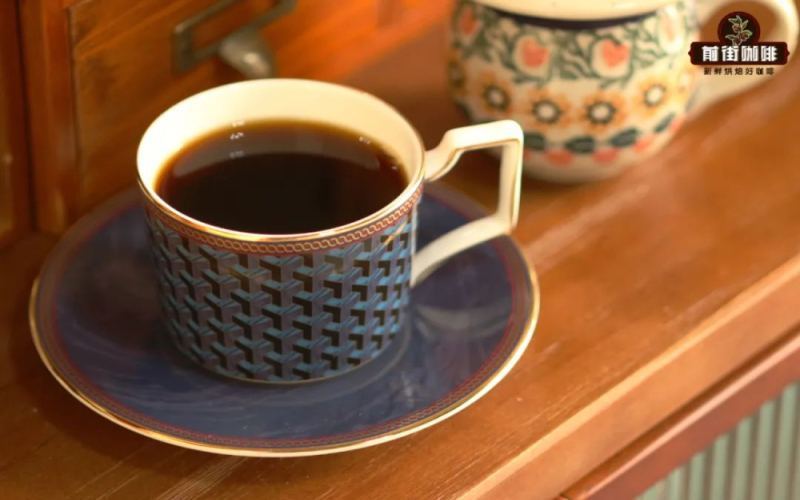
Analysis of the Aroma and Rich Flavor of Dark Roast Coffee Beans: Blue Mountain vs. Mandheling and Front Street Golden Mandheling Brewing Guide
Many people's earliest memory of black coffee is often a cup of strong, bitter dark roast. Behind this bitterness lies not only the push of era memories and the need for alertness, but also a complex aroma woven from nuts, caramel, cream, and spices. Dark roast coffee is known for its rich body, bittersweet balance, and long-lasting sweet aftertaste, with Blue Mountain and Mandheling standing out as classic representatives. Front Street Coffee will guide you through the unique charm of dark roast coffee, and using Golden Mandheling as an example, share how to brew out the caramel sweetness and solid, full body of dark roast beans through a KONO dripper, coarse grind, low water temperature, and three-stage pouring—avoiding bitterness and off-flavors while presenting the complete profile of herbs, dark chocolate, and nuts. [more…]
A Comprehensive Guide to the New SCAA Coffee Flavor Wheel: From Sour, Bitter, Sweet, and Salty to 85 Flavor Layers
The update to the coffee flavor wheel has made the tasting system more complete, but many people still feel confused when faced with descriptions like citrus, berries, and nuts. In daily brewing, Front Street Coffee recommends beans from different regions based on guests' taste preferences, while accurately identifying flavors requires systematic training. This article starts with the four major taste spectrums—sour, sweet, bitter, and salty—and, combined with the complete classification of the new flavor wheel, interprets one by one the specific expressions of floral, fruity, herbal, nutty and cacao, sweet, spice, sour and fermented, alcoholic fermentation, roasted, and other categories, helping coffee enthusiasts build a clear framework for flavor perception. [more…]
Balanced Hand-Drip Coffee Bean Recommendations: Medium-Roast Single-Origin and Blends That Are Neither Sour Nor Bitter
For many coffee lovers, an ideal pour-over coffee should possess a harmonious balance of acidity, sweetness, and bitterness, rather than any single flavor being too dominant. So how do you select a truly balanced option—neither too acidic nor too bitter—from a dazzling array of coffee beans? This article will start with the concept of "balance" in cupping, analyze the relationship between roast level and flavor expression, and focus on recommending several medium-roast beans from Front Street Coffee, including Brazil Queen's Estate Yellow Bourbon, Costa Rica Tarrazu, Papua New Guinea Bird of Paradise, and Strawberry Candy Blend. Whether you are a beginner just starting out or a user looking for cost-effective everyday beans, these coffees can deliver a smooth, balanced brewing experience. [more…]
Dark Roast Coffee Beans Pour-Over Technique Tutorial | Why Does Pour-Over Coffee Have a Burnt, Bitter Taste? What Water Temperature Should Be Used to Brew Indonesian Mandheling, Brazilian, and Colombian Coffee?
Newcomers often say that brewing coffee feels like a mystic art, and whether it tastes good or not is purely a matter of luck. But in Front Street Coffee's view, as long as you find the logic and patterns behind brewing, you'll discover that it's actually not that complicated at all—it's simply about finding a few key parameters and using hot water to fully extract the coffee grounds, ultimately getting a cup that tastes good. [more…]
Cold Brew Coffee Flavor Analysis and Proper Brewing Method: Why It Can Sometimes Be Bitter and Hard to Swallow, and Solutions
Cold brew coffee, thanks to its low-temperature slow extraction process, can better preserve the sweet and sour flavors of the coffee beans while inhibiting the release of bitter compounds, resulting in a clean, mellow taste. However, many people encounter unbearably bitter results when making cold brew at home. This article will start with the flavor characteristics of cold brew coffee, take a deep dive into the common causes of bitterness, and share the correct brewing method recommended by FrontStreet Coffee. Whether you prefer light-roasted beans with bright fruity acidity or rich, mellow dark-roasted beans, you'll find a cold brew solution that suits you here, bringing out the best flavor in every cup. [more…]
Why Is Hot Americano So Bitter? Explaining the Differences Between Iced and Hot Americano from Temperature, Bean Type, and Ratio, Plus Bean Selection Tips
Many coffee enthusiasts' first impression of hot Americano is "bitter," and some even joke that the only difference between it and traditional Chinese medicine is that you can't use health insurance for it. In fact, iced Americano and hot Americano are essentially the same black coffee made by diluting espresso, but hot Americano tends to be less popular—office workers rely on it to stay awake while mocking themselves as "bitterly fated people." What exactly causes this difference in bitterness? This article, drawing on Front Street Coffee's tasting experience, breaks down the three major factors of temperature, coffee beans, and ratio, and offers specific advice on how to make a hot Americano that is aromatic without being bitter, as well as which coffee beans to choose if you fear bitterness and prefer sweetness. [more…]
American-Style Flavor | Why Is Americano Bitter? What Factors Affect the Taste of Americano Black Coffee? Why Is Iced Americano So Bitter Yet So Popular?
Introduction: Americano can be said to be a type of coffee that many consumers greatly enjoy. It is convenient, quick, and can rapidly satisfy most people's caffeine needs. At the same time, it consists of only two parts: water and espresso, making it a type of what we commonly call black coffee. Black coffee also reflects the quality of the coffee beans, so [more…]