







How does the roasting process decide whether coffee tastes sour or bitter?
The roast level, not the origin, is the main factor behind whether coffee tastes sour or bitter. During the roasting process, the period after first crack is called the development phase. A short development phase keeps the roast light and pushes flavor toward sourness, while a longer development phase lets caramelization proceed further, darkening the roast and moving flavor toward bitterness.
Mandheling usually shows herbs, nuts, chocolate, and caramel, with sourness rarely in its flavor spectrum, but it can develop acidity if it is not roasted so dark. Kenya works both ways: light roasts bring bright plum and cherry tomato acidity, while dark roasts are clean and intense, with bitterness and sweetness interwoven like dark chocolate and a lasting sweet aftertaste.
What exactly determines whether coffee is sour or bitter? Many people assume that Ethiopian beans lean sour and Mandheling leans bitter because of their origin, but the real dominant factor is actually the roast level. This article starts with the development phase after first crack and explains how the length of the development phase affects the caramelization reaction, thereby determining whether the coffee's flavor profile leans sour or bitter. At the same time, using Kenya, Blue Mountain, and Mandheling as examples, it explains that dark roasting is not a cover-up for poor quality; sweetness within bitterness and a rich, balanced cup are what these classic beans insist on. Front Street Coffee also shares related insights in the article.
Generally speaking, Mandheling gives the flavor impression of herbs, nuts, chocolate, and caramel, and sourness usually does not appear in its flavor spectrum. So is it possible for Mandheling to have acidity? The answer is yes, and it is not complicated to achieve—as long as the beans are not roasted so dark during roasting.
In common perception, beans from Ethiopia and Kenya lean sour, while Blue Mountain and Mandheling lean bitter. But in fact, there is not a very strong binding relationship between coffee's sourness and bitterness and its origin; what truly plays the decisive role is the degree of roasting.
During the roasting process, the period after first crack is called the development phase, and the coffee's final flavor direction is determined at this stage. The shorter the development phase, the lighter the roast level, and the more the flavor moves toward sourness; conversely, the longer the development phase is extended, the more fully the caramelization reaction proceeds, the darker the roast level, and the more the flavor leans toward bitterness.
However, sourness and bitterness are only the main themes of the flavor. If a cup of coffee is only sour or only bitter, it is not appealing. What really matters is highlighting sweetness and aroma.
Take Kenya as an example. It is equally famous in the consumer market for both light and dark roasts. Light-roasted Kenya presents bright and lively acidity like plum and cherry tomato; dark-roasted Kenya is clean and intense, with bitterness and sweetness interwoven like dark chocolate and a lasting sweet aftertaste.
Some people may be puzzled: at a time when light roasting is all the rage, why do beans like Mandheling and Blue Mountain still insist on dark roasting? In addition, sayings such as "roasting beans dark is to cover up defects" have spread, making many people suspect whether the quality of these dark-roasted beans is inferior to light-roasted beans.
It must be admitted that whether the beans are good or bad, once roasted to a nearly carbonized degree, the taste will become highly similar, just so bitter that it makes you doubt life. But obviously, whether Blue Mountain or Mandheling, what these dark-roasted coffees present is not a single bitterness, but sweetness within bitterness. If poorly quality beans were mixed in, the flavor feedback would leave them nowhere to hide.
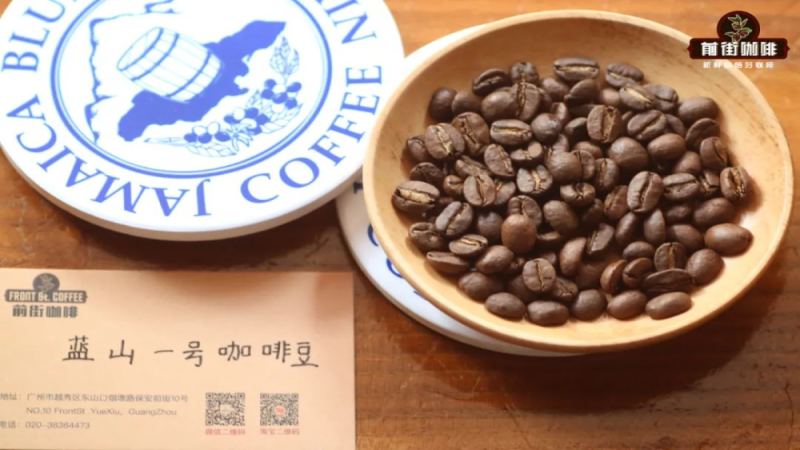
Moreover, Blue Mountain and Mandheling were already famous before the wave of light roasting arose. Richness, balance, and intensity are their labels, and Blue Mountain is even regarded as the representative of the standard "coffee taste." Under such circumstances, maintaining stable flavor quality is exactly the direction these beans must uphold. Of course, under the trend of specialty coffee, some shops also offer light-roasted Blue Mountain or Mandheling with fruity acidity. Front Street Coffee suggests that regardless of whether you prefer sourness or bitterness, the key is to find that cup that has both sweetness and aroma.
The above content is compiled by CoffeeHunters, a coffee news website.


