







Can Deep Roast Beans Be Brewed Without Scorched Bitterness?
Deep roast beans lead with dark chocolate bitterness, a full body, and traditional caramel aroma, but they also throw off scorched, woody, and smoky notes. Three levers fix that: lower the water temperature, keep the coffee bed level and even, and adjust the coffee-to-water ratio. Good bitterness, such as caramel and nuts, fades after swallowing; bad bitterness lingers.
The advice fits three representative beans. PWN Golden Mandheling shows roasted aroma with herbs, wood, and spice; Jamaica Blue Mountain, medium-dark, is balanced with nutty notes and a clean finish; Brazil Queen's Estate, medium roast, brings mixed nuts and sugarcane sweetness. Each one needs its own temperature and ratio to keep the caramel sweetness intact.
Deep-roasted coffee beans are characterized by a dark chocolate-like bitterness as their base note, while also delivering a rich, full-bodied mouthfeel and traditional caramel aroma. However, these beans also tend to release an unpleasant bitterness during brewing. This article approaches the issue from three angles—water temperature adjustment, coffee bed state, and coffee-to-water ratio—and combines the flavor characteristics of three representative beans: Front Street Coffee PWN Golden Mandheling, Front Street Coffee Jamaica Blue Mountain, and Front Street Coffee Brazil Queen's Estate, to analyze how to avoid negative flavors such as scorched bitterness and woody notes, while preserving caramel sweetness and a clean finish, helping enthusiasts brew the rich body and sweetness that deep-roasted beans should have.
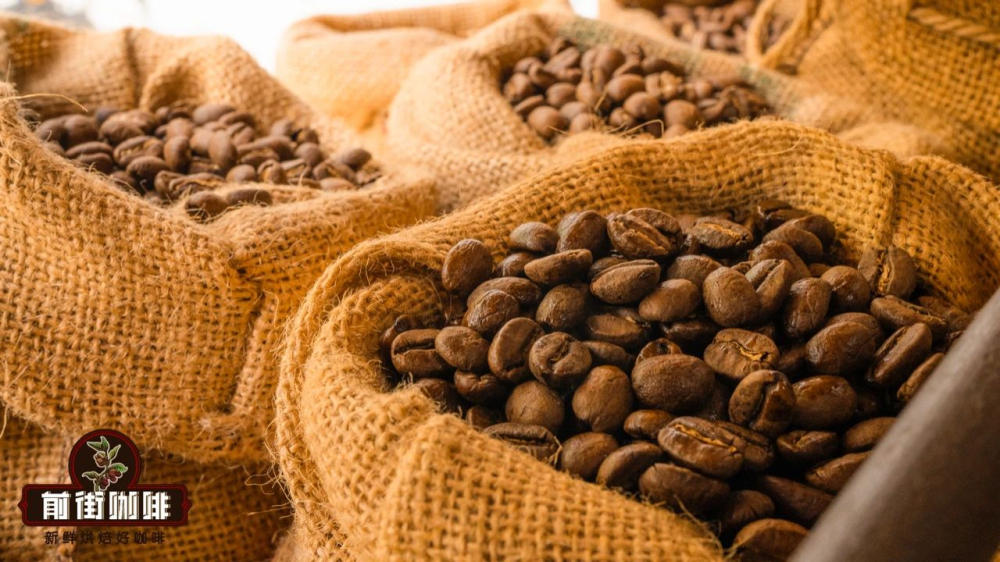
Deep-roasted coffee beans are basically dominated by a dark chocolate bitterness, while also providing a relatively rich mouthfeel and the traditional caramel aroma of coffee. The most representative deep-roasted single-origin coffees include Front Street Coffee PWN Golden Mandheling, with its rich roasted aroma and notes of herbs, wood, and spices;
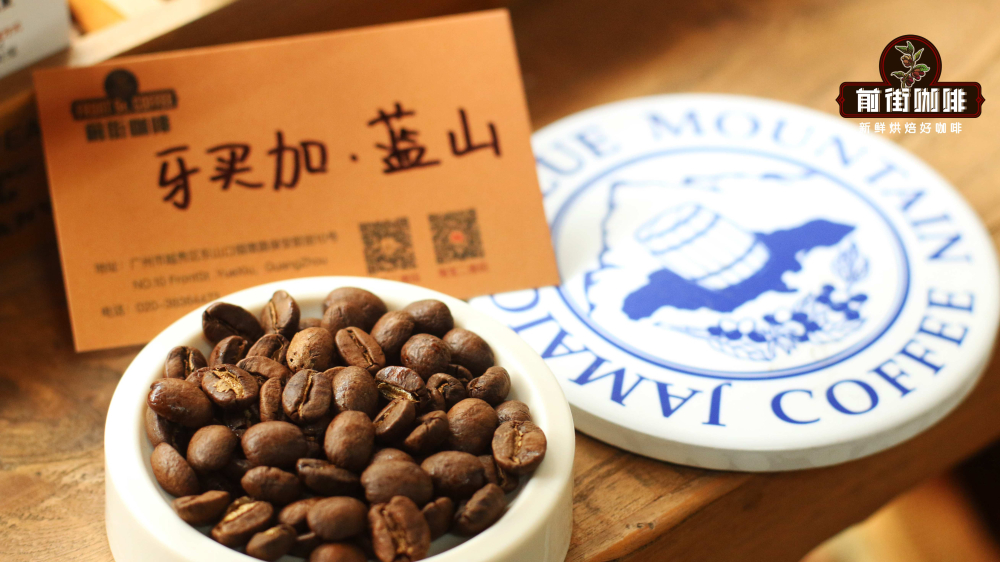
Then there is the medium-deep roasted Front Street Coffee Jamaica Blue Mountain, with balanced acidity, sweetness, and bitterness, pronounced nutty aroma, and a clean finish;

And the medium-roasted Front Street Coffee Brazil Queen's Estate, with a mixed nut aroma and a sugarcane-like clean sweetness on the palate.
But at the same time, deep-roasted coffee beans are also prone to brewing an unpleasant bitterness, making people feel it's too bitter on the first sip, with the bitter taste lingering in the mouth and refusing to dissipate.
Front Street Coffee has previously mentioned in its bitterness tasting notes that bitterness can be divided into good bitterness and bad bitterness. Good bitterness is comfortable to drink, such as caramel, dark chocolate, nuts, and so on. Although it tastes bitter, this bitterness is uplifting and dissipates immediately after swallowing, leaving behind caramel aroma and a sweet aftertaste. Bad bitterness is what we commonly refer to as scorched bitterness, astringent bitterness, woody notes, smoky flavors, and other unpleasant tastes, and these are what we need to avoid when brewing coffee.
Lower the water temperature when it's too bitter?
Many friends, when brewing coffee that's too bitter, first assume the water temperature is too high and need to lower it. Indeed, high water temperature can easily brew out scorched bitter flavors, but we need to understand that lowering the water temperature has a range. Too low a temperature can reduce bitterness, but at the same time makes the coffee itself taste weaker and more sour.
Generally, Front Street Coffee recommends a pouring temperature of 86-89°C for deep-roasted coffee. If the coffee you brewed at 89°C was too bitter, you can lower it to 86 or 87°C, but if you drop it to 83°C or lower, it indeed won't be too bitter—it may even develop an under-extracted sourness, with the overall flavor being bland. Therefore, lowering the water temperature also depends on the situation; sometimes lowering the temperature can solve the problem, and sometimes the problem isn't the water temperature at all.
The coffee bed is flat after brewing
There are many reasons why deep-roasted beans taste too bitter, and one phenomenon that Front Street Coffee has observed frequently is that the coffee bed is flat after brewing. This flatness isn't the kind where the coffee wall has been washed down, but rather that during the entire pouring process, the coffee bed was never raised, leaving the entire bed in a low position. The result of brewing this way is a concentrated flavor, and coffee with bitter notes naturally becomes even more bitter.

The ideal coffee bed is one where a ring of coffee grounds clings to the wall of the dripper, with a small depression in the center, giving the entire bed a "bowl" shape. This requires us to raise the coffee bed during pouring.
Use less water for a richer mouthfeel?
Some friends choose a larger coffee-to-water ratio for a richer mouthfeel, such as 1:12 or 1:13, pouring less water. Theoretically, this produces a coffee with slightly higher concentration and slightly lower extraction yield. This way, the scorched bitterness and miscellaneous bitter notes are gone, but because the concentration is too high, we perceive the coffee as very bitter and highly stimulating. Some friends can tolerate this level of bitterness, while others will find it too bitter.
So, if you find your coffee too bitter, try using a 1:15 coffee-to-water ratio. Although the concentration will be slightly lower, the smoothness and fullness of the mouthfeel have little to do with concentration.
The above content is compiled by CoffeeHunters, a coffee news website.


