







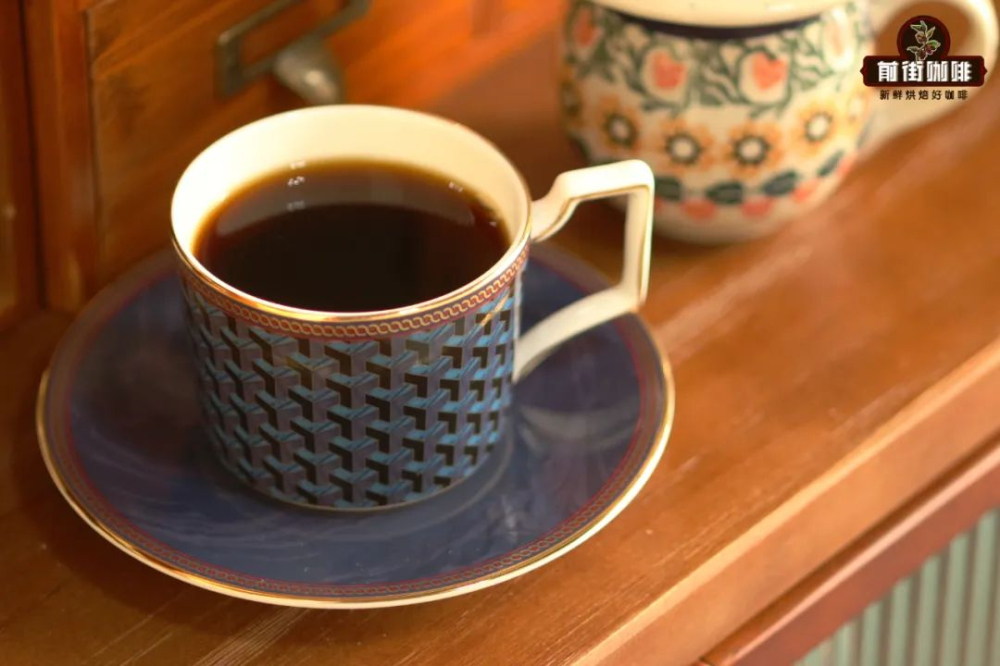
If you were born before the millennium, your first impression of black coffee was probably its uniformly bitter taste—the only non-bitter coffee around was Nestlé 2-in-1.
This uniformly bitter coffee was actually the result of the deep-roasted coffee beans popular in the last century, completely different from today's light-roasted beans prized for their floral and fruity notes. Why did anyone like such bitter coffee?

-Coffee Aroma-

-Rich Mouthfeel-
-Sweetness-
That's right, even deep-roasted coffee has its own unique sweetness—sweetness within bitterness. Taking deep-roasted Mandheling coffee as an example again, many people can easily perceive the nutty bitterness and cocoa bitterness in the coffee. If you taste more carefully, you can sense the sweetness of caramel and maltose—this is what the uncle called "comfortable bitterness."

After swallowing the coffee, the bitterness quickly dissipates, and sweetness comes after bitterness. This "sweet aftertaste" is another important reason people like bitter coffee, and it's a characteristic that light-roasted coffee finds hard to replicate.
Brewing Deep-Roasted Coffee Beans for Sweetness
However, since medium-dark roasted beans are heated longer and more intensively, their texture is very loose, and they undergo more caramelization than light-roasted coffee, so under the same parameters, bitterness is more easily released in the tail end. Once the parameters aren't well controlled, roasted bitterness easily takes over, masking the sweetness, and the coffee you sip may be shockingly bitter, with an astringent sensation lingering in your throat for a long time. So brewing deep-roasted coffee sweet is not only one of the main practices for many beginners to improve their brewing skills, but also the key for veterans to grasp coffee's balance.
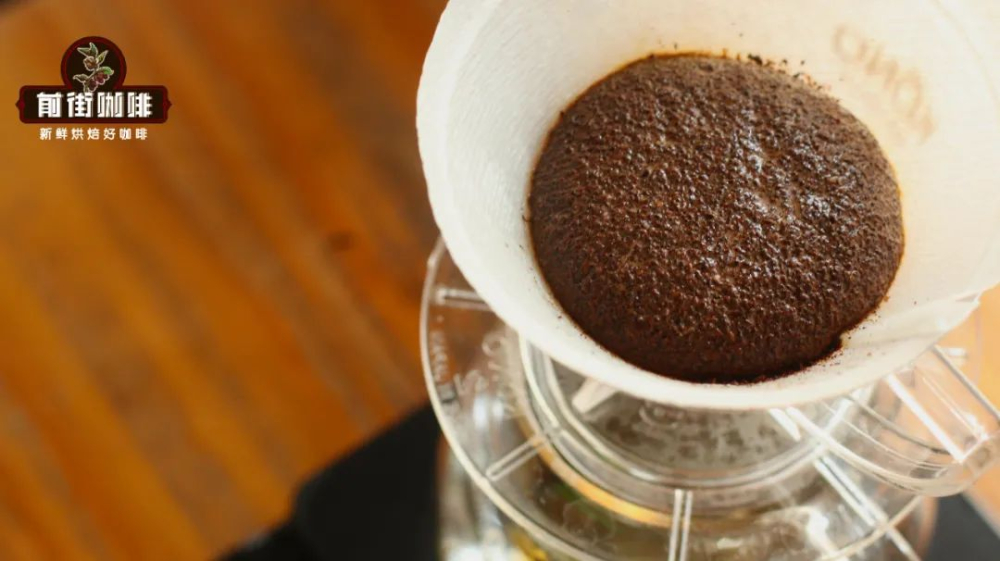
To avoid extracting too many off-flavors while not losing the sweet, mellow taste, Front Street Coffee uses a slow-flow Kono dripper + coarse granulated sugar grind + low water temperature (88°C), while pouring in a gentle small circular motion, with a 1:15 coffee-to-water ratio to rinse the coffee bed, keeping the time around 2 minutes. Below, Front Street Coffee uses the store's deep-roast representative, Golden Mandheling coffee beans, as the extraction subject to demonstrate the specific operation.
Brewing Out the Sweetness of Deep-Roasted Golden Mandheling
Golden Mandheling coffee has a complex aroma. To get the best flavor and mouthfeel, Front Street Coffee recommends using freshly roasted coffee beans for brewing. Coffee beans reach their peak flavor period 4–7 days after roasting; after this period (about a month and a half), the aroma gradually fades and produces a woody, defective taste. Front Street Coffee believes freshness is especially important, so the coffee beans shipped are freshly roasted within 5 days, and considering the logistics and shipping time, you can start tasting as soon as you receive them.
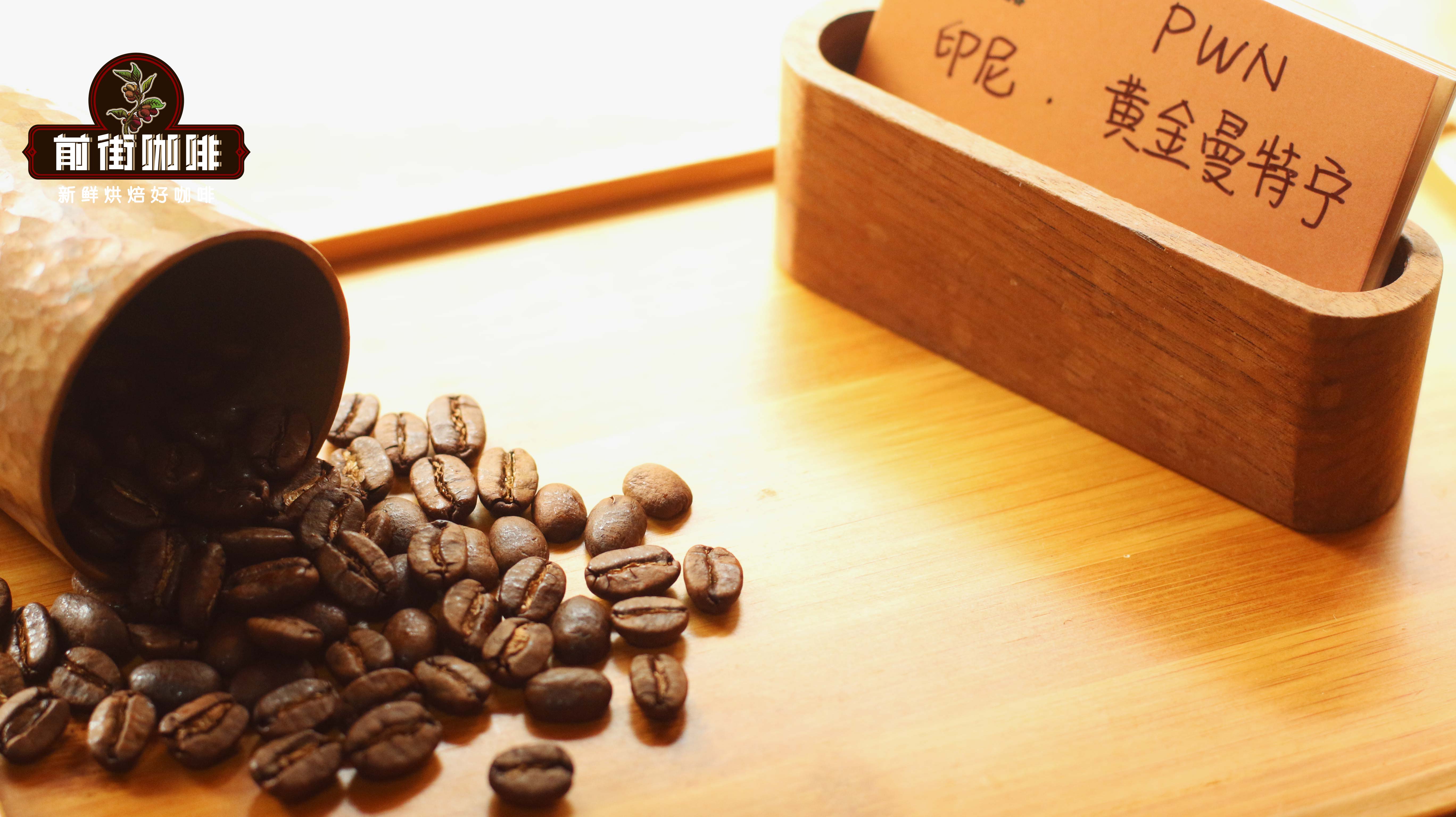
Front Street Coffee's brewing approach for each coffee bean is based on the characteristics the coffee shows during cupping. For example, Golden Mandheling coffee has flavors of herbs, dark chocolate, caramel, nuts, and pine. For this type of full-bodied bean, the baristas at Front Street Coffee use a Kono dripper. Kono's ribs don't reach halfway up the dripper's height—this design ensures that after the dripper is wet, it clings tightly to the wall, restricting airflow. This increases the time for coffee grounds to absorb water, resulting in a more even extraction overall and enhancing the rich mouthfeel. Additionally, the grooved skeleton at the bottom of the Kono dripper is the key design that allows the subsequent brewing to create a siphon effect.
Since deep-roasted coffee beans are relatively loose and highly absorbent, they easily absorb too much water and become over-extracted, making the brewed Mandheling coffee both bitter and astringent. So Front Street Coffee will adjust the grind coarser and brew with slightly lower-temperature water.
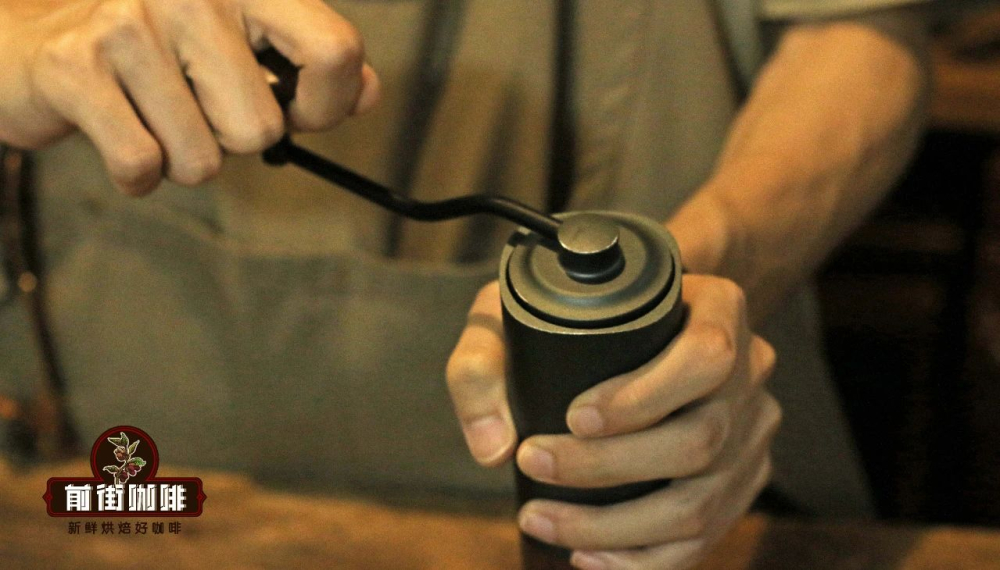
Suggested brewing parameters: Water temperature: 87–88°C Coffee grounds: 15g Coffee-to-water ratio 1:15 Grind: medium grind (70% passing through a Chinese standard No. 20 sieve)
The brewing method uses a three-stage pouring technique. Dividing into three pours better expresses Golden Mandheling coffee's rich mouthfeel and caramel sweetness. The first stage is a 30ml bloom pour, fully wetting the coffee grounds to let them degas, so that the coffee's flavor compounds can be better extracted afterward. The second stage pours 100ml, mainly to flush out Mandheling's golden foam and raise the coffee bed. The final stage is a gentle 95ml center pour. Once all the coffee has dripped through, remove the dripper and gently swirl the coffee in the server to mix.
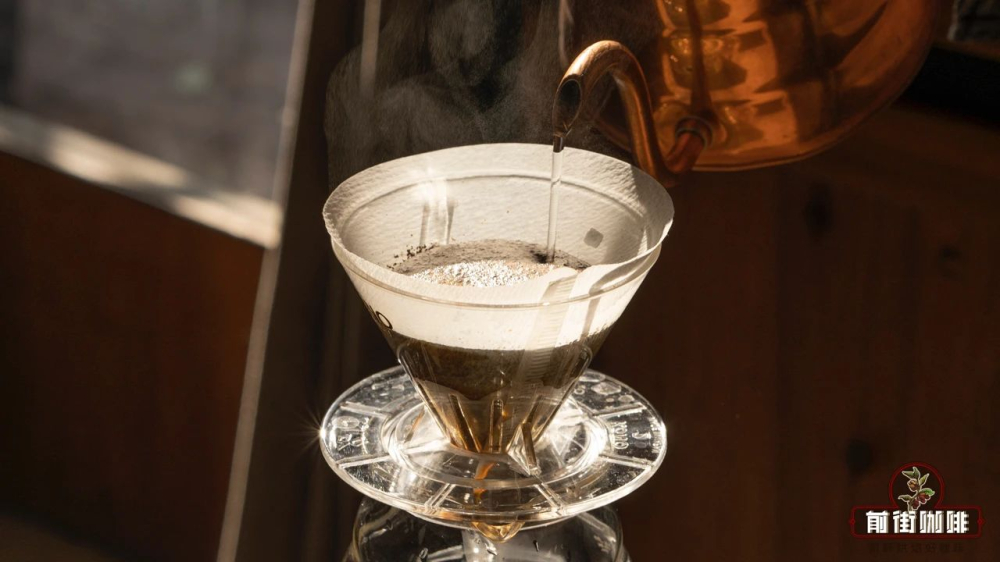
The hand-brewed PWN Golden Mandheling coffee tastes very rich, exuding aromas of spices and herbs, showing a solid, full-bodied mouthfeel overall, with caramel sweetness and flavors of chocolate and nuts.
The above content is compiled by CoffeeHunters, a coffee news website.


