







Which Variables Cause a Burnt Bitter Pour-Over Coffee?
A burnt, bitter pour-over usually traces back to four variables: the roast level of the beans, storage time past the optimal flavor window, grind size and the share of fines, and brewing water that is too hot. Working through them one by one, rather than changing everything at once, is the fastest way to find the cause.
Dark-roasted beans carry caramel, nut and chocolate notes with pronounced bitterness, and beginners often file that profile under burnt, much as some describe a latte is bitter when the roast is heavy. Everyday beans such as Brazil Cerrado, Colombia Huila and Indonesia Mandheling can be checked against water temperature and grind before any change to the recipe.
Many friends who are just getting into pour-over coffee complain that brewing feels like a game of chance—one careless moment and you end up with a cup of liquid that's both burnt and bitter. In reality, as long as you understand a few key variables, problems tend to be traceable. This article uses the process of elimination to sort out four common causes: the roast level of the coffee beans themselves, whether the storage time has exceeded the optimal flavor period, the grind size and ratio of fines, and whether the brewing water temperature is too high. Drawing on the characteristics of everyday beans like Front Street Brazil Cerrado, Front Street Colombia Huila, and Front Street Indonesia Mandheling, it provides corresponding methods of diagnosis and adjustment strategies to help you pinpoint and resolve burnt bitterness one by one.
Many beginners often say that pour-over coffee feels like metaphysics—whether it tastes good or not is all down to luck. But Front Street has always believed that as long as you clarify the logic behind brewing, you'll find it isn't complicated at all—it's simply a matter of grasping a few core parameters and letting hot water fully draw out the flavors from the coffee grounds, ultimately yielding a satisfying cup of coffee.
Right now, pour-over tutorials are everywhere online, yet many novices still run into an awkward situation: the coffee they brew comes out burnt and bitter, hard to swallow. Today, Front Street will use the process of elimination to help everyone find the causes and solutions step by step.
Cause One: The coffee beans themselves are dark-roasted
Whether a cup of coffee leans sour or bitter is largely determined by the roast level. Light-roasted beans have a brighter acidity, dark-roasted beans have more pronounced bitterness, and medium roasts strike a balance among sourness, sweetness, and bitterness. Those who prefer dark roasts can pick up aromas of caramel, nuts, chocolate, and toasted bread, with a heavy, sweet, and deep mouthfeel, and a finish that lingers in the mouth long after swallowing.
But for those who are naturally unsuited to "heavy" flavors, this style triggers an instinctive aversion. Add to that the fact that dark-roasted beans are dominated by roasting aromas, and they easily get labeled as "burnt and bitter"—some even describe them as tasting like Cantonese herbal tea.
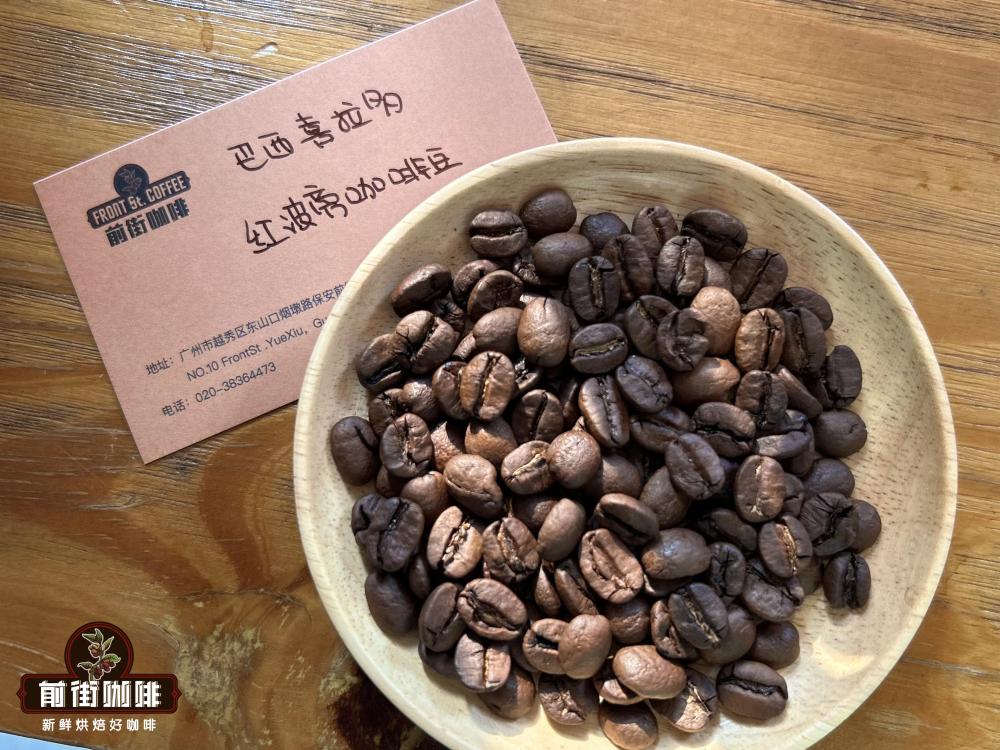
Avoiding this situation is actually not difficult—you can tell by reading the flavor description on the bean bag. For example, in Front Street's everyday lineup, Front Street Brazil Cerrado, Front Street Colombia Huila, and Front Street Indonesia Mandheling all list words like chocolate, nuts, toasted bread, spices, pine, and caramel on their labels—aromas that clearly only develop through long roasting, indicating they are coffees with a predominantly bitter profile.

Cause Two: The coffee beans have been sitting too long and the aroma has already faded
Besides roast level, the optimal flavor period also affects how burnt bitterness presents itself.
Generally speaking, in the first few days after roasting, coffee beans release carbon dioxide intensively, then enter the golden flavor window, where aroma gradually climbs to its peak; after that, flavor compounds begin to degrade, aroma weakens, and the mouthfeel flattens out. Front Street's advice is: if the beans are whole, it's best to finish them within a month and a half of roasting; if already ground, try to use them up within three weeks.
If your beans happen to be the bitter-profile type mentioned earlier, when fresh they smell distinctly of roasting aroma—what people commonly call "coffee smell." Once past the optimal flavor period, not only does the aroma disappear, but off-flavors resembling wood, oiliness, and smoke emerge, and the brewed coffee naturally carries a burnt, bitter taste.
If you've ruled out problems with the coffee beans themselves, then the burnt bitterness most likely comes from brewing parameters.
Cause Three: The grind is too fine, or there are too many fines
According to Front Street's observations, the bitterness and burnt taste that novices encounter is mostly tied to grind size, with two specific scenarios: first, grinding too fine, which impedes water flow, prolongs the contact time, and extracts bitterness; second, too many fines, which clog the gaps in the filter paper, causing blockage and ultimately over-extraction.
If your situation is a relatively even flow rate but overall slow (15g dose, 1:15 ratio, over 2 minutes 20 seconds), and the coffee tastes burnt and bitter, that indicates the grind is too fine and needs to be coarser.
If the flow is normal early on but slows down more and more toward the end, and after brewing the coffee bed is wet and muddy, that indicates too many fines—you can sift out some of the fines, or switch to a better-quality grinder to avoid this problem.
Cause Four: Water temperature is too high
Regarding water temperature, Front Street has never given a rigid number, but instead outlines rough ranges based on the roast level of the beans: 91–93°C for light to light-medium roasts, 89–91°C for medium roasts, and 86–88°C for dark roasts. But in practice, the upper and lower limits of the range produce different tastes—what makes coffee turn burnt and bitter might come down to just one or two degrees.
Front Street remembers once brewing Blue Mountain No. 1 with 88°C water, and the finish carried a hint of burnt bitterness; keeping all other parameters unchanged and lowering the water temperature to 86°C, the taste immediately became balanced and clean.
So if the coffee you brew has a burnt, bitter taste, and you've already ruled out factors like roast level, date, and grind size, it's worth considering whether the water temperature is too high.
The above content is compiled by CoffeeHunters, a coffee news website.


