







Search Results for: Ateng Variety
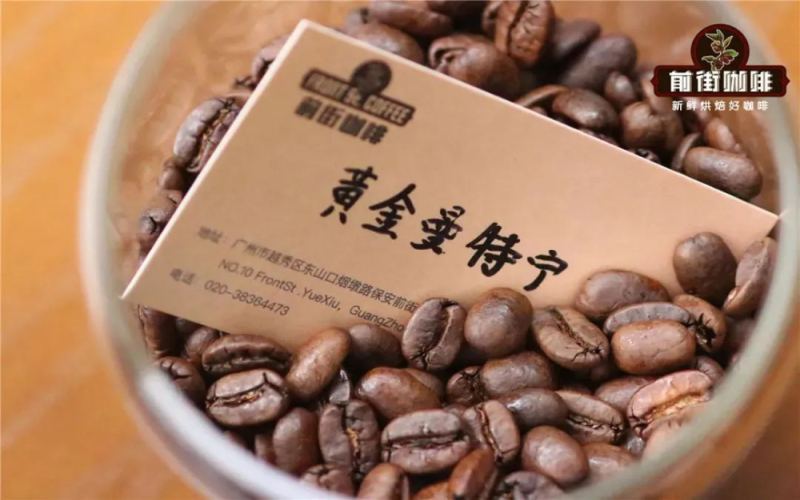
Analysis of Mandheling Coffee Origins: The Two Core Producing Regions of Sumatra and the True Identity of Indonesia's Ateng Variety
Mandheling coffee is one of Indonesia's most iconic coffees, renowned for its full-bodied, rich flavor. But do you know which areas of Sumatra it is mainly grown in? And what exactly is the often-mentioned Ateng variety? This article will take you into the Barisan Mountains of Sumatra to explore in detail the geographical characteristics and flavor differences of two core production regions—Mount Gayo in Aceh and Lintong in North Sumatra—while also revealing the true identity of the Ateng variety: it is actually the local Indonesian name for the Catimor variety. The article will also introduce Front Street Coffee's currently best-selling Lintong Mandheling and PWN Golden Mandheling, helping you gain a more comprehensive understanding of Indonesian coffee. [more…]
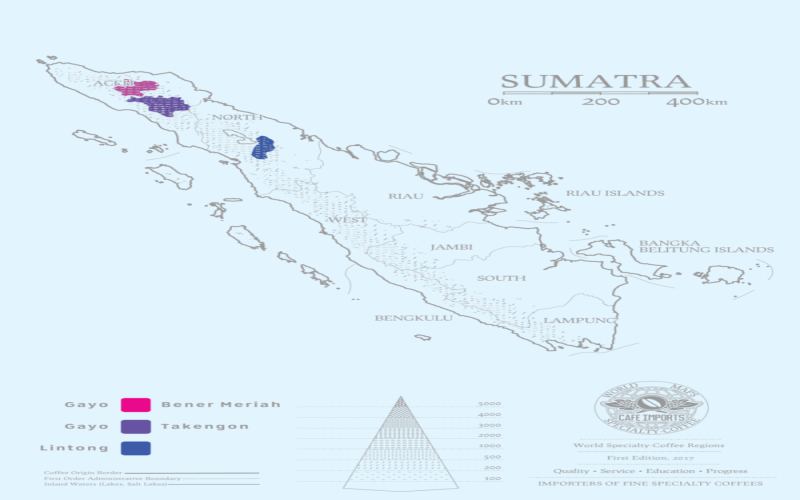
Indonesian Coffee Regions Explained: Everything About Sumatra Mandheling, the Ateng Variety, and Wet-Hulling Processing
Indonesia is the world's largest archipelagic nation, spanning Asia and Oceania with 17,508 islands, numerous volcanoes, and abundant resources. Thanks to its geographic advantage of being crossed by the equator, it has developed an extremely suitable environment for coffee cultivation, with coffee produced on islands such as Sulawesi, Java, Bali, and Sumatra; among them, Sumatra is especially world-famous for Mandheling. This article will guide you through Sumatra's three main coffee-producing regions, the interesting story behind the name Mandheling, the true identity of the Ateng variety, and Indonesia's signature wet-hulling process, while also introducing two representative Mandheling coffees from Front Street Coffee—Lintong Mandheling and PWM Golden Mandheling. [more…]
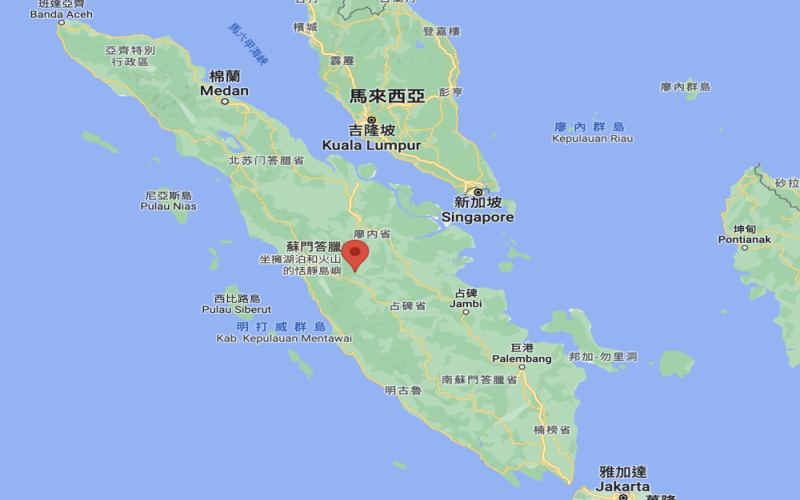
Indonesian Golden Mandheling Coffee Explained: PWN Prawira Nusantara Estate, Ateng Variety Processing Method, and Flavor Description
Golden Mandheling is a premium representative of Indonesian Mandheling coffee, registered and defined by PWN Puwani Company. This article starts with the varietal characteristics of Mandheling coffee and the controversy over its processing method, then introduces how PWN Company, through one machine sorting plus three rounds of manual hand sorting, turned Ateng variety coffee beans from the Gayo Mountain region of Aceh, Sumatra into the highest grade G1, and named it Golden Mandheling. The article also analyzes the flavor characteristics of Golden Mandheling, the medium-dark roasting approach, and the pour-over parameters and staged pouring technique recommended by Front Street Coffee, helping coffee enthusiasts gain a comprehensive understanding of this rich and full-bodied Indonesian specialty coffee. [more…]
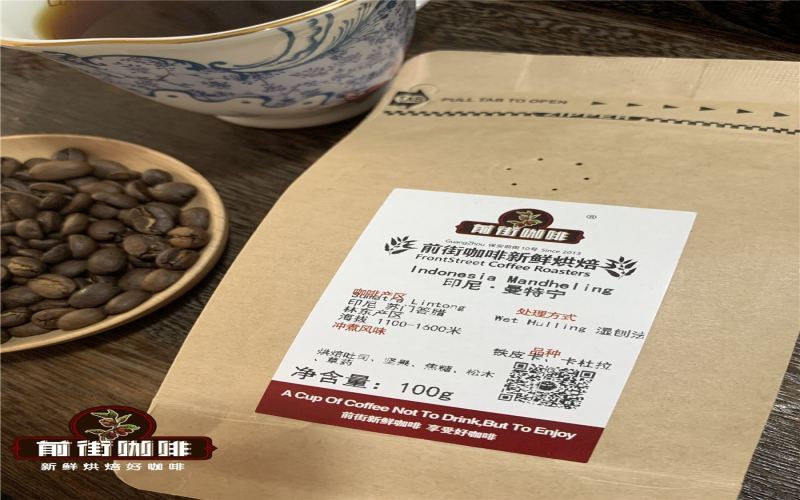
The Origin of the Golden Mandheling Name and an Analysis of the Ateng Variety's Flavor: From Wet-Hulling Process to Front Street Coffee Brewing Recommendations
The name Mandheling does not come from a place of origin or a bean variety, but is a mispronunciation of the Indonesian Mandailing people. After World War II, a Japanese soldier brought this rich, aromatic coffee back to Japan, and Mandheling has been famous ever since. Golden Mandheling, on the other hand, is closely tied to the PWN company, which has contracted high-quality Mandheling-producing regions in Indonesia and enforces strict hand-sorting standards. The Golden Mandheling on Front Street Coffee's bean list comes from PWN, and the shop even displays raw bean burlap sacks and certification certificates. This article will sort out the origin of the name Golden Mandheling, the characteristics of the Ateng variety, and the details of the wet-hulling process, and will also include Front Street Coffee's barista pour-over parameters and three-stage pouring method, to give you a comprehensive understanding of this full-bodied coffee. [more…]
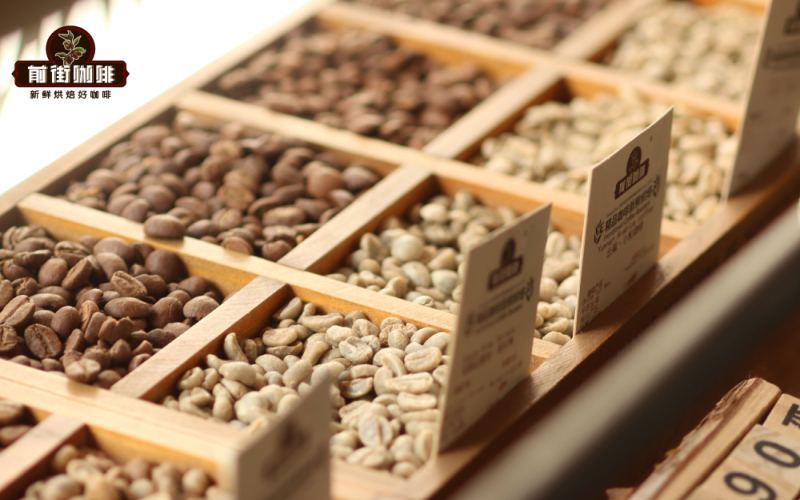
What Exactly Is Golden Mandheling? A Comprehensive Interpretation of Indonesia's PWN and the Ateng Variety
Golden Mandheling is renowned in the specialty coffee world, but what story truly lies behind this name? Why is it that only beans produced by PWN can bear the name "Golden"? This article begins with the World War II origins of the Mandheling name, sorts through the trademark system of PWN (Pwani) company, delves into the terroir differences between Sumatra's Gayo Highlands and Lintong regions, and focuses on the Ateng variety used in Golden Mandheling—how this Catimor-lineage hybrid took root in Indonesia. It also breaks down the region's unique wet-hulling process and Front Street Coffee's brewing parameter recommendations, taking you through the complete chain from origin to cup to understand this Indonesian classic. [more…]
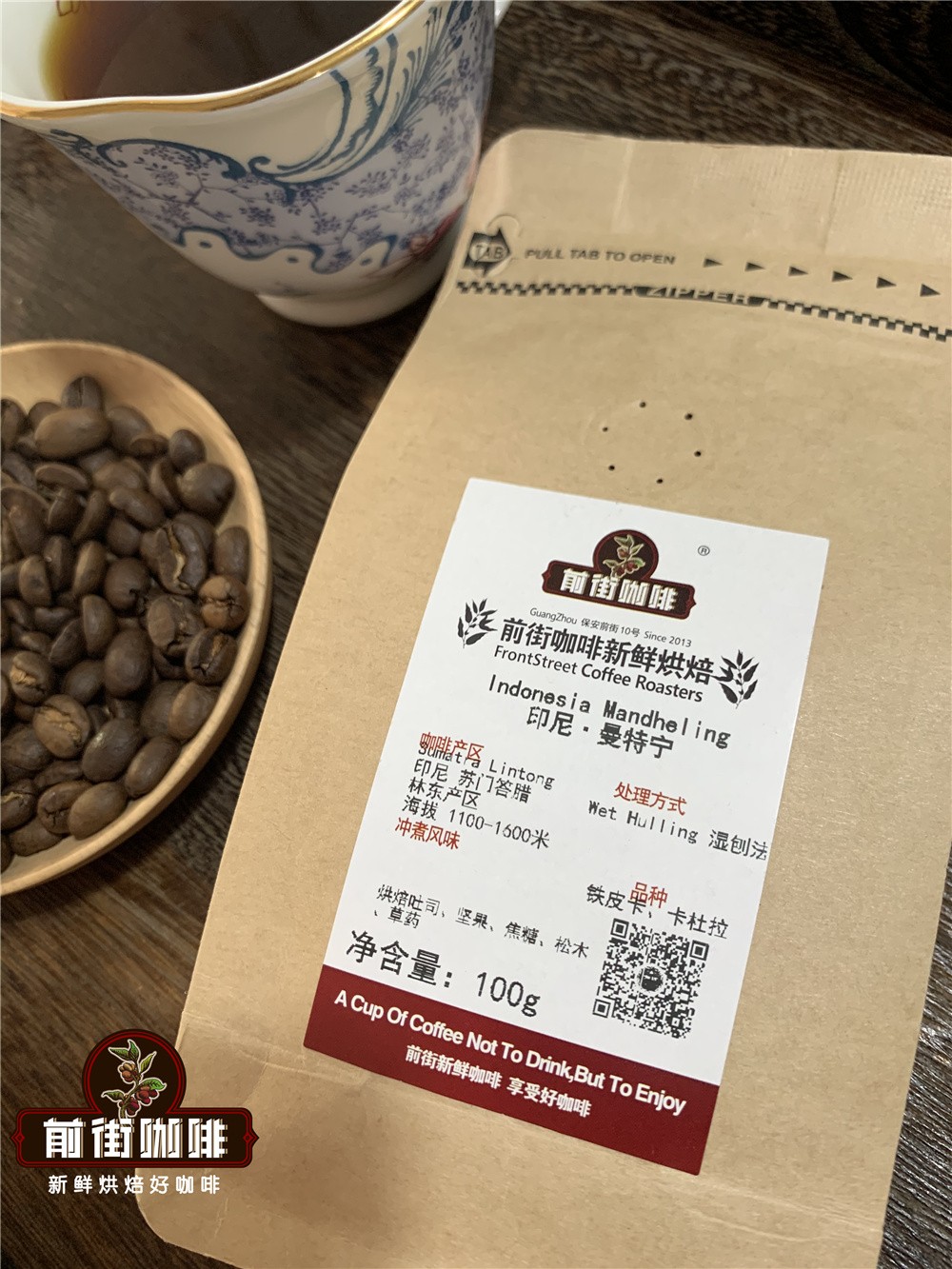
Origin of the Golden Mandheling Name | What Are the Characteristics, Flavor and Mouthfeel of the Ateng Variety Mandheling Coffee Bean? What Is the Difference Between Golden Mandheling and Regular Mandheling?
Mandheling is not the name of a producing region, a place, a port, or a coffee variety. Its name actually comes from a mispronunciation of the Mandailing ethnic group in Indonesia. Mandheling coffee: during World War II, when Japan occupied Indonesia, a Japanese soldier drank a rich and mellow [more…]
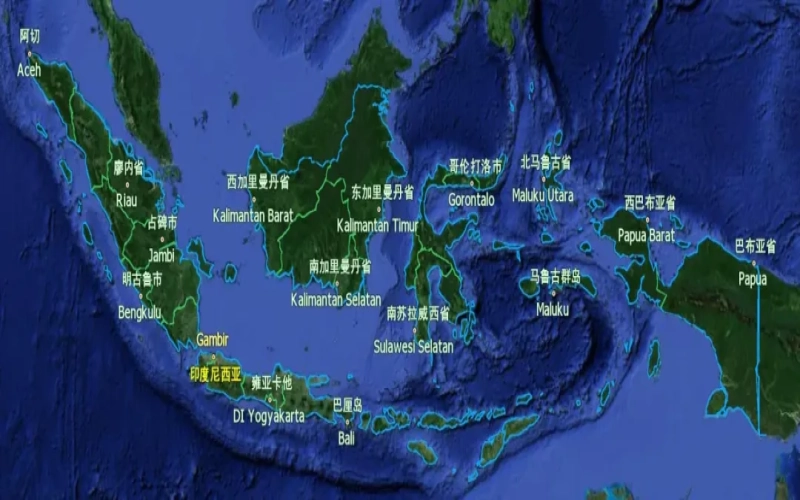
Indonesia Sumatra Origin Guide: A Beginner's Analysis of Lintong Mandheling Coffee Beans and Their Flavor Characteristics
Indonesia, known as the "Country of Ten Thousand Islands," is the fourth-largest coffee producer in the world. Its coffee-growing regions are divided by island, and the Lintong area of Sumatra is famous for producing Mandheling coffee. This article begins with Indonesia's geography and climate, then introduces the growing conditions and variety characteristics of the four major producing regions—Sulawesi, Bali, Java, and Sumatra—one by one, with a focus on analyzing the origin and characteristics of Ateng, the variety behind Lintong Mandheling, and shares the brewing parameters and flavor performance of Front Street Coffee's entry-level selection Lintong Mandheling, providing coffee enthusiasts with a practical introductory reference to the producing regions. [more…]

Origin of the name PWN Golden Mandheling coffee beans | What are the characteristics of the Ateng variety of Golden Mandheling coffee beans? What is the Indonesian wet-hulling coffee processing method?
Mandheling is not the name of a region, place, port, or coffee variety. Its name actually comes from a mispronunciation of the Indonesian Mandailing ethnic group. During World War II, when Japan occupied Indonesia, a Japanese soldier drank a rich and mellow [more…]
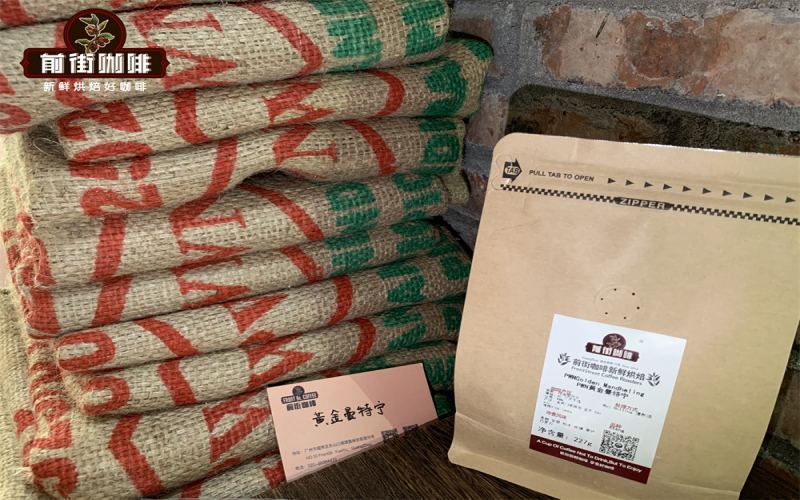
The Complete Guide to Pour-Over PWN Golden Mandheling: From the Ateng Variety to Wet-Hulled Flavor, Front Street Coffee Teaches You How to Brew a Rich, Full-Bodied Cup
The Golden Mandheling produced by Indonesia's PWN company is a classic in the hearts of dark roast coffee lovers. Why did its variety change from Typica to Ateng? And what kind of regional flavor does Sumatra's unique wet-hulling process give it? This article starts from the history of coffee cultivation in Indonesia, sorts out the brand origins of Golden Mandheling and PWN's strict screening standards, and includes Front Street Coffee's pour-over parameters and brewing steps. Whether you are a beginner just starting out or a veteran connoisseur looking for a rich, full-bodied taste, you can find practical reference here. [more…]
Mantenin Ateng Bean Analysis: From Typica to Catimor Evolution and Golden Mandheling Brewing Guide
Mandheling is a classic category familiar to coffee enthusiasts, but do you know what variety Ateng, used in the Golden Mandheling produced by PWN, actually is? It is actually the local Indonesian name for Catimor. This article will start with the history of coffee cultivation in Indonesia, tracing how Typica was replaced by the more disease-resistant Ateng and Tim Tim, and will explain in detail how Sumatra's unique wet-hulling process gives Mandheling its distinctive herbal and spicy notes. At the same time, the article will also cover the origins of Golden Mandheling and its connection to the Japanese market, as well as the pour-over parameters and tasting experience recommended by Front Street Coffee, helping you gain a comprehensive understanding of the background and brewing key points of this full-bodied coffee bean. [more…]
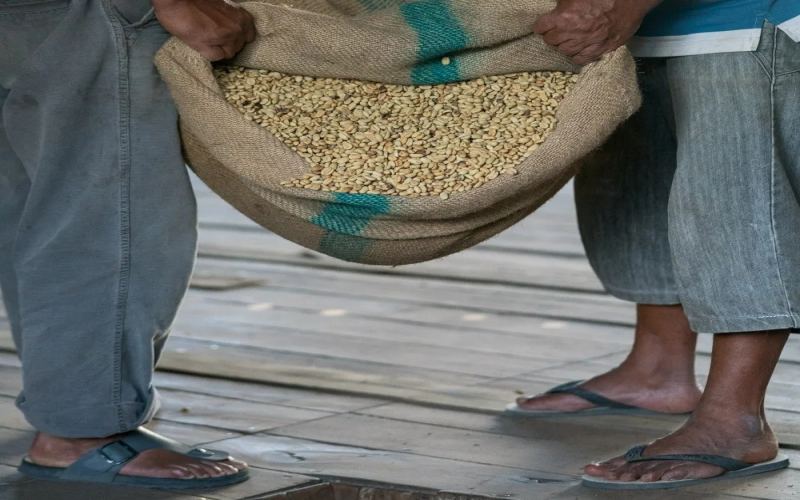
The Origin Story of Golden Mandheling Coffee | What Coffee Bean Variety Is Mandheling Ateng? Is PWN Golden Mandheling Suitable for Pour-Over Black Coffee?
The variety of Golden Mandheling coffee currently produced by PWN is Ateng, which is the local name used by Indonesian farmers; it is actually Catimor. Originally, the coffee variety grown locally in Indonesia was Typica, recognized for its excellent flavor, introduced to Java by the Dutch in the late 17th century, and [more…]
What Are the Sumatra Mandheling Coffee Varieties? A Complete Guide to Flavor and Origin from TimTim to Ateng
Arabica coffee beans produced on the island of Sumatra are collectively known as Mandheling coffee, but not every coffee on the island can claim this name. Mandheling is not a single variety, but a general term for Sumatran Arabica beans. The island mainly cultivates two varieties, TimTim and Ateng, and specialty Mandheling is mostly concentrated in the Gayo Mountain area of Aceh Province. Front Street Coffee's PWN Golden Mandheling is a prime example, undergoing strict screening and a medium-dark roast to present a rich flavor of nuts, caramel, and chocolate. This article will walk you through Mandheling's varietal origins, producing regions, grading standards, and brewing suggestions, helping you gain a more comprehensive understanding of this uniquely charactered coffee. [more…]
Indonesian Mandheling Coffee Beans: A Comprehensive Analysis from the Origin of the Mandailing People's Name to the PWN Golden Mandheling Variety and Producing Regions
Mandheling coffee beans are truly unique in the specialty coffee world—it is neither a region name nor a variety name, but originates from the Mandailing people on the island of Sumatra. This coffee from Indonesia has won over countless enthusiasts with its rich, solid body and deep flavors. This article will take you through the interesting story behind the name Mandheling, analyze the characteristics of the two main varieties Timtim and Ateng, explain how PWN defines authentic Golden Mandheling, and share Front Street Coffee's professional insights on roasting and brewing, so you can fully understand this legendary coffee bean. [more…]
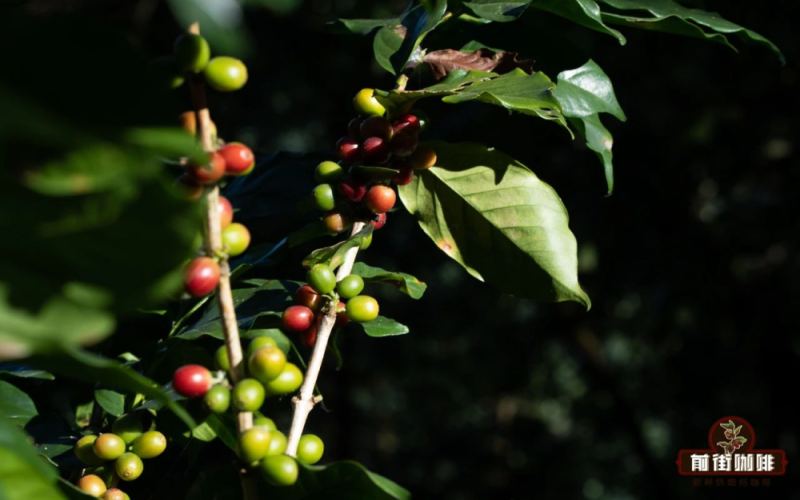
PWN Golden Mandheling Coffee Flavor Profile Analysis: A Full Overview of Indonesia Sumatra Origin, Ateng Variety, and Wet-Hulling Processing
Golden Mandheling is hailed as the crown jewel of Indonesian specialty coffee, but true Golden Mandheling comes exclusively from PWN. From the perspective of Front Street Coffee, this article systematically examines Golden Mandheling's growing conditions, varietal composition, processing methods, and roasting logic, with pour-over parameter recommendations included. It also covers PWN's historical origins, the dual impact of the wet-hulling process on flavor and defect rates, and why most Mandheling on the market is roasted to a medium-dark level. Whether you are a newcomer just discovering Mandheling or a seasoned enthusiast who prefers a full-bodied cup, you will find practical origin knowledge and brewing references here. [more…]
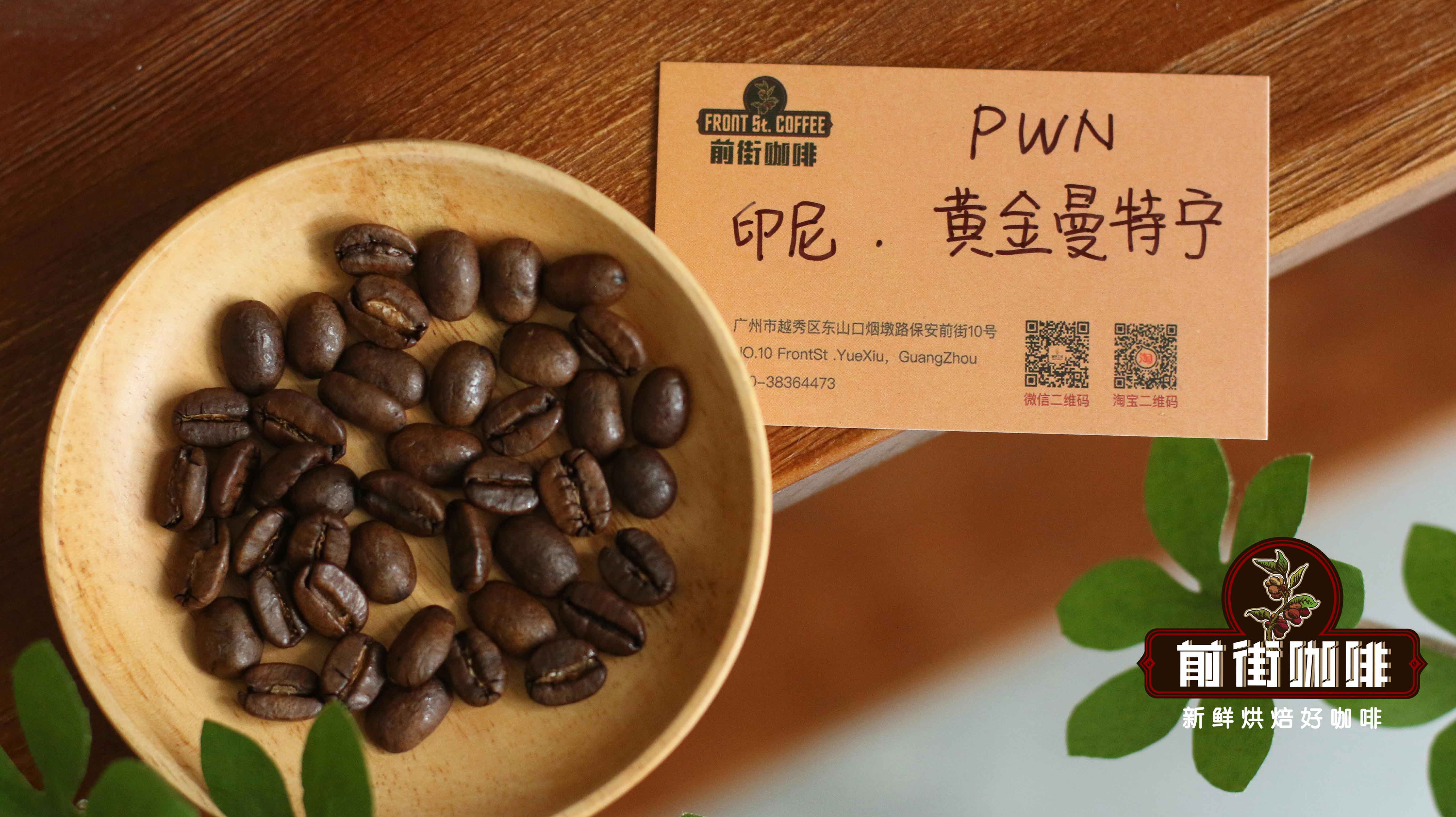
Mandehling Coffee Bean Variety Analysis: A Complete Guide to Golden Mandehling Pour-Over Parameters and Flavor Characteristics
There are many types of Mandheling coffee, and different names differ in bean variety, production region, and processing method. On Front Street Coffee's bean list, there are currently five Mandheling coffees, among which PWN Golden Mandheling uses the Ateng variety, while the other four are Typica. This article sorts out the core knowledge of Mandheling coffee one by one, from the origins of the variety, the PWN certification system, and the characteristics of the Aceh production region to the wet-hulling process, and also includes Front Street's standard pour-over recipe for Mandheling, including key parameters such as the Kono dripper, 88°C water temperature, and a 1:15 coffee-to-water ratio, helping coffee enthusiasts fully understand the flavor logic and brewing points of this classic Indonesian coffee. [more…]

Tracing the Origins of Sumatra Mandheling Coffee Beans: A Comparison of the Flavor Profiles of Lintong and Aceh Golden Mandheling Varieties
Mandheling is a collective term for Arabica coffee produced in northern Sumatra, Indonesia, but its name actually originates from the local Mandailing ethnic group rather than from a variety or producing region. Starting from its historical origins, this article reviews the Dutch East India Company's planting expansion in Indonesia and the origin of the name Mandheling, and provides an in-depth analysis of the flavor differences between Sumatra's two main cultivated varieties, Timtim and Ateng. It also introduces the characteristics of the Lintong producing region and the PWN Golden Mandheling from Mount Gayo in Aceh, the influence of the wet-hulling process on its herbal and spicy tonality, and the brewing parameters and flavor performance recommended by Front Street Coffee, helping coffee lovers gain a comprehensive understanding of this low-acid, full-bodied Indonesian representative coffee. [more…]
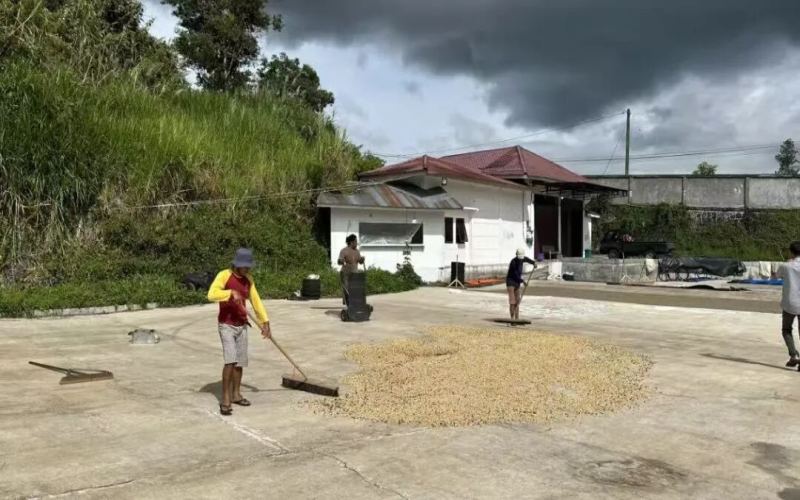
PWN Golden Mandheling Coffee | What factors influence Indonesian coffee flavor? What is the wet-hulling process for Mandheling coffee?
When it comes to impressions of Mandheling coffee, Front Street Coffee believes that beyond its rich, mellow body and steady roasted aroma, people also associate it with a unique "Mandheling flavor"—herbal notes. The herbal taste of Mandheling refers more to aromas reminiscent of herbs, earth, and wood, which emerge after the mellow fragrance, uniquely [more…]
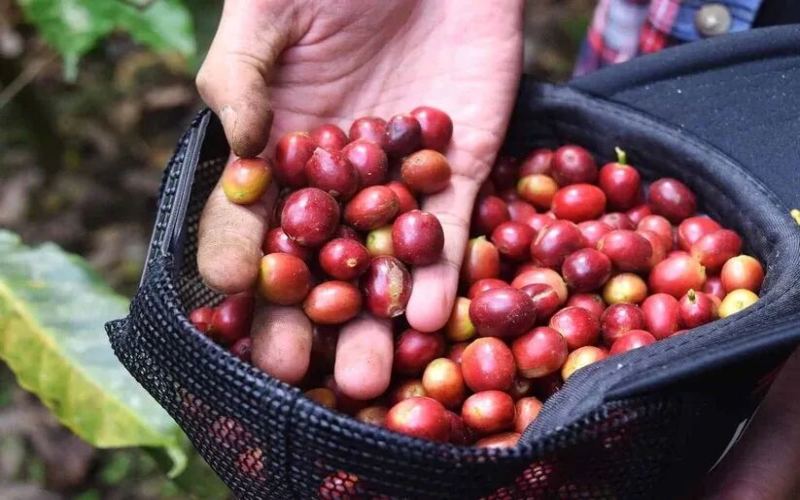
Asian Coffee Beans | Which regions in Indonesia produce coffee? Where does Mandheling come from? How do you brew Golden Mandheling coffee to make it taste best?
Speaking of impressions of Mandheling coffee, Front Street Coffee believes that in addition to its rich body and steady roasted aroma, everyone will also associate it with a unique "Mandheling flavor"—herbal notes. The herbal flavor of Mandheling refers more to aromas with tones similar to herbs, earth, and wood, which emerge after the rich fragrance, uniquely [more…]
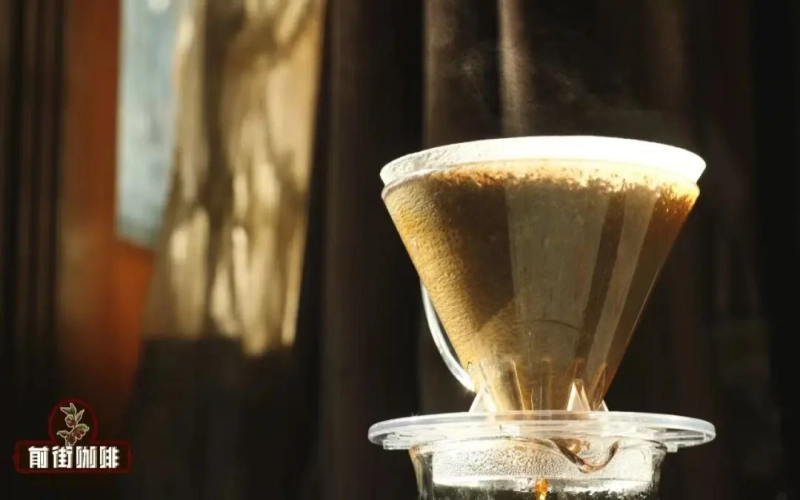
Mandheling Coffee Grade Analysis: Differences Between Golden Mandheling and Regular Versions, Sources of Herbal Flavors, and the Impact of Wet-Hulling
Mandheling coffee has always been known for its distinctive herbal, earthy, and woody notes—a flavor profile that draws enthusiasts in droves while driving others away. In recent years, many coffee lovers have noticed that Mandheling's herbal character seems to have become milder. What exactly lies behind this shift in variety, origin, and processing methods? This article will take an in-depth look at the causes of Mandheling's herbal flavor, compare the differences between Golden Mandheling and regular Mandheling in terms of variety selection, processing methods, and screening standards, and reveal how the wet-hulling process affects the final flavor in the cup. At the same time, we will also introduce the PWN Golden Mandheling recommended by Front Street Coffee, giving you a look at what makes truly high-quality Mandheling so captivating. [more…]
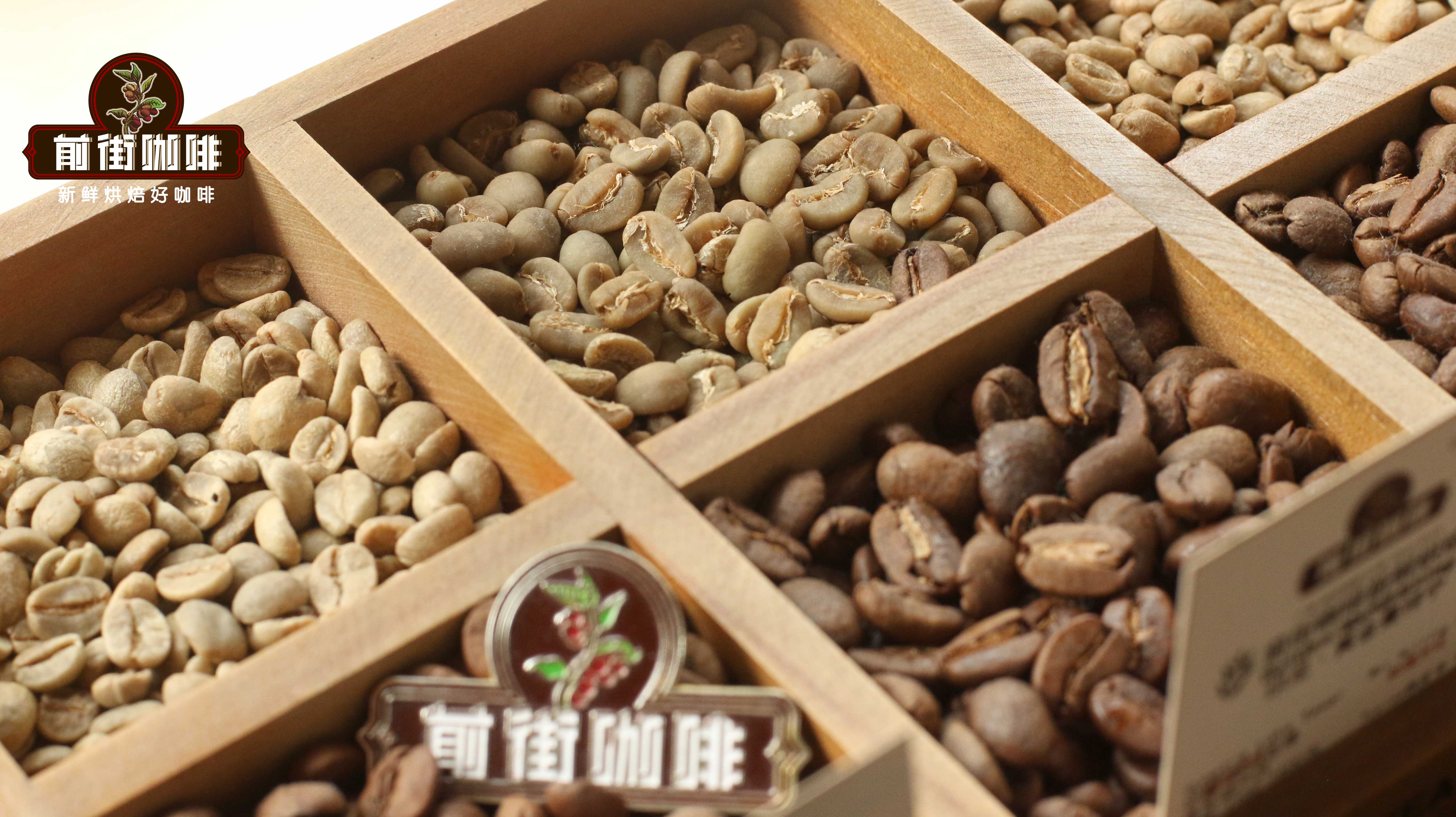
Indonesia Sumatra Aceh Gayo Mountain Yellow Mandheling Coffee: Variety, Wet-Hulled Processing, and Front Street Mandheling Flavor Analysis
Asian coffee ranks second in global production, and its flavors often feature a heavy body, with acidity less bright than that of African or Central and South American beans, often accompanied by woody, herbal, spicy, and earthy notes. Sumatra Mandheling from Indonesia is a typical representative of this style. This article focuses on the Gayo Highlands production area in Aceh, outlining the origin of the name Mandheling, Indonesia's coffee-growing conditions, the evolution of varieties such as Typica and Ateng, and how the region's unique wet-hulling process shapes a low-acid, thick "taste of place." It also introduces Front Street Coffee's Lintong Mandheling, PWN Golden Mandheling, and Tiger Mandheling, along with brewing parameters and flavor descriptions, to help coffee enthusiasts understand this bean more systematically. [more…]