







Search Results for: Timtim
What Are the Sumatra Mandheling Coffee Varieties? A Complete Guide to Flavor and Origin from TimTim to Ateng
Arabica coffee beans produced on the island of Sumatra are collectively known as Mandheling coffee, but not every coffee on the island can claim this name. Mandheling is not a single variety, but a general term for Sumatran Arabica beans. The island mainly cultivates two varieties, TimTim and Ateng, and specialty Mandheling is mostly concentrated in the Gayo Mountain area of Aceh Province. Front Street Coffee's PWN Golden Mandheling is a prime example, undergoing strict screening and a medium-dark roast to present a rich flavor of nuts, caramel, and chocolate. This article will walk you through Mandheling's varietal origins, producing regions, grading standards, and brewing suggestions, helping you gain a more comprehensive understanding of this uniquely charactered coffee. [more…]
Indonesian Mandheling Coffee Beans: A Comprehensive Analysis from the Origin of the Mandailing People's Name to the PWN Golden Mandheling Variety and Producing Regions
Mandheling coffee beans are truly unique in the specialty coffee world—it is neither a region name nor a variety name, but originates from the Mandailing people on the island of Sumatra. This coffee from Indonesia has won over countless enthusiasts with its rich, solid body and deep flavors. This article will take you through the interesting story behind the name Mandheling, analyze the characteristics of the two main varieties Timtim and Ateng, explain how PWN defines authentic Golden Mandheling, and share Front Street Coffee's professional insights on roasting and brewing, so you can fully understand this legendary coffee bean. [more…]

Tracing the Origins of Sumatra Mandheling Coffee Beans: A Comparison of the Flavor Profiles of Lintong and Aceh Golden Mandheling Varieties
Mandheling is a collective term for Arabica coffee produced in northern Sumatra, Indonesia, but its name actually originates from the local Mandailing ethnic group rather than from a variety or producing region. Starting from its historical origins, this article reviews the Dutch East India Company's planting expansion in Indonesia and the origin of the name Mandheling, and provides an in-depth analysis of the flavor differences between Sumatra's two main cultivated varieties, Timtim and Ateng. It also introduces the characteristics of the Lintong producing region and the PWN Golden Mandheling from Mount Gayo in Aceh, the influence of the wet-hulling process on its herbal and spicy tonality, and the brewing parameters and flavor performance recommended by Front Street Coffee, helping coffee lovers gain a comprehensive understanding of this low-acid, full-bodied Indonesian representative coffee. [more…]
What Does Sumatra Mandheling G1 Triple-Picked Mean? A Comprehensive Analysis of Drinking and Brewing Indonesian Coffee
Many people equate "bitter" with "burnt" because of the dark-roasted coffee from chain stores, but a high-quality, properly roasted Mandheling is not like that at all. This article explains, one by one, the origin of the name Mandheling, the environment of the Sumatra producing region, the unique wet-hulling process, the differences between the Ateng and TimTim varieties, and the three-times hand-sorting standard for G1 grade. It also shares Front Street Coffee's roasting approach, brewing parameters, and flavor performance for Mandheling, helping you rediscover this classic coffee and find a way of drinking it that suits you. [more…]
What Does Indonesia Mandheling G1 Grade Mean? A Full Analysis of Sumatra Coffee Flavor and Wet-Hulling Processing
Many people's impression of dark-roasted coffee stops at charred bitterness and intensity, but truly high-quality Mandheling is actually nothing like that. It comes from the island of Sumatra in Indonesia and, thanks to its unique wet-hulling process and rich, solid body, has become an irreplaceable classic in the world of coffee. This article will walk you through the origin of the name Mandheling, its main growing regions, the reasons behind and characteristics of the wet-hulling process, and the influence of the two major varieties, TimTim and Ateng, on flavor. It will also explain what the G1 grade means, and introduce the differences between the Lintong Mandheling and PWN Golden Mandheling sold by Front Street Coffee, along with roasting approaches and brewing suggestions, to help you gain a comprehensive understanding of this steady and profound coffee. [more…]
Where Does the Herbal Aroma of Sumatra Mandheling Come From? A Full Analysis of the Flavor Origins of Lintong
In Front Street Coffee's product line, the darkest roast is undoubtedly Indonesian Mandheling. Its distinctive spicy character, layered with herbal, caramel, and cocoa notes, has captivated many coffee enthusiasts. So how exactly is the signature herbal flavor in Mandheling formed? This article will analyze it from three perspectives: growing environment, coffee variety, and processing method. The name Mandheling actually originates from a local ethnic minority in Sumatra, and was later mistakenly adopted as a coffee name that persists to this day, now almost synonymous with Sumatran coffee. The producing regions are mainly concentrated around Mount Gayo and Lake Tawar in Aceh, as well as around Lake Toba in North Sumatra Province—commonly referred to as the "two lakes, two Mandhelings." [more…]
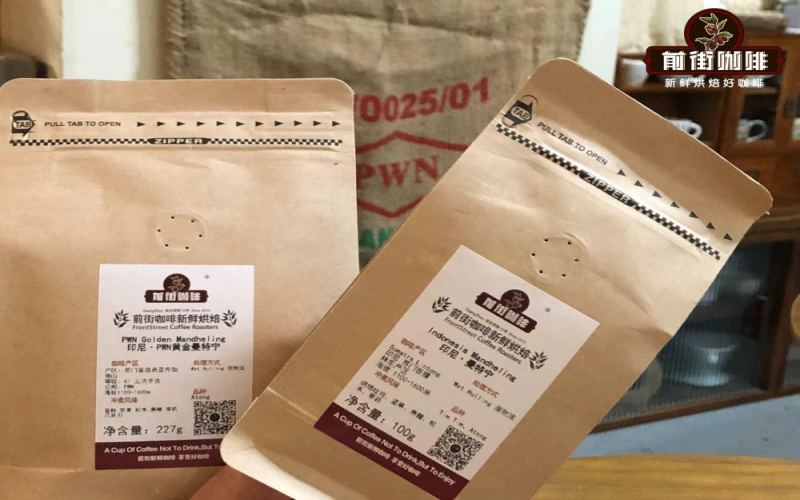
Exploring the Rich Mystery of the Two Lakes and Double Man: An In-Depth Analysis of the Herbal Flavor Origins of Indonesian Mandheling
Mandheling coffee is famous for its rich, intense flavor and distinctive herbal, spicy aroma, and the darkest-roasted bean on Front Street Coffee's menu is precisely this one from Indonesia. Many enthusiasts are curious: where exactly does this signature herbal flavor come from? This article will break down, one by one, the logic behind the rich flavor of the "Two Lakes, Two Man" blend—from Sumatra's growing environment, the evolution of coffee varieties, the wet-hulling process born of the tropical climate, and the way Front Street Coffee's Lintong Mandheling is presented—guiding you to a deeper understanding of the terroir and craft codes behind this classic coffee. [more…]
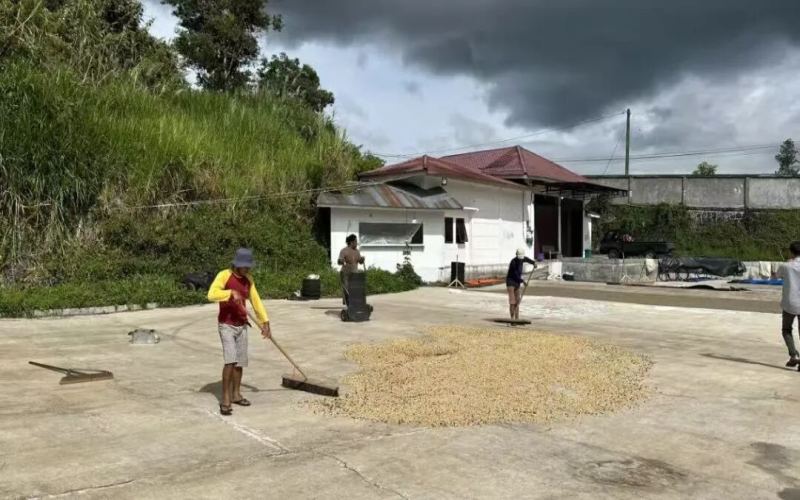
PWN Golden Mandheling Coffee | What factors influence Indonesian coffee flavor? What is the wet-hulling process for Mandheling coffee?
When it comes to impressions of Mandheling coffee, Front Street Coffee believes that beyond its rich, mellow body and steady roasted aroma, people also associate it with a unique "Mandheling flavor"—herbal notes. The herbal taste of Mandheling refers more to aromas reminiscent of herbs, earth, and wood, which emerge after the mellow fragrance, uniquely [more…]
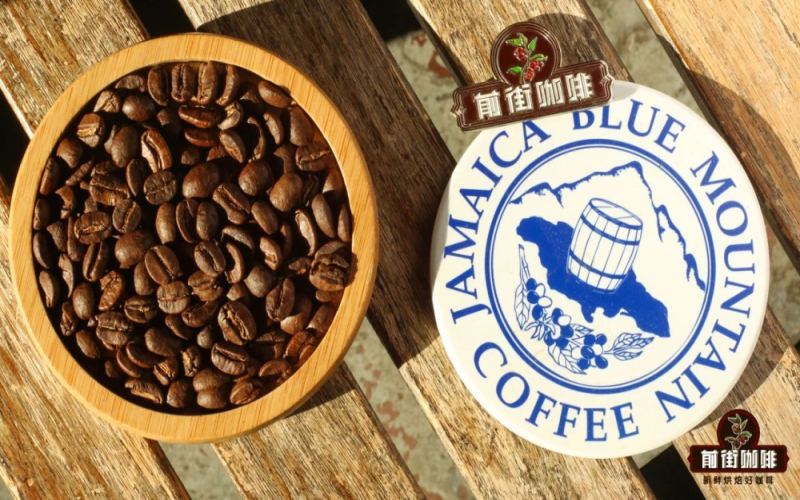
Blue Mountain Coffee vs. Mandheling Coffee: A Comprehensive Comparison from Origin and Processing to Brewing Flavor
Blue Mountain and Mandheling are two full-bodied coffees that are often mentioned in the same breath, yet each has a distinct personality in terms of origin terroir, varietal genetics, green bean processing, and cup profile. From the perspective of Front Street Coffee, this article sorts out the core differences between Jamaican Blue Mountain and Indonesian Golden Mandheling in geographic environment, washed and wet-hulled processing, and green bean grading, and includes a flavor comparison under the same set of pour-over parameters to help coffee lovers more clearly understand the unique characteristics and brewing key points of these two beans. [more…]
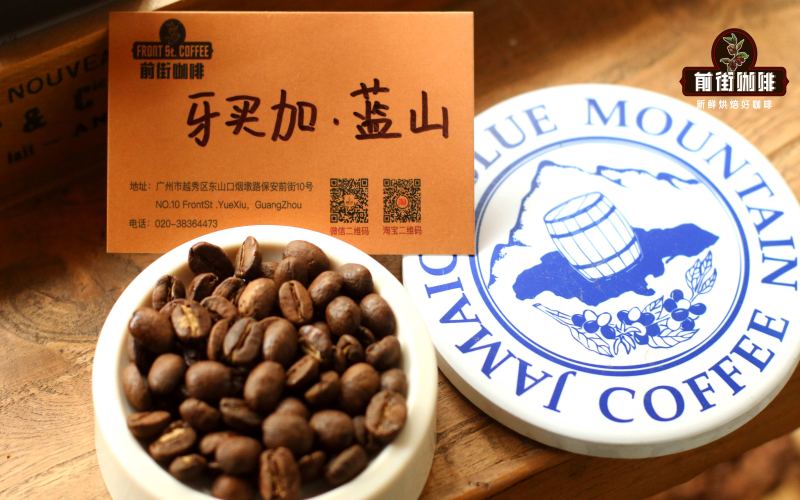
Comprehensive Comparison of Mandheling and Blue Mountain Coffee: Origin, Flavor, Processing Methods, and Front Street Brewing Analysis
When searching for coffee with a rich, full-bodied taste, Mandheling and Blue Mountain are often two names that cannot be avoided. Although many enthusiasts have long heard of them, the specific differences between the two are not necessarily clear. Front Street Coffee frequently receives similar questions, so this article will systematically sort out the differences between Jamaican Blue Mountain coffee and Indonesian Golden Mandheling from multiple dimensions, including geographical origin, processing methods, green bean characteristics, cup testing flavor, and brewing performance. Whether you are a beginner who has just started or a veteran who wants to understand the characteristics of the bean varieties in depth, you can find the answer through this detailed comparison, and you will also see Front Street brand's specific recommendations and brewing parameters for these two classic beans. [more…]
Mandheling Coffee Grade Analysis: Differences Between Golden Mandheling and Regular Versions, Sources of Herbal Flavors, and the Impact of Wet-Hulling
Mandheling coffee has always been known for its distinctive herbal, earthy, and woody notes—a flavor profile that draws enthusiasts in droves while driving others away. In recent years, many coffee lovers have noticed that Mandheling's herbal character seems to have become milder. What exactly lies behind this shift in variety, origin, and processing methods? This article will take an in-depth look at the causes of Mandheling's herbal flavor, compare the differences between Golden Mandheling and regular Mandheling in terms of variety selection, processing methods, and screening standards, and reveal how the wet-hulling process affects the final flavor in the cup. At the same time, we will also introduce the PWN Golden Mandheling recommended by Front Street Coffee, giving you a look at what makes truly high-quality Mandheling so captivating. [more…]
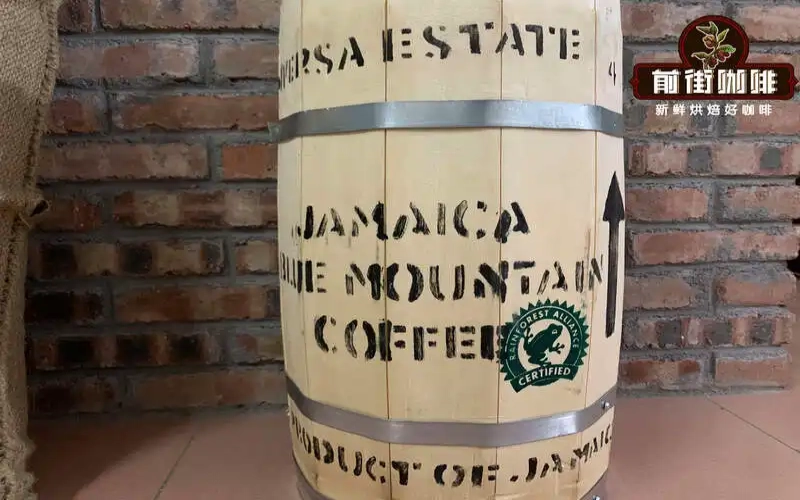
Comparison of Jamaican Blue Mountain and Indonesian Golden Mandheling: Differences in Origin, Variety, Processing Method, Cupping, and Brewing
When people seek coffee with a rich, full-bodied taste, Blue Mountain and Mandheling are often the first two names that come to mind. These two beans come from Jamaica and Indonesia respectively, each with a distinct character. Front Street Coffee conducted a complete comparison of Blue Mountain No. 1 and PWN Golden Mandheling, covering everything from origin terroir, variety characteristics, green bean grading, and processing methods to cupping flavors and brewing performance. The article not only sorts out the geographical background and processing technique differences of the two coffee regions, but also includes the specific parameters and brewing suggestions of Front Street's currently available products, making it suitable for enthusiasts who want to gain a deeper understanding of these two classic coffees. [more…]
Indonesia Mandheling Star Coffee Bean Origin and Pour-Over Method | Front Street Coffee Flavor and Wet-Hulling Process Detailed Explanation
Indonesian Mandheling is known for its low acidity, intense body, and full, robust mouthfeel. Front Street Indonesian Mandheling in particular combines aroma, intensity, body, and bitterness all in one—those who like it treasure it like a gem, while those who don't think it tastes like drinking Chinese herbal medicine. This article begins with the history of Indonesian coffee, tracing the introduction of Arabica during the Dutch colonial period, the rise of Robusta after leaf rust disease, and today's industry structure dominated by smallholder farming; it then goes deeper into producing regions such as Sumatra and Bali, explaining Mandheling's growing environment and variety names like TimTim and Ateng; it focuses on analyzing why the wet-hulling process creates Mandheling's unique low acidity and subdued aroma, and provides Front Street Mandheling's pour-over parameters and staged extraction steps. [more…]
Indonesian Mandheling Coffee Bean Flavor and Taste Analysis: Is Front Street Golden Mandheling Pour-Over Good?
Mandheling coffee holds an iconic status among Indonesian specialty coffees, yet it is neither a region name nor a variety name—it derives from the name of the indigenous Mandheling people of Sumatra. This article will sort out the definition and origin of Mandheling, analyze the genetic background of Sumatra's two major Arabica lines, Ateng and Timtim, and focus on the Front Street Gold Mandheling coffee beans recommended by Front Street Coffee—produced by PWN and reaching G1 grade through one machine sorting plus three rounds of hand sorting. It also shares Front Street's complete brewing parameters and staged extraction technique for Gold Mandheling, letting you experience its mellow, clean layering of nutty caramel interwoven with chocolate. [more…]
Indonesian Lintong Mandheling Coffee Flavor Analysis: Golden Mandheling Taste Characteristics and Brewing Key Points
As a representative coffee from the Sumatra region of Indonesia, Mandheling has secured its place in the specialty coffee wave with its rich, full-bodied taste and unique herbal flavors. This article focuses on Lintong Mandheling and PWN Golden Mandheling, outlining their varietal origins, wet-hulling process, grade distinctions, and flavor differences, while also sharing Front Street Coffee's roasting approach and brewing recommendations. Whether you prefer bright floral and fruity notes or a deep, full-bodied profile, you'll find a complete guide to understanding Mandheling here. [more…]
A Complete Guide to Sumatra Mandheling Coffee Flavor: From Origin and Variety to Wet-Hulling and Pour-Over Parameters
Mandheling coffee has always been known for its full-bodied richness, and many enthusiasts call it the gentleman of coffees. Where exactly does its flavor come from? This article traces the journey from the growing conditions of Sumatra, Indonesia, to the coffee varieties, the wet-hulling process, and all the way to roasting and pour-over details, explaining why Mandheling presents herbal, woody, spicy, and dark-chocolate-like notes, and also addressing whether it actually tastes bitter. The article also draws on two Mandheling coffees sold by Front Street Coffee—a Lintong region everyday drinking bean and PWN Golden Mandheling—to offer targeted brewing suggestions and flavor descriptions, helping you brew a full, clean, sweet-finishing cup at home. [more…]

Indonesian Sumatra Mandheling Coffee Flavor Analysis: How Wet-Hulling and Medium-Dark Roasting Create a Full-Bodied Taste
Mandheling coffee is the representative Arabica bean produced on the Indonesian island of Sumatra, known for its full-bodied richness and herbal, spicy aroma. Starting from the variety's genetics, the low-altitude growing environment, and the unique wet-hulling process, this article analyzes the reasons behind the formation of Mandheling's flavor, and introduces the differences between Front Street Coffee's two Mandheling products—Lintong Mandheling and PWN Golden Mandheling. Finally, it provides brewing parameters for medium-dark roasted beans and a three-stage pouring scheme to help coffee enthusiasts recreate a cup of full-bodied, sweet Sumatran coffee at home. [more…]
How much does a cup of Indonesian PWN Golden Mandheling coffee cost? Price and brand buying guide
Golden Mandheling sounds noble, but in fact it is affordably priced—the PWN Golden Mandheling sold by Front Street Coffee costs only 89 yuan/227g, which works out to a low cost per cup. But exactly how does it differ from ordinary Mandheling? Why can only the one produced by PWN be called "Golden Mandheling"? This article, from the origin of the name Mandheling, its producing region and variety, to PWN's strict screening and wet-hulling process, and then to Front Street's roasting and brewing suggestions, gives you a complete overview of this Indonesian specialty bean's background and flavor characteristics, helping coffee lovers see the true value of Golden Mandheling. [more…]
A Complete Guide to Sumatra Mandheling Coffee Bean Varieties, Pour-Over Extraction Temperature Parameters, and Flavor Characteristics
Mandheling is a classic name that coffee enthusiasts cannot avoid; it is neither a variety nor a producing region, but the name of an ethnic minority from the northern highlands of Sumatra. This article begins with the origin of the name Mandheling and the geography of the Sumatra producing region, sorts out the differences among sub-regions such as Lintong, Lake Toba, Lake Tawar, and the Gayo Mountains, explains how the wet-hulling process creates the signature goat-foot bean appearance, and clarifies the actual meanings of the Indonesian coffee varieties TimTim and Ateng. The article also fully shares Front Street Coffee's pour-over parameter system, covering water temperature, grind size calibration, coffee-to-water ratio selection, and the three-stage pouring steps. Finally, it summarizes the flavor profiles of Golden Mandheling and Lintong Mandheling, making it suitable reading for coffee enthusiasts who want a systematic understanding of Mandheling. [more…]
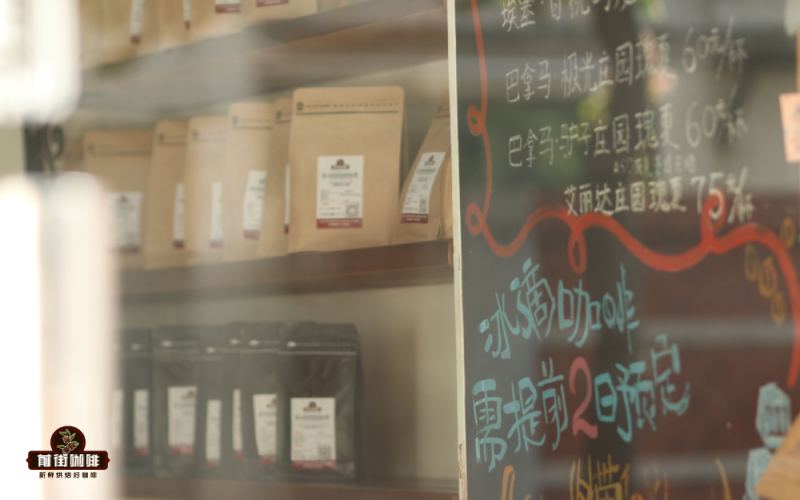
A Guide to Identifying Golden Mandheling: Starting from Variety and Origin to Understand Its Difference from Regular Mandheling
Mandheling coffee stands out in the coffee world with its heavy, solid body, and Golden Mandheling is among the most sought-after of them all. But beans marketed under the name "Golden Mandheling" keep popping up on the market—what kind of Mandheling actually deserves this title? Is the difference between it and ordinary Mandheling just the name? This article, from the perspective of Front Street Coffee, sorts through the varietal origins of Mandheling, the characteristics of the Sumatra producing region, the wet-hulling process, and PWN's strict screening standards for Golden Mandheling, helping coffee lovers build a clear framework for identifying it. It also includes Front Street's recommended brewing parameters and techniques, so that when you get a good bag of beans, you can brew a cup of Mandheling that is rich, clean, and layered. [more…]