







What Makes Mandheling Coffee From Sumatra Distinct?
Mandheling is neither a coffee variety nor a place name. It refers to an ethnic group on Sumatra. The story goes that during World War II a Japanese military officer asked a café owner what the coffee was called, and the owner, thinking the question was about his origins, answered "Mandheling." The officer brought the coffee back to Japan and the name stayed.
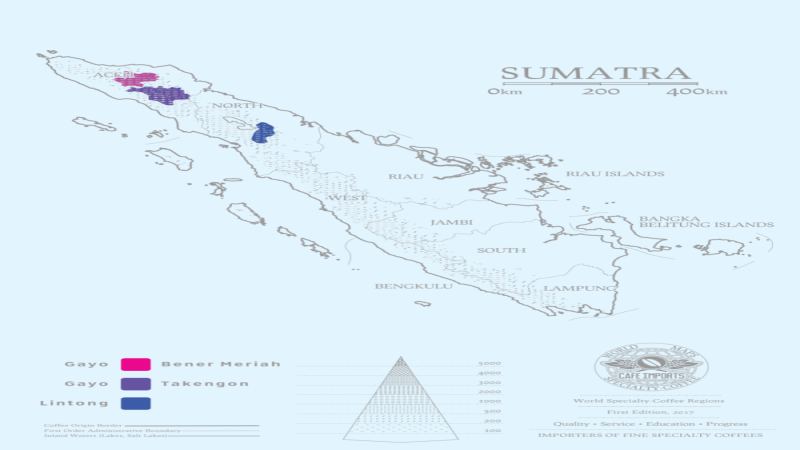
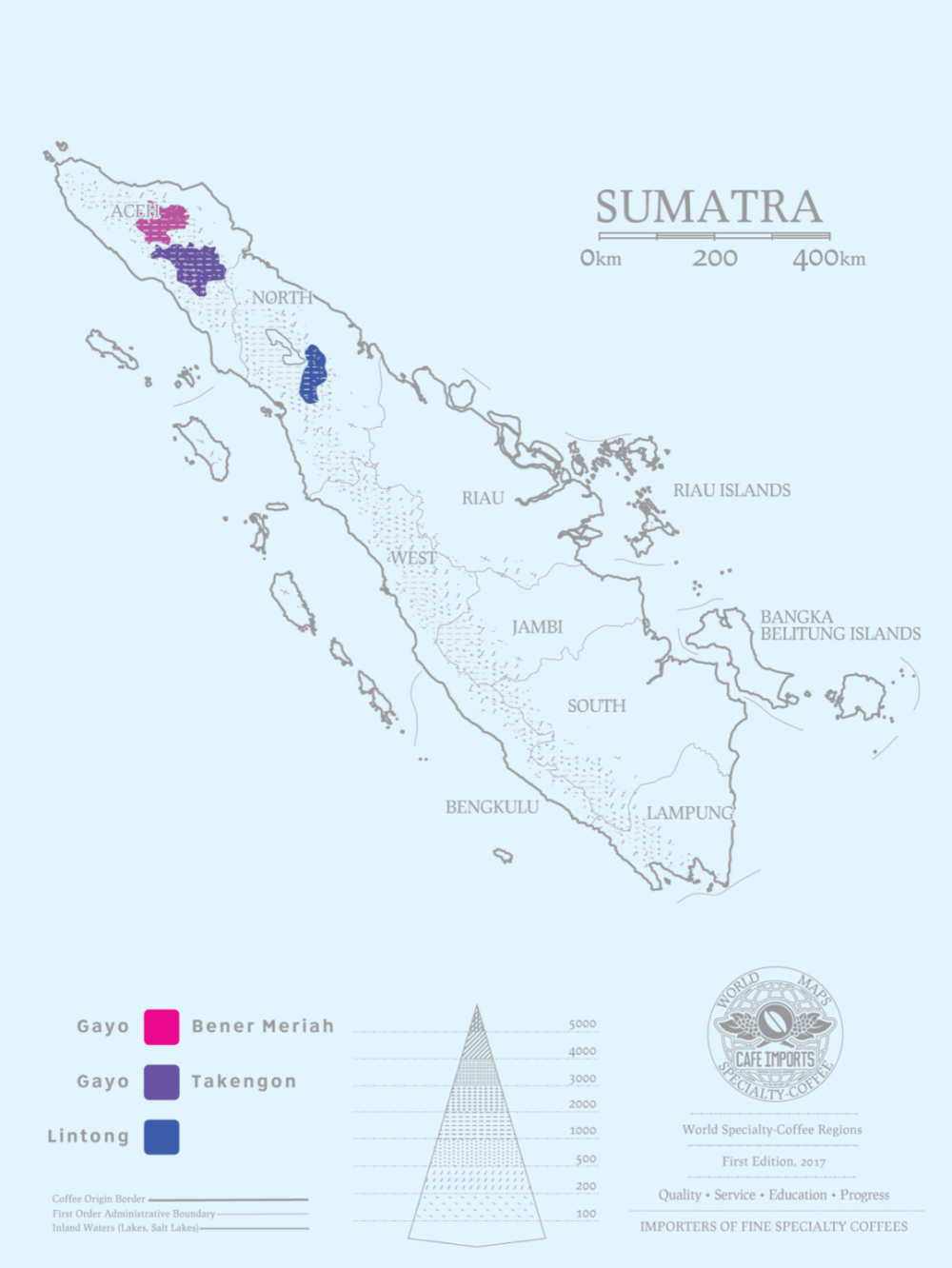
Sumatra has three main coffee-producing regions: Aceh Province in the north, the Lake Toba area, and Mangkuraja in the south. Coffee there grows at 1,100 to 1,600 meters and is harvested from September to December. The article also covers the Ateng variety and Indonesia's wet-hulling process, plus two representative lots such as Lintong Mandheling and golden mandheling coffee.
Indonesia is the world's largest archipelagic country, spanning Asia and Oceania with 17,508 islands, numerous volcanoes, and abundant resources. Thanks to its geographic advantage of being crossed by the equator, it enjoys an extremely suitable environment for coffee cultivation. Islands such as Sulawesi, Java, Bali, and Sumatra all produce coffee, with Sumatra being world-renowned for Mandheling. This article will guide you through Sumatra's three main coffee-producing regions, the interesting story behind the name Mandheling, the true identity of the Ateng variety, and Indonesia's signature wet hulling process, while also introducing two of Front Street Coffee's representative Mandheling coffees—Lintong Mandheling and PWM Golden Mandheling.
Indonesia is located in Southeast Asia, bordering Papua New Guinea, East Timor, and Malaysia. Comprising 17,508 islands, it is the world's largest archipelagic nation, straddling Asia and Oceania with volcanoes widely distributed across its territory.
Indonesia is richly endowed with natural resources. As the world's largest archipelagic country, it consists of 17,508 islands of varying sizes between the Pacific and Indian Oceans. Because the equator runs through the country, Indonesia enjoys exceptionally favorable natural conditions for coffee cultivation. Currently, several islands in Indonesia are growing coffee, such as Sulawesi, Java, Bali, and Sumatra. Among them, Sumatra has gained widespread fame for its Mandheling coffee.
Sumatra has three main coffee-producing regions: Aceh Province in the north, the Lake Toba area slightly to the south, and the Mangkuraja region in the south. Coffee in these regions is grown at elevations between 1,100 and 1,600 meters, with the harvest season running from September to December each year.
Lintong Mandheling
In the past, coffee was often sold under the name "Sumatera Mandheling." However, Mandheling is neither a coffee variety nor a place name—it is an ethnic group on the island. During World War II, a Japanese military officer drank a delicious cup of coffee in a café in Indonesia and asked the owner what the coffee was called. The owner, mistaking the question for an inquiry about where he was from, replied "Mandheling." The officer later brought this coffee back to Japan, and the name Mandheling has been used ever since. Today, Front Street Coffee's entry-level selection Mandheling comes from Mandheling coffee beans in Sumatra's Lintong region. Processed with the wet hulling method and brewed with a V60 at a 1:15 ratio, it presents flavors of dark chocolate, herbs, and caramel with a sweet finish.
PWM Golden Mandheling
PWM is the abbreviation of Pwani Coffee Company, a well-known Indonesian green bean trader. The name "Golden Mandheling" has long been registered as a trademark by PWM, so only Mandheling produced by this company qualifies as true Golden Mandheling coffee beans. Currently, Front Street Coffee's PWM Golden Mandheling originates from the Gayo Mountain in Aceh, North Sumatra. This bean is also processed with the wet hulling method and brewed with a V60 at a 1:15 ratio, revealing flavors of toasted bread, pine, cocoa, and slight herbal notes. The body is clean and balanced, with a caramel-like sweetness in the finish.
The Ateng Coffee Variety
Both of the aforementioned coffee beans are of the Ateng variety. Many people mistakenly believe it is a new variety, but in fact it is simply Catimor. "Ateng" is merely the local Indonesian name for it, just as Indonesians call TimTim "Timor Hybrid."
Wet Hulling
Wet hulling, also known as wet shelling, is called Giling Basah locally and is a traditional Indonesian coffee processing method. Because the local weather is predominantly rainy with frequent typhoons and year-round humidity, it is difficult to meet the drying conditions required for natural processing, so coffee farmers turned to the wet hulling method. Wet hulling first involves washing-style fermentation, followed by partial drying, then mechanical removal of the parchment for final drying, after which the coffee beans enter storage. Although the name wet hulling sounds quite similar to the wet process (i.e., washed process), the resulting flavors are completely different—coffee processed with wet hulling tends to be rich and intense with a particularly distinctive character.
The above content is compiled by CoffeeHunters, a coffee news website.


