







Currently, PWN producesGolden Mandheling coffeeof the Ateng variety, which is the local name used by Indonesian coffee farmers; it is actually Catimor. The original coffee variety grown locally in Indonesia was the universally recognized superior-flavored Typica, introduced to Java by the Dutch in the late 17th century, known in Indonesia as Bergendal or Sidikalang. So why did it change from Typica to the current Catimor?
The Development of Coffee Cultivation in Indonesia
The beginning of Indonesian coffee dates back to the late 17th century, when the Dutch captured Jakarta on Java and made it the headquarters of the Dutch East India Company in the East. The Dutch successively introduced two batches of Typica seedlings from India to Java for breeding. Until the 1870s, coffee-growing areas had been established in Sumatra, Bali, Sulawesi, and Timor in Indonesia, and soon expanded from Java to the entire Indonesian archipelago. However, the good times did not last. In 1869, the sudden outbreak of coffee leaf rust swept through coffee-growing regions in Asia, including Indonesia, and large areas of local Typica trees withered.
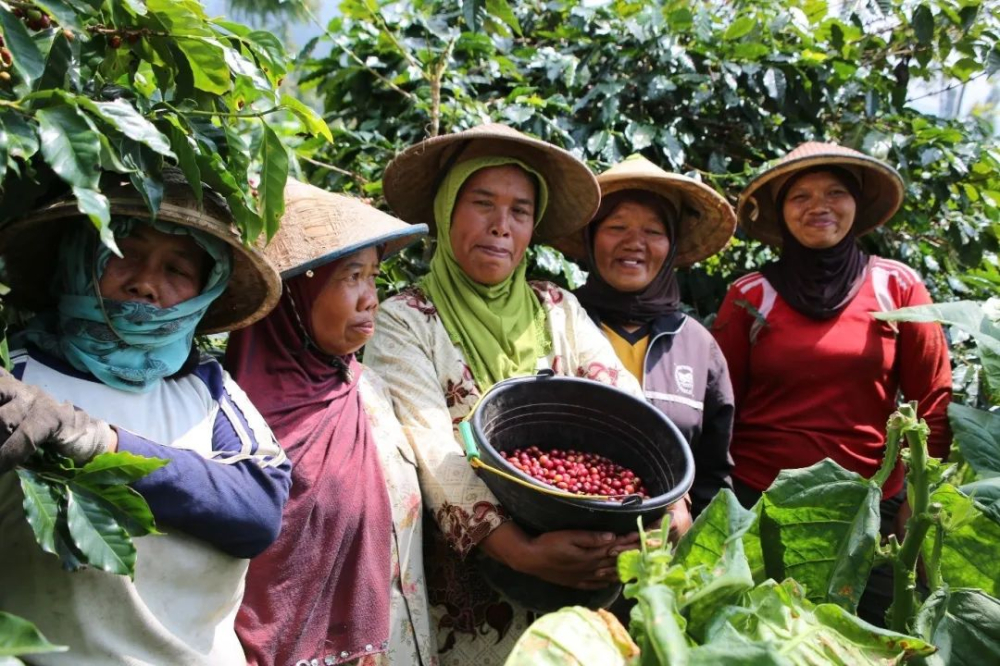
To save the devastated coffee plantations, the Indonesian government introduced more disease-resistant Robusta varieties from Africa and elsewhere, and Robusta remains Indonesia's main variety to this day. To ensure plant survival rates and increase coffee yields, Indonesia continued to introduce various disease-resistant varieties from other countries. Among them, the hybrid varieties of Robusta and Arabica—Tim Tim, Bor Bor, and the Catimor series Ateng—due to their excellent disease resistance, high yields, and adaptation to Sumatra's terroir, presented a unique cedar-herbal aroma. Soon Ateng and Tim Tim gradually replaced the original Typica and became the main varieties in Sumatra and other regions, accounting for 70% of Sumatra's total coffee production.
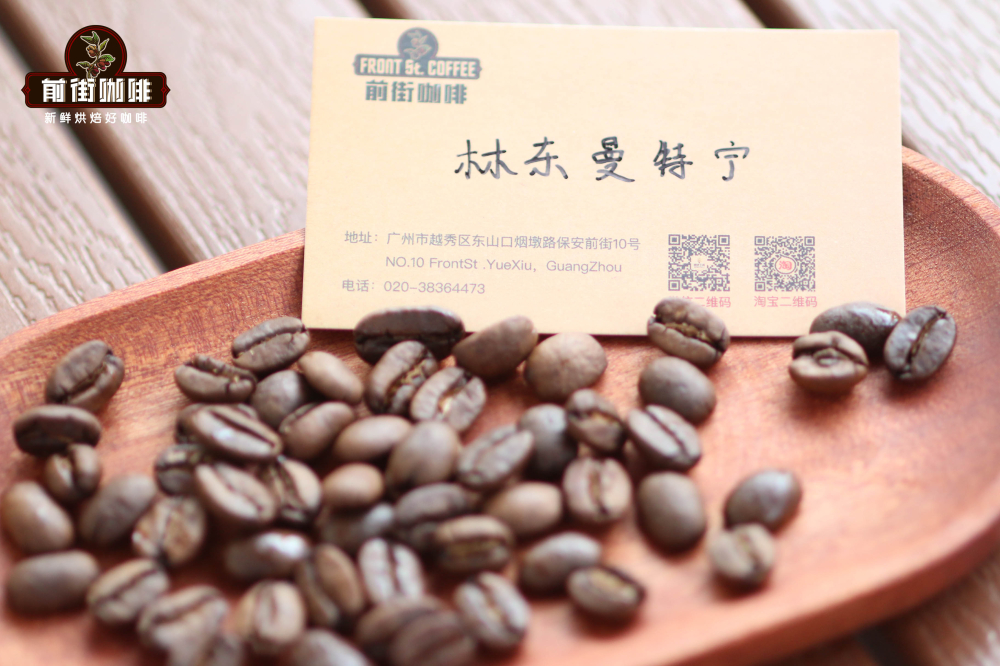
Front Street Indonesian Lintong Mandheling Coffee Everyday Beansis a blend of Tim Tim and Ateng, processed using Indonesia's common wet-hulling method, presenting a rich coffee bitterness with very slight acidity, carrying herbal and spice notes. It tastes mellow and substantial, making it a highly recognizable coffee.
Sumatra-Style Semi-Washed Method — Wet-Hulling
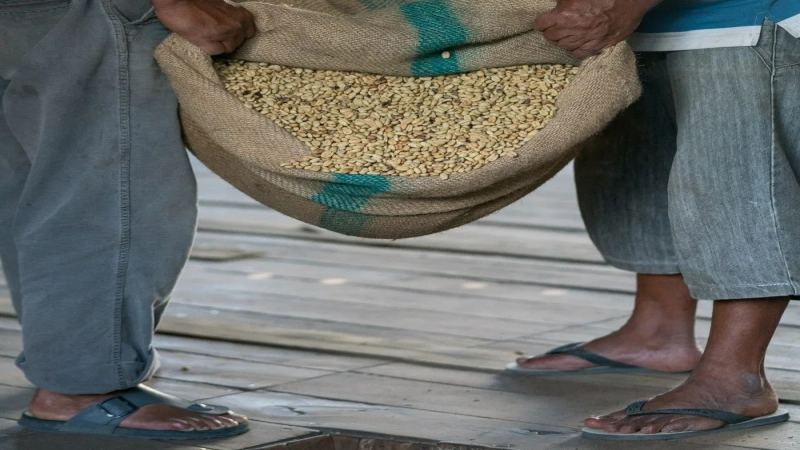
Indonesia's year-round humidity is 70%–90%. If washed processing were used for coffee, the green beans would mold and deteriorate in the humid air before fully drying. So they developed a semi-washed method that greatly shortens processing time — wet-hulling. The steps before wet-hulling are the same as the washed method. Indonesians first remove the pulp from the coffee cherries, ferment them in water for 3 hours, wash off the mucilage, then dry the parchment-covered green beans for 2-3 days. When the moisture content is 20-24% — a semi-soft, semi-hard state — the parchment is removed from the beans, and drying continues until the coffee's moisture content reaches 13%, at which point it can be bagged.
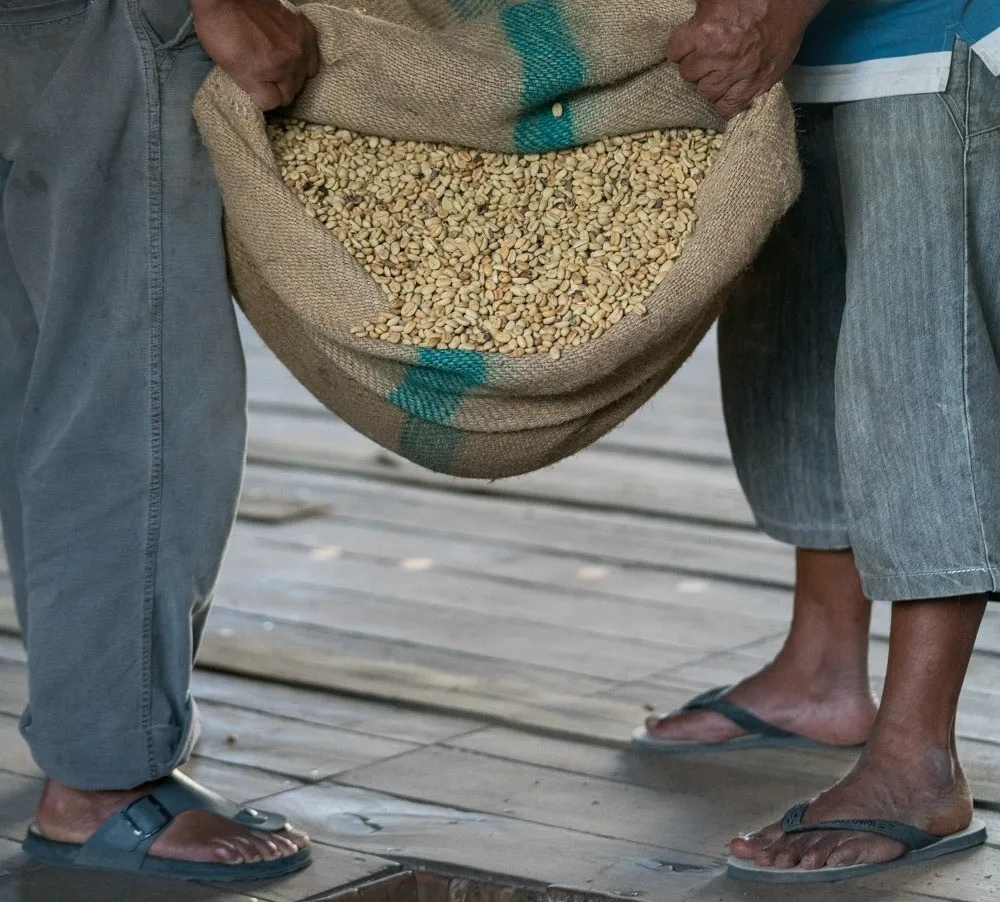
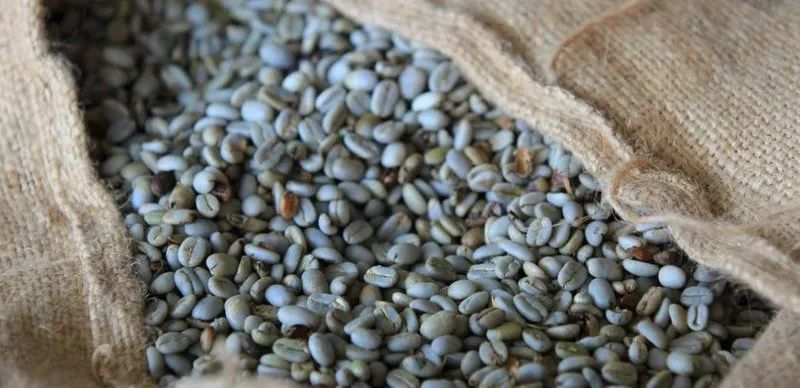
However, because the hulling machine uses greater friction to tear open the parchment layer tightly attached to the green beans, the friction and agitation make the green beans more prone to being crushed or squeezed, especially at both ends, forming small chips and creating "goat-hoof beans." The "naked beans" with the parchment layer removed dry very quickly, but are also directly exposed to the humid environment, becoming susceptible to various bacteria. This gives Indonesian coffee its unique woody, spicy, and herbal notes — what we call "the taste of place."
Obviously, wet-hulling shortens the coffee bean fermentation period, reduces acidity, increases body, and adds grassy and medicinal herb notes. The "naked beans" still absorb moisture from the hot and humid air, forming the distinctive earthy, herbal, and cedar wood "muted aroma" of the Sumatra region. After roasting, they carry even richer notes of dark chocolate, caramel, and roasted nuts, deeply loved by Japanese coffee enthusiasts who favor dark roasts.
Golden Mandheling Coffee's Story
During World War II, the battlefield spread from continental Europe to Asia. Indonesia, then still a Dutch colony, was invaded by Japan in 1942 after the Netherlands declared war on Japan, and Japanese troops landed on Sumatra in February 1942. The Japanese, who already loved coffee, experienced in northern Sumatra the charm ofMandheling coffeeprocessed with the wet-hulling method, and from then on became devoted fans of Mandheling.
Even theMandheling coffeename origin legend is said to be related to the Japanese, reportedly formed from a pronunciation misunderstanding. During World War II, a Japanese soldier happened to drink a cup of rich, aromatic coffee at a local café. Astonished, the soldier asked the shop owner the name of the coffee. Due to the language barrier, the owner mistakenly thought the soldier was asking about his ethnic origin, and answered "Mandailing." After the war, the Japanese soldier commissioned an Indonesian broker to ship 15 tons of the remembered "Mandheling coffee" to Japan, where it unexpectedly became hugely popular. It can be said that this broker made Mandheling, and Mandheling made this broker the founder of today's renowned Pwani Coffee Company (PWN).
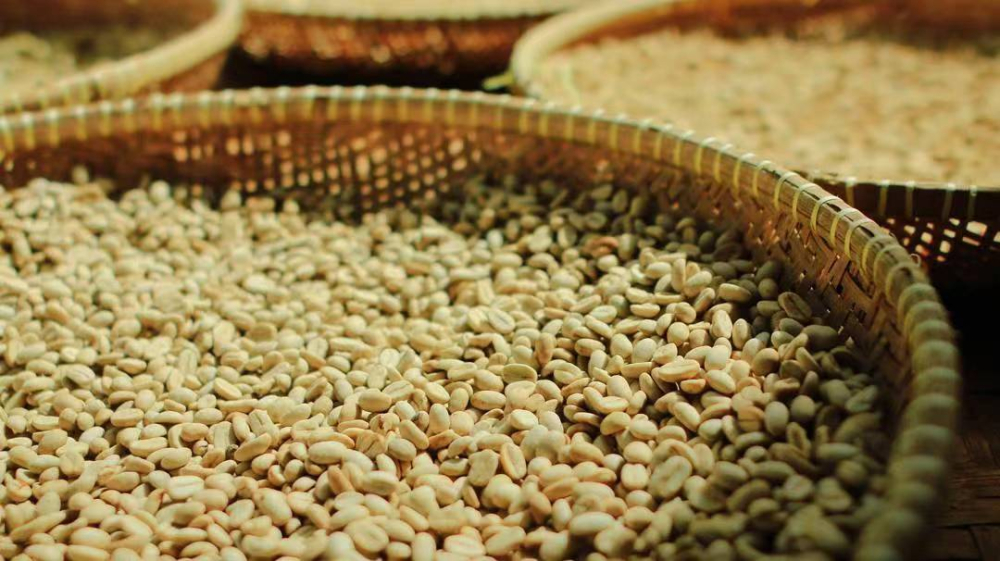
PWN mainly purchases high-quality batches of local Mandheling green beans and produces only specialty-grade Mandheling. "Golden Mandheling" is its signature product. The Japanese, who had taken a liking to Sumatra coffee and purchased it long-term, gradually discovered that local bean quality was often inconsistent. So they paid more attention to Mandheling production and began setting strict standards and methods for screening defects, starting with values such as bean density, size, shape, and color. The Mandheling produced requires 1 mechanical sorting + 4 manual hand-sortings to remove defects, ensuring the output Mandheling beans are complete, uniform, large, and translucent, and reducing Mandheling's earthy and grassy off-flavors. It is said that under the sun they appear golden and radiant, hence the name "Golden Mandheling."
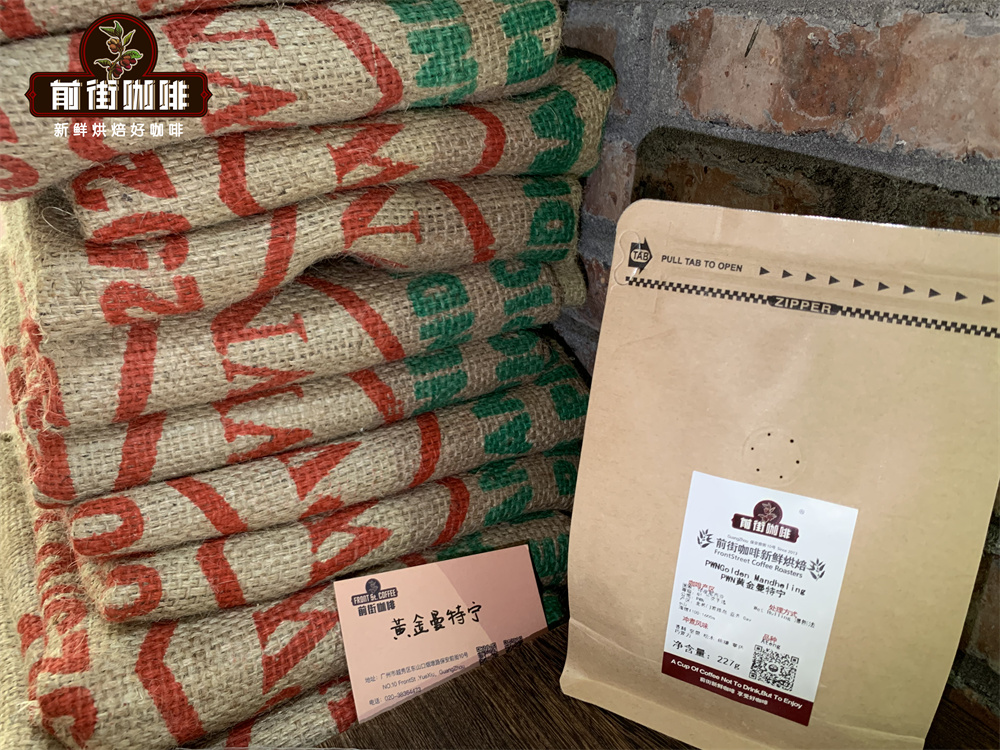
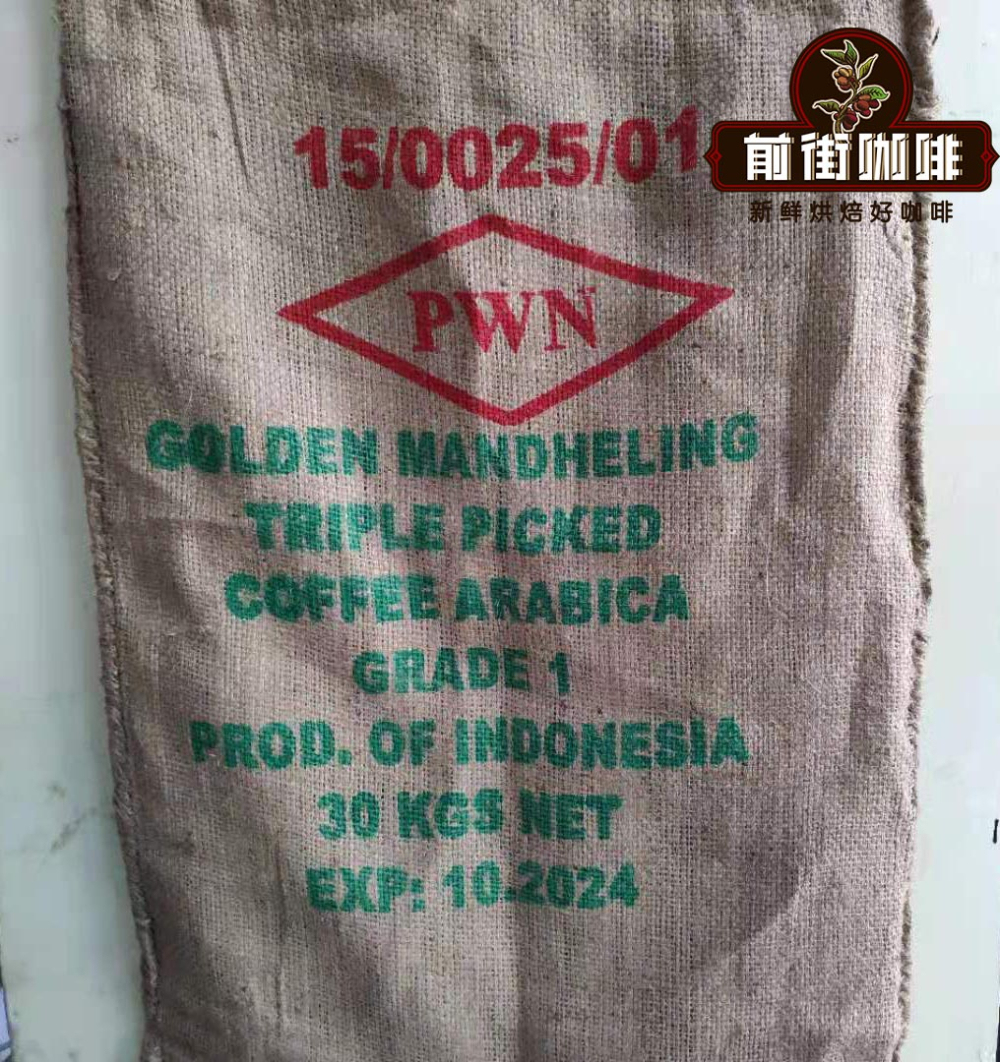
As the specialty Mandheling coffee market grew larger, PWN also recognized the importance of trademarks and, one step ahead of the Japanese, registered the English name "Golden Mandheling" as an exclusive trademark. Therefore, only Golden Mandheling produced by PWN can be considered truly "Golden Mandheling," while what the Japanese produce can only be renamed "Top Mandheling." The Golden Mandheling that Front Street sources is of course the authentic product from PWN. You can identify genuineGolden Mandhelingby the green bean burlap sack bearing the PWN logo and a certificate of origin signed by PWN. Front Street displays both of these identifiers in its Dongshankou store.
Golden MandhelingHow to brew it deliciously?
Some customers ask Front Street: which Mandheling is better to choose? If you are a coffee beginner just starting out and want to first understand the flavors of different producing regions, Front Street suggests starting with our high-value Lintong Mandheling everyday beans, so you can learn the flavor characteristics of several major producing regions before choosing the type you prefer. But if you are already a coffee connoisseur, Front Street believes PWN Golden Mandheling coffee is a great choice.
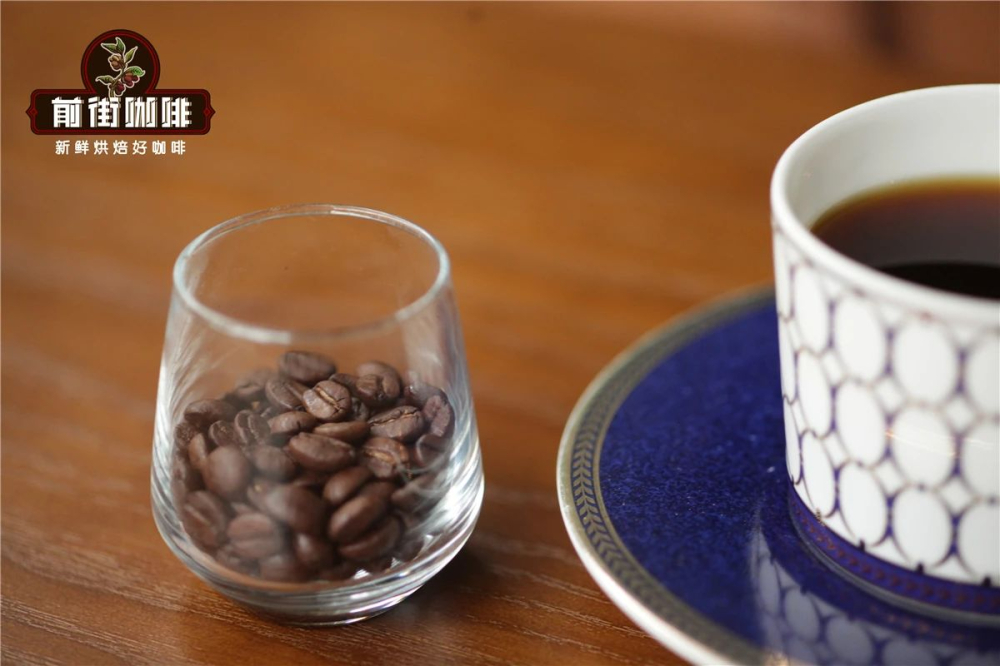
Mandheling presents a full roasted coffee aroma and a substantial mouthfeel, suitable for various brewing and extraction methods, such as pour-over, siphon, French press, AeroPress, moka pot... Front Street's favorite way is to enjoy the rich mouthfeel of Golden Mandheling coffee as a pour-over black coffee.
When brewing coffee beans that express body, Front Street likes to use the KONO dripper for extraction. The KONO dripper has short ribs only in the lower-middle section, while the upper half of the dripper is a smooth curved surface. This way, when we wet the dripper, it fits tightly with the filter paper, and the coffee's degassing during extraction is restricted. As a result, the hot water stays in the dripper longer, the extraction rate increases, the concentration rises accordingly, and the coffee tastes richer and more full-bodied. The KONO dripper is also suitable for full-bodied flavor-type beans such as Brazil Queen's Estate coffee.
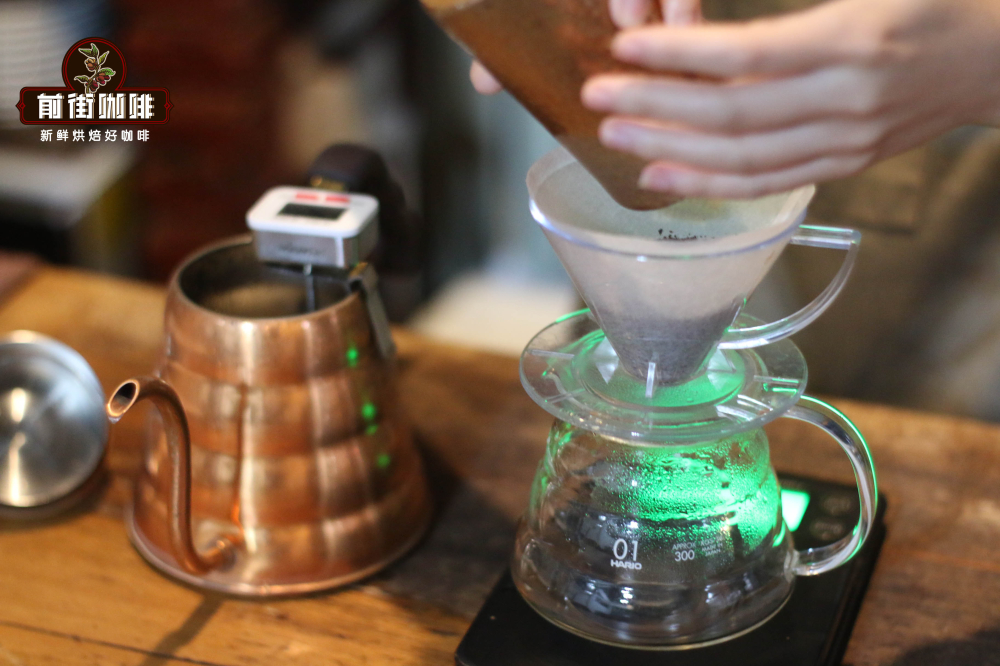
Generally, Front Street uses 15g of coffee grounds for output. The choice of dose is usually based on the design specifications of the dripper. Front Street's dripper is suitable for 1-2 servings, so it can be between 15-20g of grounds; too much can easily affect extraction. As for the grounds-to-liquid ratio, 1:15 is most commonly used, and any ratio within 1:13 to 1:17 is acceptable. Front Street believes everyone's taste is different — 1:13 may be too strong for some, and 1:17 too weak — so we take the middle value of 1:15.
Brewing parameters: Brewing parameters: KONO dripper, 87°C water temperature, 1:15 grounds-to-liquid ratio, China No. 20 standard sieve with 70% passing grind size, 15g coffee grounds, three-stage extraction.
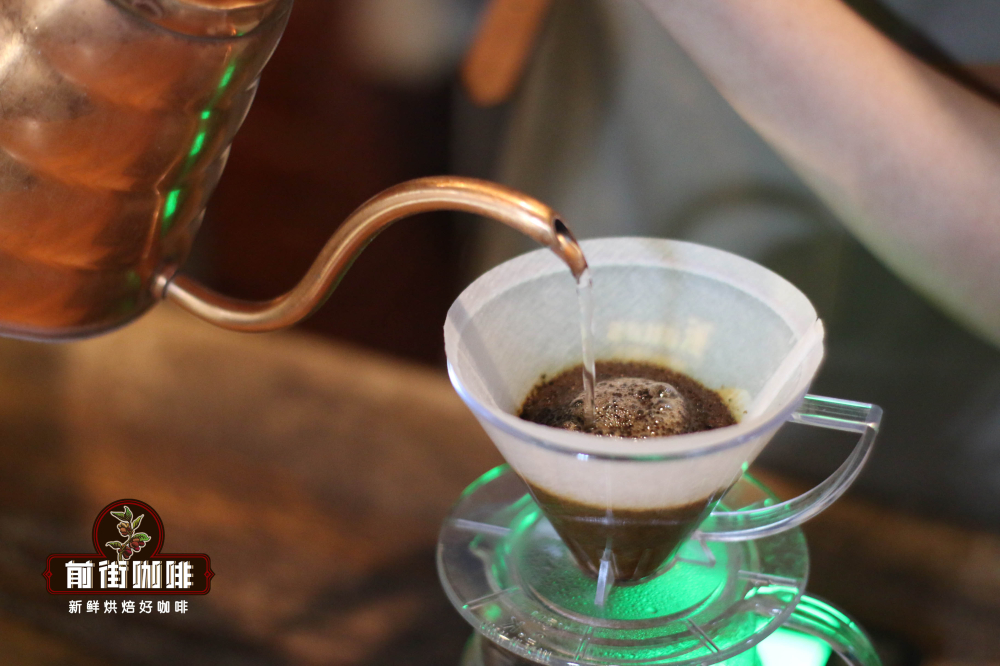
First wet the dripper so the filter paper fits tightly against it, then pour in the ground coffee and try to level the coffee bed. Inject 30g of hot water from the center to start blooming for 30s; at this point you can see the dark-roasted Mandheling coffee form a tall dome. Then begin evenly injecting the second stage until the liquid weight reaches 125g. When the coffee liquid drops to the halfway point, begin injecting the final stage of 100g. Note to keep a steady, small stream throughout to avoid uneven extraction. Once all the coffee liquid has dripped through, remove the dripper, swirl the coffee in the server to mix, and begin tasting.
The brewing parameters mentioned by Front Street are all based on fresh coffee beans, so freshly roasted coffee is the primary condition here. The coffee beans shipped by Front Street are all freshly roasted within 5 days, so when you receive the coffee from the courier, it is right within the optimal tasting period. This is in the hope that every customer can drink the most complete-flavored, good coffee.
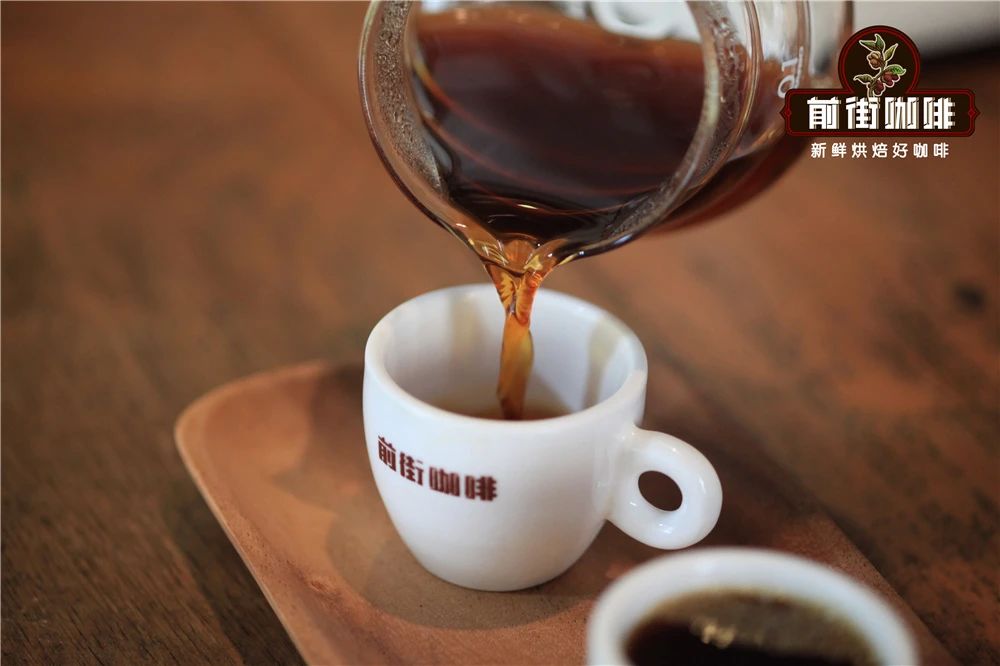
Freshly brewed PWN Golden Mandheling coffee clearly has a substantial mouthfeel, with richer notes of cedar, spices, dark chocolate, and roasted hazelnut, a clean finish, and a flavor that reaches an even higher level, where you can feel the caramel sweetness and aftertaste.
For professional coffee knowledge exchange and more coffee bean information, please follow Coffee Workshop (WeChat public account: cafe_style)
For more specialty coffee beans, please add the personal WeChat of Front Street Coffee (FrontStreet Coffee), WeChat ID: qjcoffeex
The above content is compiled by CoffeeHunters, a coffee news website.

