







What makes Golden Mandheling a coffee green bean name of its own?
Golden Mandheling is not a region, a place, or a variety name. The name traces back to a coffee shop in Indonesia during World War II, where a Japanese customer misheard the owner's answer about the Mandailing people and later imported the beans to Japan as "Mandheling coffee." The term stuck and has been used ever since.
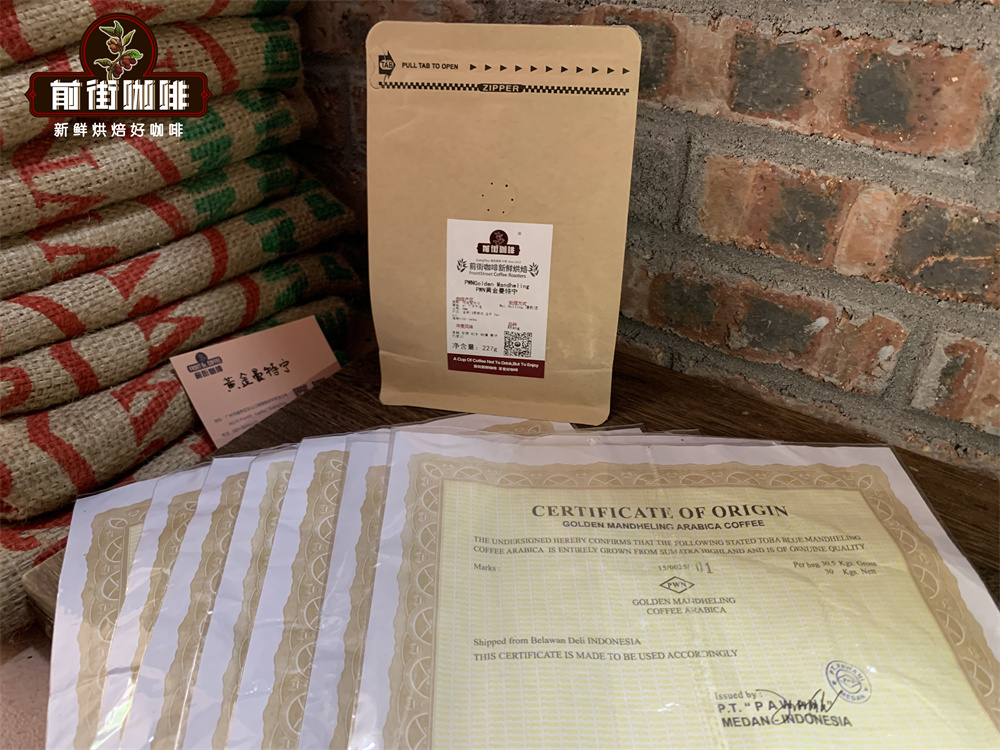
That shop owner later founded PWN Pawani Coffee Company in 1957 and registered the Golden Mandheling trademark, so only PWN lots carry the "Golden" label. PWN buys from Gayo Mountain in Aceh, one of Sumatra's three main growing areas alongside Lintong and Sidikalang, and the Ateng variety in these lots is a Catimor hybrid adapted to the region's wet-hulling process.
Golden Mandheling is renowned in the specialty coffee world, but what story lies behind this name? Why is it that only beans produced by PWN can be called "Golden"? This article starts with the WWII origins of the Mandheling name, outlines PWN Pawani Company's trademark system, and takes a deep dive into the terroir differences between Sumatra's Gayo Mountain and Lintong regions. It also focuses on the Ateng variety used in Golden Mandheling—how this Catimor hybrid took root in Indonesia. At the same time, it breaks down the region's unique wet-hulling process in detail, along with Front Street Coffee's brewing parameter recommendations, guiding you through the complete chain from origin to cup to understand this Indonesian classic.
The Origin of the Name Mandheling
Mandheling is neither a region name, nor a place name, nor a variety name. Its origin dates back to a coffee shop in Indonesia during World War II. At that time, a Japanese person drank a cup of rich, full-bodied coffee in the shop and asked the owner what this coffee was called. The owner mistakenly thought the person was asking where he was from, so he answered "Mandailing people." After the war ended, the Japanese person returned home but could never forget the taste of that cup of coffee, so he asked someone to import this bean from Indonesia, and it sold extremely well in the Japanese market. Because he misremembered the name as "Mandheling coffee," the term has been used ever since.
PWN Pawani Company
That coffee shop owner back then was precisely the first person to export Mandheling coffee beans to Japan. Seeing the business opportunity in it, he founded PWN Pawani Coffee Company in 1957. This company mainly purchases Indonesia's uniquely distinctive specialty coffee lots and established a strict multi-stage screening process to ensure the coffee beans sold are uniform in size and plump.
As market demand for specialty Mandheling kept growing, PWN took the opportunity to register a trademark for Golden Mandheling. In other words, only Golden Mandheling produced by PWN can truly be called "Golden Mandheling" in the true sense.
Mandheling Coffee
The Mandheling purchased by PWN comes from Gayo Mountain in the Aceh region of north-central Sumatra. Sumatra has three well-known coffee-producing regions: besides Aceh, there are also the Lintong region and the Sidikalang region.
Sumatra is the largest island in Indonesia and has a tropical rainforest climate, hot and humid year-round, with coffee trees usually planted among mountain forests. Coffee produced on Gayo Mountain in the Aceh region can be said to be the finest in all of Sumatra, mostly from old varieties, at elevations between 1,500 and 2,500 meters.
Besides Gayo Mountain, the Lintong region is also very famous. Lintong is located by Lake Toba in Sumatra, with cultivation at elevations of about 1,400 to 1,800 meters. Although the coffee beans produced here are not as good as those from Gayo Mountain, thanks to the local unique wet-hulling method, the flavor shows low acidity and high body. Front Street believes that Lintong Mandheling is the basic version of Mandheling coffee, so when launching an Indonesian everyday drinking bean, it specifically chose Mandheling from Lintong. Consumers can experience the flavor of this region at the most affordable price.
FrontStreet Coffee: Indonesia Lintong Mandheling Coffee Beans
Region: Sumatra, Indonesia
Grade: G1
Altitude: 1100m——1600m
Variety: Ateng TimTim
Processing Method: Wet-hulled
Flavor: Nuts, spices, chocolate
"Golden Mandheling"
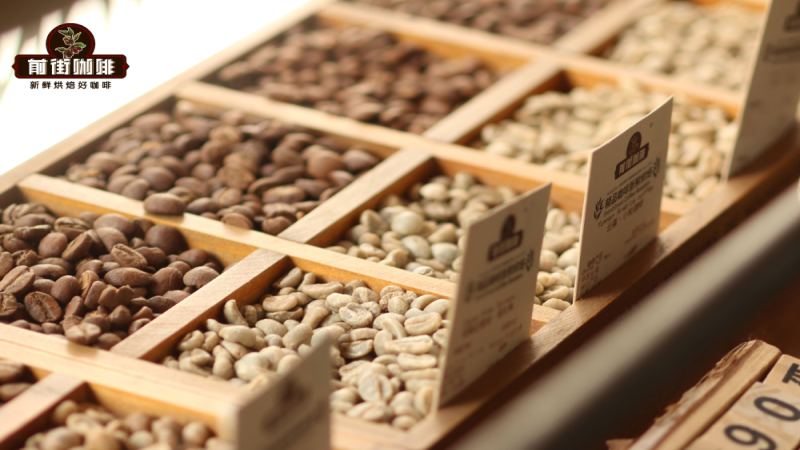
The Golden Mandheling coffee beans selected by Front Street are produced in the Lake Tawar area of Gayo Mountain in northwestern Sumatra and belong to a premium lot. The Mandheling green beans purchased by PWN are required to reach screen size 18 or above, and in a 300-gram sample no more than 3 defective beans are allowed, which is Indonesia's highest green bean grade, G1. After that, defective beans are manually sorted three times according to standards to ensure the beans are uniform in color, shape, and size. Therefore, this PWN Golden Mandheling from Front Street tastes cleaner and more transparent on the palate, with more pronounced body and sweetness.
Coffee Variety
The variety used in Golden Mandheling is Ateng, a name derived from the Aceh Tenggah region in central Aceh. The Ateng series is a general term used on Sumatra and other Indonesian islands for the Catimor variety. It is a hybrid descendant of Arabica and Robusta and is widely planted in Sumatra. It has high yield, strong resistance to coffee leaf rust and coffee berry disease, and performs quite well in cupping.
Wet-Hulling Method
When it comes to Mandheling coffee, Front Street cannot fail to mention the region's most distinctive wet-hulling processing method. Indonesia has a long rainy season, and coffee green beans cannot be sun-dried for a long time as in Africa and other places, so the locals developed this processing method themselves.
First, the outer skin of the coffee fruit is removed by machine, then impurities are rinsed off with clean water, and the beans are placed in a sealed environment to ferment for 3 hours, followed by drying in the sun for one to two days. At this point, the green beans have a moisture content of 30% to 50%, and the beans are in a semi-soft, semi-hard state. Then the mucilage layer and parchment are removed from the green beans, and sun-drying continues, usually taking another 2 to 4 days, until the moisture content drops to 12% to 13%. Compared with the natural method and washed method, wet-hulling requires a much shorter drying time.
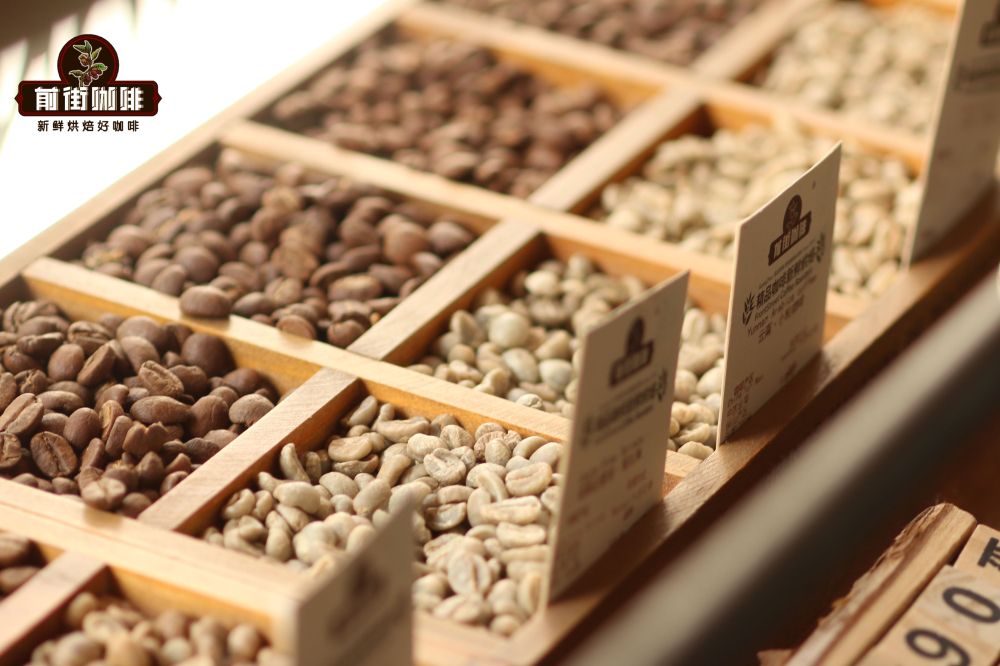
Because the wet-hulling method removes the parchment layer, the green beans appear bluish-green. During processing, the beans are relatively soft and easily deformed under pressure, ultimately forming the sheep's hoof-like appearance we see.
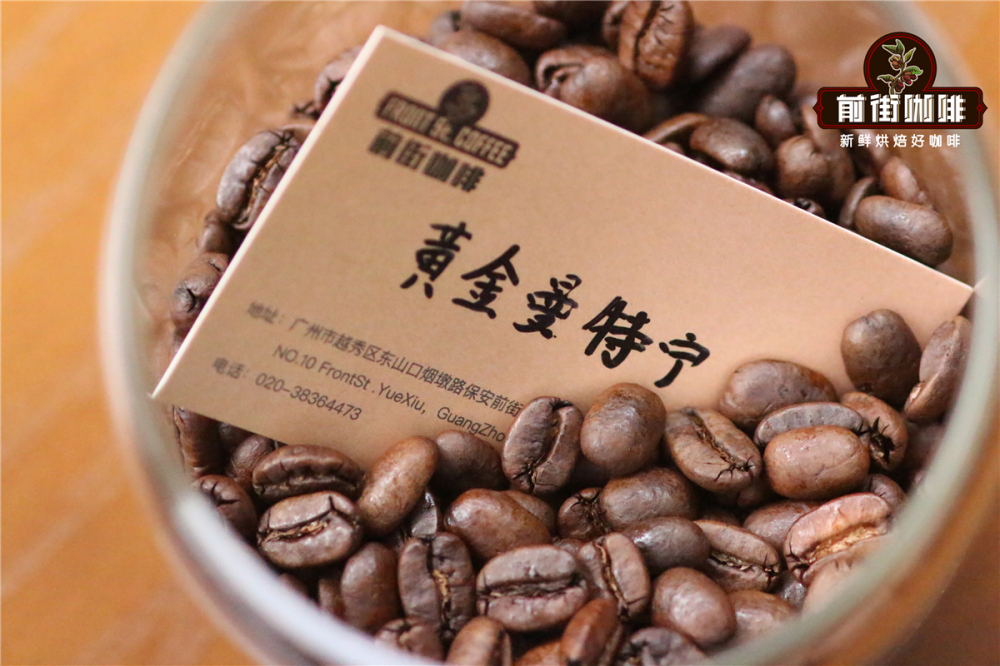
FrontStreet Coffee: Front Street PWN Golden Mandheling Coffee Beans
Region: Sumatra, Indonesia
Grade: G1, three times hand-sorted
Altitude: 1100m——1600m
Variety: Ateng
Processing Method: Wet-hulled
Flavor: Nuts, spices, herbs, caramel
Brewing Recommendations
To fully brew out the rich aroma of Golden Mandheling, Front Street believes freshly roasted coffee beans are the prerequisite. The aroma of coffee changes with storage conditions and time, and once the best-tasting period is missed, the aroma accelerates its loss. Front Street deeply understands the importance of freshness, so all coffee beans shipped are freshly roasted within 5 days and are just right for opening and brewing upon receipt.
Front Street's roaster uses a medium-dark roast to take Mandheling's body to an even higher level. The darker the roast, the looser the texture of the coffee beans, the stronger the water absorption capacity, and the easier it is to extract during brewing. Therefore, Front Street pairs it with a lower water temperature and a coarser grind to prevent over-extraction from bringing unpleasant bitterness.
Filter Cup: KONO dripper
Water Temperature: 87°C
Dose: 15 grams
Coffee-to-Water Ratio: 1:15
Grind Size: Medium-coarse grind (70% passing through China standard No. 20 sieve)
First, wet the KONO dripper with hot water so the filter paper fits more closely to the wall. After pouring out the water in the server, add 15 grams of ground coffee. Bloom with 30 grams of water for 30 seconds, then start pouring in small circles from the center. At 125 grams, pause in stages. When the coffee bed drops to half the height of the dripper, pour the second stage using the same technique until reaching 225 grams. Once all dripping is complete, remove the dripper.
The ground Golden Mandheling coffee powder carries the aroma of nuts and toasted bread, and during brewing you can smell the sweet fragrance of caramel. The brewed Mandheling tastes of spices and dark chocolate on the palate, with a full and clean mouthfeel, clear sweetness returning, and a long finish.
For professional coffee knowledge exchange and more coffee bean information, please follow Coffee Workshop (WeChat public account: cafe_style)
For more specialty coffee beans, please add the private WeChat of FrontStreet Coffee. WeChat ID: qjcoffeex
The above content is compiled by CoffeeHunters, a coffee news website.


