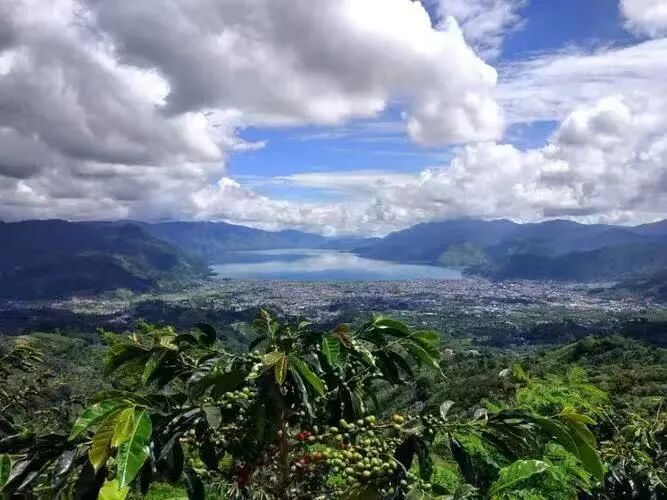
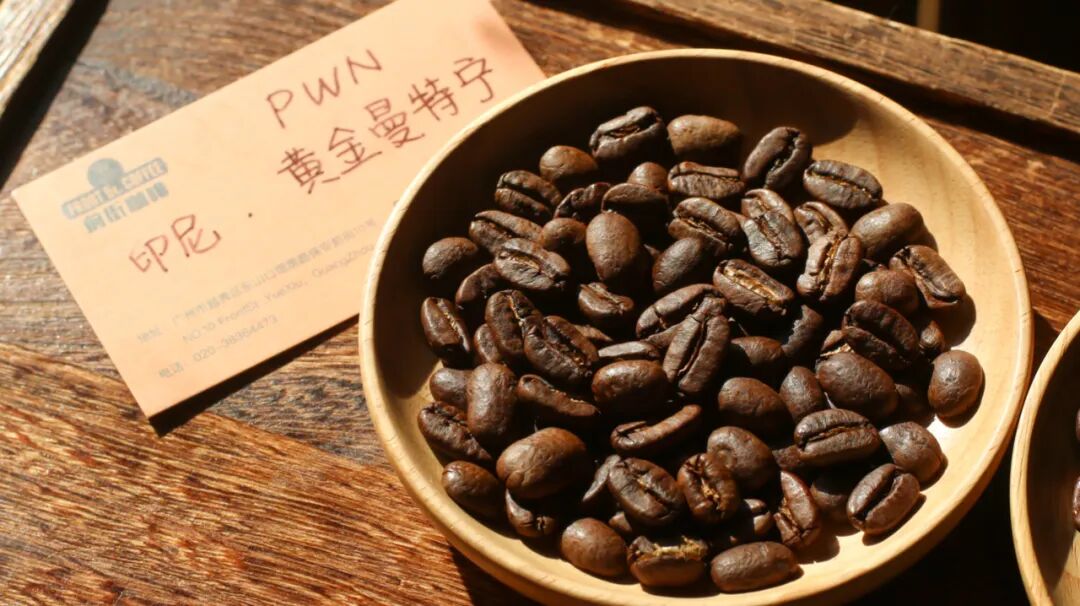
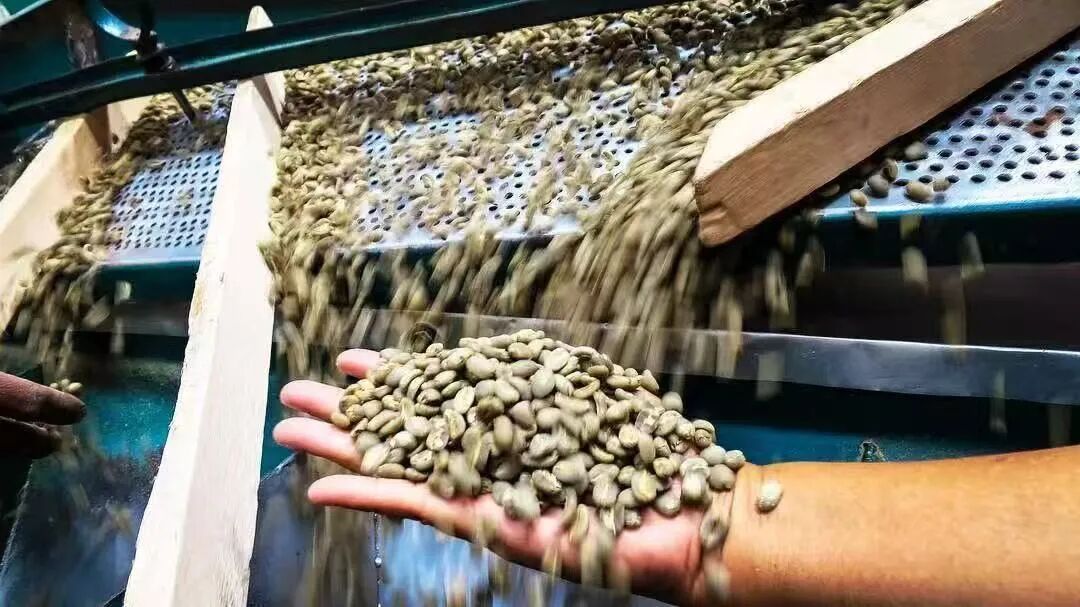
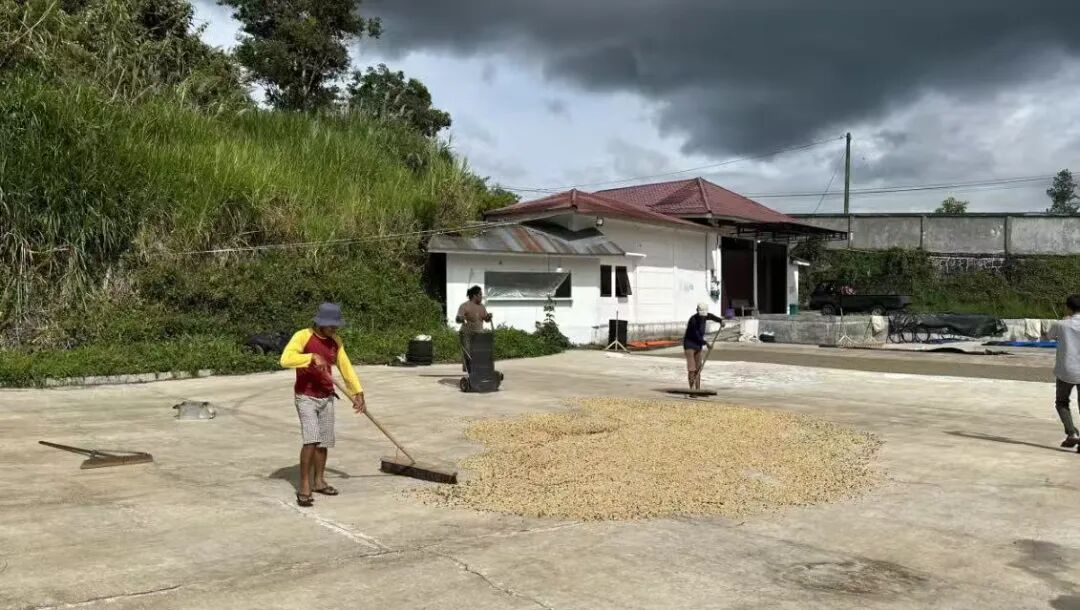
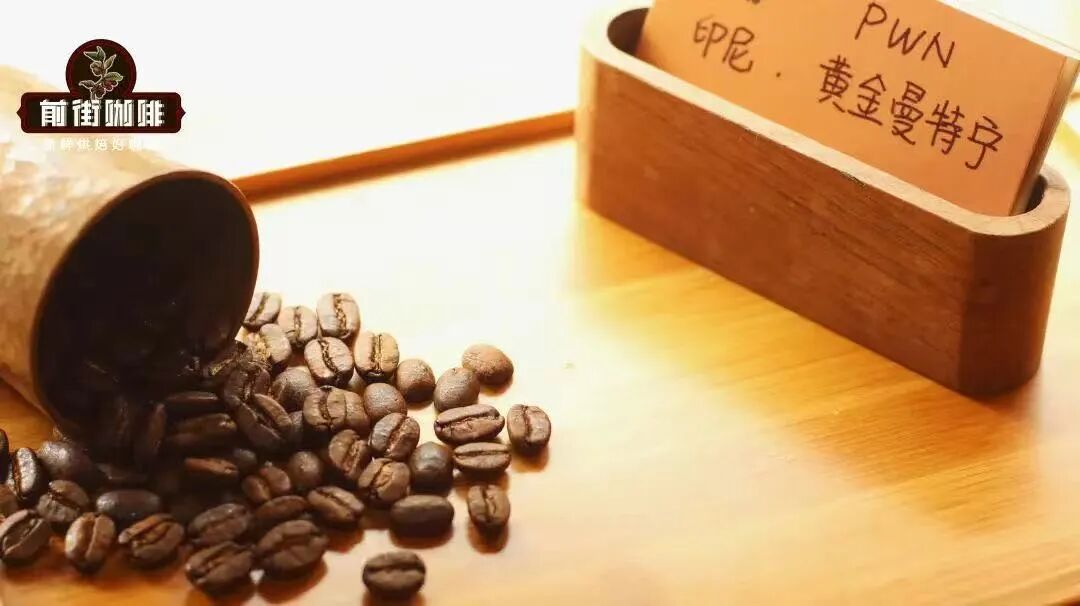
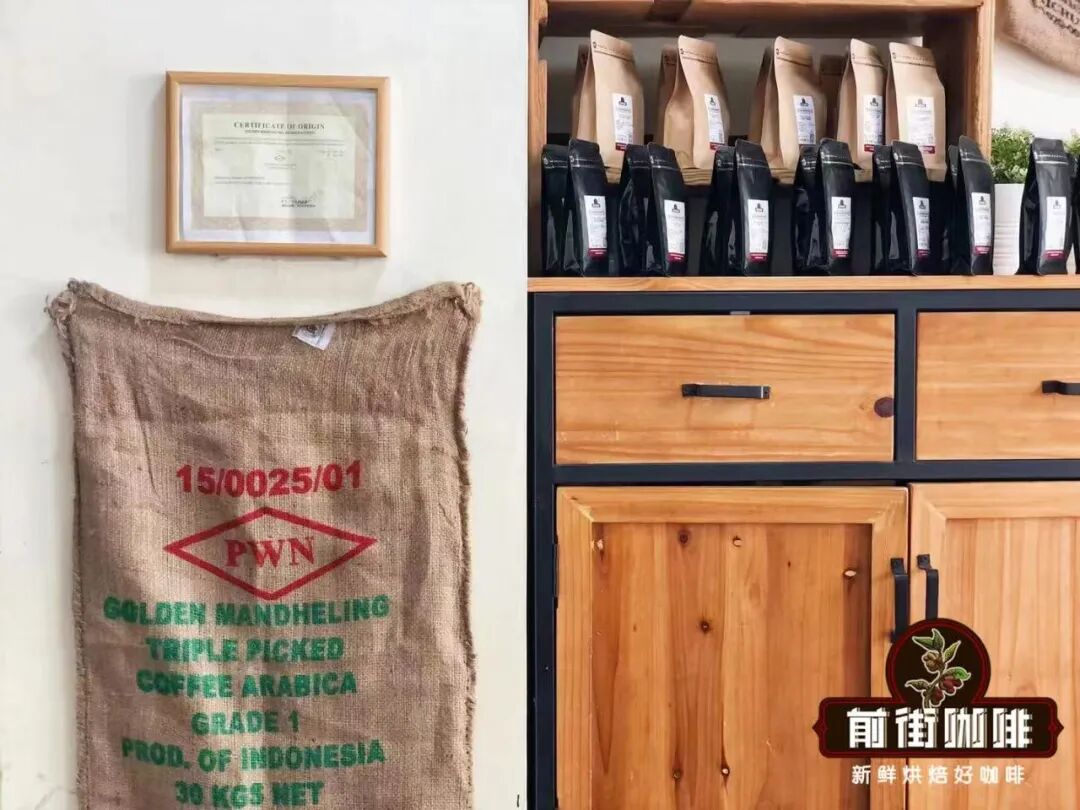
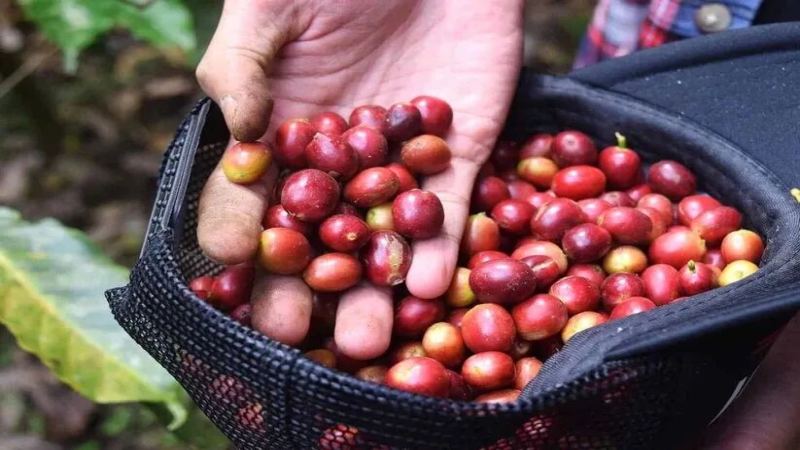
When it comes to impressions of Mandheling coffee, Front Street believes that besides its mellow body and steady roasty aroma, everyone also associates it with a distinctive "Mandheling flavor"—herbal notes.The herbal taste of Mandheling mostly refers to aromas reminiscent of herbs, earth, and wood, which emerge after the mellow fragrance—unique and wild. Thanks to this, Mandheling has long been a polarizing coffee bean. Those who like this aroma love Mandheling, while those who don't dislike it intensely.In recent years, many friends have noticed that the herbal note in Mandheling has become weaker, or at least less pronounced than before. So quite a few have started tracing back to the source, wanting to know why this herbal note has diminished and where it originally comes from.In fact, just like the formation of other coffee flavors, the reason Mandheling carries herbal notes inevitably comes down to three factors: variety, growing environment, and processing method.First, we need to know that Mandheling coffee does not refer to a specific coffee variety, but to all Arabica coffee beans grown on the island of Sumatra. Through a case of mistaken identity, the Arabica beans on Sumatra were sold as "Mandheling," and then became famous, so from that time on, Arabica on the island was often sold under the Mandheling name. This is a story Front Street often shares, and I believe friends have heard it so many times their ears are calloused, so I won't elaborate further here.The history of coffee cultivation on Sumatra can be considered quite long; starting in the 18th century, the Dutch expanded the coffee-growing industry to this island.On the island of Sumatra, the main coffee-producing regions are all around Lake Toba andLake Tawar. Among them, the Lake Toba area is especially known for the Lintong region, while Lake Tawar isknown for the Gayo Mountain region. Their elevations are all around 1,100–1,600 meters, ideal for growing coffee. Because of this, Front Street's daily-drink series selected Mandheling from the Lintong region as the representative Indonesian daily coffee, while Front Street'sGolden Mandhelingcomes from the Gayo Mountain region.As in many origins, the varieties the Dutch first planted on the island were pure-blooded Arabica such as Typica and Bourbon. But not long after, due to coffee leaf rust, the Arabica varieties fell one after another, so the Indonesian authorities had no choice but to continuously introduce new varieties to maintain production. Gradually, this land of Indonesia became a "melting pot" of coffee varieties.The varieties planted in larger quantities on the island include:Ateng, TimTim, Typica, Caturra, and Robusta. In Mandheling coffee, the most common varieties are Ateng andTimTim.Whether Ateng or TimTim, both are hybrids of Arabica and Robusta. Simply put, Ateng is Indonesia's local Catimor, and TimTim is Indonesia's local Timor. Because both varieties carry Robusta genes, they naturally have some of the herbal, woody tones characteristic of Robusta, though relatively less pronounced.(The photo shows the Ateng variety)And what is most often considered the cause of Mandheling's strong herbal notes is actually the local unique processing method—wet hulling. Let's first look at the general process of wet hulling, roughly as follows:First, use a depulper to remove the skin and pulp of the coffee cherries and wash the beans, then move the beans outdoors to dry; after about 3–4 days of drying, reduce the beans' moisture content to around 30%–40%, then use a huller to remove the parchment layer from the beans while they are in a semi-hard, semi-soft state; finally, just dry them for a few more days to bring the beans down to 12%–13% moisture content.From Front Street's introduction above, you can see that wet hulling has one notable advantage: the drying time is relatively short. Compared with other processing methods, wet hulling uses very, very little drying time, because the coffee beans' skin, pulp, parchment layer, and other materials are removed before drying, greatly shortening the drying time.The reason Indonesia needs to use wet hulling is that the local weather is unpredictable year-round, sunlight hours are short, and the environment is quite humid; using methods like natural/dry processing that require long sunlight exposure can easily cause the beans to spoil due to excessively long drying times. Now, Front Street believes that at this point another question has come to mind: "Why does wet hulling intensify the herbal notes in coffee?"Honestly, Front Street thinks wet hulling is actually not the main reason. Rather, it is the rough handling during the process that causes Mandheling's herbal notes to be intensified.First, we can see that the beans are forced through the huller to remove the parchment layer while in a semi-hard, semi-soft state. In this state, the parchment layer of the coffee beans is relatively difficult to remove, so the huller willbe rather violent, andin this situation, the beans are very easily crushed and cracked by the huller. Compared with intact coffee beans, beans with chips and cracks are more easily contaminated;(The right side of the photo shows parchment beans crushed by the huller, but if not contaminated, they are not considered defective beans)At the same time, the coffee beans are dried after the parchment layer is removed, and the drying location is on concrete ground or flattened dirt roads! After removing the protective shell of the parchment layer, the beans are left bare in such an environment to dry, making it easier for them to directly contact dust and thus be contaminated, which in turn raises the herbal flavor in the coffee. That's why everyone thinks wet hulling increases the herbal notes in coffee!In summary, we can learn that the main reason Mandheling has relatively strong herbal notes comes from variety and processing(rough handling during processing).But earlier Front Street mentioned that in recent years Mandheling's herbal notes have decreased a lot! Combining the above introduction, I believe everyone can deduce that it is because the rough handling during processing has been reduced.For example, greater care is taken in drying, keeping the beans away from the ground and turning them multiple times to reduce the probability of contamination while increasing drying uniformity; or manually sorting to remove defective beans, thereby reducing the proportion of defective beans in the coffee, and so on.When the probability of coffee beans being contaminated decreases and the number of defective beans falls, naturally the herbal flavor becomes less pronounced. In particular, the high-quality representative of Indonesian coffee on Front Street's bean list, Front Street PWN Golden Mandheling, has almost none of this herbal note; instead, it has a very comfortable, subdued aroma, and drinks clean and bright.And the reason Front Street PWN Golden Mandheling can achieve this effect is naturally inseparable from stricter screening standards. Whether in variety or processing, its requirements are all stricter than ordinary Mandheling.In terms of variety selection, the variety currently used by PWN for Golden Mandheling is Ateng. Although it is also a type of Catimor, it does not have as many Robusta genes. Because it is a backcross of Catimor and Typica, the Robusta genes are diluted, so the flavor is better and the herbal notes are fewer.And after these coffee beans undergo refined processing, they are also hand-sorted three times! The sorting mainly removes beans with defects, small size, or poor appearance. What remains are coffee beans that are large, plump, and have very few defects. With fewer defective beans, the cleanliness of the coffee naturally improves. Combined with the variety being Ateng, which has a relatively low proportion of Robusta genes, the herbal flavor present in this coffee is also minimal.Because of this, in Golden Mandheling it is hard for us to taste herbal flavors; instead, there is a soft and unique aroma, along with chocolate, caramel, and spice notes—very good!Currently, there are many different versions of "Golden Mandheling" on the market, such as 20-mesh Golden Mandheling, 21-mesh Golden Mandheling, Ding Shang Golden Mandheling, and so on. But only PWN(Puwani)company's Golden Mandheling is the true Golden Mandheling. Because Golden Mandheling is a product launched by PWN, which registered the trademark in 2003.How can you tell the real from the fake? It is definitely hard to tell just by looking at the beans, but when purchasing PWN Golden Mandheling green beans, they come with jute bags printed with PWN and the corresponding certificate. When buying, everyone can also pay attention to whether the seller shows these two accompanying items, which can serve as one way to identify authenticity. For example,what Front Street sells online on a certain Taobao and Tmall store is Golden Mandheling produced by PWN, and the product details page includes these two items for your reference~
The above content is compiled by CoffeeHunters, a coffee news website.