





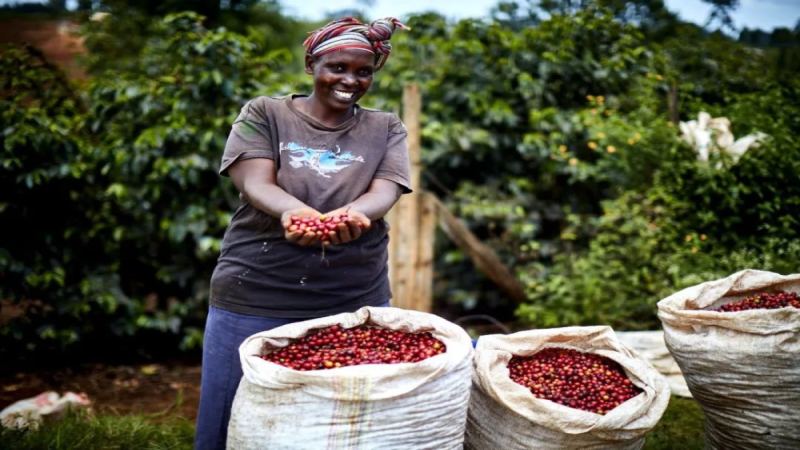
What do Kenyan coffee beans and mocha origin share in flavor?
Kenyan coffee gets its bright acidity and layered fruit from two varieties, SL28 and SL34, plus the 72-hour washed process known as K72. SL28 carries Bourbon, Mocha, Yemeni and Typica lineage, while SL34 leans on Bourbon and more Typica. Together they build the cherry tomato, dried plum and dark berry notes that define the cup.
The Mocha name in SL28's parentage traces back to Yemen, the historic mocha origin, which links these Kenyan beans to that older lineage. Asalia beans on the menu combine SL28 and SL34, and a light roast with V60 pour-over at staged pours brings out the sweet-sour balance and full body.
Kenyan coffee is renowned for its bright acidity and complex flavors. Its unique taste stems from the two major varieties, SL28 and SL34, and the Kenyan-style 72-hour fermentation washed process. From the perspective of Front Street Coffee, this article systematically introduces the varietal origins, flavor differences, and washed processing characteristics of Kenyan coffee. Using Asalia coffee beans as an example, it shares in detail the light roast approach and V60 pour-over parameters, including water temperature, coffee-to-water ratio, grind size, and staged pouring steps, helping coffee enthusiasts understand the sweet-and-sour layers and brewing key points of Kenyan coffee.
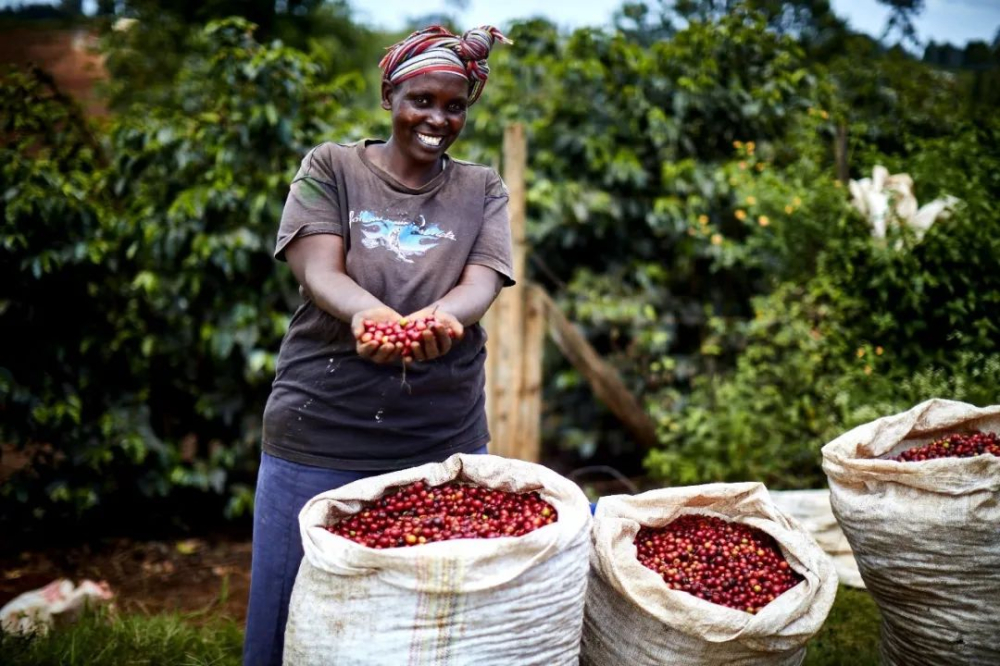
When it comes to coffee with acidity, the first thing that comes to mind at Front Street is Kenya. It drinks with abundant cherry tomato aromatics, interwoven with dried plum, dark berries, and caramel. The sweet and sour intertwine like fruit juice, with bright acidity and an extremely rich overall flavor profile. The reason Kenyan coffee can emit such astonishing aromatics is inseparable from the selection and breeding of local high-quality coffee varieties and its unique washed processing method.
The coffee varieties that create Kenya's flavor
Unlike many coffee origins, Kenya's coffee varieties are often named using a combination of letters and numbers, with the most well-known being SL28 and SL34.
SL is the abbreviation for Scott Laboratories. In the 1930s, this laboratory was commissioned by the Kenyan government to conduct coffee breeding and classification research, aiming to select varieties that could adapt to Kenya's terroir, be suitable for large-scale cultivation, and possess commercial potential. Although the SL series has many members, SL-28 and SL-34 are undoubtedly the two most favored in the specialty coffee world. These two "hybrid princes" have shaped the iconic flavor of Kenyan coffee: high sweetness, refined balance, prominent citrus and dried plum flavors, and a full body. The Asalia coffee beans on Front Street's menu are precisely a combination of these two excellent varieties.
SL28 and SL34 are planted throughout Kenya. SL28's lineage blends Bourbon, Mocha, Yemeni, and Typica varieties; SL34 carries Bourbon and more Typica genes, with a bean shape similar to SL28 but greater resistance to Africa's sudden rainstorms. Today, ordering a Kenya at a café will basically come down to these two varieties, and they are often interplanted and harvested together, so the taste of Kenyan coffee is essentially a blended expression of SL28 and SL34.
SL28 and SL34 have similar flavor directions, both possessing complex and varied berry acidity and a caramel-like sweet finish. In comparison, SL34 has a slightly heavier body, with acidity leaning toward blackberry and other berries, overall balanced sweet and sour, with a caramel aftertaste. SL28, as it cools, leans more toward blueberry in acidity, with acidity rising slightly and sweetness also higher, consistent with Bourbon's high-sweetness characteristics. Through cupping comparison of beans from the same origin, it can be found that SL34's acidity is milder, while SL28's acidity is brighter.
Characteristics of Kenyan-style washing
Processing methods occupy a key position in the coffee supply chain, and different processing methods greatly influence coffee bean quality and flavor direction. In Kenya's coffee industry, primary processing is mainly completed at washing stations. Many coffee-producing countries have washing stations, and Kenya is especially so, because most of the country's coffee beans are processed using the washed method.
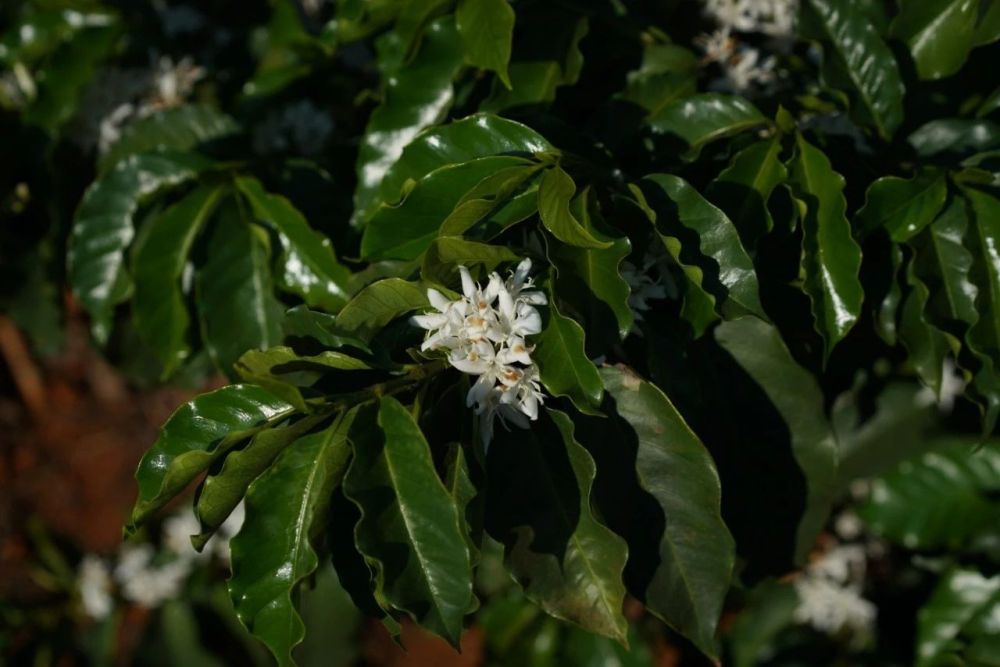
Many of Kenya's washing stations are built on riverbanks, making it convenient to draw water nearby for washing coffee. The washing process is: post-harvest processing is carried out on the same day of picking, selecting the highest-quality coffee cherries, depulping and fermenting for 24 hours, then washing with clean river water; then fermenting again with clean river water for 24 hours, washing again, and repeating this cycle 3 times, totaling 72 hours. Therefore, it is called the Kenyan-style 72-hour fermentation washed process, abbreviated as "K72." This method of multiple fermentations and rinses allows Kenyan coffee beans to display a cleaner and more transparent acidity.
The taste of washed Kenyan coffee beans
In terms of roasting, Front Street adopts a light roast approach, striving to present the complex and varied acidity and floral notes of Kenyan coffee. During cupping, Front Street detected in this Asalia coffee bean flavors of cherry tomato and dried plum, with bright acidity, a clean mouthfeel, medium body, prominent mid-palate sweetness, a juicy quality, and a finish of berry notes and yellow sugar sweetness, accompanied by green tea aromatics. Therefore, in the brewing stage, the baristas at FrontStreet Coffee also hope to continue this unique taste.
Light roasting does not significantly change the high hardness of high-altitude coffee beans, so brewing requires a certain increase in extraction rate to present a fuller flavor profile. Front Street uses a higher water temperature and a finer grind size to stimulate more aromatic substances.
In order to improve the extraction rate of Kenyan coffee, thereby highlighting the sweet-and-sour flavor layers, while also avoiding over-extraction, the baristas at FrontStreet Coffee choose the V60 dripper. The V60 body features guide ribs connecting the top and bottom, and the large central hole can accelerate the flow rate of water downward; the spiral-shaped vent groove design extends the water flow path, increasing the contact time between coffee grounds and hot water. Each stream of water converges along the grooves toward the center of the dripper, concentrating the pressure on the coffee grounds and extracting a coffee with richer layering.
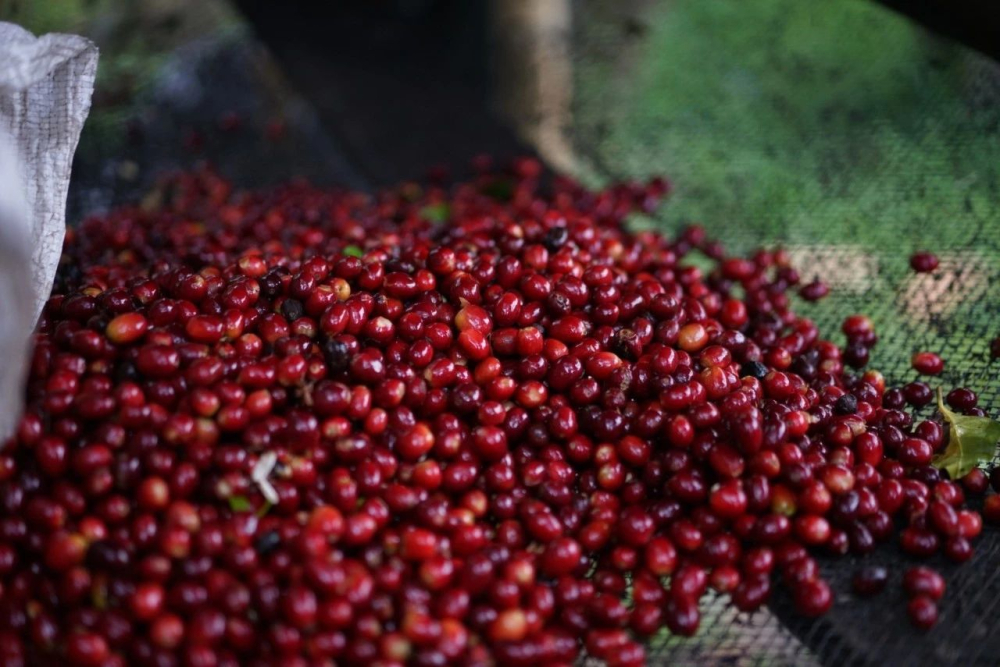
Below, Front Street demonstrates the brewing steps for the Kenyan Asalia coffee served in-store. You can refer to it and compare it with your own brewing approach.
Front Street pour-over parameters:
Dripper: V60
Water temperature: 91-92°C
Dose: 15g
Coffee-to-water ratio: 1:16
Grind size: fine granulated sugar size (80% passing through a No. 20 sieve)
Bloom with 30g of water for 30 seconds, then pour in a small stream in circles until 125g for a staged pour. When the water level is about to expose the coffee bed, continue pouring until 225g and stop. When the water level is about to expose the coffee bed again, remove the dripper. (Timing starts at the beginning of blooming.) Total extraction time is 2'00".
The dry aroma smells of honey and plum; the wet aroma has ripe tomato and faint floral notes. On the palate, there is bright acidity like cherry tomato, a rich and solid mouthfeel, high sweetness of yellow sugar in the mid-palate, pleasant sweet-and-sour berries and small berries, and caramel aromatics in the finish.
For professional coffee knowledge exchange and more coffee bean information, please follow Coffee Workshop (WeChat public account: cafe_style)
For more specialty coffee beans, please add the private WeChat of FrontStreet Coffee: qjcoffeex
The above content is compiled by CoffeeHunters, a coffee news website.


