







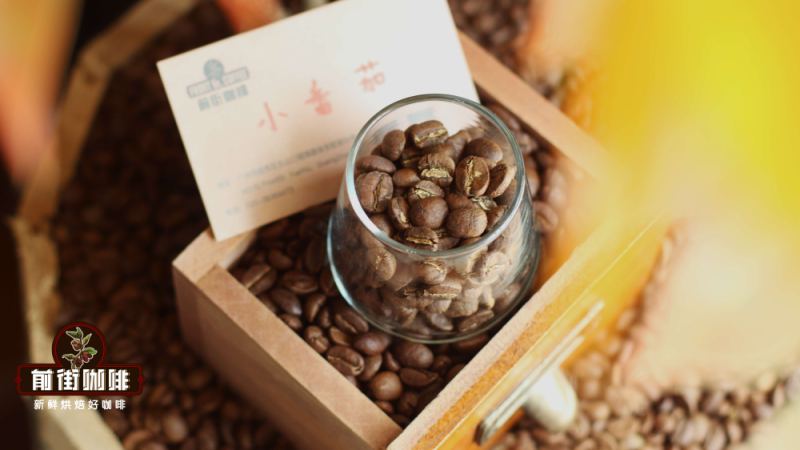
Kenyan coffee has always been known for its bright, uplifting acidity. At Front Street, we often detect notes of cherry tomato, citrus, and lemon during cupping, making it a favorite among acidity lovers. Why is Kenyan coffee so acidic? This is due to a combination of origin factors such as high altitude, volcanic soil, and phosphoric acid, as well as washed processing, the K72 method, roast level, brewing water, and extraction method. This article will start with the terroir of the origin, gradually unravel the reasons behind the acidity of Kenyan coffee, and share practical methods for judging and adjusting grind size, using Front Street's Asalia brewing demonstration as an example, to help you brew your ideal flavor more effectively.
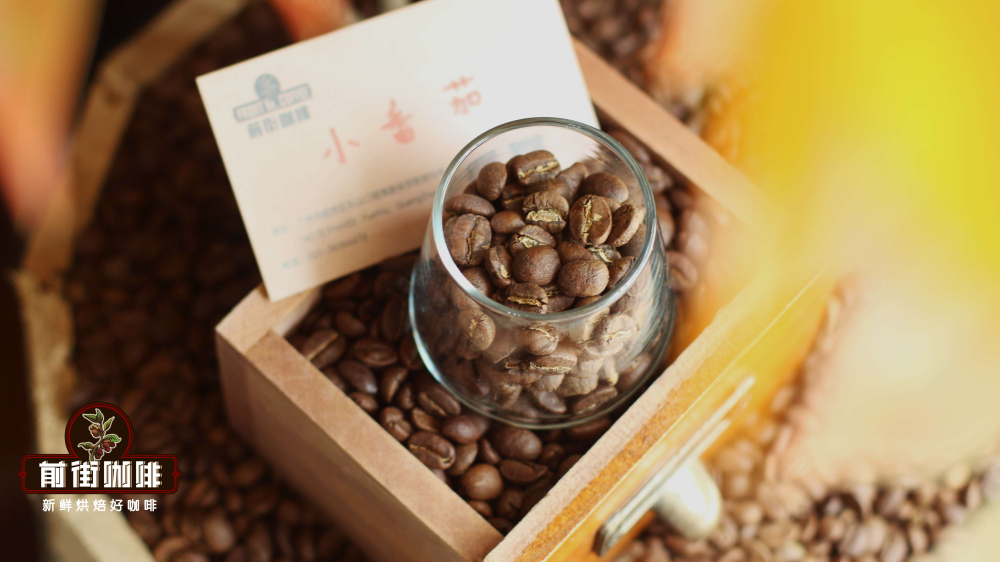
For more specialty coffee knowledge, please follow our WeChat public account: Front Street Coffee (FrontStreet Coffee) We've already talked about quite a few coffee beans before, but this time Front Street wants to start with a question: in your opinion, among all the coffee-producing regions in the world, which one has the most outstanding acidity? Many customers have also given feedback to Front Street that the Kenyan coffee they bought tends to have more striking acidity than beans from other regions. This is indeed the case. During cupping, Front Street can clearly capture the cherry tomato, citrus, and lemon-like acidity of Kenyan coffee, which is very appealing to those who prefer sour flavors. So why is Kenyan coffee so acidic? What other coffees have similar acidity? Today Front Street will answer these one by one. One thing is undeniable: Kenya is an extremely outstanding coffee origin. Coffee here is known for its rich aroma, fresh acidity, sweet berry flavors, full body, and clean, lingering aftertaste. So let's start with the origin conditions. Kenyan Arabica coffee is mostly grown at high altitudes of 1,400 to 2,000 meters, in fertile volcanic soil. Both altitude and volcanic soil affect the final flavor.
Front Street believes that high altitude is one of the key reasons for the excellent quality of Kenyan AA. The higher the altitude, the lower the temperature and the thinner the oxygen. Coffee trees grow more slowly in such an environment, giving them more time to absorb nutrients. In addition, the abundant phosphoric acid in the soil is also one of the important sources of the acidity in Kenyan coffee. Phosphoric acid is not as harsh as citric acid and acetic acid, so the acidity of Kenyan AA appears very bright without being sharp or overpowering. Mount Kenya is a dormant volcano rich in minerals. High-altitude air currents intertwine with clouds and mist, and sunlight diffuses in the thin air, creating cool temperatures, especially at night. Just as fruits in Xinjiang are especially sweet due to the large temperature difference between day and night, coffee cherries in Kenya accumulate more sugar at night. The beans thus develop strong fruity acidity, along with full body and intense aroma.
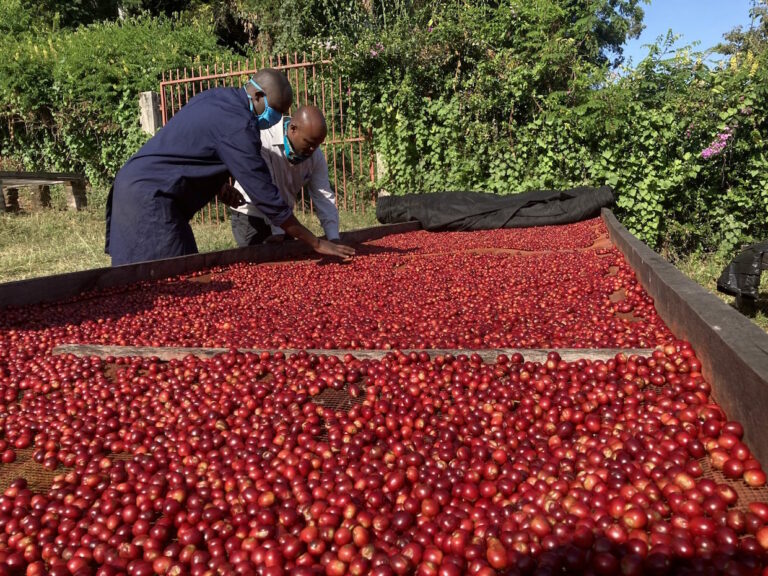
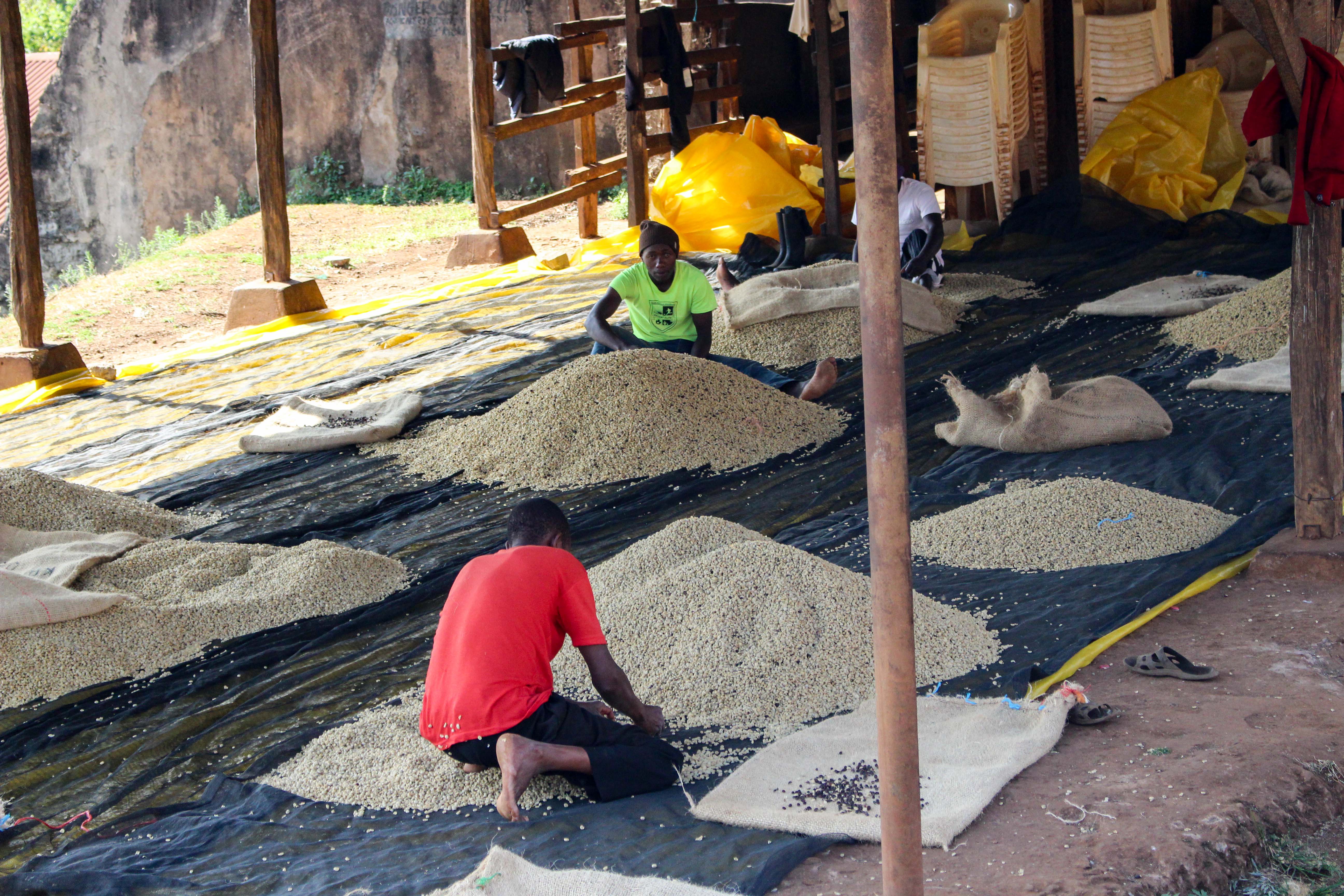
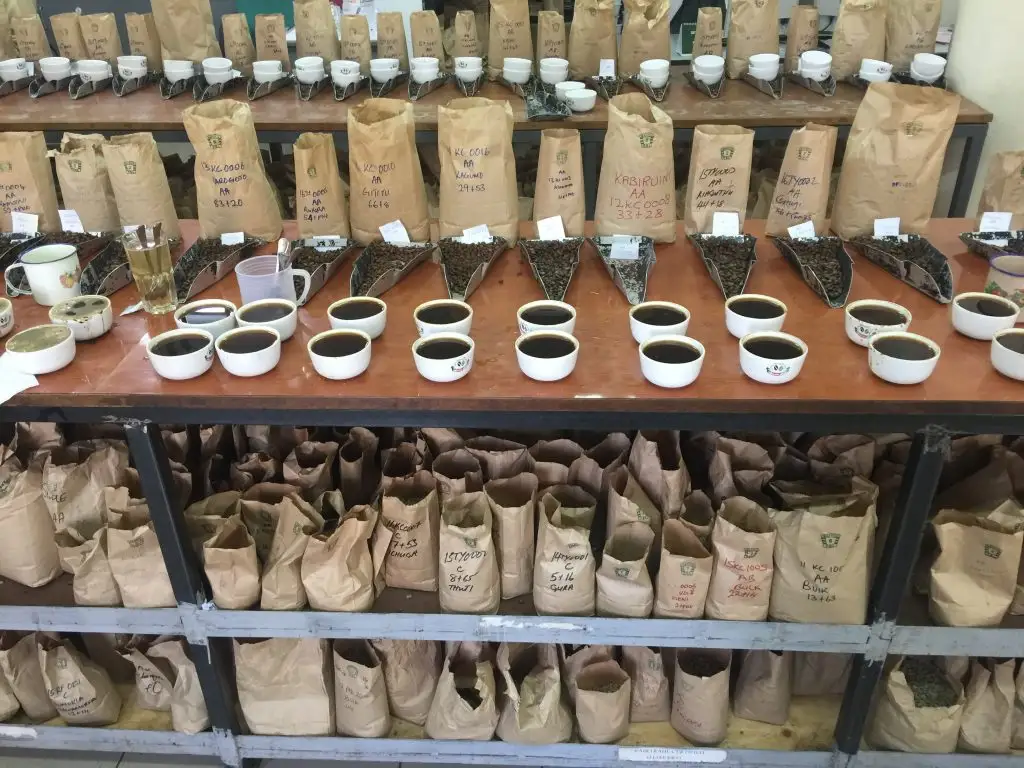
According to Front Street Coffee (FrontStreet Coffee), Kenyan coffee is usually grown by smallholder farmers. Local producers value quality, so processing and drying are strictly controlled and monitored. In Kenya, a "coffee lot" is composed of a larger quantity of coffee, which is transported from a cooperative to a dry mill on a certain day. When a batch of coffee arrives at the mill, it undergoes hulling, technical and sensory analysis, screening by bean size, and a final quantity is determined. During hulling, the parchment comes off the beans, and the beans are then screened and separated by shape and size. In this way, coffee quality is guaranteed to the greatest extent possible. Well-managed factories will not allow unripe or unevenly ripe cherries to be mixed in, because accepting such cherries would harm the ability of everyone involved to obtain the best price.
In the Kenyan coffee market, the price of coffee cherries is directly linked to cupping quality. Most Kenyan coffee beans are washed processed. Take Front Street Coffee's (FrontStreet Coffee) Asalia as an example; it uses the K72 processing method. This is a special processing method different from traditional washing: the cleaned coffee beans need to be soaked in a clean water tank for 24 hours, then washed clean, and the steps are repeated more than three times, totaling 72 hours, hence the name "K72" processing method. Because it is time-consuming and labor-intensive, the price of Kenyan coffee beans is also relatively high. Front Street believes this is also somewhat related to the superior acidity of Kenyan coffee.
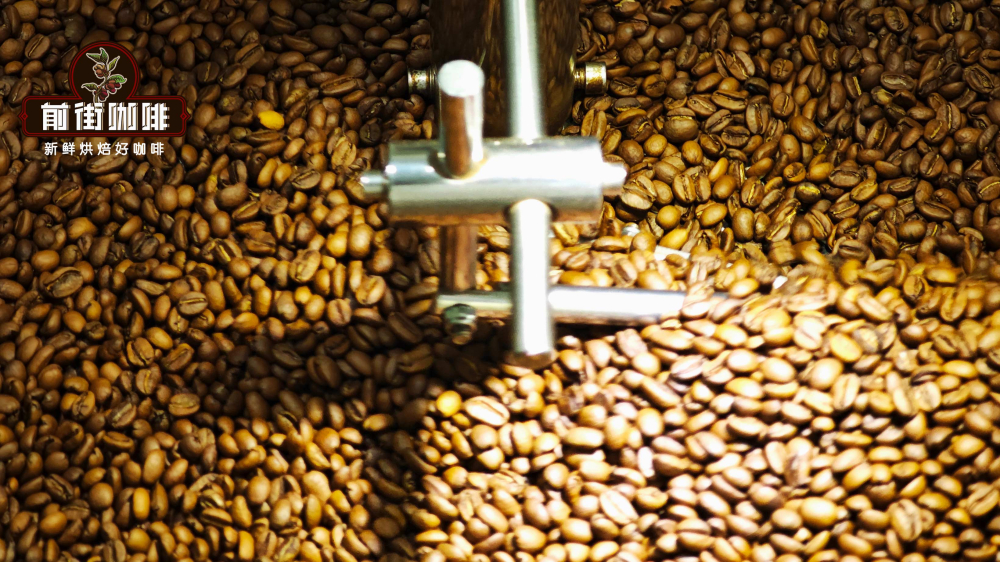
Roasting also makes Kenyan coffee more acidic. Some people feel that acidity gives coffee vitality. So why are most coffee beans with floral and fruity notes given a light roast? Front Street believes this should be viewed from the chemical reactions of coffee beans during roasting. Chlorogenic acid is currently the most common acid in green beans. Coffee gradually breaks down chlorogenic acid during roasting. Acid concentration usually peaks at extremely light roast levels, then slowly declines as roasting time lengthens. The roasting profile Front Street designed for Asalia greatly amplifies the acidic characteristics of Kenyan coffee. Coffee roasting begins with green beans. Through a precise balance of heat, air, rotation, and other factors, the roaster transforms green beans into the coffee we know and love. In coffee, the Maillard reaction converts the organic compounds originally present in green beans into delicious substances and caramelizes sugars. Without the Maillard reaction, coffee would taste distinctly sour, perhaps with a slightly green or astringent note.
For friends who make coffee at home, Front Street believes there are still some factors that affect coffee flavor, and these are often overlooked by beginners: brewing water and extraction method. Let's talk about brewing water first. In recent years, in various coffee brewing competitions, water has become a key focus for many baristas, who customize their own brewing water. As we all know, 98% of a cup of coffee is water, and water plays an important role in the brewing process. Home brewing water must ensure water quality and stability. So what is the best water to use when brewing coffee?
There are usually three choices: filtered water, distilled water, and purified water. Front Street believes you need to pay attention to the TDS value in water (total dissolved solids), which usually consists of magnesium, calcium, and bicarbonate. PH value also needs attention; Front Street believes a PH between 6.5 and 7.5 is acceptable. At a neutral PH, ideally, the best water for making coffee has a total dissolved solids (TDS) of about 150 mg/L. It also needs close to 10 mg/L sodium, 40 mg/L total alkalinity, and 0 mg/L chlorine. Front Street gives everyone the most direct choice: Nongfu Spring. As household or commercial brewing water for coffee, Nongfu Spring's TDS value is closest to standard brewing water and can bring out the aromatic soluble compounds in coffee.
Now let's talk about extraction. A common reason coffee tastes sour is under-extraction during brewing. This happens when not enough flavor is extracted from the coffee grounds during brewing. The longer coffee brews, the more sugars are extracted from the grounds, and the sweeter the coffee tastes. But if the time is too long, bitterness eventually appears (over-extraction), in which case it is recommended to adjust the grind size or water temperature. When buying coffee at Front Street stores, you can ask to have the coffee ground. Of course, if you have requirements for coffee taste and prefer to grind it yourself, Front Street recommends buying a standard No. 20 sieve for sifting. Taking Front Street's Asalia as an example, a sieving rate of 75%-80% would be more reasonable. The finer the grind, the larger the surface area of the coffee beans, and the extraction rate increases accordingly. Therefore, all else being equal, changing the grind size also changes the flavor brewed from the coffee. If the coffee tastes too sour, simply make the grind coarser. Front Street has also explained in detail in previous articles the factors that affect coffee flavor during brewing; those interested can look them up.
If you really don't have such equipment at home but want to quickly verify whether the grind size is suitable, you can judge whether the grind is too coarse, too fine, or just right by combining the particle morphology and duration of the extraction phase. Because regardless of the particle size distribution, we still need to test based on the stages of the actual brew and the final taste performance. At this point, you can use the morphology of suspended particles during blooming, the total drip time, and the size of the coffee grounds to reach an answer. Here Front Street uses Kenya Asalia as the brewing subject to demonstrate the above method: when faced with an unfamiliar hand grinder, how to self-test the ideal grind setting.
First, the particles ground at the first setting are mostly clumpy and clearly close to sea salt, so you can adjust significantly finer. Here Front Street turned 10 clicks toward a finer grind, and the resulting powder was close to fine granulated sugar in size, which meets the grinding needs for pour-over. At this point we can move to the extraction stage to verify it. Coffee beans: 15 g Total water: 225 g Water temperature: 91°C Three-stage pouring: 30 g, 95 g, 100 g
During the blooming stage, the particles are tightly connected and retain water strongly. As the pouring approaches the final stage, the flow rate becomes noticeably slower and slower. The filter paper is very likely clogged by a large amount of extremely fine powder, and the extraction time exceeds 2.5 minutes. From the spent coffee grounds after brewing, you can see muddy powder floating on the surface. The coffee liquid has a rather heavy berry tone on the palate, with a slightly astringent finish. This indicates that the grind is too fine and causing over-extraction, so it should be adjusted coarser appropriately. Here Front Street adjusts 3 clicks coarser and continues testing.
Under the same brewing parameters, the coffee powder at the new setting has more relaxed gaps between suspended particles during blooming and is more hydrophobic. The flow rate throughout the pouring process is even, the total extraction time is 2 minutes 8 seconds, and the spent coffee grounds are fluffy and evenly distributed on the wall of the dripper. The coffee tastes moderate in strength, with citrus-like fruity sweetness and acidity and a caramel finish. This shows that this is the ideal grind size we were looking for.
The above content is compiled by CoffeeHunters, a coffee news website.


