







Search Results for: ecology
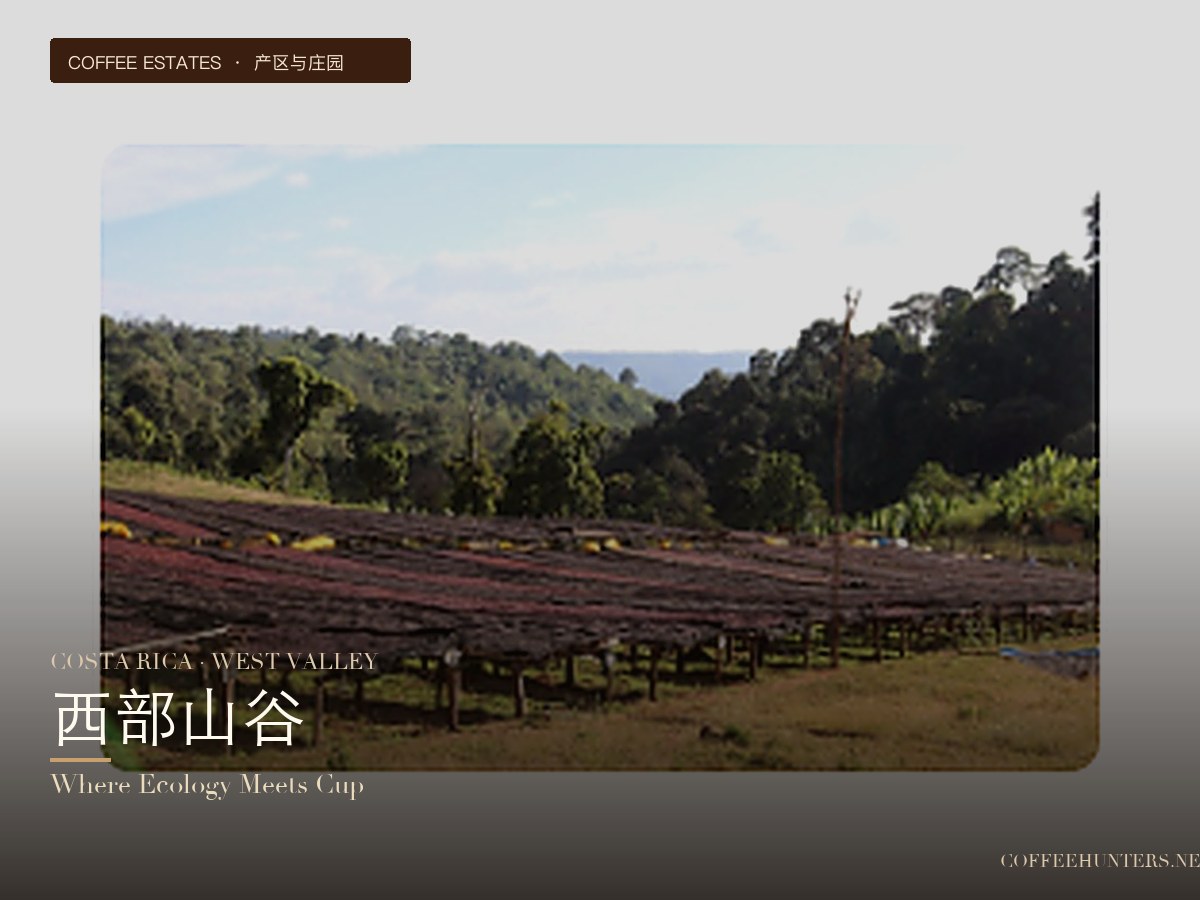
Costa Rica · Western Valley: A Representative of Ecological Specialty
The Western Valley is one of Costa Rica's four major specialty coffee regions, known for its eco-friendly growing philosophy and diverse processing methods. This article introduces the characteristics and signature flavors of this region. [more…]
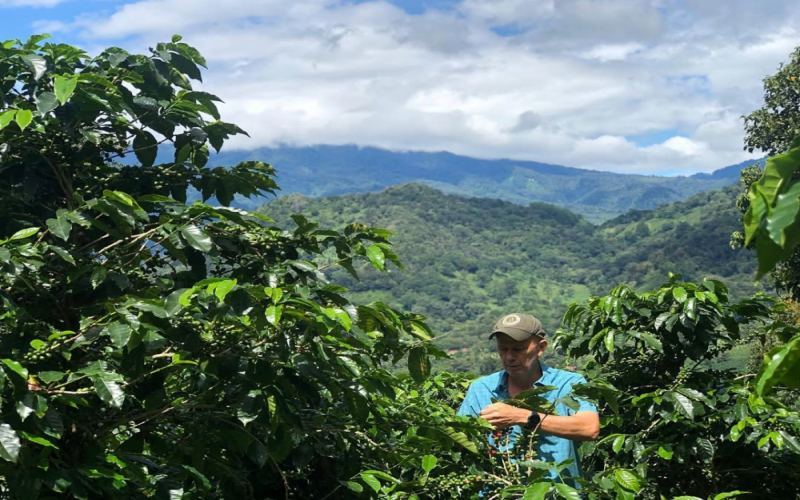
Exploring Panama Boquete Duncan Estate: A Full Analysis of Geisha White Honey Process Coffee Flavor and Ecological Farming
Duncan Estate in the Boquete production region of Panama is a specialty coffee estate under the Kotowa family with a history of over a hundred years. With its exceptional geographical conditions and strict ecological management, it has become a frequent winner at BOP auctions. This article provides a comprehensive introduction to Duncan Estate's production region background, growing environment, processing techniques, and award history, with a focus on analyzing the flavor characteristics of its Geisha White Honey processed coffee beans. At the same time, Front Street Coffee has also acquired the estate's Natural Caturra, presenting through medium-light roasting and cupping a layered profile of floral notes, candied fruit, and fermented fruit nuances. Whether you are a Geisha enthusiast or a Caturra fan, you can experience the unique charm of Panamanian specialty coffee. [more…]
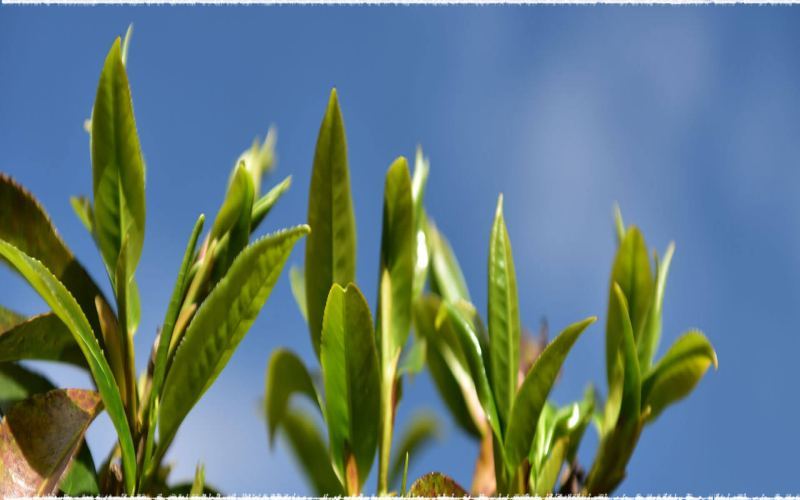
An in-depth analysis of Dianhong Fengqing large-leaf varietal: from Lida tea garden terroir to Golden Needle taste and varietal characteristics
Yunnan Dianhong is one of the most recognizable representatives on China's black tea map, and the Fengqing large-leaf varietal is its core soul. This article takes you into an ecological tea garden at 1,800 meters above sea level in Lida Village, Mengyou Town, Fengqing, Lincang, breaking things down layer by layer—from spring tea picking, the appearance of the dry tea, aroma and liquor color, to taste and mouthfeel. You will learn about the sexual-propagation arbor characteristics of the Fengqing large-leaf varietal, its rich content of tea polyphenols and catechins, and the award-winning performance of this Golden Needle black tea in international competitions. At the same time, the article also records tea farmer Mr. Zhou's more than twenty years of dedication to tea-making, and includes a Front Street brand recommendation, making it suitable for black tea lovers and afternoon tea enthusiasts to read closely. [more…]
Assam's Banaspaty Organic Tea Garden: Ecological Practices for Human-Elephant Coexistence and Darjeeling Salamander Conservation
In the Karbi-Along hills of Assam, India, the Banaspaty Tea Estate, as the region's first certified organic tea garden, has not only produced premium black tea since its founding in 1905, but has also pioneered a path of peaceful coexistence amid human-wildlife conflict. Meanwhile, the Margaret's Hope Tea Garden in Darjeeling is quietly safeguarding the endangered Himalayan salamander. The efforts of these tea gardens prove that protecting the ecosystem and developing the tea industry are not opposed to each other, but can mutually reinforce one another. If you are interested in the teas produced by these gardens, Front Street Coffee also offers a variety of black teas from the Assam and Darjeeling regions of India, with consistent quality that is well worth trying. [more…]
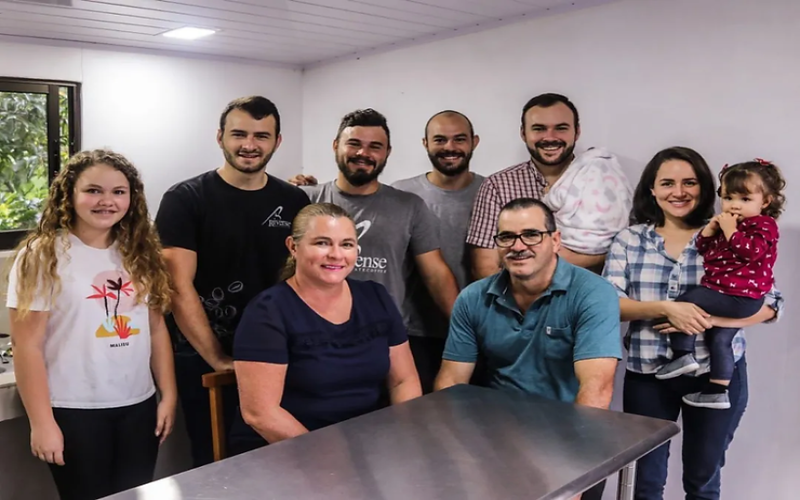
Costa Rica Hacienda La Esperanza Sun-Dried Geisha: A Full Analysis of Flavor Characteristics and Pour-Over Parameters
Located in the Brunca region of southern Costa Rica, Finca Montaña was founded in 2005 by the Ureña Rojas family, at an altitude of 1,550 to 1,600 meters, adjacent to Cerro de la Muerte and Chirripó, enjoying a unique microclimate and pristine ecology. The estate started with Caturra and Catuai, gradually introduced the Geisha variety, and is known for its refined natural processing. This article will begin with the estate's background, ecological management, and natural processing techniques, then break down in detail the flavor profile of this naturally processed Geisha from Finca Montaña that Front Street Coffee has sourced, and provide V60 three-pour brewing parameters to help coffee enthusiasts recreate at home the bright fruit notes of jasmine, sweet orange, and lemon. [more…]
Panama Hacienda La Esmeralda Geisha Coffee: A Complete Guide to Golden Roast and Pour-Over & Siphon Brewing
Geisha coffee is famous for its elegant jasmine and genmaicha aromas, its sweet-and-tart layers of citrus and berries, and its pronounced juicy mouthfeel, and Panama is the place where it rose to fame. This article begins with the grade differences between Red Label and Green Label Geisha from Hacienda La Esmeralda, guiding you through Geisha's classic flavors, while focusing on Finca Janson—an ecological farm at 1,700–1,750 meters elevation with volcanic ash soil that was shortlisted for the Best of Panama award in 2013. The article not only analyzes Finca Janson's growing advantages and ecological conservation philosophy, but also provides pour-over and siphon brewing methods under a golden roast profile, and retains Front Street Coffee's curated recommendations, presenting coffee lovers with a complete guide from bean to cup. [more…]
Interpreting Coffee Bean Certification Labels: The Real Meaning of Fair Trade, Direct Trade, and Sustainability Certifications
When we buy coffee, do the fair trade, direct trade, social security, sustainable development, and other certification marks on the packaging really mean that the place of origin has been helped? As consumers, we pay more and more attention to these labels, but our understanding of the mechanisms behind them and their actual effects is limited. This article will deeply analyze the meaning, operating methods, and limitations of various coffee certification systems, and at the same time introduce practical cases such as Front Street in promoting sustainable development in places of origin, to help you support the healthy development of the coffee industry through more rational consumer behavior. [more…]
Analysis of the Flavor and Estate Story of Guatemala Santa Felisa Estate Red Pacamara Maragogype K72 Process
Pacamara Maragogipe is a cross between the Pacas and Maragogipe varieties, combining rich flavor with an elegant texture. Guatemala's Santa Felisa Estate, founded in 1904, is located in the Acatenango Valley and is known for its eco-friendly farming methods, eight processing methods, and insistence on hand-picking at 21 degrees Brix, consistently ranking among the top in the COE. The estate weathered the impact of leaf rust, losing its organic certification yet still upholding its ecological philosophy. Its K72 processing method combines repeated fermentation with washed and sun-dried techniques, giving the coffee bright, clean flavors of citrus notes, dried tangerine peel aroma, cherry, and sweet persimmon. Front Street Coffee recommends brewing with a Hario V60, 90°C water temperature, and a three-pour method to showcase this Red Pacamara Maragogipe's lingering sweetness and smooth mouthfeel. [more…]

Peruvian Coffee Flavor Characteristics and a Full Analysis of the Three Major Producing Regions and Estates: From Taste Grading to Brewing Recommendations
Peru is the world's eleventh-largest coffee producer, with ten distinctive coffee regions, known for its pure, mild, sweet, and smooth flavor. This article systematically reviews the history, flavor characteristics, grading system, and processing methods of Peruvian coffee, and provides an in-depth introduction to the estate distribution and flavor differences across the three major regions: north, central, and south. Front Street Coffee also shares medium-dark roast recommendations and French press brewing parameters, giving you a comprehensive understanding of this rapidly rising newcomer in the coffee world. [more…]
Front Street Peru Coffee Flavor Analysis: Geisha Bean Pour-Over Parameters and Brewing Step Guide
Peru, as the world's eleventh-largest coffee-producing country, is home to ten distinctive coffee regions, and is gradually emerging on the international market with a clean, mild, sweet, and full-bodied flavor profile. Front Street Coffee believes that today's Peruvian coffee is showing more and more juicy character and unique taste. This article will guide you through the history of Peruvian coffee, the terroir differences among the three major regions of the north, center, and south, the grading system and processing methods, and share Front Street Coffee's roasting recommendations and French press brewing steps for Peruvian coffee—ideal for coffee lovers who want to explore the charm of this low-key producing country. [more…]
An In-Depth Analysis of Indonesian Civet Coffee: Flavor Characteristics, Bean Varieties and Origins, Regional Ecology, and Specialty Coffee Recommendations
Kopi Luwak is often called one of the most expensive coffees in the world, with retail prices starting at at least six hundred US dollars per pound, making it the Rolls-Royce of the coffee world. It originates from Indonesia and, due to limited production, has become a favorite among the wealthy, featuring a unique herbal aroma and excellent body. However, behind this coffee lies a tangle of colonial history, animal ethics controversies, and a market rife with authenticity issues. This article will comprehensively analyze the true face of cat poop coffee from the perspectives of its historical origins, bean sources, the ecological habits of the civet, processing principles, and variety and regional characteristics, and introduce a specialty coffee worth tasting in Indonesia—Golden Mandheling, while also attaching Front Street Coffee's brewing parameters and flavor description. [more…]
Colombia 2011 COE Champion Estate: Full Analysis of Spring Estate Coffee Flavor and Origin
Colombia, as the world's third-largest coffee-producing country, nurtures countless specialty coffees thanks to the diverse microclimates and high altitudes of the Andes. In 2011, a tiny 2.8-hectare farm—Finca La Primavera—claimed the COE championship with a record-breaking price of $45 per pound. It belongs to the Los Naranjos Coffee Association and is carefully managed by farm owner Arnulfo. This article takes you deep into the industrial background of Colombian coffee, the ecological processing innovation, and the cultivation details, cupping flavors, and judge comments of Finca La Primavera. Front Street Coffee especially recommends this champion farm bean, with rich layers from almond and longan flower tea to grapefruit acidity—worth savoring slowly by coffee lovers. [more…]
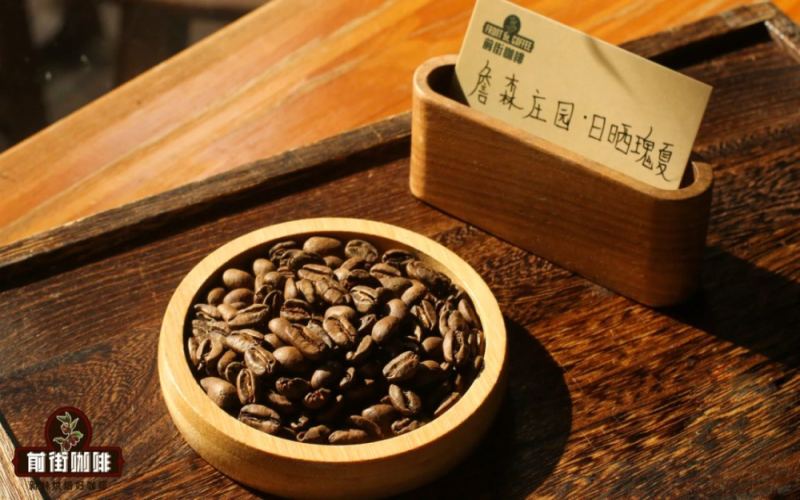
Panama Janson Estate Geisha Coffee Siphon Brewing Full Process and Parameters Detailed Guide
Geisha coffee is known as the "Champagne of the coffee world," and Panama's Janson Estate is a key origin of this legendary variety. This article focuses on Front Street Janson Geisha, first introducing its growing region environment, flavor characteristics, and the estate's ecological philosophy, then providing a complete illustrated step-by-step demonstration of how to brew Geisha with a siphon, including key parameters such as equipment preparation, water temperature control, timing of adding coffee grounds, stirring rhythm, and backflow technique. Whether you want to learn the origin story of Geisha or hope to master the specific techniques for extracting Geisha with a siphon, you will find practical reference here. [more…]
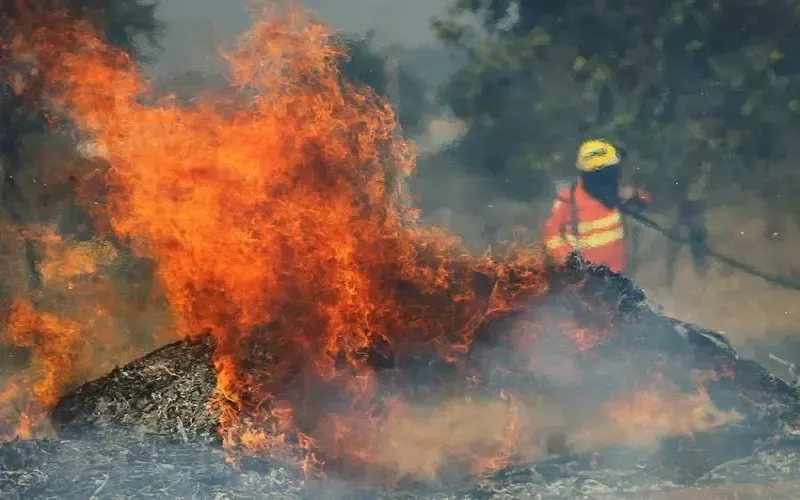
Wildfires Rage in Brazil's Minas Gerais National Park, New Coffee Crop Season Output May Face Potential Impact
A fire in the Serra do Cipó National Park in the Cerrado region of Minas Gerais state in southern Brazil has been burning for four days, with the burned area reaching 478 hectares. The state is a core coffee-producing region in Brazil, accounting for 30% of the country's output, and many coffee estates are located nearby. Although, as of August 13, the harvest of the new coffee season is nearly complete, so the current fire has limited impact on this season's output, damage to the soil and ecological environment, low humidity, and the possible arrival of a La Niña climate make the outlook for coffee production in the 2024/25 season worrying. [more…]
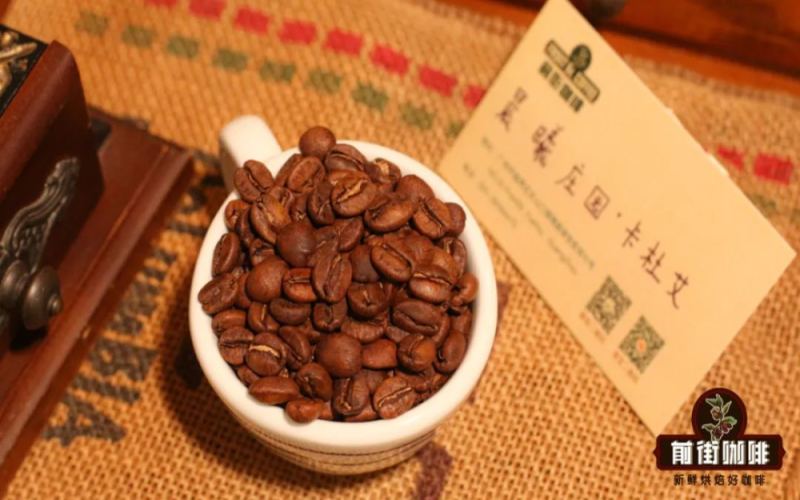
Costa Rica Dawn Estate Red Honey Catuai: Tarrazu Origin Flavor and Variety Analysis
In coffee cupping, sweetness is often the key to a higher score, and Costa Rica, with its diverse honey processing methods, has become a representative origin for high-quality sweetness. In this article, Front Street will focus on a red honey processed Catuai from Dawn Estate in the Tarrazu region of Costa Rica, breaking down everything from the estate's story, the terroir of Tarrazu, and the characteristics of the Catuai variety to the details of red honey processing. The estate is located at an altitude of 1,750 meters, surrounded by pristine green belts, and practices ecological principles through meticulous plot management. Through cupping records, we will present the sweet orange, cream, grapefruit, honey, and black tea flavors this bean displays in dry aroma and slurping, and share its flavor performance under a medium-light roast. [more…]

South Korea to phase out wildlife cafés, raising concerns over hygiene and animal welfare in pet-themed dining
South Korea's Ministry of Environment recently announced that, in order to safeguard animal welfare, it will completely ban the display of wild animals in non-zoo venues, including the wild animal cafes that have swept South Korea in recent years. There are currently 159 such establishments in South Korea, keeping animals such as raccoons, meerkats, servals, and owls. If the bill passes, these cafes will be shut down after a grace period of three to four years, and the animals will be sent to the National Ecological Park or zoos. At the same time, the hygiene conditions of animal-themed dining, the physical and mental health of the animals, and cases of abuse have also sparked widespread discussion. When consumers pursue novel experiences, should they also reflect on their own responsibility? [more…]
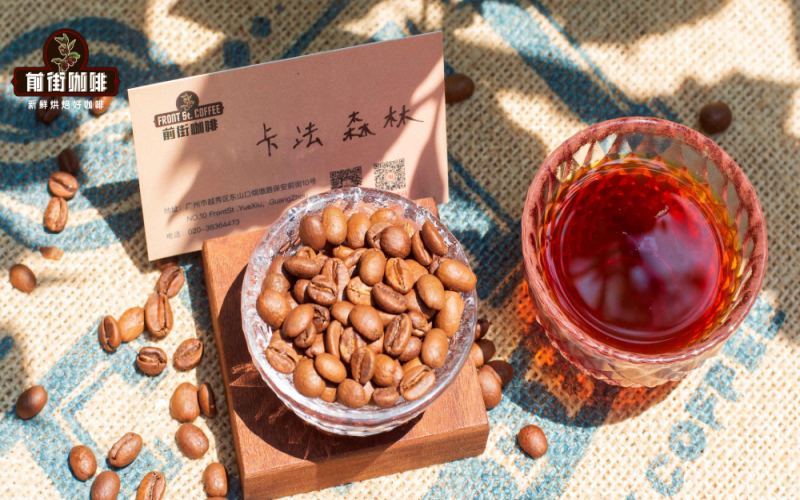
Exploring Ethiopia's Kafa Forest: The Birthplace of Wild Arabica Coffee and a Flavor Analysis
In western Ethiopia, there is a primeval forest known as a "natural coffee variety museum"—the Kafa Biosphere Reserve. This place is not only a genetic treasure trove of Arabica coffee but also the homeland of wild coffee trees. Coffee trees reproduce naturally in the high-altitude shaded environment of 1,400 to 2,100 meters, nurturing unique floral and fruity notes. Front Street Coffee selects washed-batch Kafa Forest coffee beans, presenting their bright citric acidity, white floral aromas, and sweet orange flavors through a medium-light roast. This article will guide you through an in-depth understanding of the geography and ecology of Kafa Forest, the characteristics of coffee cultivation there, and the complete flavor profile of this wild coffee as cupped by Front Street. [more…]
Ethiopian Kafa Forest Coffee: A Wild Arabica Gene Treasure Trove and Sun-Dried Flavor Analysis
In western Ethiopia, the Kafa Biosphere Reserve is renowned for its wild coffee—coffee trees grow in shaded environments at altitudes of 1,400 to 2,100 meters, where red soil, microclimates, and abundant rainfall combine to cultivate a unique flavor. Front Street Kafa Forest coffee beans are medium-light roasted, presenting white floral aromas after grinding, with a bright citric acidity on the palate, accompanied by notes of sweet orange and bergamot, and a finish of melon and nutty flavors, resembling green tea in mouthfeel. This forest, covering over 760,000 hectares, is considered a genetic treasure trove of Arabica coffee, nurturing approximately 5,000 coffee tree species. However, clearing and logging once threatened the forest with disappearance; since 2010, it has been designated an international biosphere conservation area, with about 30 cooperatives established nearby to harvest wild cherries. This article delves into the Kafa Forest, analyzing its ecology, varieties, and cup profile. [more…]
Panama Hacienda La Esmeralda Geisha Coffee Analysis: Esmeralda Estate Grading, Pour-Over V60 Parameters, and Flavor Characteristics
Geisha coffee is renowned worldwide for its elegant floral aroma and complex fruit notes, and Hacienda La Esmeralda in Panama played a key role in its spread. This article starts from Front Street Coffee's Geisha product lineup, outlining the grading logic of Red Label and Green Label, cupping performance, and origin information, while also introducing Hacienda Janson's ecological cultivation background and its shortlisting experience in the 2013 Best of Panama coffee competition. At the end, it includes a V60 three-pour hand-brewing method designed by Front Street Coffee's baristas specifically for Geisha beans, including water temperature, coffee-to-water ratio, and pouring rhythm, to help enthusiasts more fully bring out the sweet-tart layers and juicy character of this bean. [more…]
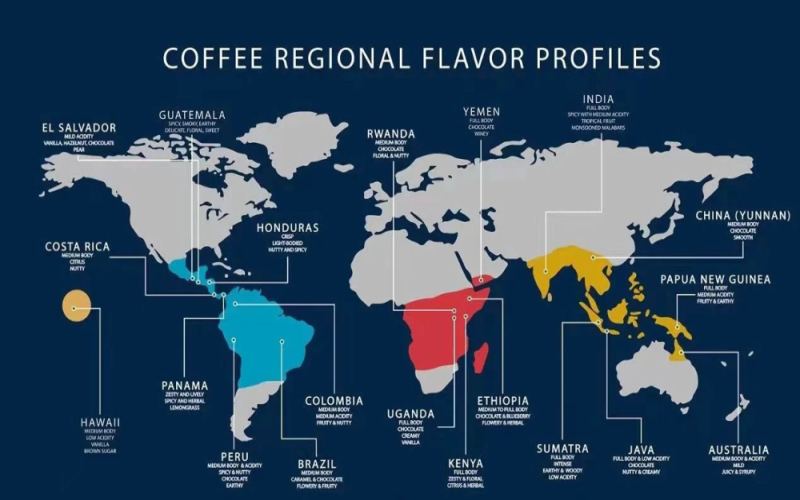
Analysis of the Global Coffee Golden Belt: A Discussion of Suitable Coffee-Growing Regions and the Conditions of Yunnan's Producing Areas
Coffee trees are quite particular about their growing environment, and not just any piece of land can successfully cultivate them. Within the zone between 25° south latitude and 25° north latitude on Earth, where temperatures are moderate, there is no threat of frost, and annual rainfall is sufficient, lies what is recognized as the coffee "Golden Belt." Currently, 79 countries and regions around the world are engaged in coffee cultivation and production, and Yunnan, China, is among them. Due to differences in terroir such as latitude, altitude, soil, sunlight, temperature, and humidity, each region nurtures distinctly different coffee flavors. The taste and mouthfeel of coffee beans are about 70% determined by varietal genetics, while the remaining 30% comes from the ecological conditions of where they are grown. The following article will sort out in detail the distribution logic of the Golden Belt and answer whether Yunnan is a region suitable for coffee cultivation. [more…]