








Costa Rica is renowned in the coffee world for its innovative honey processing method, and the red honey processed SHB-grade coffee beans from Hacienda Villa in the Central Valley are a quintessential example of this processing style. This article will break down the unique characteristics of these beans layer by layer, from the terroir of the producing region and the estate's background to the characteristics of the Villa Sarchi variety and the red honey processing technique, and will also include Front Street Coffee's roasting approach and pour-over parameter suggestions to help you fully unleash the sweetness and acidity of these beans, so you can brew a cup of distinctly layered Costa Rican flavor at home.
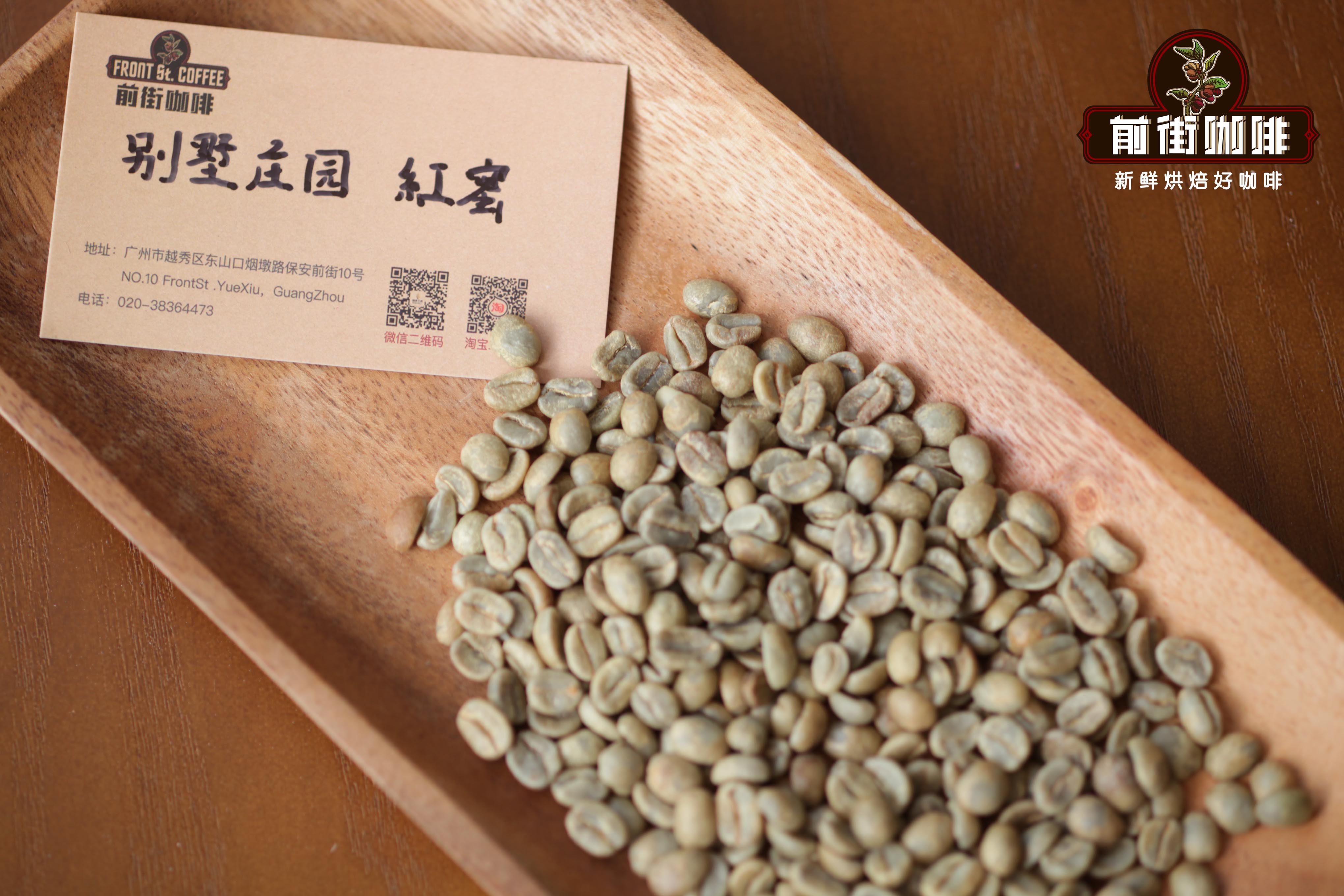
Front Street Costa Rica Hacienda Villa Red Honey Processed Coffee Beans
Region: Costa Rica, Central Valley
Estate: Hacienda Villa
Altitude: 1500 meters
Variety: Villa Sarchi Villa Sarchi
Processing Method: Red Honey Process
Grade: SHB
Region Information
Costa Rica is located in Central and South America and is one of the world's well-known coffee-producing origins. What is most memorable about this country is its improved "dry processing method," namely the honey processing method. Compared with the traditional washed method, honey processing can reduce water pollution by about 90% while lowering water usage by around 95% . This technique is not only more eco-friendly for the local environment, but also allows the coffee's sweetness to come through more prominently.
Central Valley
The Central Valley is an extended valley surrounded on all sides by high mountains and volcanoes, with relatively flat terrain. About 3/4 of Costa Rica's population lives here. The volcanic soil here is fertile, laying a natural foundation for agricultural development.
Temperatures in the Central Valley fluctuate between 15 and 30 °C, depending mainly on the position relative to the mountains, with altitudes ranging roughly from 800 m to 1,500 m . In summer, the western part of the valley is affected by trade winds, creating a microclimate highly suitable for coffee cultivation.
This lot from Front Street comes from Hacienda Villa in the Central Valley. The estate's Spanish name is " Finca Lote La Casa ," meaning "the farm of many houses." The owner, Carlos ( Carlos ), whose family has operated a coffee processing plant since 2000 , later decided to branch out independently and now runs 5 small farms together with his wife. They are extremely strict about controlling coffee quality.
Carlos is passionate about experimenting with different varieties: he currently grows Geisha, Villa Robles, Typica, Villa Sarchi, and SL-28 (he was the first producer in Costa Rica to obtain SL-28 ; in past years he did not keep this special variety to himself but shared the seeds with friends and neighbors). Carlos has always believed that, in addition to processing techniques, the coffee variety itself also deserves close attention.
Coffee Variety
The variety selected for this lot from Front Street is Villa Sarchi ( Villa Sarchi ). It is a natural mutation of Bourbon, carrying a single-gene mutation that causes the plant to be dwarf-sized, similar to Pacas and Caturra. Villa Sarchi was discovered in Costa Rica between 1950 and 1960 in the northwest of Alajuela Province, after which local pedigree selection was carried out, that is, selecting individual plants over successive generations. Villa Sarchi has not been widely planted outside Costa Rica, so it is fair to call it a coffee variety unique to Costa Rica.
Processing Method
This coffee bean uses Hacienda Villa's red honey processing method. Red honey processing is one type within the honey processing family, and black honey processed coffee is also worth tasting, such as Front Street Blackberry, which also comes from the Costa Rican producing region. Because it naturally carries floral and fruity flavors, it is roasted to a medium-light level. When brewed, you can taste notes of orange blossom, berries, dried blueberries, and liqueur chocolate. Made as cold brew, it is refreshing with bright acidity and sweetness; as pour-over, its sweetness bursts forth; as espresso, it is rich and aromatic.
Hacienda Villa has a regular harvesting team made up of 45 Indigenous people from Panama, who come to the farm to work each harvest season. The pickers focus only on selecting bull's-blood-red coffee cherries, and Don Carlos ( Don Carlos ) and his wife trust the pickers so much that they do not even set up a floating tank in the wet processing stage. Workers and visitors are required to cover or remove their shoes before entering the drying area to prevent dust and dirt from contaminating the coffee fruit. The receiving and depulping stations at the mill are also always kept clean, as if brand new.
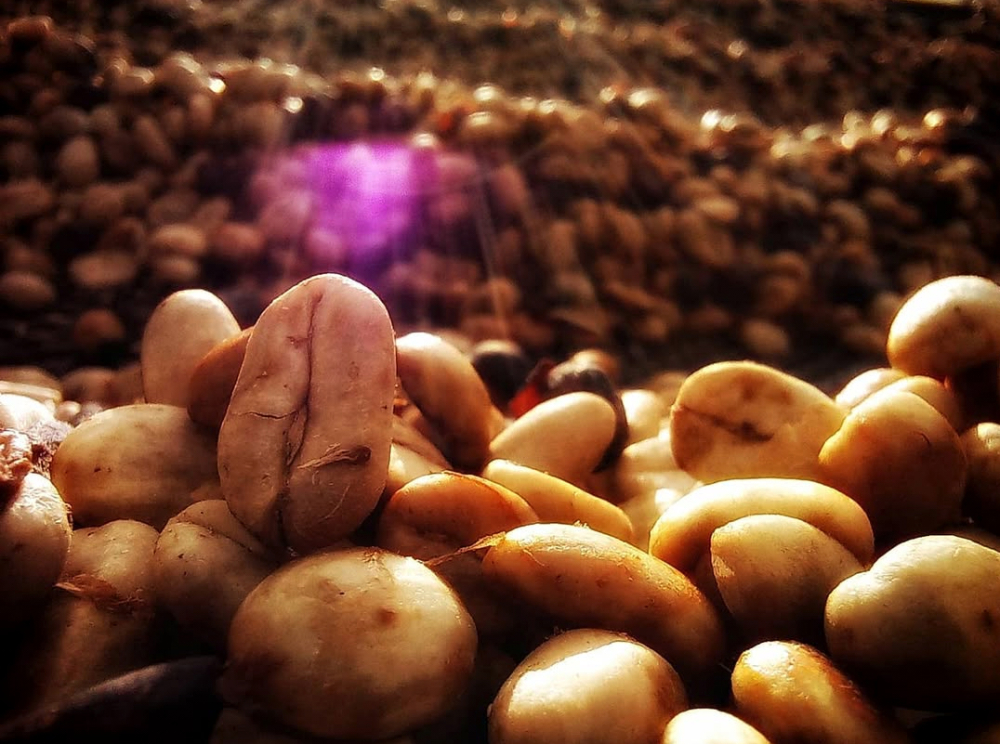
After harvesting is completed, the coffee enters the depulping stage. Red honey processing retains 70% of the mucilage layer, after which it is sun-dried in a shaded shed for about 12 days. Once moisture content and fermentation levels pass inspection, it can be stored in the warehouse.
FrontStreet Coffee Roasting Plan
To highlight the sweetness of this red honey processed coffee while ensuring its acidity is pleasant, Front Street's roaster chose a medium-light roast. By extending the intermediate phase, the sweetness expression of this coffee is enhanced.
Cup Profile Flavor Description
FrontStreet Coffee Brewing Suggestions
Dripper: V60#01 Water Temperature: 90-91°C Dose: 15g Coffee-to-Water Ratio: 1:15 Grind Size: Medium-fine grind (80% passing through China standard No. 20 sieve)
Brewing Method: Three-stage extraction. Use 30 grams of water for a 30-second bloom, then pour in a slow circular stream until 125 grams for the first stage. When the water level is about to expose the coffee bed, continue pouring until 225 grams and stop. When the water level is about to expose the coffee bed again, remove the dripper. (Start timing at the beginning of the bloom.) Extraction time is 2'00.
The above content is compiled by CoffeeHunters, a coffee news website.


