







How Does Honey Processing Shape Costa Rica Coffee Flavor?
Costa Rica's honey processing cuts water use sharply compared with traditional washing and adds a clear sweetness to the cup. This Villa Sarchi lot comes from Finca Lote La Casa in the Central Valley at 1500 meters, processed as red honey with 70 percent of the mucilage layer left on for shade drying, and roasted medium-light.
Honey processing can reduce water pollution by about 90 percent and water usage by about 95 percent, so it protects local ecology while lifting sweetness. Villa Sarchi is a natural mutation of Bourbon, and the article covers the estate's varietal work plus V60 three-stage brewing parameters, a 1:15 ratio and pours that recreate the sweetness and acidity.
Costa Rica stands out in the specialty coffee world with its innovative honey processing method, which can significantly reduce water consumption while imparting a bright sweetness to the coffee. This article focuses on the Villa Sarchi variety from Finca Lote La Casa, selected by Front Street Coffee. The beans are grown in the Central Valley at an altitude of 1500 meters, processed using red honey, retaining 70% of the mucilage layer for shade drying. The article will guide you through the terroir of the Central Valley, the estate owner Carlos's dedication to varietal diversity, and the unique background of Villa Sarchi as a natural mutation of Bourbon. Meanwhile, the roaster from Front Street Coffee shares a medium-light roast profile and V60 three-stage brewing parameters to help you fully recreate the sweetness and pleasant acidity of these beans.
Region: Costa Rica, Central Valley
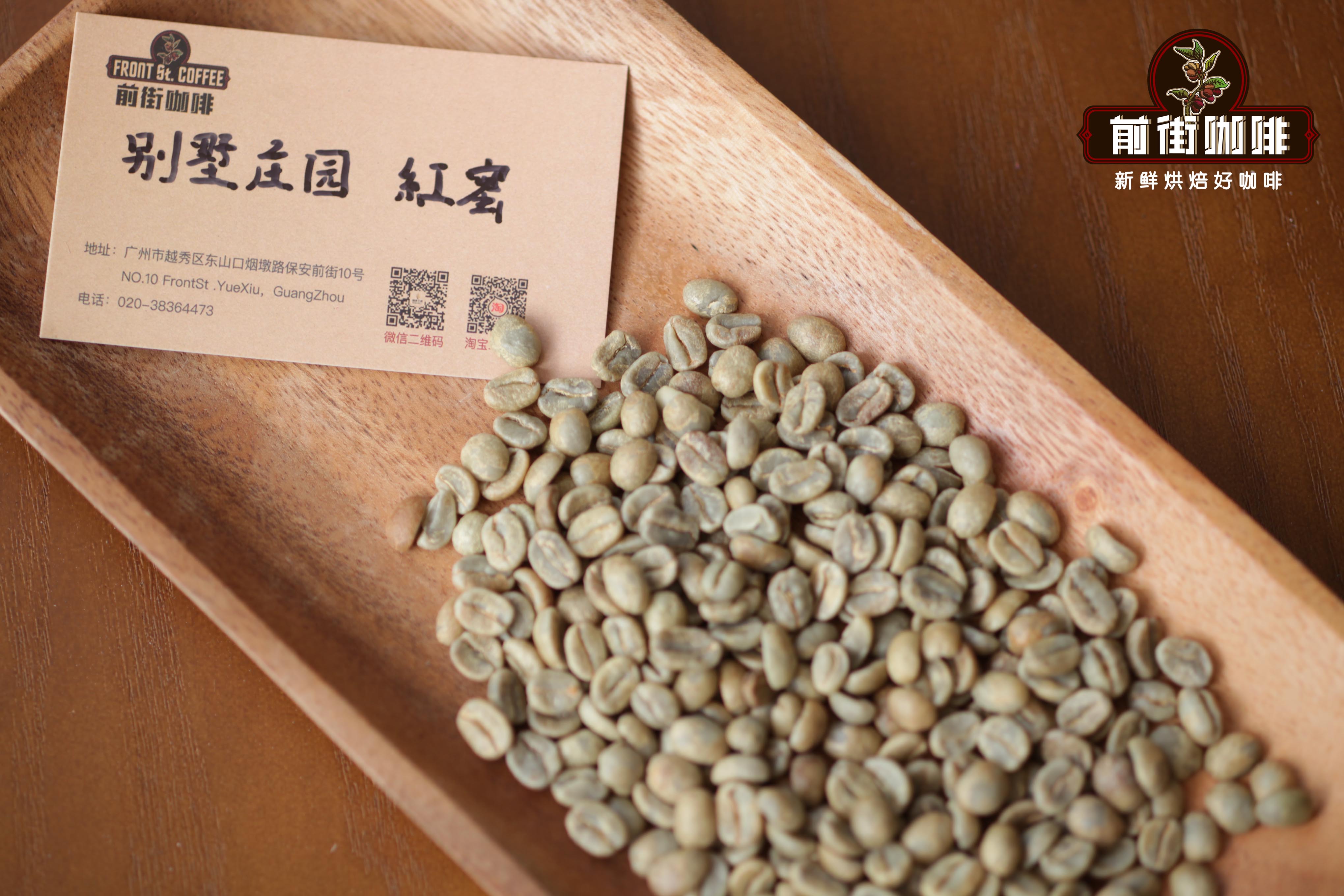
Estate: Finca Lote La Casa
Altitude: 1500 meters
Variety: Villa Sarchi Villa Sarchi
Processing method: Red Honey
Grade: SHB
Harvest year: 2021
Regional Information
Costa Rica is located in Central and South America and is one of the world's renowned coffee-producing regions. What coffee enthusiasts often rave about is the country's improved "dry processing method," commonly known as honey processing. Compared to traditional washing methods, this technique can reduce water pollution by about 90% and lower water usage by about 95%. While preserving local ecology, honey processing can also effectively enhance the sweetness of the coffee itself.
Central Valley
The Central Valley is a narrow valley surrounded by high mountains and volcanoes, with relatively flat terrain inside. About three-quarters of the country's population lives here. The fertile volcanic soil provides a solid foundation for agricultural development.
Temperatures in the valley fluctuate between 15 and 30 °C, mainly depending on slope orientation and altitude differences (ranging roughly from 800 m to 1,500 m ). The western area is influenced by trade winds in summer, providing ideal conditions for coffee cultivation.
This coffee from Front Street Coffee comes from Finca Lote La Casa in the Central Valley. The estate's name in Spanish is " Finca Lote La Casa ," meaning "a farm with many houses." The owner, Carlos ( Carlos ), whose family has operated a coffee processing plant since 2000 , later decided to branch out on his own, managing 5 small farms with his wife, and has extremely high standards for coffee quality.
Carlos is passionate about experimenting with different varieties: he currently grows Geisha, Villa Lobos, Typica, Villa Sarchi, and SL-28 (he was the first producer in Costa Rica to obtain SL-28 ; over the past few years, he did not hoard this special variety but shared the seeds with friends and neighbors). In Carlos's view, besides refining processing techniques, the coffee variety itself also deserves attention.
Coffee Variety
The beans from Front Street Coffee use Villa Sarchi ( Villa Sarchi ), a natural mutation of Bourbon, carrying a single-gene mutation that makes the plant shorter (i.e., "dwarfism"), similar to Pacas and Caturra. Villa Sarchi was discovered in the northwestern part of Alajuela Province, Costa Rica, between 1950 and 1960 , and was subsequently subjected to pedigree selection (i.e., selecting individual plants through successive generations). Since Villa Sarchi is not widely grown outside Costa Rica, it is fair to call it a coffee variety unique to Costa Rica.
Processing Method
This coffee is processed using the red honey method at Finca Lote La Casa. Red honey is a type of honey processing. The estate has a dedicated picking team composed of 45 indigenous people from Panama who travel to the farm every harvest season. Pickers focus solely on harvesting bull's blood-red ripe coffee cherries. Don Carlos (Don Carlos) and his wife trust the pickers so much that they do not even set up a floating tank—a wet processing tool. Workers and visitors are required to wear shoe covers or remove their shoes before entering the drying area to prevent dust and dirt from contaminating the coffee fruit. The receiving and depulping stations at the mill are also kept very clean, as if brand new.
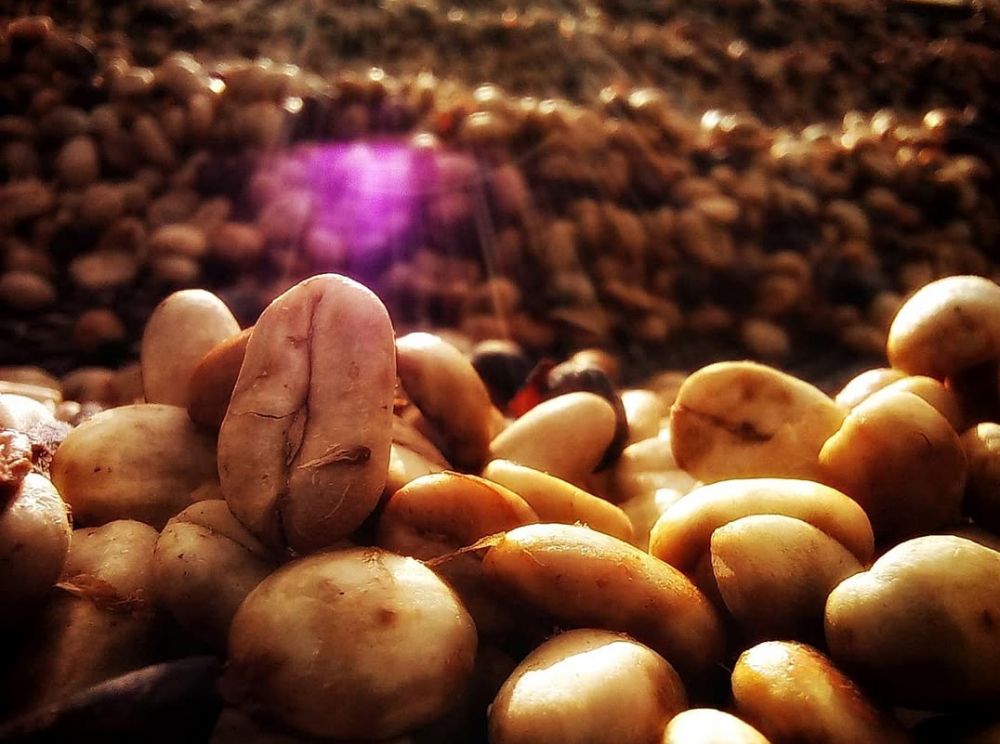
After harvesting, the depulping stage begins. Red honey processing retains 70% of the mucilage layer, followed by sun drying in a shaded shed for about 12 days. Once moisture content and fermentation levels pass inspection, the beans are stored in the warehouse.
Front Street Coffee (FrontStreet Coffee) Roast Profile
The roaster at Front Street Coffee believes that to highlight the sweetness of this red honey-processed coffee while preserving its pleasant acidity, a medium-light roast is appropriate. By extending the development phase, the sweetness of this coffee can be further enhanced.
Cupping Flavor Description
Front Street Coffee (FrontStreet Coffee) Brewing Recommendations
Dripper: V60#01
Water temperature: 90-91°C
Dose: 15g
Coffee-to-water ratio: 1:15
Grind size: Medium-fine (80% passing through China standard No. 20 sieve)
Brewing method: Three-stage extraction. Bloom with 30g of water for 30 seconds, then pour in a slow circular stream until the scale reads 125g for the first stage. When the water level is about to expose the coffee bed, continue pouring until 225g and stop. When the water level is about to expose the coffee bed again, remove the dripper. (Start timing at the beginning of blooming.) Total extraction time: 2'00.
The above content is compiled by CoffeeHunters, a coffee news website.


