







What does Red Honey processing do to Costa Rica arabica?
Costa Rica Red Honey coffee from the Las Haras Estate in the Central Valley shows balanced sweetness and acidity, distinct fruity aromas and a chocolate-like viscous mouthfeel. Costa Rica was the first country in Central America to cultivate coffee, and all coffee grown there is arabica. Fertile volcanic soil, good drainage and a suitable climate support that quality.
Honey processing is graded by how much pectin is left on the bean and how long it dries. Yellow, Red and Black Honey differ in retained mucilage and drying time, and the higher pectin retention in Red Honey helps build body and fruit aroma. Front Street carries this Central Valley Red Honey lot and applies set roasting and brewing parameters.
As the first country in Central America to cultivate coffee, Costa Rica, with its fertile volcanic soil and suitable climate, produces high-quality Arabica coffee that is balanced and mild with bright fruity acidity. This article focuses on Front Street Costa Rica Las Haras Estate Red Honey coffee, providing an in-depth introduction to the Central Valley production region's characteristics, the background of Las Haras Estate, and its unique honey processing classification methods. By comparing the pectin retention ratios and drying durations of Yellow Honey, Red Honey, and Black Honey, it analyzes how Red Honey processing delivers a solid, viscous mouthfeel and distinct fruity aromas. It also shares the roasting curve and brewing parameters of Front Street Blackberry coffee, offering coffee enthusiasts a complete flavor guide from production region to cup.
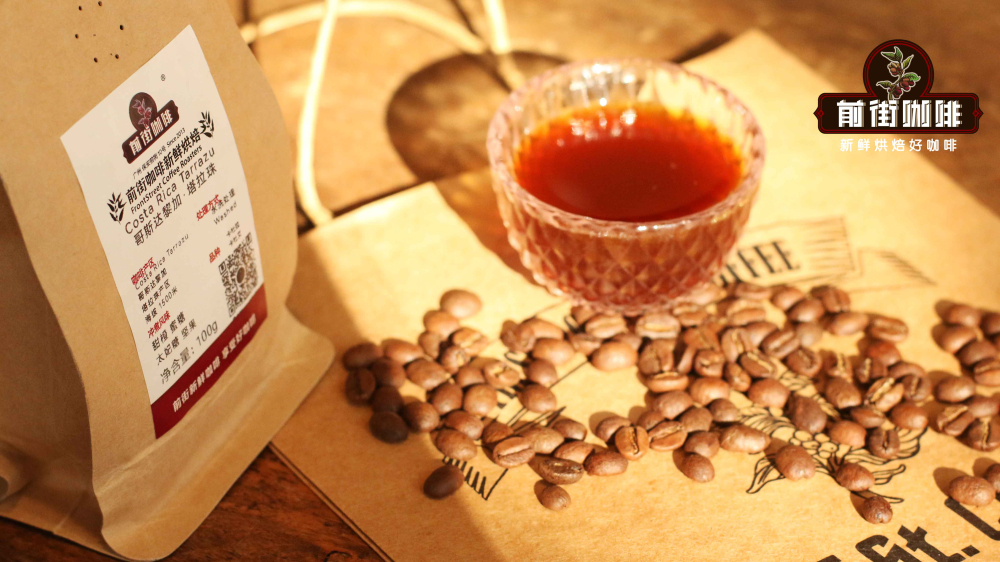
Costa Rica's honey processing craft has always been a lingering attachment for Front Street. Front Street carries Black Honey processed coffee, and today we will introduce in detail a Costa Rica Red Honey coffee. This Red Honey comes from the Central Valley—one of Costa Rica's famous specialty coffee regions, and the specific beans selected are Front Street Costa Rica Las Haras Estate Red Honey processed coffee. This estate enjoys an extremely high reputation worldwide, attracting numerous green bean buyers each year to source their coffee. Thanks to its superior natural conditions and exquisite processing techniques, this Red Honey stands out with exceptional fruity aromas alongside balanced sweetness and acidity, and it also carries a chocolate-like viscous mouthfeel—this is precisely why Front Street chose it!
Costa Rica was the first country in Central America where coffee was introduced and cultivated. Located in the Central American isthmus, it benefits from fertile volcanic soil, good drainage, and suitable climate conditions, resulting in relatively high-quality coffee beans. All coffee grown in the country is Arabica, with green beans that are generally large in size. The coffee quality is basically of superior grade, making it one of the highly valued coffee-growing regions locally. Costa Rican coffee's overall flavor profile is balanced and mild, with pleasant fruity acidity, fragrant aromas, and a viscous mouthfeel.
The Central Valley production region is one of Costa Rica's more well-known regions. Costa Rica has a total of seven major coffee production regions: Turrialba Valley, Central Valley, Western Valley, Tres Rios, Brunca, Orosi, and Tarrazu. The Central Valley production region sits at an altitude between 1,200-1,600 meters, with a harvest season from November to March. This region encompasses three sub-regions: San Jose, Heredia, and Alajuela. The Central Valley region is also the earliest area in Costa Rica where coffee was planted, featuring rich volcanic soil. Coffee from this region often exhibits bright, smooth fruity acidity, abundant aromas, and sometimes chocolate notes.

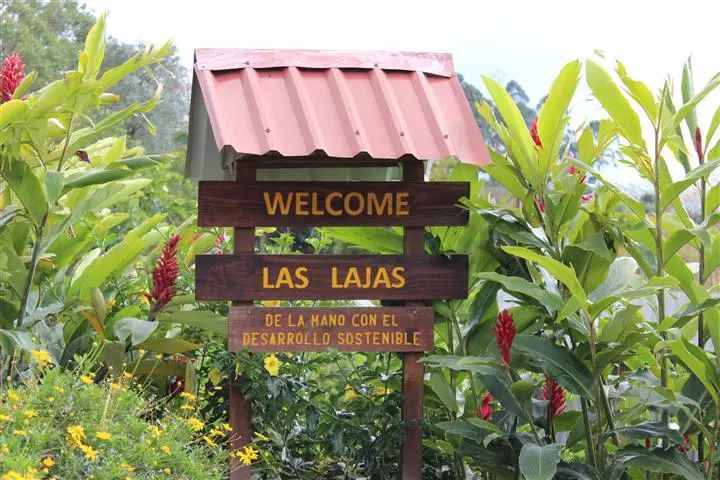
Las Haras Estate
Las Haras Estate is located in the Central Valley production region not far from the capital, quite close to Poas Volcano, at an altitude between 1,250-1,500 meters, with annual production of approximately 55,200 kilograms. The estate is currently jointly managed by third-generation owner Francisca Cubillo and her wife Oscar. It is one of the earliest estates to begin systematic research and processing, and has been deeply favored by buyers worldwide for many years.
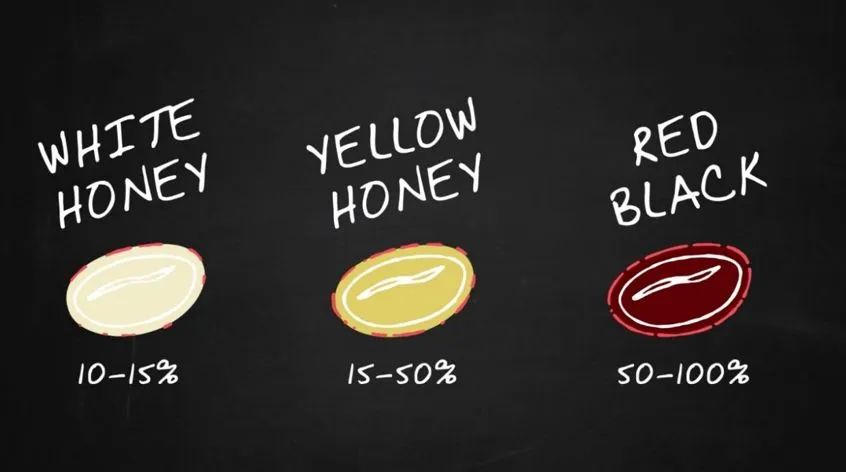
In Las Haras Estate's processing methods, the estate owner classifies honey processed and natural processed coffees into multiple different categories based on flavor expression. As for honey processing, Las Haras Estate decided to adopt another approach—retaining 100% of the highest ratio of mucilage, and presenting different coffee flavors by controlling sun exposure and raking time on African raised beds. In honey processing classification, the estate owner divides coffee into three types: Yellow Honey, Red Honey, and Black Honey.
Honey processing refers to the process of removing the pulp and skin, then sun-drying with the mucilage still attached, ultimately producing green beans.
Yellow Honey: 40% pectin removed, receives maximum sunlight for drying, lasting about 8 days.
Red Honey: 25% pectin removed (specific practices vary by estate), sun-drying lasts about 12 days, and shade covers may also be used during the process.
Black Honey: Almost no pectin is removed, so drying takes the longest, requiring more than 14 days. During the process, to prevent drying too quickly, covers are used to block overly intense sunlight so that sugar conversion is more complete. The explosively sweet Front Street Blackberry is a Costa Rican Arabica coffee using Black Honey processing. After a medium-light roast, it carries flavors of flowers, berries, dried blueberries, and liqueur chocolates—perfect for those who fear bitterness or dislike acidity.
The varieties of this Red Honey bean are Caturra and Catuai, commonly found among American beans.
Caturra is a natural mutation of Bourbon, while Catuai is a coffee variety artificially crossbred from Caturra and Mondu Novo. Coffees of these two varieties often possess bright, soft fruity acidity, and their sweetness expression is usually quite good as well.
Roasting Curve
For this Front Street Costa Rica Blackberry coffee bean, during roasting we chose a relatively low charge temperature and completed this curve using a fast roast approach, setting the roast level to medium to express the solid, viscous mouthfeel characteristic of honey processing. The drum temperature was 155°C when charging, with heat at 120, airflow opened to 3, and a turning point at 1'28". When the drum temperature reached 140°C, airflow was opened to 4. At 8'30", the bean surface showed ugly wrinkles and dark streaks, and the toasty bread aroma clearly transitioned to coffee fragrance, which can be defined as the prelude to first crack. At this point, one must listen carefully for the sound of first crack. First crack began at 9'08", airflow was opened to 5, development after first crack lasted 1'45", and the beans were dropped at 196°C.
The Agtron bean color value is 67.7 (top image), the Agtron ground color value is 70.4 (bottom image), and the Roast Delta value is 2.7.
Cupping flavor: Slurping while hot reveals chocolate and caramel; as temperature changes, slurping reveals nectarine and green grape acidity.
Front Street Costa Rica Tarrazu Blackberry
Region: Central Valley
Altitude: 1300-1500m
Processing Method: Red Honey Processing
Grade: SHB
Varieties: Caturra, Catuai
【Front Street Costa Rica · Blackberry】Brewing Parameters
Recommended Brewing Method: Pour Over
Dripper: Hario V60
Water Temperature: 90°C
Coffee-to-Water Ratio: 1:15
Grind Size: EK43s setting 9.5 (80% passing rate on Chinese standard No. 20 sieve)
Brewing Technique: Pulse Extraction
First pour: 30g water for 40-second bloom; second pour: add water to 126g in stages; when the water level drops and is about to expose the coffee bed, continue pouring the third stage to 225g; when the water level drops and is about to expose the coffee bed, remove the dripper. (Timing starts from the beginning of the bloom pour.) Total extraction time is 2'06".
Flavor: Entry with yellow peach and grape acidity, dark chocolate aroma; as temperature changes, the fruity sweet-tart character gradually emerges, with a lingering finish carrying a hint of light brown sugar aroma.
The above content is compiled by CoffeeHunters, a coffee news website.


