







Search Results for: AA Grade Coffee

kenya coffee|What do Kenya coffee AA, AA+, and Top mean? What are the green bean grading standards for Kenyan coffee?
Friends who frequently buy coffee beans will surely notice that most coffee bean names are followed by English suffixes such as AA and AB. This is especially true for Kenyan coffee beans—Kenya AA, Kenya AB, Kenya PB, Kenya AA+, Top, and so on. "So what do these suffixes mean? [more…]
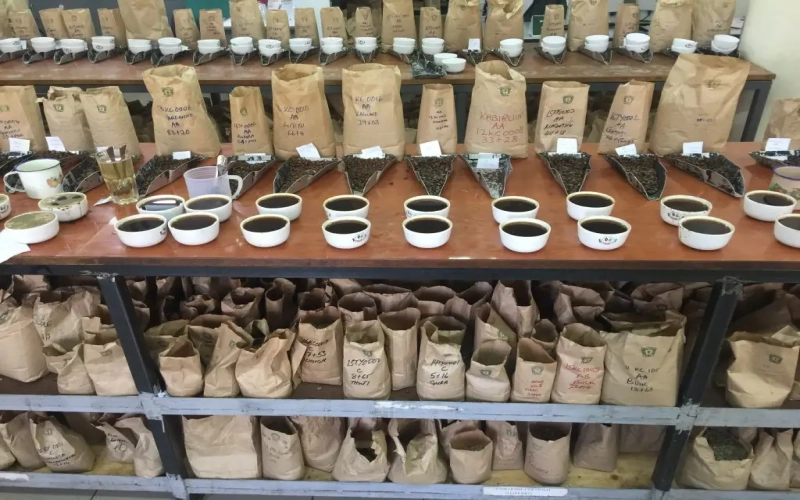
A Detailed Guide to Kenyan Coffee Bean Grading: The Practical Differences Between AA TOP and AA Grade in Cupping and Flavor
Kenya's coffee grading system has long confused many enthusiasts—what exactly do the letters AA, AB, and PB stand for? Is AA TOP an additional grade marked outside the official classification? This article will systematically sort out Kenya's official green bean grading standards, explaining them one by one from dimensions such as bean screen size, shape, and hardness, while also clarifying non-official labels like TOP, PLUS, and FAQ that exporters add on their own. The article also uses a comparative brewing of two Front Street Kenyan AA beans to concretely present the actual differences between AA TOP and regular AA in terms of cleanliness, complexity, and sweet-acidity performance, helping readers make clearer judgments when purchasing. [more…]
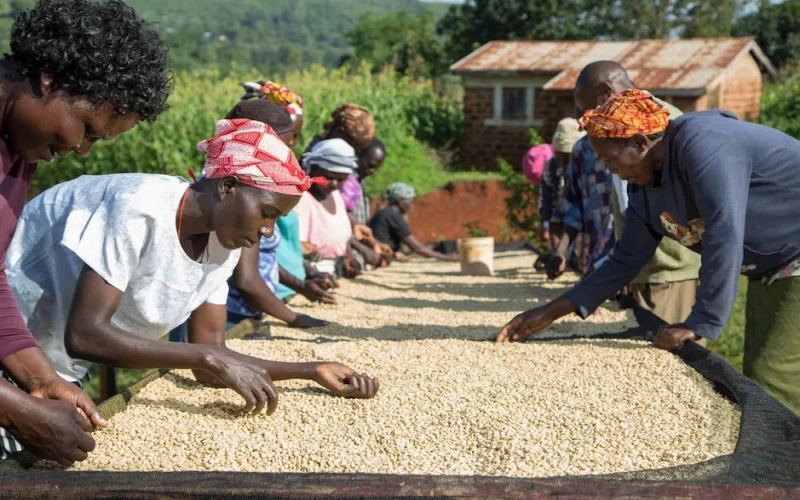
Kenya Specialty Coffee Bean Grading and Flavor Analysis: From AA to AB and TOP Rating Standards
Kenyan coffee is world-renowned for its rigorous grading system and distinctive flavor characteristics. This article systematically reviews Kenya's coffee bean size grading system, including the specific standards for common grades such as AA, AB, and PB, while also introducing flavor grading methods like TOP and PLUS. Drawing on Front Street Coffee's roasting and brewing practices, and using Kenyan Asaliya coffee beans as an example, the article explains in detail the flavor performance of AA-grade beans and suggested pour-over parameters, providing coffee enthusiasts with a complete reference from bean selection to tasting. [more…]

Analyzing the Grading Differences Between Kenya AA and AA TOP: A Detailed Look at the Asalia K72 Washed Beans from the Thika Region
Kenyan coffee is famous for its bright, juicy acidity, and labels such as AA, AB, and AA TOP are common in China. How exactly are these grades divided? Is there a substantial difference between AA and AA TOP? This article will start with Kenya's official grading system, analyze the criteria for grades such as AA, AB, PB, and E, and explain the meanings of secondary grading terms such as TOP, Plus, and FAQ set by exporters themselves. It will also introduce the K72 washed coffee beans from the Asali Processing Plant in the Thika region, which use SL28 and SL34 varieties, are AA grade, and are light-roasted by Front Street Coffee to present flavors of cherry tomato and smoked plum. [more…]

An Analysis of Kenya Coffee's Grading System and Flavor Characteristics: From AA to Peaberry, Getting to Know One of the World's Top Producing Regions
Kenyan coffee occupies a pivotal position in the global specialty coffee landscape, and its bright, uplifting acidity and rich layers of complexity have fascinated countless coffee lovers. Yet when confronted with the letter combinations such as AA, AB, and PB on Kenyan coffee bean labels, many people are not clear about what they actually mean. In fact, these designations originate from Kenya's official coffee grading system, which takes into account multiple factors such as bean size, shape, and hardness. This article will systematically sort out Kenya's complete coffee grading system, explain the specific standards for each grade, and clarify the difference between the secondary grading set by green bean traders themselves and the official grades. At the same time, Front Street Coffee will also draw on its own sourcing experience to share the roasting and brewing approach for an AA-grade Kenyan bean from the Asaliya processing station. [more…]
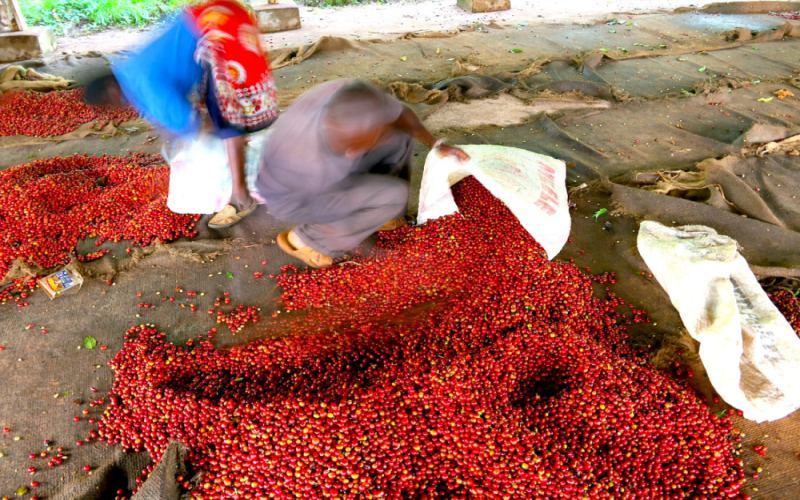
A Detailed Guide to Kenyan Coffee Bean Grading: AA Screen Size Standards and Front Street Specialty Recommendations
Kenyan coffee is renowned for its bright acidity and complex flavors, and its grading system is equally worth understanding in depth. Kenyan coffee beans are roughly divided into eight grades—E, PB, AA, AB, C, TT, T, and MH/ML—based on bean size, weight, and shape and appearance, with Grade AA being the most common and outstanding in quality. This article will analyze in detail the specific classification criteria for each grade, including the 17/18 screen size of Grade AA, as well as cup quality classifications set by exporters such as TOP, PLUS, and FAQ. It will also introduce the Kenyan AA TOP-grade beans launched by Front Street Coffee, originating from the Thika region and processed using the K72 double washing fermentation method, presenting delicate acidity reminiscent of berries and red wine along with a creamy sweet aftertaste, making them a top choice for lovers of acidic coffee. [more…]
A Complete Guide to Kenyan Specialty Coffee Bean Grades: AA, AB, and PB Grading Standards and Flavor Evaluation System
Kenyan coffee is renowned for its bright fruit acidity and solid sweetness. Behind this highly recognizable flavor profile lies a strict grading system that has been in use for nearly a century. Since the 1930s, Kenya has established grade classifications based on coffee bean size, shape, and hardness, while also incorporating flavor grade assessments to provide a double safeguard for green bean quality. What exactly do common grades like AA, AB, and PB represent? What do AA+ and TOP AA mean respectively? This article systematically sorts out the grading logic of Kenyan coffee, the screen sizes corresponding to each grade, and uses Front Street Coffee's own roasted Kenyan Asaliya coffee beans as an example to share their origin background, processing method, and brewing suggestions, helping coffee enthusiasts more clearly understand the quality framework of Kenyan coffee. [more…]

An Analysis of the Meaning of Tanzanian Coffee AA and AB Grades: British Imperial Screen Size Standards and the Detailed Classification Rules for Each Grade
Tanzania, one of Africa's Big Three coffee producers, has performed increasingly impressively in the global specialty coffee market in recent years. When buying Tanzanian coffee beans, what exactly do the "AA" and "AB" labels commonly seen on packaging mean? These letters are in fact grade codes for Tanzanian Arabica coffee beans, using a British imperial grading method similar to Kenya's, though the specific standards differ. Tanzanian authorities grade coffee by screen size, assuming that larger size means better quality, and classify beans into multiple grades such as AAA, AA, A, B, PB, C, E, F, AF, and TT. Among these, Grade AA requires mostly 17 to 18 mesh, while Grade AB is a mix of Grades A and B, and no such official grade actually exists. This article will explain in detail the specific mesh requirements and screening standards of each grade, helping coffee lovers decipher the grading code of Tanzanian coffee beans. [more…]

A Complete Guide to Coffee Bean Grading Standards: Meanings and Characteristics of Grades Such as G1, AA, AB, and SHB from Various Origins
When purchasing single-origin coffee beans, labels such as G1, AA, and SHB often appear on the packaging. What exactly do these letters and numbers represent? They are actually coffee bean grade symbols established by each origin based on its own conditions. Due to differences in growing environments and varieties, the grading criteria of different countries vary—some look at the number of defective beans, some at green bean size, and others at hardness or altitude. In this article, Front Street Coffee will sort out the grading standards of major producing regions such as Ethiopia, Kenya, Indonesia, Central and South America, and Brazil, helping coffee lovers understand the meaning behind these grades so they can more accurately select high-quality coffee beans that suit their own taste. [more…]
What grade do Kenyan PB round beans belong to? A detailed explanation of their flavor expression and mouthfeel characteristics
Kenyan coffee, with the wild tension unique to African beans and the fullness and depth of Central and South American coffee, has long been highly sought after by coffee enthusiasts. In China, Kenya AA is the most common grade designation, but above AA there are AA+ and AA TOP, while below it there is AB. If the packaging only says AA without specific estate or cooperative information, it usually only means the beans are uniform in shape and meet appearance standards, and the flavor may not be outstanding; conversely, as long as a specific estate, cooperative, or even buyer is indicated, whether AA or AB, it is worth trying. This article focuses on PB—Peaberry round beans, which in Kenya are specially screened out and sold separately, with scarce production and a distinctive flavor. The following will explain the formation principle of peaberries, their grade positioning, and present a complete cupping record of Kenyan PB. [more…]
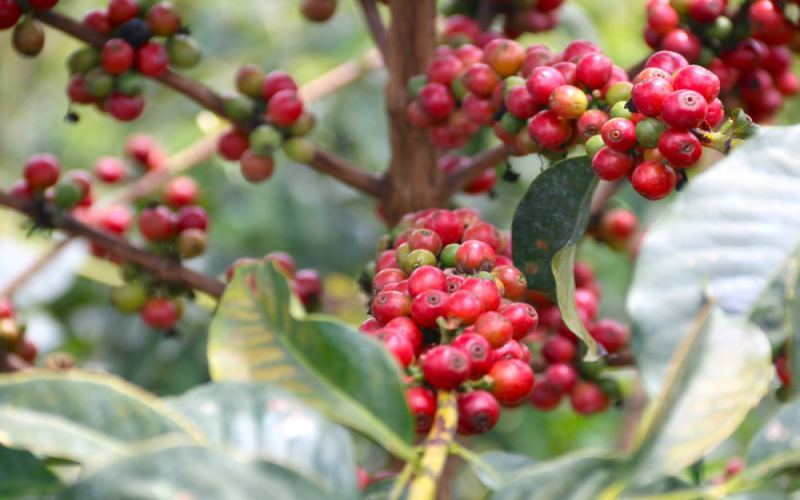
How Are Kenya Coffee AA and AA+ Grades Distinguished? A Detailed Explanation of Kenya Coffee Bean Grading Standards and Flavor Characteristics
Kenyan coffee is famous for its bright fruit acidity and rich flavors, making it a favorite among many coffee lovers. But when faced with grading labels such as AA, AA+, and AB, many people feel confused. From the perspective of Front Street Coffee, this article sorts out the development of Kenya's coffee industry, analyzes the origins and specific standards of its grading system, focuses on explaining the differences between AA grade and AA+ grade, and introduces the impact of the K72 washed processing method on flavor. At the end, it also includes the origin information and brewing parameters of Front Street Kenya Little Tomato coffee beans for daily reference. [more…]
A Detailed Explanation of the Differences Between Kenyan Coffee Green Bean AA and AB Grades and the Flavor Characteristics of Producing Regions
When purchasing Kenyan coffee, you will often see bean names followed by letter designations such as AA or AB—what exactly do they mean? Why does Kenya place such emphasis on these grades? This article will systematically outline Kenya's green bean grading system based on bean size, explaining the specific classification criteria for each grade—AA, AB, C, PB, E, TT, T, and MH/ML—and pointing out the limitations of size-based grading: bean size is not the sole determinant of flavor quality, and growing altitude and environment are equally critical. It will also introduce the flavor characteristics of coffee from Kenyan producing regions, along with Front Street Coffee's recommendations for Kenyan coffee. [more…]
A Detailed Explanation of the Kenyan Coffee Bean Grading System: A Full Analysis of the Meanings and Flavor Characteristics of AA, AB, and PB Grades
Kenyan coffee occupies an important position in the global specialty coffee scene thanks to its bright berry-like acidity, sugarcane-like sweetness, and juicy mouthfeel. Many consumers notice labels such as "AA," "AB," or "TOP" on coffee bags when making a purchase—but what exactly do these markings mean? This article systematically sorts out Kenya's coffee grading system, from the traditional size-based grading to the quality grading procedures established by the Kenya Coffee Research Institute, interpreting one by one the specific meanings and distinguishing criteria of grades such as AA, AB, PB, C, E, TT, and T, while also explaining the origins of secondary rating labels such as TOP, Plus, and FAQ and their cupping score ranges. In addition, the article uses Front Street Coffee's Kenya Asalia AA TOP as an example to provide detailed brewing parameters and flavor descriptions, helping coffee enthusiasts gain a more comprehensive understanding of the quality logic and tasting key points of Kenyan coffee. [more…]
Analysis of the Differences Between AA and AB Grades of Green Coffee Beans: A Full Interpretation of Kenya's Grading System and Three Major Grading Systems
In East African coffee-producing countries, coffee bean names from Tanzania, Uganda, and even Kenya often carry the suffix AA. What exactly does this letter combination mean? It represents the grade classification of green coffee beans. However, grading methods across global coffee origins are not limited to just one type; besides bean size, there are also different standards based on defect rate, growing altitude, and more. This article will take Front Street's perspective to systematically outline the three major green coffee bean grading systems, with a focus on analyzing Kenya's strict size-based grading system—from AA, AB to PB, E, TT, T, and even MH/ML, detailing the specific classification standards for each grade, while also pointing out the obvious limitations of judging quality by size. [more…]
The Grading Code of Kenyan Coffee Beans: A Detailed Explanation of AA, TOP, and Other Designations and Cupping Standards
When selecting Kenyan coffee, what exactly do the terms "AA" and "TOP" commonly seen on packaging represent? This article systematically sorts out Kenya's coffee grading system, from the bean size grading under the 1934 auction system (AA, AB, PB, C, E, TT, T, MH/ML) to the secondary quality ratings established by the Kenya Coffee Research Institute (TOP, Plus, FAQ), and analyzes the comprehensive scoring mechanism across the three dimensions of green beans, roasted beans, and cupping. It also presents the producing region information and brewing parameters of Front Street Kenya Little Tomato coffee beans, helping you understand the practical meaning behind the grading labels. [more…]
A Roundup of Famous Kenyan Coffees: Parsing the Grading System from CBK Auctions to AA Plus Micro-Lots
Kenyan coffee has always held an important position in the specialty Arabica market. Local production is dominated by smallholder farmers, and high-grade beans must be assessed and graded by the Kenya Coffee Board (CBK) before being sold through weekly auctions. This article will outline the brand context and grading logic of Kenyan coffee, with a focus on interpreting the characteristics of the AA Plus micro-lot grade—it has brighter fruit notes and red wine aromas than regular AA. At the same time, it presents the complete profile of Front Street Coffee's Nyeri region Mossball AA Plus, including the SL28 variety, altitude of 1,700 to 1,800 meters, washed processing, and cup tasting notes, helping enthusiasts understand the full picture of Kenyan coffee from the auction system to its performance in the cup. [more…]
A Detailed Guide to Kenyan Coffee Bean Grading: What Exactly Is the Difference Between AA TOP and AA?
Kenyan coffee is renowned worldwide for its bright, intense fruit acidity and full, robust body, while its grading system—AA, AB, PB, and so on—often leaves enthusiasts confused. What exactly is the difference between AA and AA TOP? Does the grading standard look only at bean size, or does it also take cup profile into account? This article sorts through Kenya's coffee history, growing conditions, variety selection, regional characteristics, grading system, and auction trading model one by one, and combines tasting examples from several Kenyan beans at Front Street Coffee to help readers clarify the real difference between AA and AA TOP. [more…]
Interpreting Tanzania's Coffee Bean Grading System: Does AA Grade Represent the Highest Quality?
Tanzanian coffee is often overshadowed by the halos of Ethiopia and Kenya among Africa's specialty origins, but its grading system, like Kenya's, is based on bean size, with AA being the highest grade. The Kilimanjaro AA washed beans introduced by Front Street Coffee come from the northern highlands at elevations of 1,300–2,000 meters, and the variety is Typica. From the perspective of Front Street Coffee, this article sorts out the cultivation history of Tanzanian coffee, the conditions of the Kilimanjaro producing region, the characteristics of varieties such as Bourbon and Kent, the washed processing flow, and the grading standards of AA, AB, PB, and C, and also includes Front Street's recommended pour-over parameters and flavor description, helping coffee lovers fully understand the origins and cup performance of this East African specialty bean. [more…]

Kenya AA Fram Estate Wins the 2017 East Africa Harvest Season Flavor Competition Championship
The results of the 2017 Taste of Harvest (TOH) East Africa competition's Kenya division have been announced. Fram Farm from the Kirinyaga production area took first place with a score of 85.3. This AA-grade auction lot was secured by Qingdao Fisher Coffee, making it another African TOH champion bean following Ethiopia's Gesha and Uganda's entries. Fram is a family-run private farm with its own washing station, and its main varieties are SL28 and SL34. This article will explore multiple angles including the farm's background, the development history of Kenyan coffee, the grading system, and the K72 washing process, along with Front Street Coffee's brewing recommendations and a flavor description of Kenyan small tomato beans, taking you through the full story behind this champion bean. [more…]

A Detailed Explanation of the Washed Process for Kenyan Specialty Coffee: K72 Fermentation and AA Grade Flavor Analysis
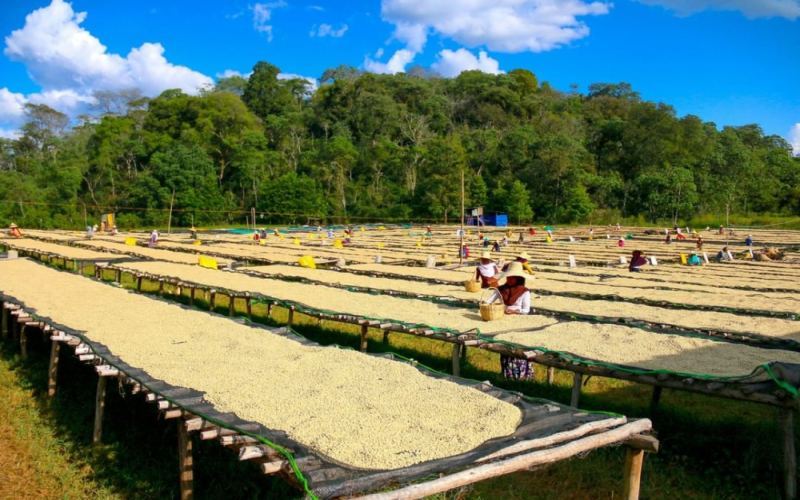
Kenyan coffee is renowned worldwide for its distinctive berry notes and robust fruit acidity, and the K72 washed processing method plays a crucial role in this. This unique technique splits the fermentation process into three rounds, each lasting 24 hours with fresh water, totaling 72 hours, which gives the coffee beans a more vibrant acidity. The drying stage is equally ingenious, with farmers using raised steel beds to dry the beans evenly, avoiding any earthy off-flavors from the ground and resulting in the clean, bright cup profile characteristic of Kenyan coffee. Front Street Kenya Cherry Tomato coffee beans are made from SL28 and SL34 varieties, classified as AA grade, and presented with a light-medium roast to highlight their full floral and fruity flavors. This article will provide a comprehensive analysis of the K72 processing details, the grading system, and Front Street's roasting and brewing parameters, giving you an in-depth look at the flavor secrets of these beans. [more…]