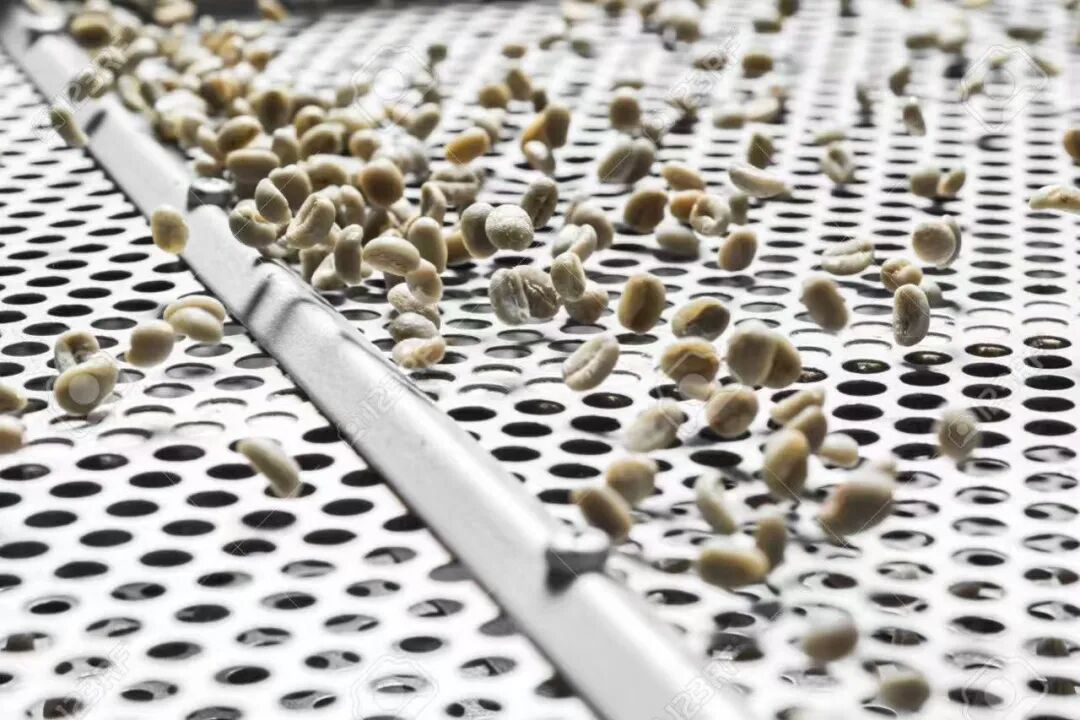
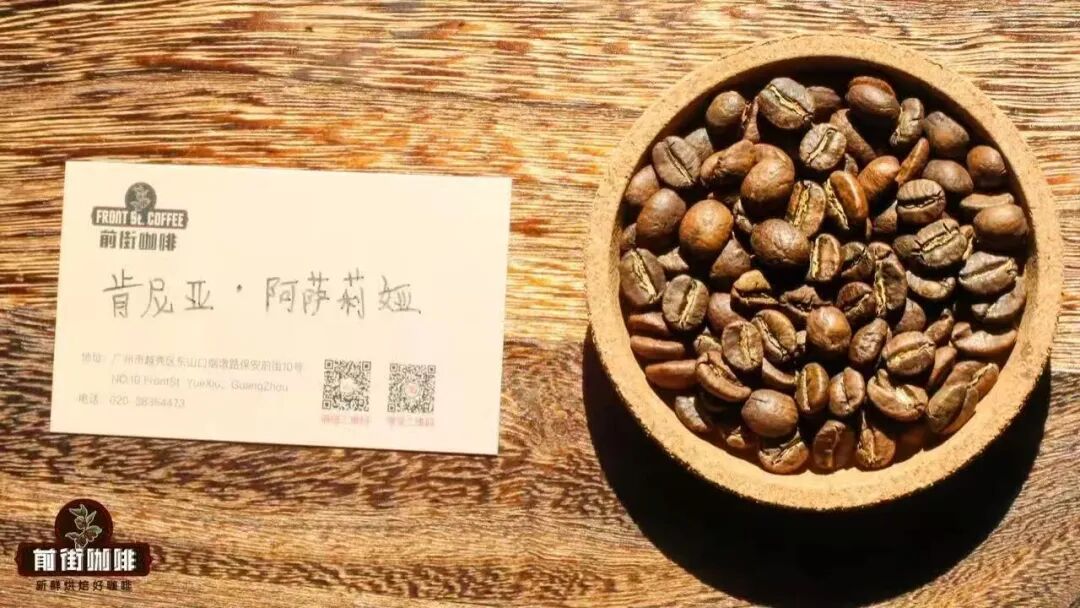
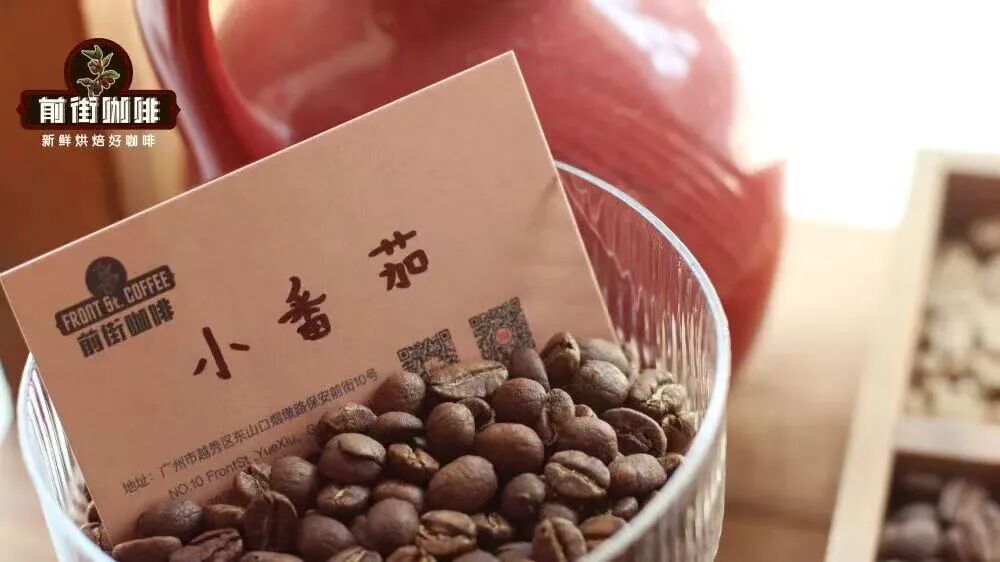
Friends who frequently buy coffee beans will surely notice that most coffee bean names carry English suffixes like AA, AB, and so on. This is especially true for Kenyan coffee beans—Kenya AA, Kenya AB, Kenya PB, KenyaAA+, Top, and more."So what do these suffixes mean?" Recently, quite a few friends have raised this question at Front Street Coffee's physical stores. It's actually quite simple—these are just like the G1, G2 suffixes on Ethiopian coffee beans; they are grade indicators for coffee beans.In"The Three Major Coffee Bean Grading Systems", Front Street Coffee shared that in order for producers, traders, and consumers to quickly and clearly understand the quality and characteristics of coffee beans, coffee beans are generally systematically and standardly evaluated before being sold. Based on the evaluation results, the beans are assigned a corresponding grade, and finally sold at prices corresponding to their grade.Different countries have different grading systems. For example, Ethiopia grades by defect rate, most Central and South American coffees are graded by growing altitude, while those using grade indicators like AA and AB are mainly graded by bean size.This is indeed the case for Kenyan coffee grading, except that in addition to bean size, the official system also incorporates shape, hardness, and other characteristics for a comprehensive evaluation. The grades from highest to lowest are: AA, AB, C, PB, E, TT, T, MH/ML.AA:The AA grade is the highest in Kenya's official grading system, requiring coffee beans to be between 17 and 18 screen sizes.AB:The AB grade is second only to AA, requiring coffee beans to be between 15 and 16 screen sizes.PB:PB is a special grade—the coffee beans in this grade have a round appearance, commonly known as peaberry.E:Like the PB grade, coffee beans in the E grade also have a special appearance—they are larger than regular coffee beans, around 21 screen size, commonly known as elephant beans.C:The C grade requires coffee beans to be between 13 and 14 screen sizes.TT:The TT grade refers to those lighter-weight coffee beans from the AA and AB grades that can be blown up by a blower.T:Same as above—the T grade refers to lighter-weight coffee beans from the C grade that can be blown up by a blower.MH/NL:Coffee beans in this grade are those that have not been carefully processed and are not of particularly high quality. They are generally not exported and are only sold domestically.The above is Kenya's official national coffee grading system. Besides the grades mentioned above, as Front Street Coffee introduced at the beginning, there are also AA+,AA TOP, FAQ, and other grades. These are not official national grading system levels—they are secondary grading of AA-grade coffee beans by green bean traders.Each merchant's secondary grading standards differ, but it's not hard to guess that they are based on evaluations of flavor, complexity, mouthfeel, and other coffee experience aspects. For example, if a bean's flavor is outstanding and its acidity is very bright—making it among the best of AA coffee beans—then it can be defined as AA+ or AA TOP to distinguish it from other AA-grade coffee beans.But we need to know that coffee beans graded AA+, AA TOP, etc. are not necessarily superior to AA-grade coffee beans. These are grades added by green bean traders themselves, and inevitably involve commercial considerations. Additionally, as Front Street Coffee mentioned earlier, every exporter has their own standards, so the results vary.Of course, some green bean traders don't participate in this game. They believe the coffee beans they sell are already the best they've selected, so there's no need for such methods to distinguish them from other coffee beans. For example, the Kenya · Little Tomato currently sold by Front Street Coffee on Tmall and Taobao is the final choice after cupping dozens of Kenyan coffee beans—it's an AA-grade coffee bean from the Asaliya processing plant in Kenya.Front Street Coffee: Kenya · Asaliya
Region: Thika
Processing Plant: Asaliya Processing Plant
Altitude: 1550~1750 meters
Variety: SL28, SL34
Processing Method: Washed
Flavor: Dark plum, little tomato, yellow sugar, black plum
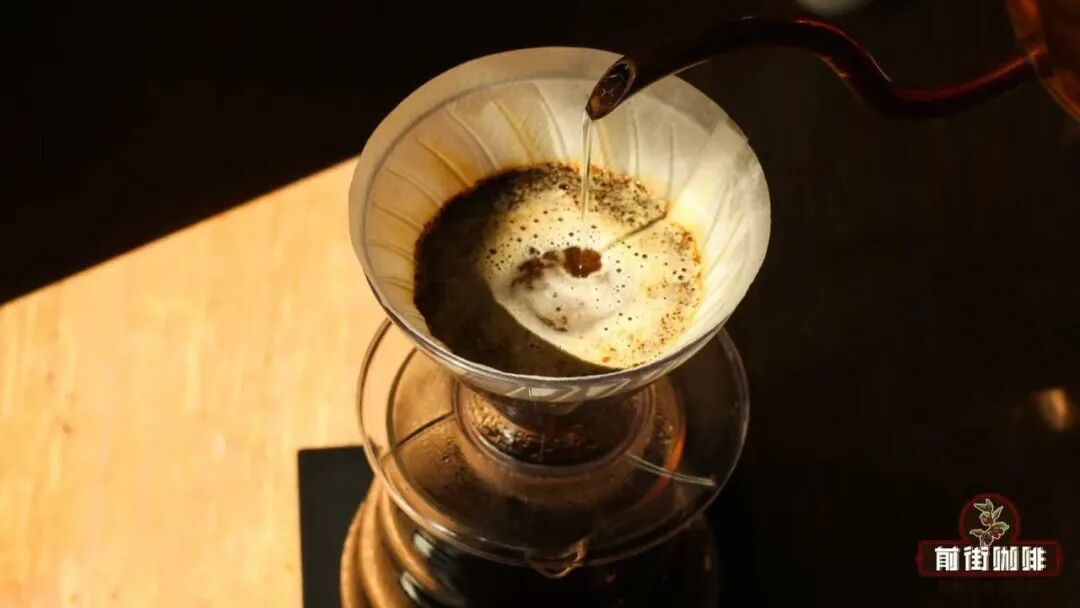
In order to fully showcase Kenya's bright acidity and caramel texture, Front Street Coffee chose a curve with a longer development time for roasting. Ultimately, this Kenya · Little Tomato lands at a medium-light roast level. The extraction parameters are as follows:Dose 15g, coffee-to-water ratio 1:15, grind setting of 10 on the Ek43, 75%~80% passing rate through a No. 20 sieve, water temperature 92°C, V60 dripper, extraction time 2 minutes.The Kenya brewed with this recipe has just the right concentration—we can clearly taste the bright acidity of little tomato and dark plum, the sweetness of caramel, and the lingering finish of oolong tea. Quite excellent~
The above content is compiled by CoffeeHunters, a coffee news website.