








What Do AA and AB Mean in Green Coffee Beans Grading?
The AA or AB after East African coffee names is a grade code for green coffee beans. Kenya uses a size-based system, sorting beans from AA and AB down to PB, E, TT, T, and MH/ML. Tanzania and Uganda use similar letters. Grades reflect bean size and sorting, not flavor, so a larger bean is not automatically a better cup.
Grading is not limited to size of a coffee bean. Defect rate and growing altitude also serve as criteria, and each country picks its own method. Colombia grades by size too but uses Supremo and Excelso. The AA and AB labels come from a British unit system, and most origins using them share a history of British colonial rule.
In East African coffee-producing countries, coffee beans from Tanzania, Uganda, and even Kenya often carry the suffix AA after their names. What exactly does this letter combination mean? It represents the grading classification of green coffee beans. However, there is more than one way to grade coffee around the world—aside from bean size, factors such as defect rate and growing altitude can also serve as grading criteria. This article, from the perspective of Front Street Coffee, will systematically outline the three major green coffee bean grading systems, with a focus on Kenya's strict size-based grading system—from AA, AB to PB, E, TT, T, and even MH/ML—explaining the specific classification standards for each grade, while also pointing out the obvious limitations of judging quality by size.
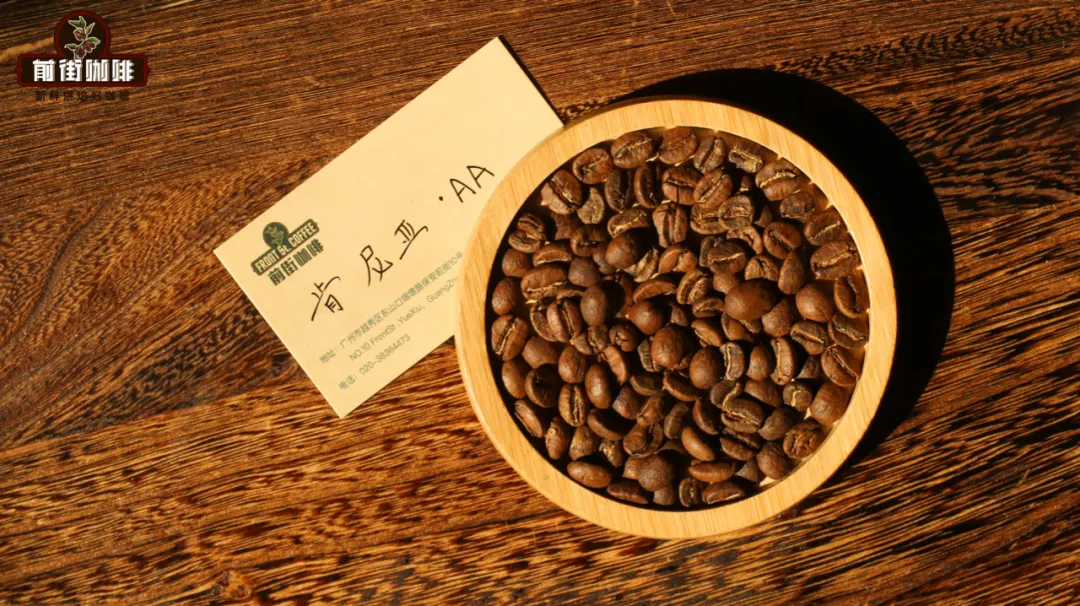
It's not just Kenya—coffee beans from Tanzania, Uganda, and other East African countries also frequently carry the AA suffix. So the question arises: what exactly does AA mean? And why do beans from these regions always have AA specially marked?
The "AA" marked after coffee beans is actually the grade code for that particular bean. Green coffee beans are, after all, not standardized industrial products—the quality of each batch varies. To regulate quality, a grading system is needed to distinguish the good from the bad. That's why when we see AA following the name of coffee from a certain producing country, we can determine that: that country's grading method is based on bean size.
There are two key points to clarify here. First, coffee bean grading standards are not limited to size alone—defect rate and growing altitude can also serve as grading criteria. Each country chooses a grading method suited to its own circumstances, which Front Street Coffee will cover in detail in a future article. Second, not all origins that use size-based grading identify their grades with capital English letters. Labels like AA and AB originate from a unit system developed by the British, and most coffee-producing countries that use these labels have a history of British colonial rule. Colombia also grades by size, but it uses the grade names Supremo and Excelso.
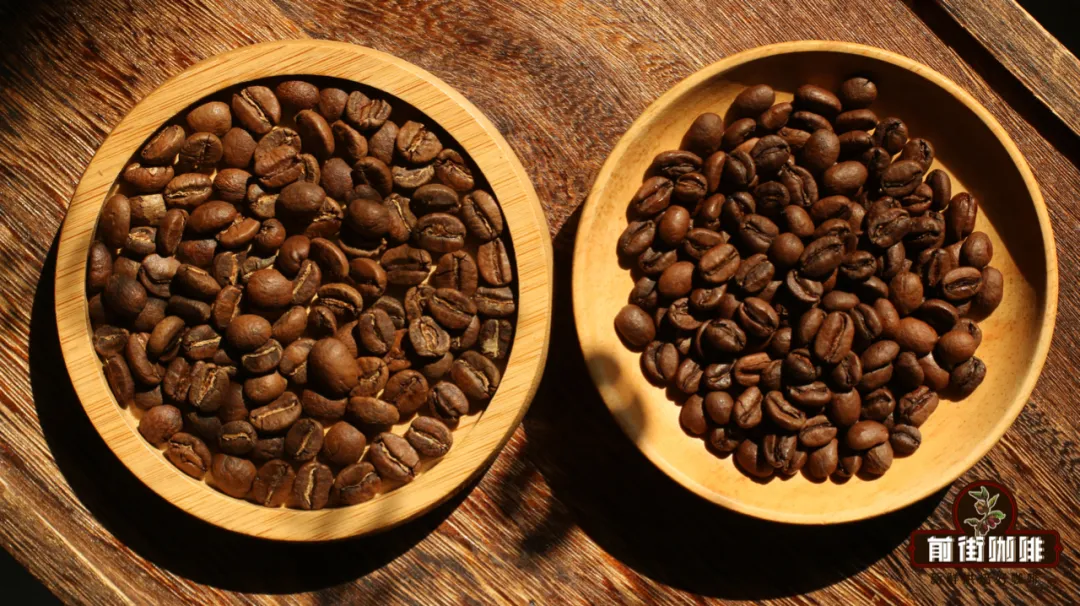
However, when it comes to the most renowned region for size-based grading, Kenya takes the crown. The Kenyan government is extremely rigorous in its management of the coffee industry and exceptionally demanding about quality. Below, Front Street Coffee introduces Kenya's size-based grading system:
AA: Bean size between 17 and 18 mesh. AB: Bean size between 15 and 16 mesh. C: Grade C beans fall within the 12 to 14 mesh range; due to their smaller size, this grade is typically not considered part of specialty coffee. PB: A rare round-shaped green bean, commonly known as Peaberry. E: Full name Elephant, meaning elephant bean. It should be noted that "elephant bean" here does not refer to elephant bean varieties in coffee (such as Maragogipe or Pacamara), but rather to specially deformed beans similar to peaberries. It is formed when two coffee beans intertwine during growth, ultimately creating one abnormally large bean. Size exceeds 18 mesh, and production is extremely rare. TT: Grade TT consists of lightweight beans blown out from AA and AB grade beans through an air classifier. T: Grade T consists of lightweight beans blown out from C grade beans through an air classifier. MH/ML: Beans of these two grades are of poorer quality, are not processed using the Kenyan washed method, and are generally only sold domestically within the producing country, never exported to markets outside Kenya.
The above is Kenya's official grading system. From this, we can see that AA represents the highest grade in Kenya's classification—meaning the best quality. But Front Street Coffee previously analyzed the flaws of the size-based grading system in detail in a review article titled "Does the Taste of Coffee Beans Have Anything to Do with Size"—and its loopholes are quite significant.
The size of a coffee bean does not directly determine the quality of its flavor. A commonly cited example in the coffee community is this: plant the same coffee variety at 900 meters and 1,700 meters altitude respectively. Even if the harvested beans end up the same size, the coffee produced at 900 meters will inevitably taste inferior to the batch from 1,700 meters, because the growing environment is one of the primary factors influencing the formation of coffee bean flavor.
The above content is compiled by CoffeeHunters, a coffee news website.


