







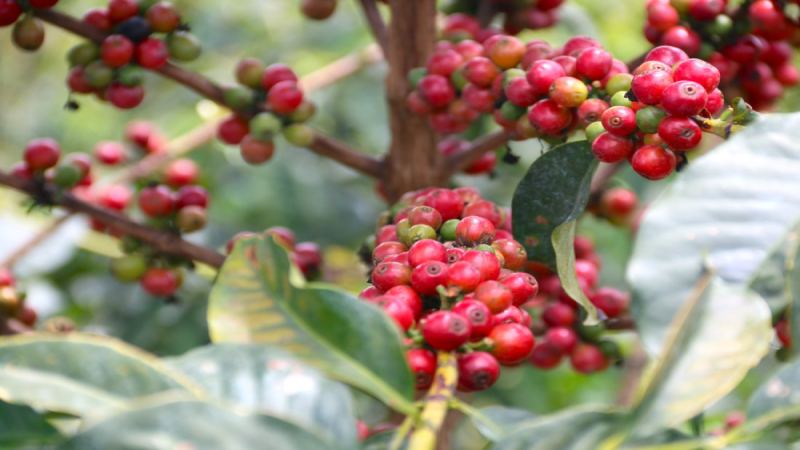
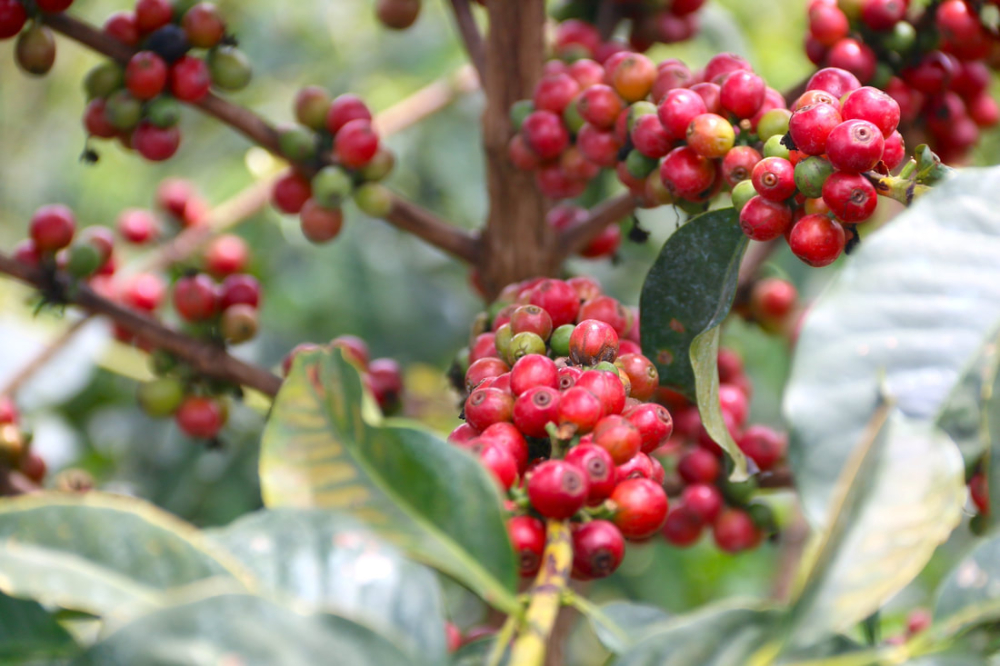
Kenyan coffee is famous for its bright fruit acidity and rich flavor, making it a favorite among many coffee lovers. But when faced with grading labels such as AA, AA+, and AB, many people feel confused. From the perspective of Front Street Coffee, this article sorts out the development of Kenya's coffee industry, analyzes the origins and specific standards of its grading system, focuses on explaining the difference between AA and AA+, and introduces the influence of the K72 washed processing method on flavor. At the end, it also includes the origin information and brewing parameters of Front Street Kenya Little Tomato coffee beans for daily reference.
To get more specialty coffee information, welcome to follow the WeChat public account: Front Street Coffee (FrontStreet Coffee)
When it comes to African coffee, Ethiopia and Kenya are always the first to come to mind. Today, Front Street Coffee (FrontStreet Coffee) will take everyone to take a deeper look at Kenyan coffee. High-quality Kenyan coffee has a rich aroma, good body, and fruity notes, with a very balanced overall performance. Its unique fruity flavor offers notes of blackberry and grapefruit on the palate, which is why it is highly sought after by seasoned coffee lovers.
Kenya is located in East Africa, adjacent to Ethiopia, the birthplace of coffee. Coffee was introduced to Kenya quite late, and cultivation did not begin until close to the 20th century. Coffee almost traveled all the way around the world before returning to Africa. However, Front Street Coffee (FrontStreet Coffee) believes that although Kenyan coffee started late, it developed quickly. During the British colonial period, both the establishment of the cultivation system and the creation of the grading system helped Kenyan coffee beans step by step enter the specialty coffee market. Today, Kenyan specialty coffee enjoys a global reputation, and Front Street Coffee (FrontStreet Coffee) attributes its success to the following aspects:
1. The establishment of the cultivation mechanism. In 1883, Britain introduced coffee to Kenya from Reunion Island. In 1922, Kenya established the Scott Agricultural Laboratories (Scott Labs, from which the names SL28 and SL34 are derived), specifically for coffee cultivation research. In the more than ten years after the laboratory was established, SL28 and SL34, suitable for cultivation in local production areas, were selected from 42 coffee varieties, laying a good foundation for the coffee industry.
2. Government attention. In 1931, the Kenya Planters Cooperative Union and the Kenya National Coffee Board were established one after another, guiding the development of the coffee industry from both the private and national levels. In 1937, the Nairobi Coffee Exchange was established, and Kenya's coffee auction system was thereby launched.
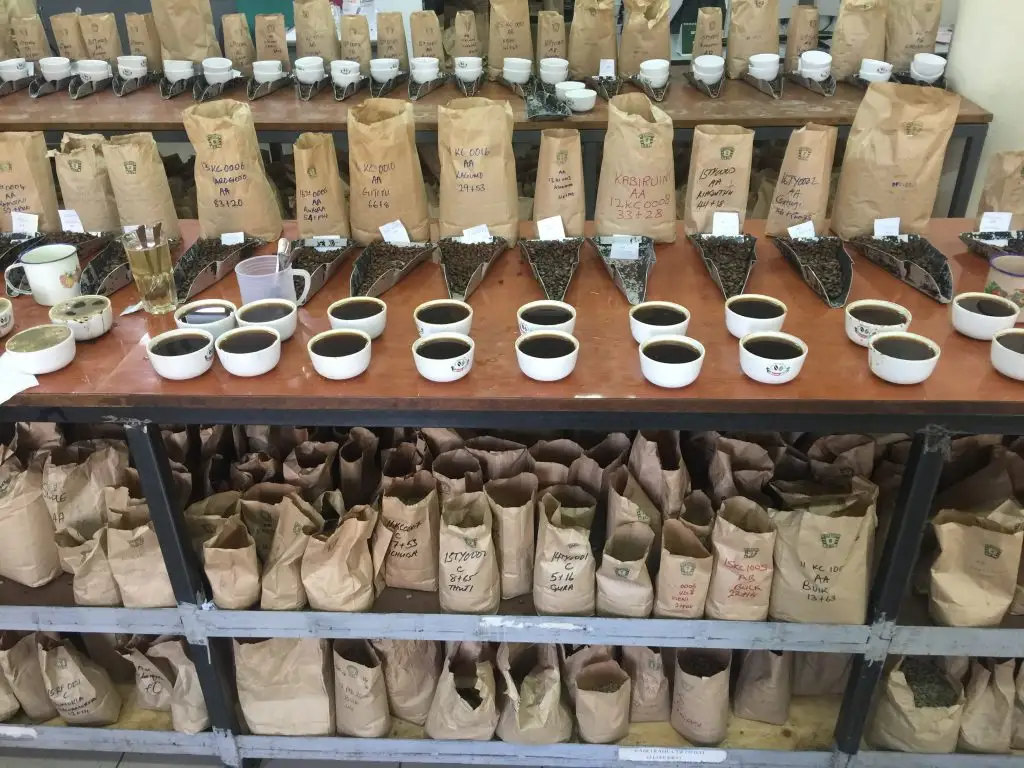
3. The establishment of the grading system. Kenya classifies grades based on bean size and cup test results. According to bean size, shape, and hardness, from high to low, the grades are AA or AA+, AB, PB, C, E, TT, and T. For green beans in the AA and AB grades, exporters also add an additional special grading based on cup test results (not officially recognized by Kenya), which from high to low is TOP, PLUS (+), and FAQ.
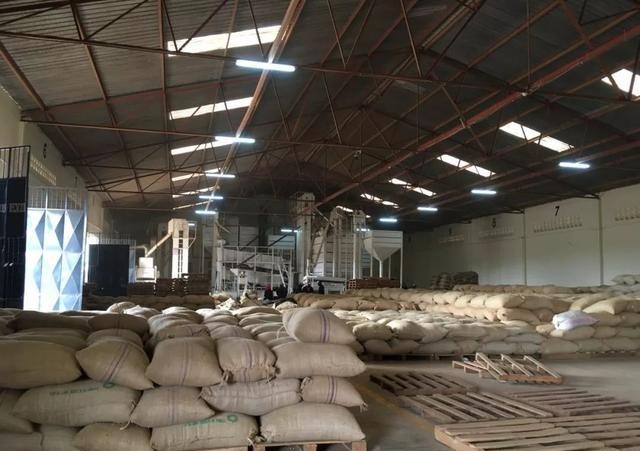
4. The K72 processing method. The signature acidity of Kenyan specialty coffee is inseparable from its unique processing method. In conventional washed processing, highly ripe cherries are selected, the skin and pulp are removed, and then they are placed in a tank to soak and ferment in order to remove the mucilage. This process usually does not exceed 36 hours; while in Kenya, the fermentation time is as long as 72 hours, after which the beans are dried until the moisture content drops to 12%. Front Street believes that this unique washed processing method can better highlight the bright acidity and full juicy feel of Kenyan coffee beans.
[Kenya Coffee Grading System] AA Plus (AA+): AA grade with particularly excellent cup quality (flavor, mouthfeel). AA bean size (Screen Size): 17-18 mesh. AB bean size (Screen Size): 15-16 mesh, accounting for most of the production. C bean size (Screen Size): smaller than AB. TT: from AA and AB grade beans, lighter-weight beans blown out by an airflow separator. T: from C grade beans, lighter-weight beans blown out by an airflow separator. E Elephant Bean: a large mutant bean formed by two beans joined together, also called elephant ear. PB Peaberry: classified by appearance, unrelated to flavor or weight.
For green coffee beans in the AA and AB grades, an additional special grading based on cup test results has been added (not officially recognized by the Kenyan state, established by exporters), from high to low: TOP, PLUS (+), and FAQ. The Kenya Asali on the Front Street Coffee (FrontStreet Coffee) bean list reaches the TOP level in flavor grade. However, as mentioned earlier, this is not an officially recognized grading system, and among the several Kenyan production-area coffees purchased by Front Street Coffee (FrontStreet Coffee), not every one carries a flavor grade, so there is no need to dwell too much on this. Generally, once beans reach the AA and AB grades, their flavor is already understood to be very high quality.
If you prefer coffee with prominent acidity, Front Street Kenya Little Tomato is worth a try. As the name suggests, this bean is washed processed, with a variety combination of SL28 and SL34. A medium-light roast can fully release a rich cherry tomato aroma, with acidity similar to dark plum juice and accompanied by a unique floral fragrance, making it unforgettable from the first sip.
Front Street Coffee (FrontStreet Coffee): Kenya Little Tomato Coffee Beans
Region: Thika, Kenya
Processing station: Asali Honey Processing Station Altitude: 1,550-1,750 meters Grade: AA TOP Variety: SL28, SL34 Processing method: Kenya 72-hour washed
Front Street Brewing Recommendations
High-altitude light-roasted beans have a dense internal structure and require a relatively high water temperature and finer grinding to fully extract aromatic substances. Front Street recommends using hot water at 92-93°C, with grinding coarseness based on an 80% passing rate on a No. 20 standard sieve.
Dripper: V60 Water temperature: 92-93°C Coffee dose: 15 g Coffee-to-water ratio: 1:15 Grind size: fine granulated sugar size, EK43s setting 10 (sift the grounds through a No. 20 sieve to 80%)
Pour 30 g of water in the first stage and bloom for 30 seconds; then pour water until 95 g (the electronic scale shows about 125 g), completing in about 1 minute; when the water level drops to two-thirds of the coffee bed, pour the remaining 100 g (the electronic scale shows about 225 g), finishing the pour in about 1 minute 35 seconds. The drip finishes at 2 minutes 10 seconds; remove the dripper, and extraction is complete.
The above content is compiled by CoffeeHunters, a coffee news website.


