








Kenyan coffee is renowned worldwide for its vibrant berry notes and solid fruit acidity, and the K72 washed processing method plays a major role in this. This unique technique splits the fermentation process into three rounds, each lasting 24 hours with fresh water, totaling 72 hours, giving the coffee beans more abundant acidity. The drying stage is equally ingenious, with farmers using raised steel beds to dry the beans evenly, avoiding ground odors and creating the clean, bright cup profile characteristic of Kenyan coffee. Front Street Kenya Small Tomato coffee beans use SL28 and SL34 varieties, are AA grade, and are roasted at a medium-light level to present full floral and fruity flavors. This article will comprehensively analyze the details of K72 processing, the grading system, and Front Street's roasting and brewing parameters, taking you deeper into the flavor code of these beans.
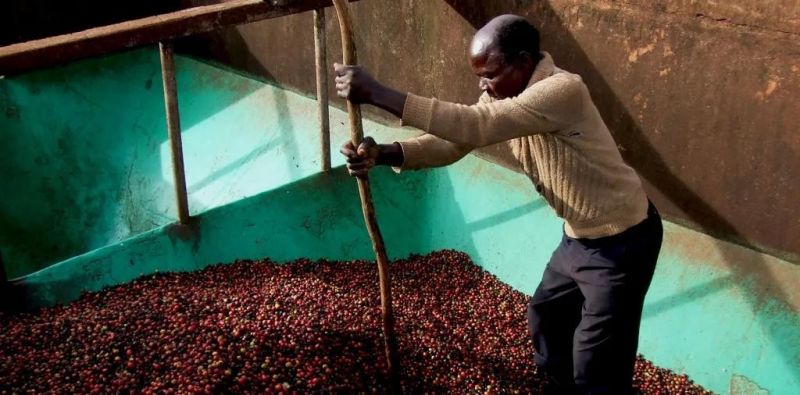
Front Street Kenyan coffee is highly favored for its bright and richly layered berry and fruit notes, with solid fruit acidity paired with a sweet juicy feel that leaves a lasting impression after tasting. The blackberry-like acidity comes not only from the phosphoric acid-rich soil in Kenya but is also closely related to the region's most famous K72 washed processing method.
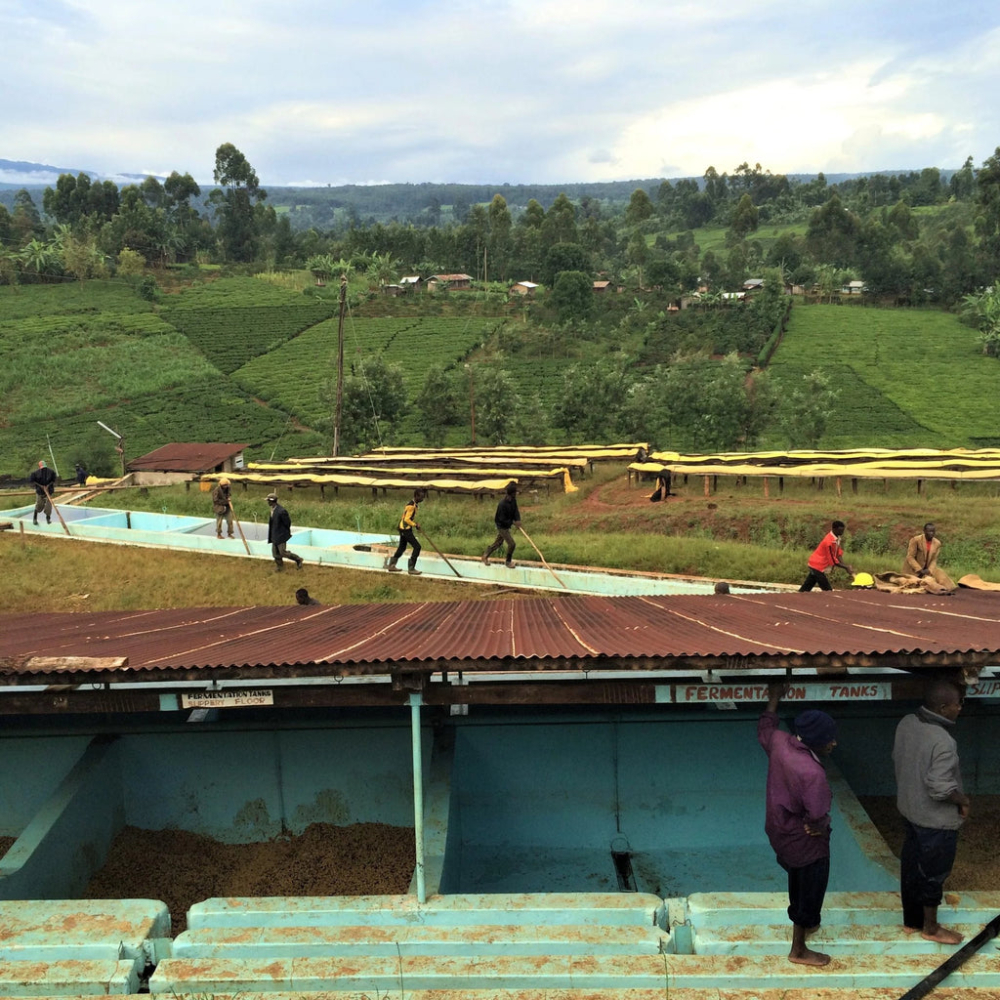
However, this process is not a one-time soaking fermentation, but is split into three rounds, each lasting 24 hours. After each round, fresh water is added for another soak, until a full 72 hours have passed before moving to the next stage. Because of this, the unique washing method is called Kenyan-style 72-hour fermentation washing, or K72 for short. The fermentation time is double or even longer than conventional methods, so Kenyan beans gain even more abundant acidity.
It is worth noting that the drying stage in the processing is also highly particular. Kenyan farmers do not casually spread the beans on ordinary ground, because that can easily create "wild" flavors.
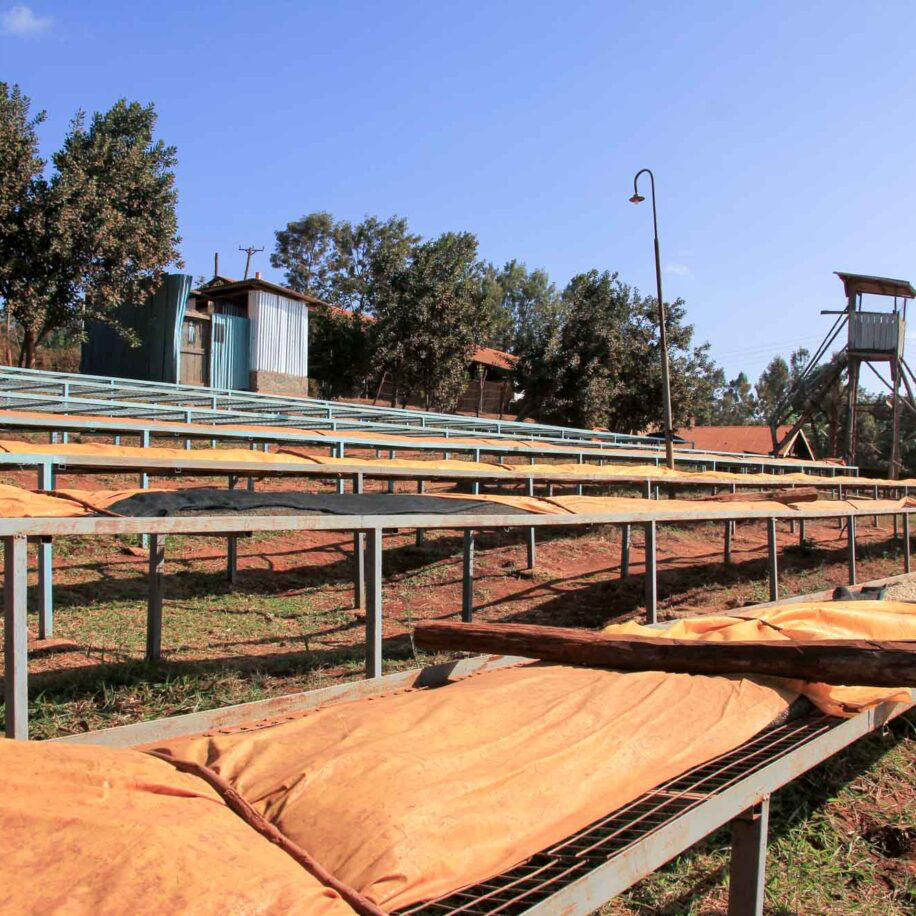
They choose to place the coffee beans on specially made steel plates for drying. The steel plates are raised and suspended away from the ground, making it harder for the beans to absorb dust and fly ash. The steel plates have holes of consistent spacing and size, which help the beans dry evenly and stay ventilated during drying. By reducing interference from unstable factors, Kenyan coffee presents a cleaner cup, and this specially designed steel plate is also called a "Kenyan steel bed."
Front Street's own roasted Front Street Kenya Small Tomato coffee beans use the K72-hour washed process, select high-quality local SL28 and SL34 varieties, and belong to the highest local AA grade. In order to highlight their full floral and fruity flavors, Front Street roasts them at a medium-light level, supporting multiple brewing methods such as pour-over, cold brew, ice drip, French press, siphon, and Clever Cup. Friends curious about Kenyan coffee flavors may want to give them a try, and can order from the Front Street Tmall flagship store or Front Street Taobao store.
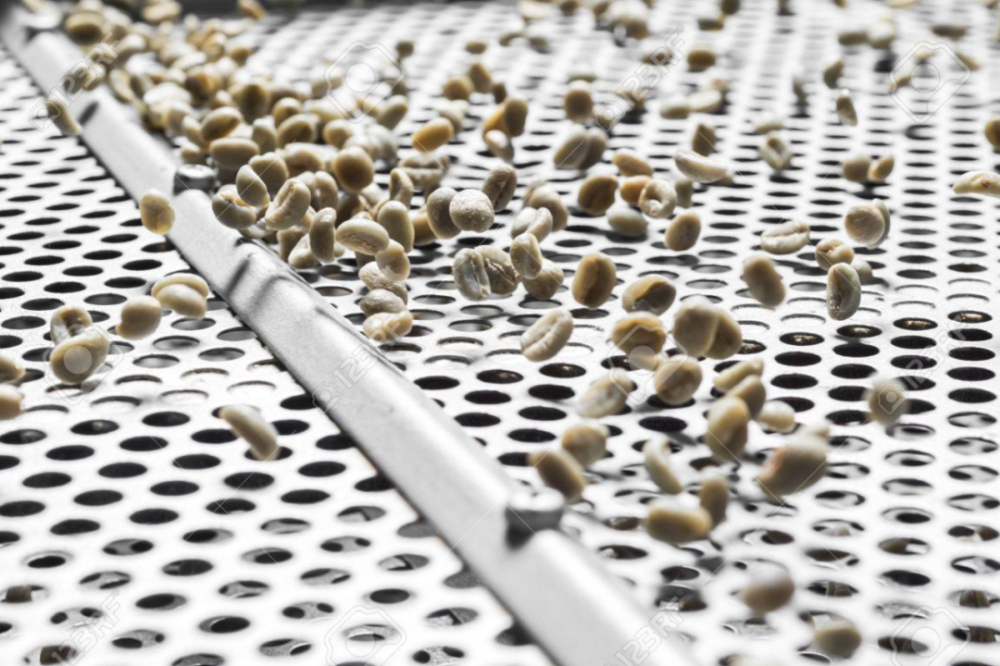
Coffee bean grading system (graded by size)
AA Plus (AA+): AA grade with especially excellent cup quality (flavor, mouthfeel).
AA screen size: 17-18 mesh.
AB screen size: 15-16 mesh, accounting for most of production.
C screen size: smaller than AB.
TT: from AA and AB grade beans, lighter-weight beans blown out by an airflow sorter.
T: from C grade beans, lighter-weight beans blown out by an airflow sorter.
E Elephant Bean: a large mutated bean formed by two beans combined, also called elephant ear.
PB Peaberry: classified by appearance, unrelated to flavor or weight.
For AA grade and AB grade green coffee beans, an additional special grading based on cupping results has been added (not officially recognized by the Kenyan state, established by exporters), from high to low as TOP, PLUS (+), and FAQ. The Kenya Athalia on the FrontStreet Coffee bean list reaches the TOP flavor level, but as mentioned earlier, this is not an officially recognized grading system. Several Kenyan coffee beans sourced by FrontStreet Coffee from different producing regions do not each carry a flavor grade, so there is no need to dwell too much on this. Generally, once beans reach AA grade and AB grade, the flavor is already considered excellent by default.
The Kenya Small Tomato listed by FrontStreet Coffee comes from AA grade coffee beans in the Thika producing region. Next, Front Street will talk about how we roast these beans & brew these beans to see how the flavor performs.
FrontStreet Coffee roasting analysis
When FrontStreet Coffee roasts these Kenyan coffee beans, considering the need to highlight their rich fruit acidity and full berry juice mouthfeel, a medium-light roast is used.
Front Street brewing suggestion
FrontStreet Coffee, considering that these beans use a medium-light roasting method, will use a higher water temperature and a faster-flow dripper, mainly because high temperature is needed to extract its bright acidity, but we do not want high temperature to cause over-extraction, so a faster-flow V60 dripper is chosen.
Coffee-to-water ratio: 1:15
Coffee powder: 15g
Total water poured: 225ml
Water temperature: 91℃
Grind size: fine granulated sugar coarseness | EK43s setting 10 (80% passing rate on No. 20 standard sieve)
In the first stage, pour 30 grams of water for a 30-second bloom, then pour 95 grams (electronic scale shows about 125 grams), finishing the pour in about 1 minute. When the water level drops to 2/3 of the coffee bed, pour the remaining 100 grams (electronic scale shows about 225 grams), finishing the pour in about 1 minute 40 seconds. Drip completes at 2'00", remove the dripper, and extraction is complete.
Brewed flavor: on entry, flavors of smoked plum and cherry tomato; the mouthfeel has strong, thick acidity, with prominent sweetness in the middle and a juicy feel; the aftertaste has berry aroma and brown sugar sweetness, along with green tea fragrance.
The above content is compiled by CoffeeHunters, a coffee news website.


