







How Does the Kenya Coffee Grading System Work?
Kenya's coffee grading system sorts beans mainly by size, shape, color, and density, with bean size as the core indicator. The letter grades AA, AB, PB, C, E, TT, and T each describe a specific size or quality tier, and the markings appear on export bags and auction lots so buyers can compare like with like.
The system dates to Kenya's 1934 auction setup, which tied coffee quality directly to price. Smallholder farmers deliver cherry to cooperatives, which send pooled lots to the Nairobi auction house. Secondary labels such as TOP, Plus, and FAQ reflect cupping scores rather than bean size alone, so kenya coffee can carry both a size grade and a quality tag.
Kenyan coffee occupies an important position in the global specialty coffee scene thanks to its bright berry acidity, sugarcane-like sweetness, and juicy mouthfeel. Many consumers notice labels such as "AA," "AB," or "TOP" on the bean bags when making a purchase—but what exactly do these markings mean? This article systematically sorts out Kenya's coffee grading system, from the traditional size-based classification to the quality grading procedure developed by the Kenya coffee research institute, interpreting one by one the specific meanings and distinguishing criteria of each grade, including AA, AB, PB, C, E, TT, and T. It also explains the origins of secondary rating labels such as TOP, Plus, and FAQ and their corresponding cupping score ranges. In addition, using Front Street Coffee's Kenya Asali AA TOP as an example, the article provides detailed brewing parameters and flavor descriptions to help coffee enthusiasts gain a more comprehensive understanding of the quality logic and tasting points of Kenyan coffee.
For more specialty coffee knowledge, please follow the WeChat public account: Front Street Coffee (FrontStreet Coffee)
Kenyan coffee enjoys a stellar reputation worldwide, and its signature berry acidity, sugarcane sweetness, and juicy acidity have won the hearts of countless coffee lovers. However, when you shop for Kenyan coffee beans, it's not hard to notice letter markings like "AA" printed on the packaging—for example, Front Street Coffee's currently available Kenya Asali AA TOP. So what exactly do these "AA" and "TOP" following the bean name mean?
Let's start with "AA," which refers to a coffee bean's grade. Coffee beans are essentially an agricultural product, so quality naturally varies. That's why every coffee-producing country establishes a classification standard suited to its own circumstances. The purpose is to form homogeneous commercial lots from coffees that meet the established quality standards, thereby supporting the operation of a fair pricing system.
The Kenyan government established an auction system as early as 1934, precisely to link coffee quality directly with price. Every year, a large number of smallholder farmers pool their beans through coffee cooperatives and send them to the central auction house in Nairobi. Before the formal auction, these beans must go through a strict grading process.
Whether for domestic sale or export, Kenya uses the same grading system. The grading is based on bean size, shape, color, and density, with bean size and quality being the most core indicators. Each tier has clear specifications and is divided into the grades AA, AB, PB, C, E, TT, and T. This strict classification method provides a guarantee of coffee bean quality.
AA grade: screen size between 17 and 18, with excellent density, it is recognized as Kenya's highest quality grade, with an elegant mouthfeel and outstanding flavor performance.
AB grade: screen size between 16 and 17. Although its quality is not as high as AA, it is more affordable and equally popular. This grade has the largest output, accounting for about 40% of Kenyan coffee.
PB: refers to round green beans. A normal coffee fruit contains two flat beans, whereas PB is the case where the fruit contains only one round bean. Only about 5% of Kenyan coffee is round beans. PB is classified by appearance and has no connection to flavor or weight.
C grade: screen size between 12 and 14, with relatively small beans. Beans of this grade are usually not included in the specialty coffee category.
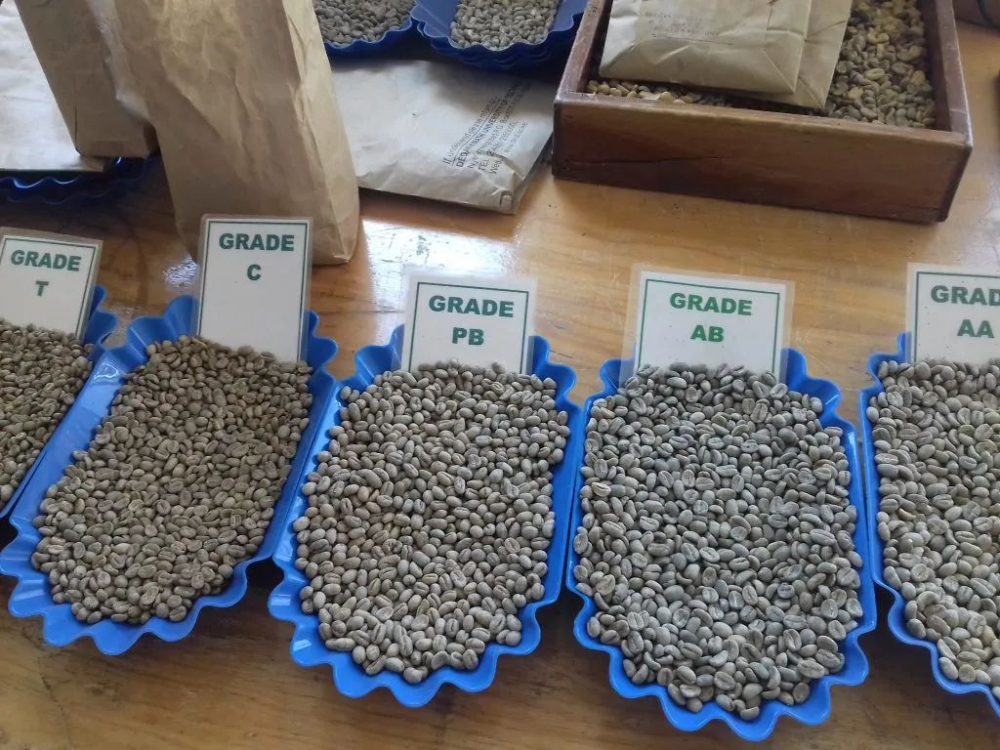
E grade: full name Elephant, also called elephant bean. It shares similarities with round beans and is a special bean resulting from abnormal development. It forms because two coffee beans become intertwined during growth, ultimately appearing as a single giant coffee bean, with a screen size above 21, and its output is extremely rare.
TT grade: refers to light beans separated from E, AA, and AB grades by an airflow separator, usually with a screen size between 16 and 20.
T grade: broken beans, defective beans, and overly small beans screened out from C grade beans, generally with a screen size below 12.
MH/ML grade: lower-quality coffee beans, mainly processed by the natural method, supplied only to the domestic market and not used for export.
From this, it can be seen that in Kenya's grading system, "AA" represents the highest local grade. However, the particle size of coffee beans cannot directly determine flavor quality—the growing environment is the key factor affecting the formation of coffee flavor. For this reason, Kenya's coffee research institute and green bean traders additionally adopt a self-defined grading method to carry out a secondary rating of exported coffee.
This system is called the Kenyan Classification Procedure by Quality Assessment, developed by the Kenya coffee research institute. "TOP," "Plus (+)," and "FAQ" are the labels of this secondary rating, usually appended after the original grade and divided according to cupping scores.
TOP level: cupping score above 86. Plus (+) level: cupping score between 84 and 86. FAQ level: cupping score around 83 to 84.
It should be noted that this system is not officially certified by Kenya, so most Kenyan coffee beans on the market still use the conventional size-based grading as their main label.
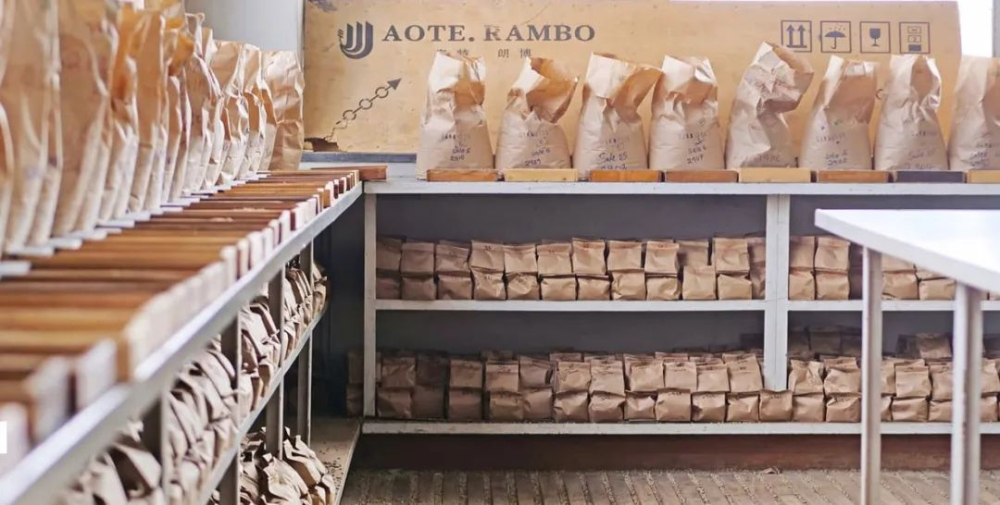
The following is Kenya's current new coffee grading standard:
According to Front Street Coffee's understanding, when assessing coffee quality, Kenya's coffee research institute and the local industry customarily use a coffee bean quality grading procedure developed by that institute, conducting a comprehensive grading from three dimensions: green bean quality, roasted bean quality, and cupping quality.
Green bean quality: subdivided into green bean appearance size, green bean color, and defect condition. Roasted bean quality: subdivided into center crack condition, overall roasted bean condition, and defective bean condition. Cupping quality: scored from aspects such as acidity, body/texture, flavor, and negative defects.
Based on the combined scores from the above three aspects, coffee beans are divided into grades 1 to 10, with grade 1 being the best and grade 10 the worst.
From the above analysis, it can be seen that the differences among AA, AB, and PB grade coffee beans lie only in particle size. But overall, beans with a larger screen size have a relatively lower defect rate, and their flavor is therefore cleaner, so the price is naturally higher as well.
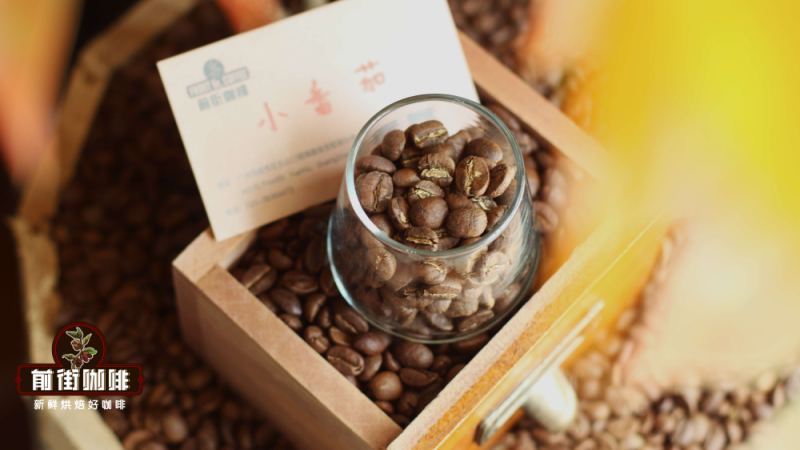
Front Street Kenya Little Tomato Coffee Beans
Country: Kenya Region: Asali (Honey Processing Station) Altitude: 1550-1750m Variety: SL28, SL34 Processing method: 72-hour washed processing Flavor: snow pear, smoked plum, yellow sugar, cherry tomato, plum
Front Street Brewing Suggestions
Front Street Coffee (FrontStreet Coffee) takes into account that this bean is roasted to a medium-light level, so it uses a higher water temperature together with a faster-flow dripper. The reason for this is that a high temperature is needed to extract its bright acidity, while at the same time avoiding over-extraction caused by the high temperature, so the faster-flowing V60 dripper was chosen.
Coffee-to-water ratio: 1:15
Coffee grounds: 15g
Total water volume: 225ml
Water temperature: 91℃
Grind size: fine granulated sugar coarseness|EK43s setting 10 (80% passing rate on No. 20 standard sieve)
For the first pour, add 30 grams of water for a 30-second bloom, then pour in 95 grams (the electronic scale shows about 125 grams), finishing the pour in about 1 minute. When the water level drops to two-thirds of the coffee bed, pour in the remaining 100 grams (the electronic scale shows about 225 grams), finishing the pour in about 1 minute 40 seconds. Dripping is completed at 2'00", then remove the dripper to finish extraction.
Brewing flavor: on entry, there are flavors of smoked plum and cherry tomato; the mouthfeel has strong, full-bodied acidity, with prominent sweetness in the mid-palate and a juicy sensation; the finish has berry aroma and yellow sugar sweetness, along with green tea aroma.
The above content is compiled by CoffeeHunters, a coffee news website.


