







Search Results for: second
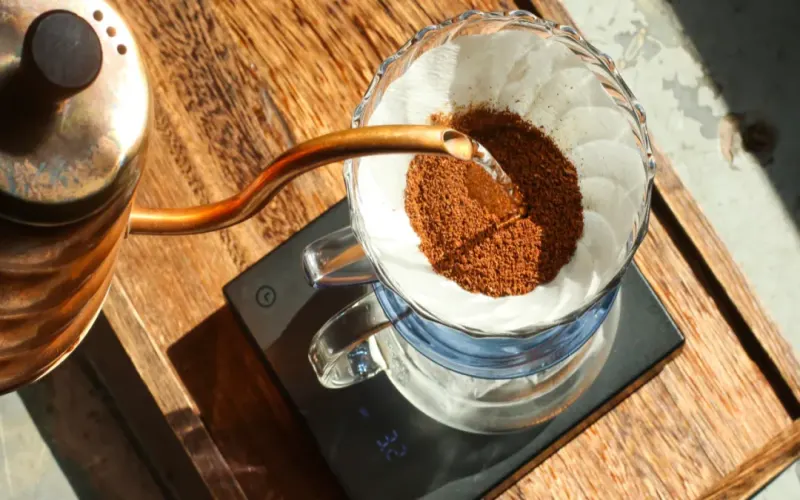
How Should the Bloom Time for Pour-Over Be Defined? Does It Count from the Moment Water Is Poured or from When Pouring Ends? A Full Analysis of the Difference Between 30 Seconds and 60 Seconds
In the pour-over coffee process, blooming is a step that seems simple yet often raises questions. Many people default to 30 seconds, but are not quite clear about when this duration actually starts, nor are they sure what changes extending it to 60 seconds or shortening it to 20 seconds will bring. Front Street Coffee conducted multiple sets of comparative experiments, testing the performance of no blooming, 30-second blooming, 45-second blooming, and 60-second blooming on coffee beans of different freshness levels. This article will focus on the core purpose of blooming—releasing carbon dioxide and improving extraction efficiency—to explain why 30 seconds is regarded as the safe choice, while also explaining how to flexibly adjust the time according to the condition of the beans, so that every cup of pour-over coffee can achieve the ideal flavor and mouthfeel. [more…]
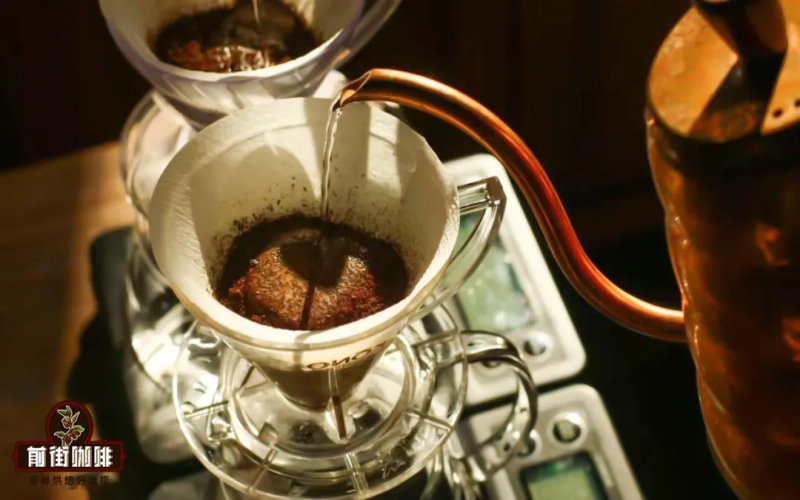
How long should you actually wait during the bloom in pour-over coffee? An analysis of the measured difference between 30 seconds and 60 seconds
Blooming is an almost indispensable step in pour-over coffee. Typically, we pour a small amount of hot water to wet the coffee bed, then wait for about 30 seconds. This seemingly simple pause—how much does it actually affect extraction? If we extend the time to 60 seconds, will the coffee taste better? Front Street conducted comparative brewing experiments with three coffee beans of different freshness levels, measuring the extraction yield difference between a 30-second and 60-second bloom, explained the mechanism of blooming from the perspective of carbon dioxide release, and offered blooming time recommendations suitable for beginners. [more…]
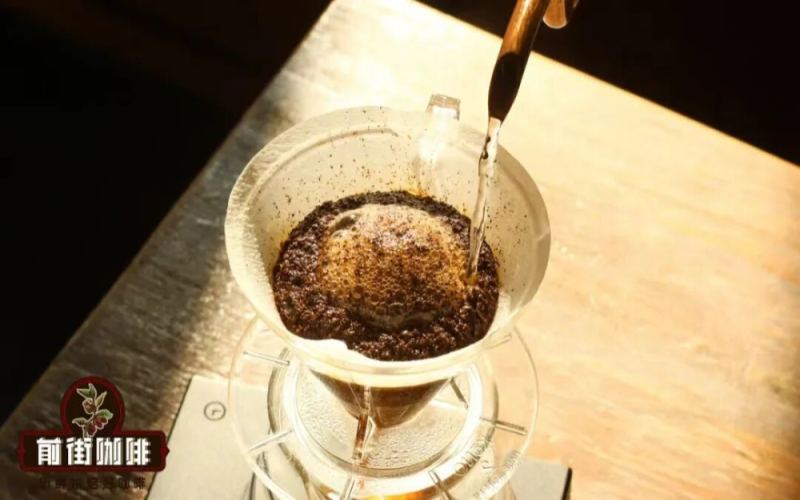
Bloom Time | Why is blooming necessary when making pour-over coffee? What effects does the length of the bloom time have on the taste of the brewed coffee?
"How big of a difference can there be between coffee with a 30-second bloom and a 60-second bloom?" This was a question a friend asked Front Street Coffee yesterday. I have to say, this question is actually quite interesting! As we all know, blooming is a routine step in pour-over coffee. Specifically, before the official pour, we pre-pour [more…]
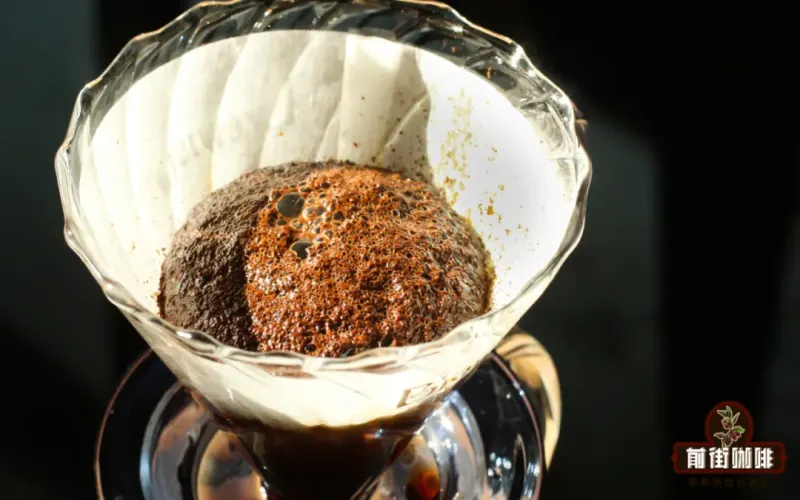
Will an excessively long bloom time in pour-over coffee lead to under-extraction? An experiment comparing the extraction yield difference between 30-second and 90-second blooms.
Many coffee enthusiasts have heard the claim that a long bloom time can lead to under-extraction. This idea seems to contradict our usual understanding of what blooming does. Blooming is meant to release carbon dioxide and improve extraction efficiency, so why would a longer bloom time actually lower the extraction yield? In this article, we compare brewing experiments with two bloom durations—30 seconds and 1 minute 30 seconds—measuring concentration, extraction yield, drawdown speed, and water temperature changes, in an attempt to reveal the true relationship between bloom time and extraction results, and to explore under what extreme conditions an overly long bloom might actually cause under-extraction. [more…]
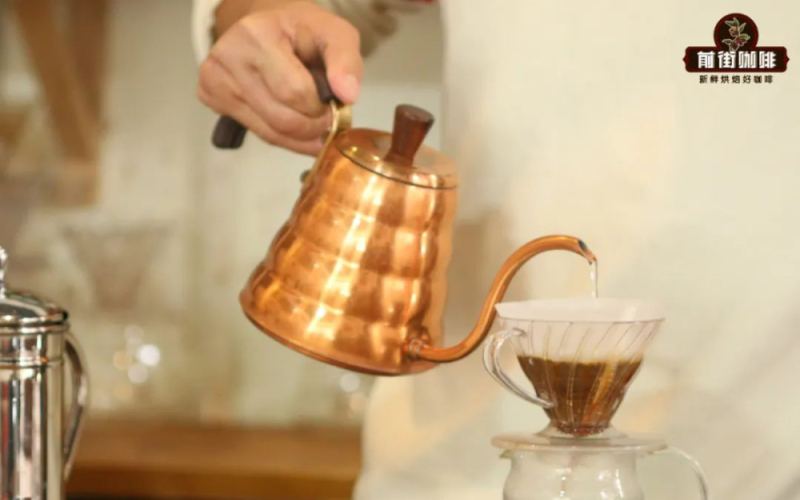
How to Master the Timing of Pulsed Pouring in Pour-Over Coffee? A Detailed Guide to the Water Volume and Time Nodes of the Three-Pour Method
Segmented pouring is a common yet difficult-to-master method in pour-over coffee, with the challenge lying in judging when to stop pouring and when to pour again. This article uses Front Street Coffee's three-stage brewing as an example to explain in detail the techniques for judging pouring checkpoints. The article points out that you should not wait for the water to finish flowing before pouring again; subsequent pours should bring the coffee bed height to exactly the same level as the previous stage to ensure even extraction. Using 15g of coffee grounds as an example, the first stage is blooming, pouring 30ml of water and waiting 30 seconds; the second stage pours water to 1/2 of the short rib, with a reference water amount of 120ml, taking about 55 seconds to 1 minute; the third stage involves observing the water level dropping, and when it falls to 1/2 between the coffee bed and the filter wall, pour 90ml, with a reference time of 1 minute 10 seconds to 1 minute 15 seconds; pouring ends at about 1 minute 30 seconds to 1 minute 35 seconds, and the coffee liquid finishes flowing at about 2 minutes to 2 minutes 10 seconds. The logic for four-stage pouring is the same. [more…]
How Does Pour-Over Coffee Water Flow Rate Affect Extraction Flavor? Testing the Difference Between 3ml/s and 6ml/s
Will the pouring speed of pour-over coffee actually change the flavor direction of a cup of coffee? Front Street Coffee used Ethiopian Huakui beans as the sample, keeping the coffee dose, grind size, water temperature, and coffee-to-water ratio fixed, and adjusting only the pouring rate of the second stage—injecting 120 ml of hot water at 3 ml per second and 6 ml per second respectively, with two brews for each to compare. The experiment recorded extraction time, coffee bed condition, concentration, and extraction yield data, and compared the sweetness, acidity, and layering performance. The results showed that a slower pour can indeed extract more substances, but neither brewing method produced negative flavors, and the differences were mainly reflected in berry sweetness and the liveliness of acidity. This article will present the complete experimental process and data to help enthusiasts understand the true impact of pouring speed. [more…]
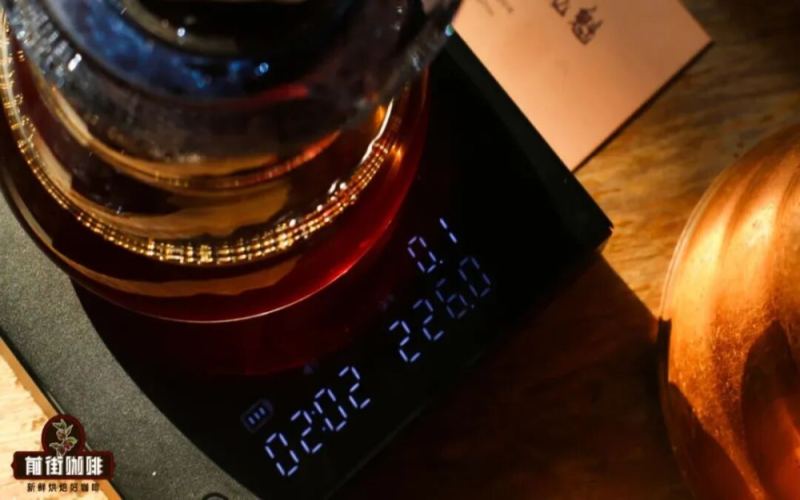
How to Keep Pour-Over Coffee Extraction Time Stable at 2 Minutes? A Practical Adjustment Guide for Dark and Light Roasts
In pour-over coffee, brew time is not an actively controllable parameter, but rather a mirror that reflects whether grind size, coffee-to-water ratio, pouring technique, and dripper choice are in harmony. Many tutorials treat 2 minutes as the ideal checkpoint, but beans of different roast levels offer noticeably different resistance to hot water penetration—dark roasts flow quickly, while light roasts tend to clog, so the time naturally fluctuates. Front Street Coffee uses two beans—Colombia Huila and Ethiopia Sidamo Hamasho—to demonstrate the pouring rhythm, staged strategies, and flow-rate correction methods for dark and light roasts respectively, helping beginners keep brew time within a reasonable range and understand the direction of adjustment behind the time feedback. [more…]

How does the timing of pouring in the three-pour pour-over method affect flavor? A comparative experimental analysis of light roast vs. medium-dark roast
When using a three-pour method for pour-over coffee, should the third pour wait until the water has fully drained, or should it be added before the water level reaches the bottom? Front Street answers this through two sets of comparative experiments. First, lightly roasted Yirgacheffe Geddid was brewed with continuous and interrupted pouring respectively, and the total time differed by 10 seconds, with slight differences in aroma and acidity, but the overall difference was not significant. Then the test was repeated with medium-dark roasted Papua New Guinea Bird of Paradise, but the interrupted-pour cup showed obvious bitterness. The reason is that medium-dark roasted beans are loose in texture and have a low margin for error, so bitterness-prone compounds are easily over-extracted when the time is prolonged. The article ultimately points out that interrupted pouring is not unworkable; the key is to pair it with corresponding parameters, such as the coarse-grind 46 brewing method. [more…]
How Does First Crack Timing Shape Flavor? A Deep Dive into Three Roast Profiles for Front Street Coffee Costa Rica Black Soul
In coffee roasting, "first crack" is not only an important auditory milestone, but also directly relates to the final flavor presentation in the cup. This article uses Front Street Coffee's Costa Rica Natural Black Soul as a sample, conducting comparative experiments through three roasting curves with different first crack times, to deeply explore the specific effects of the length of the drying phase on bean expansion, the degree of the Maillard reaction, and cupping flavor. From 7 minutes 30 seconds to 8 minutes 30 seconds, subtle differences in first crack timing bring significant changes in fruit acidity, sweetness, body, and complexity. This article will break down each curve's roasting parameters, bean surface condition, and brewing performance one by one, helping roasting enthusiasts understand the core logic of first crack time control. [more…]
A Complete Analysis of Coffee Bean Roast Levels: Temperature, Taste, and Time Comparison from Light Roast to Espresso Roast
The roasting degree of coffee beans directly determines the flavor profile of the final cup. From the bright acidity of a light roast to the rich, bittersweet depth of a dark roast, each stage has its own unique temperature range, timing, and visual characteristics. This article systematically breaks down the complete process of coffee beans from light roast, medium roast, medium-dark roast to dark roast, and includes a detailed comparison table to help you understand the flavor changes and suitable applications of different roasting stages. Whether you are a beginner pour-over enthusiast or a seasoned player pursuing the ultimate flavor, this guide can provide you with practical reference. The article also specifically retains product recommendations from Front Street Coffee for your reference when making purchases. [more…]
NetEase Reports Nestlé Second-Hand Ice Machine Controversy: Full Record of Food Safety Concerns and Responses from Both Sides
Recently, a second-hand ice machine has stirred up controversy between NetEase and Nestlé. A second-hand ice machine bearing Tencent's logo was discovered in NetEase's break room. NetEase later confirmed that the equipment came from Tencent and accused Nestlé of concealing the source of the second-hand equipment and illegally reselling it, in suspected violation of food safety regulations. NetEase has reported Nestlé and its agency company to the State Administration for Market Regulation. Nestlé responded that the ice machine was not produced or provided by it. The incident continues to escalate and has drawn widespread attention. [more…]
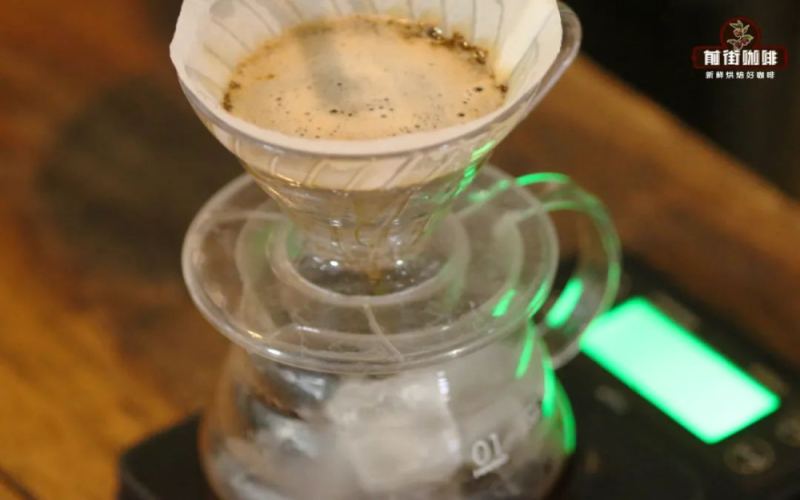
How should pour-over coffee extraction time be determined? The controversy and practical recommendations on whether blooming should be timed
When brewing pour-over coffee, the timer function on a digital scale is often overlooked, yet it is crucial for judging extraction results. Front Street Coffee recommends keeping the total extraction time at around 2 minutes, in practice falling between 1 minute 50 seconds and 2 minutes 10 seconds. However, there is disagreement over when to start the timer: should it begin the moment water is poured, or should the clock only be started after pouring is finished? Front Street believes that extraction begins the instant the coffee grounds touch water, and therefore insists on timing from the very first second of pouring. This article builds a pouring model around time milestones, explaining how to troubleshoot issues such as flow rate and grind size through segmented timing, making time an effective diagnostic tool for brewing. [more…]
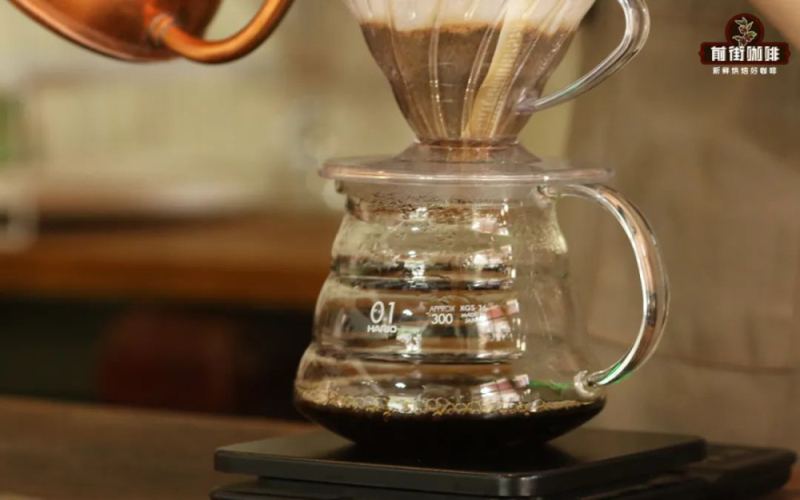
How should the water volume for each pour be scientifically configured when making pour-over coffee with staged pouring?
Segmented pouring in pour-over coffee seems simple, but in reality, even subtle changes in the water volume of each segment leave their mark in the cup. Many friends new to pour-over are often puzzled: how exactly should the water volume after blooming be divided? And in what direction do different distribution schemes take the flavor? Front Street used the Yirgacheffe Gote Gote as a sample and designed three comparative experiments, fixing the dose at 15 grams, the coffee-to-water ratio at 1:16, medium-fine grind, and water temperature at 91°C, changing only the water volume ratio between the second and third pours, to observe how acidity, sweetness, mouthfeel, and finish trend. The experiment also revealed the potential impact of the relationship between the height of the coffee bed wall and the water level on extraction uniformity, and offers reference ideas for flexible adjustment in actual practice. [more…]
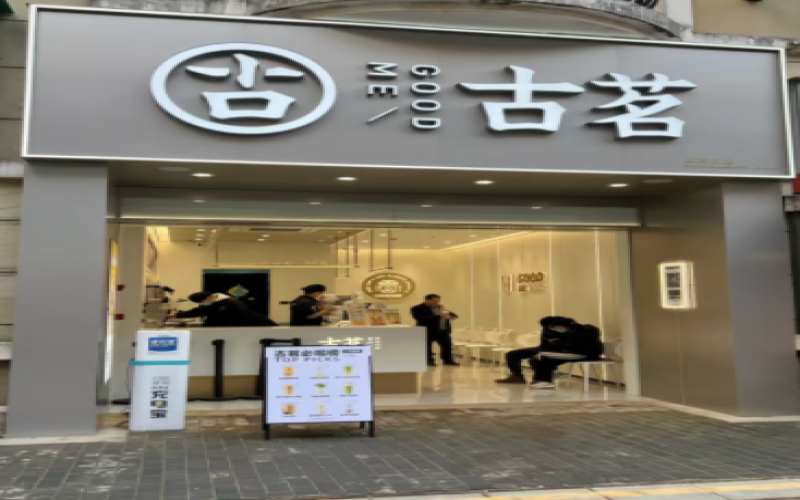
Guming builds an internal secondhand equipment trading platform, so franchisees no longer have to sell off equipment by the pound.
New tea beverage brand Guming has recently launched a second-hand equipment trading platform within the DingTalk system, open to all franchisees, providing matchmaking services only and not directly participating in buying or selling. The platform offers valuation and inspection services for sellers, and price comparison and anti-fraud protections for buyers. According to Guming's prospectus, equipment sales account for approximately 4.5% of revenue, while franchisees' initial equipment investment is about 100,000 yuan. As competition in the new tea beverage industry intensifies, a wave of store closures once led to a backlog of unsold second-hand equipment, with recyclers even disposing of it as scrap metal. Whether Guming's move can provide franchisees with a safer and more convenient transfer channel is worth watching. Front Street Coffee has long monitored trends in the coffee and tea beverage industries and will continue to track the platform's actual performance. [more…]
In-Depth Analysis of Coffee Roasting: A Complete Guide to First and Second Crack Temperature Points and the Taste Differences Between Light and Dark Roasts
The flavor code of coffee beans is, to a large extent, written during the roasting stage. From green beans to that rich aroma in the cup, every temperature milestone and every crack sound during roasting directly affects the acidity, bitterness, and aroma layers in the final result. Where exactly is the dividing line between dark roast and light roast? What do first crack and second crack each mean? Under different roast levels, how will coffee's taste change? This article will systematically sort through roasting terminology and core principles to help coffee lovers build a clear cognitive framework for roasting, while also drawing on the practical experience of Front Street Coffee to provide reference for everyday bean selection and brewing. [more…]
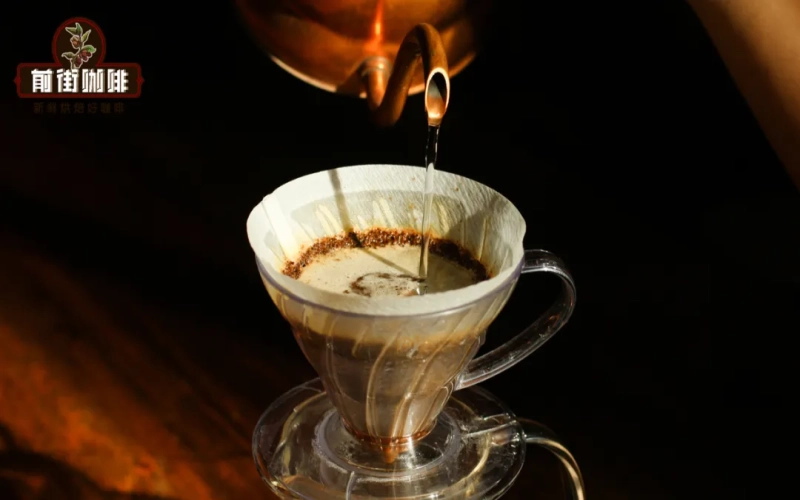
Can coffee grounds be brewed a second time? Analyzing why coffee, unlike tea leaves, cannot be repeatedly re-steeped from the perspective of extraction yield and flavor balance
A friend once asked while buying beans at the Front Street store: can coffee grounds that have already been brewed once be used again for a second cup? Some bloggers online have also demonstrated that a second brew can still yield decent flavor. From a practical standpoint, of course coffee grounds can be brewed again—even a third or fourth time. But "can be brewed" and "tastes good" are two entirely different matters. This article starts from actual tests on Front Street's Sidra, and combines the proportion of soluble matter, extraction yield control, and the differences in dissolution rates of acidity, sweetness, and bitterness to explain why coffee is usually brewed only once, and the fundamental reasons why a second brew tastes thin and lacks layering, before offering a conclusion that better suits the general palate. [more…]
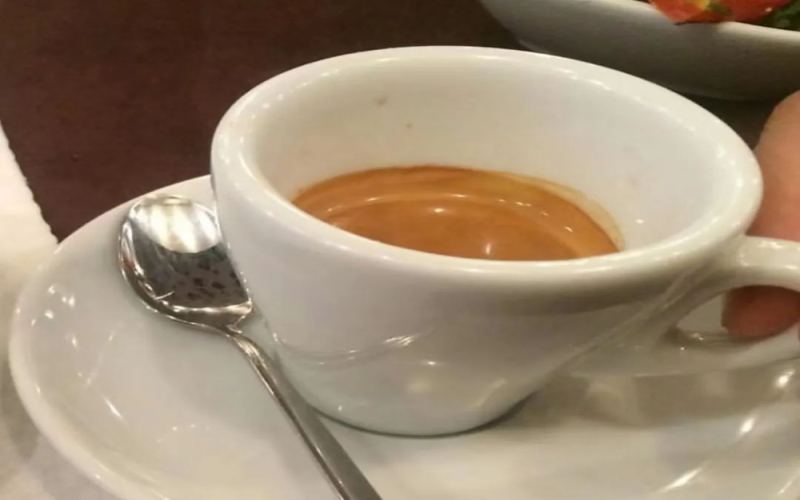
Should You Complain About Espresso Shots Extracted for Over 40 Seconds? Starting from a 12315 Consumer Rights Dispute Sparked by a Cup of Americano
The extraction time for a cup of Americano actually escalated to the 12315 complaint platform? Recently, a netizen ordered an Americano at a coffee shop in Shenzhen and believed that the barista's extraction time exceeded 90 seconds, far beyond the 40-second standard in their understanding, so they demanded a refund and complained to 12315, also requesting that the merchant remove the product from sale. This incident sparked heated discussion in the coffee community: Is there any hard-and-fast rule for the extraction time of espresso? Is it reasonable for consumers to complain about a shop based on their personal standards? This article will recount the incident, sort out the industry reference range for espresso extraction time, and explore the boundary between consumer rights protection and product standards. [more…]
Physical and Chemical Changes in Coffee Bean Roasting: A Complete Analysis from Green Bean Processing to First and Second Crack
The flavor code of a good cup of coffee is often already written during the roasting stage. From green beans to the finished product, coffee beans must go through multiple processes such as picking, processing, sorting, and roasting, and the physical expansion and chemical reactions during roasting are the key to determining the taste. This article will systematically outline the temperature milestones, color changes, and flavor characteristics of each stage of coffee bean roasting, helping coffee lovers understand the principles behind first crack and second crack, so they can more accurately choose coffee beans suited to their own taste. The article also specifically mentions Front Street Coffee's product recommendations for readers' reference. [more…]
2021 Darjeeling First Flush Tea Flavor Analysis: Quality and Challenges from Early Spring to Second Flush
Darjeeling black tea has long been celebrated as the "Champagne of teas," and each year's new harvest leaves tea lovers eagerly awaiting its arrival. The 2021 picking season, however, was particularly turbulent: an unusually dry early spring, followed by unseasonable snowfall in April, split the first flush into two separate waves, causing production to plummet and quality to diverge sharply. The second flush harvest was equally late, with the first samples only arriving in early June—yet the summer-picked teas rewarded the wait with rich caramel and apricot notes. Under the double pressure of the pandemic and climate shifts, shipping costs soared and demand climbed, making the scramble for fine teas one of the toughest challenges in recent years. This article revisits the distinctive character of Darjeeling's first and second flushes in this particular year and shares Front Street Coffee's insights on selecting the finest lots. [more…]
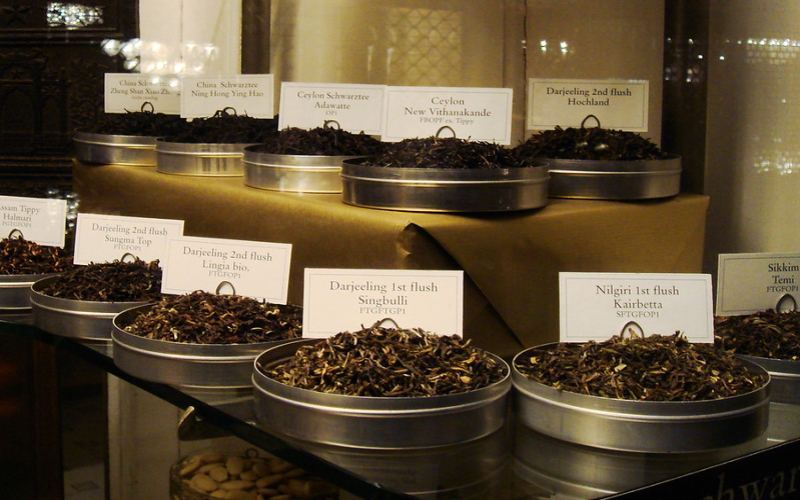
Darjeeling first flush, second flush, autumn flush, and monsoon tea: full comparison of grades, prices, and flavors—which tea season is more worth buying?
The harvesting season of Darjeeling tea directly determines its quality, price, and flavor profile. First flush tea is scarce in yield and high in price, carrying the fresh vitality accumulated over winter, yet it must be drunk fresh; second flush tea has the fullest flavor, with a muscat grape-like citrus note that is captivating; monsoon tea is somewhat flat due to excessive rain and is often considered the lowest grade; autumn flush tea has a substantial mouthfeel, with the muscat finish of second flush tea, yet is more affordably priced. Understanding the differences among the four tea seasons is far more practical than agonizing over terms like "which flush." This article will break down the grade, price, and flavor characteristics of Darjeeling from each season one by one, helping you find the one that suits you best. Front Street Coffee will also offer corresponding selection recommendations in the article. [more…]